About this artwork
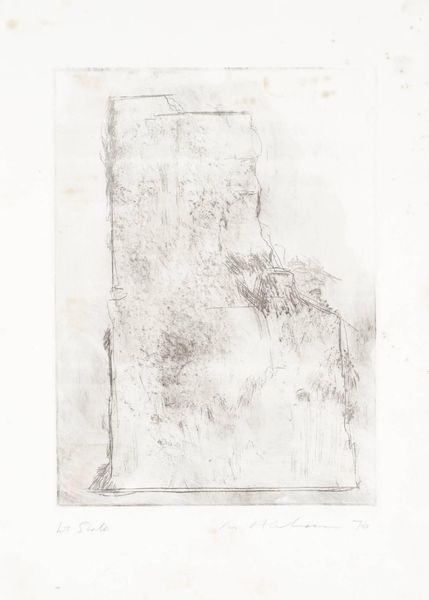
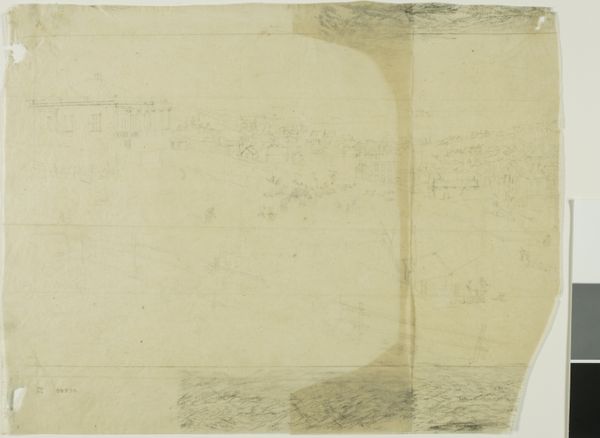
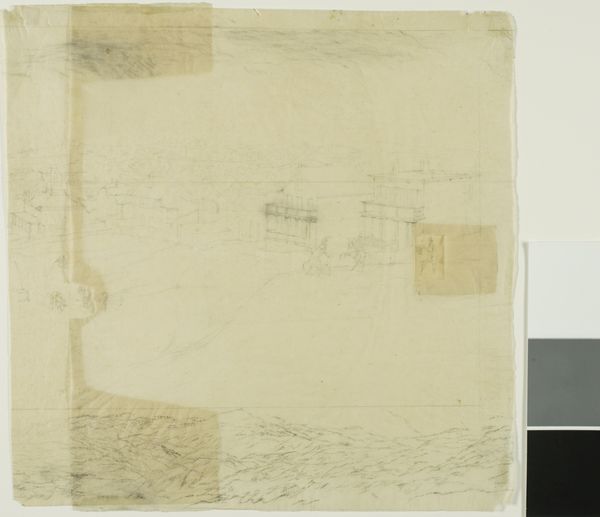
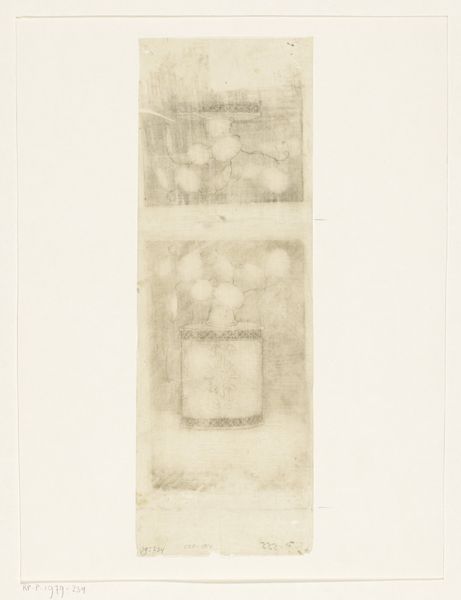
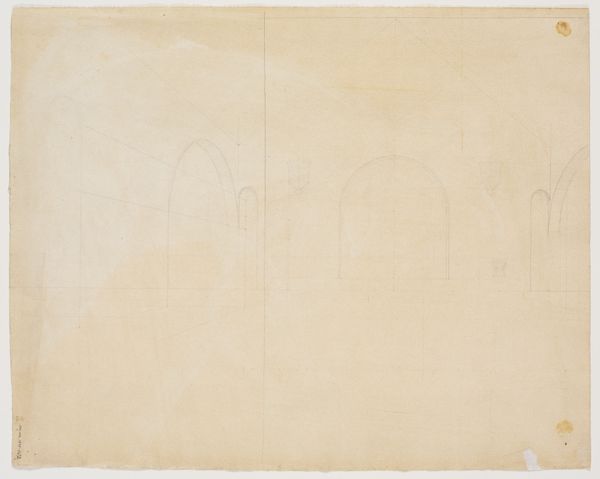
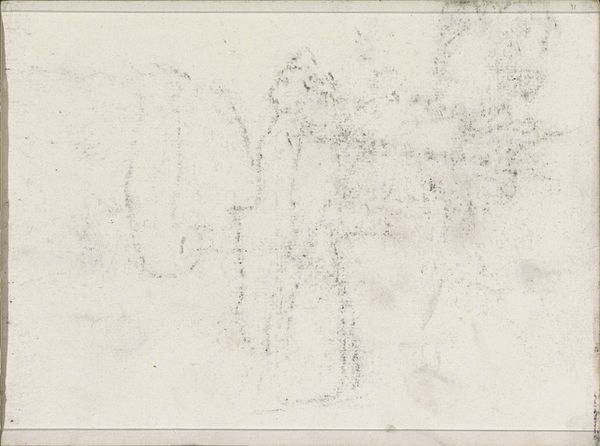
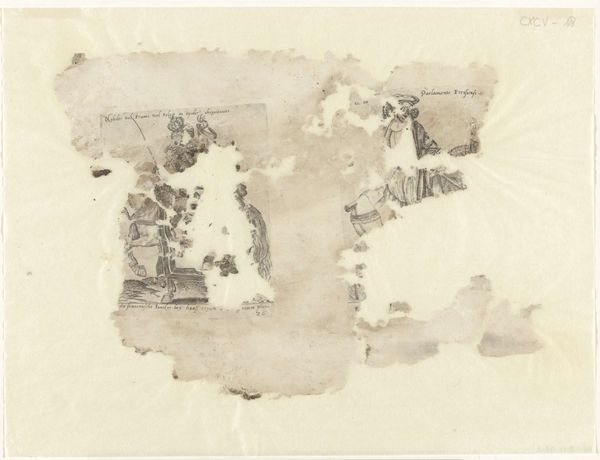
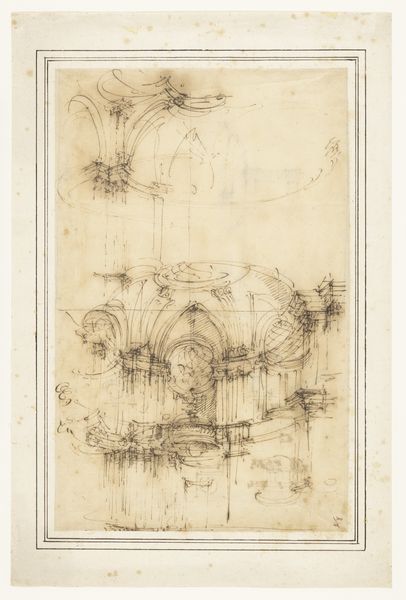
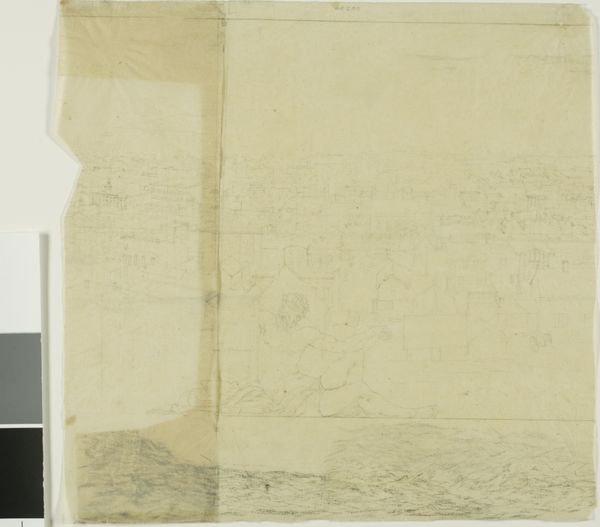
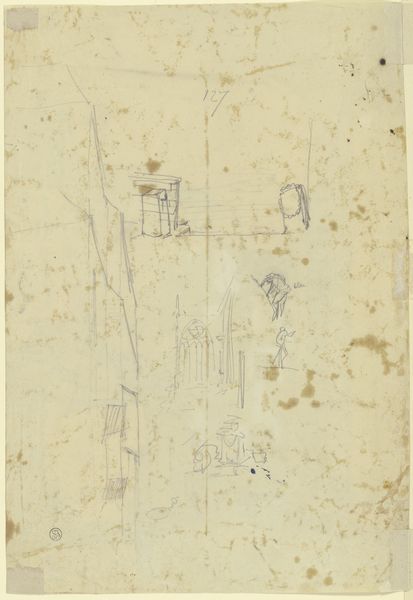
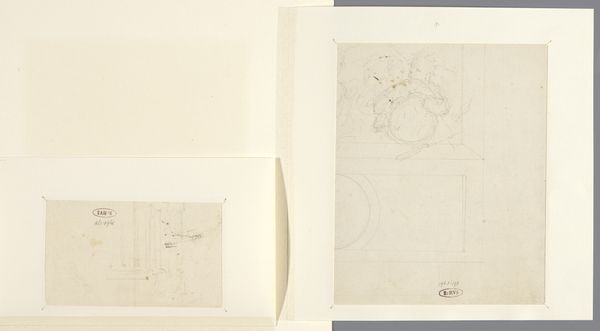
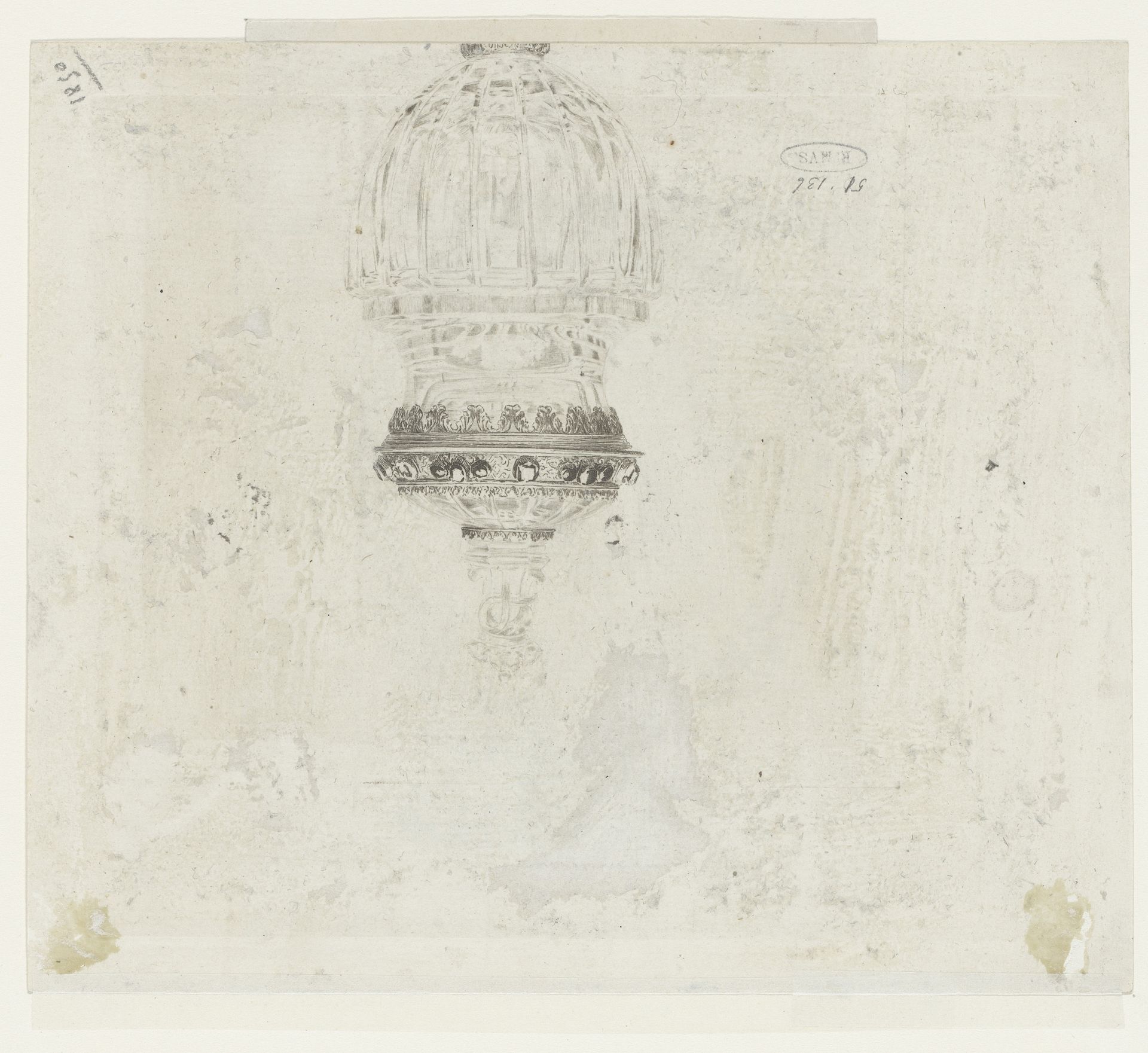
Henri-Charles Guérard created this fragment of a glass goblet using graphite, pen, and brush in the late 19th century. Guérard was a French printmaker known for his innovative techniques and his involvement with the revival of etching. This drawing provides a glimpse into the world of luxury and craftsmanship during a period of significant social and economic change. Consider the cultural context of the late 19th century, a time when elaborate glassware was a symbol of status and refinement, accessible primarily to the upper classes. Guérard's detailed rendering captures the opulence and artistry associated with such objects, inviting us to reflect on the values and aspirations of the society that produced and consumed them. The choice to depict a fragment also raises questions about memory, loss, and the transient nature of beauty. As you consider the drawing ask yourself, what stories and social dynamics are embedded in this delicate representation of a bygone era?

Artwork details
- Medium
- drawing, pencil
- Dimensions
- height 201 mm, width 233 mm
- Location
- Rijksmuseum
- Copyright
- Rijks Museum: Open Domain
Tags
Comments
Share your thoughts
About this artwork
Henri-Charles Guérard created this fragment of a glass goblet using graphite, pen, and brush in the late 19th century. Guérard was a French printmaker known for his innovative techniques and his involvement with the revival of etching. This drawing provides a glimpse into the world of luxury and craftsmanship during a period of significant social and economic change. Consider the cultural context of the late 19th century, a time when elaborate glassware was a symbol of status and refinement, accessible primarily to the upper classes. Guérard's detailed rendering captures the opulence and artistry associated with such objects, inviting us to reflect on the values and aspirations of the society that produced and consumed them. The choice to depict a fragment also raises questions about memory, loss, and the transient nature of beauty. As you consider the drawing ask yourself, what stories and social dynamics are embedded in this delicate representation of a bygone era?
Comments
Share your thoughts