About this artwork
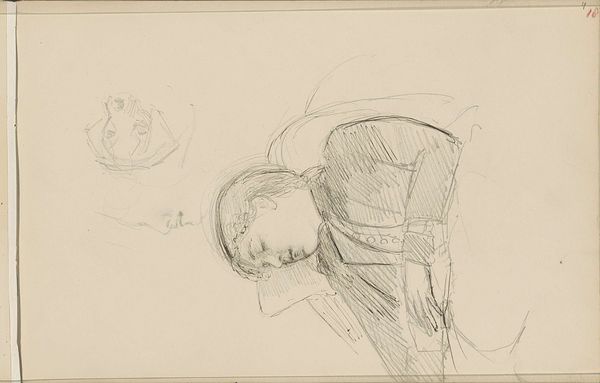
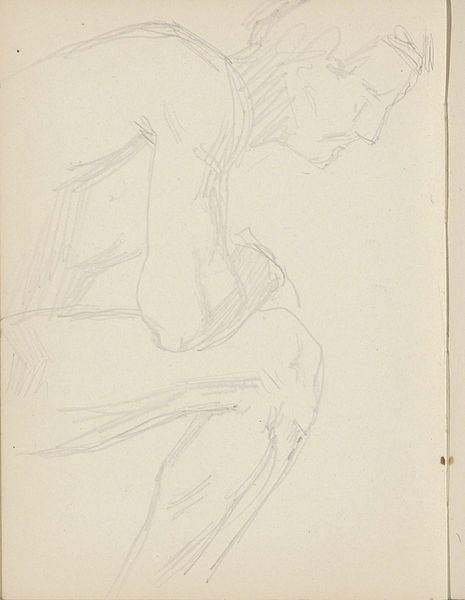
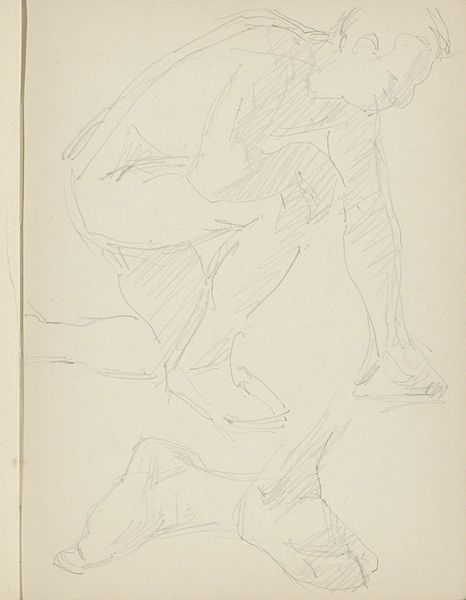
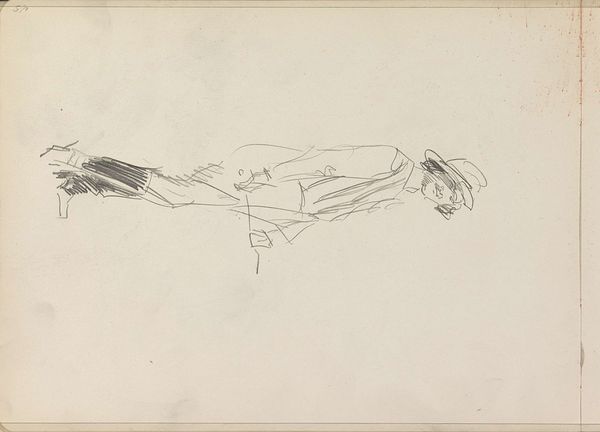
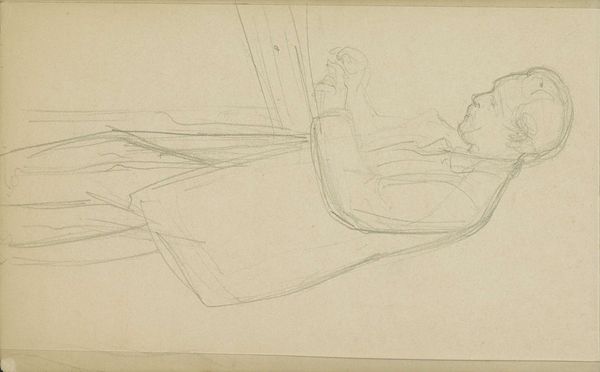
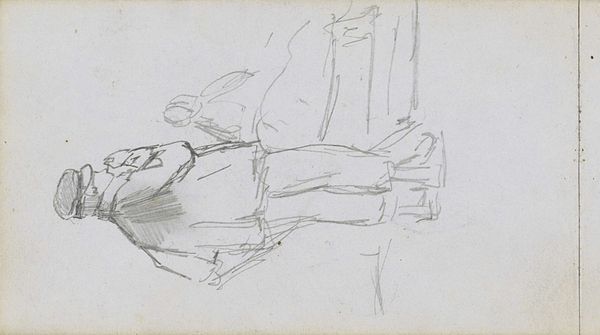
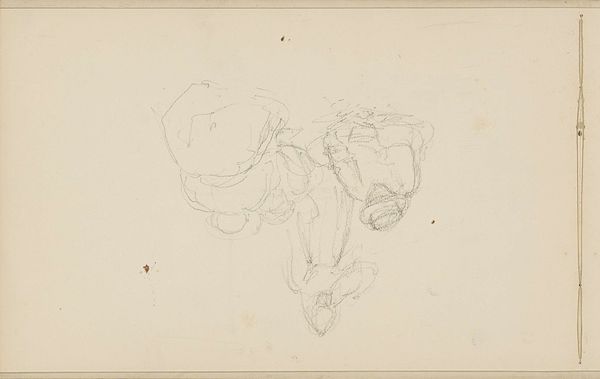
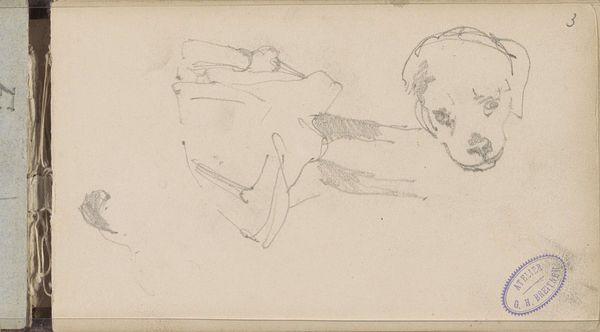
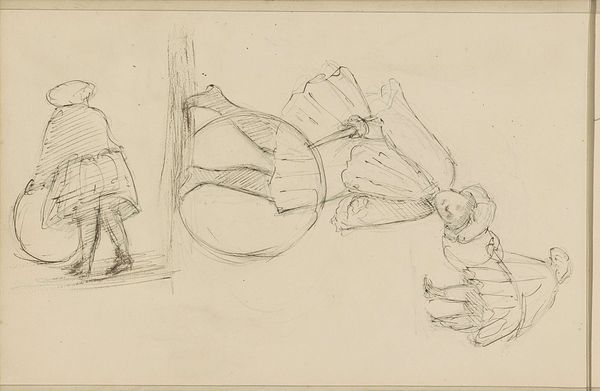
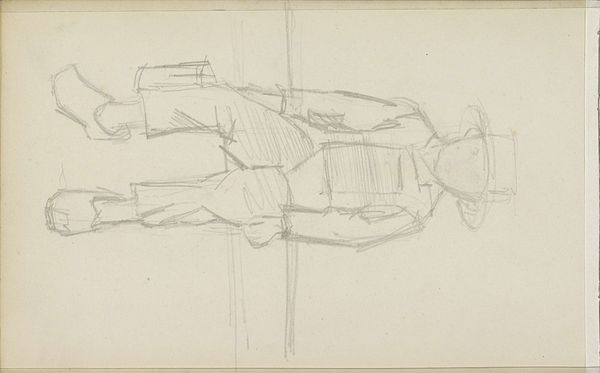
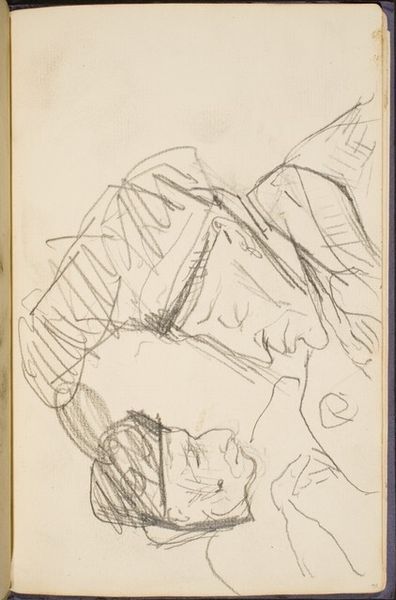
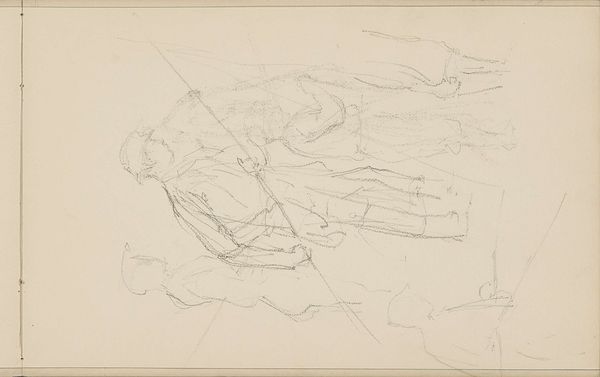
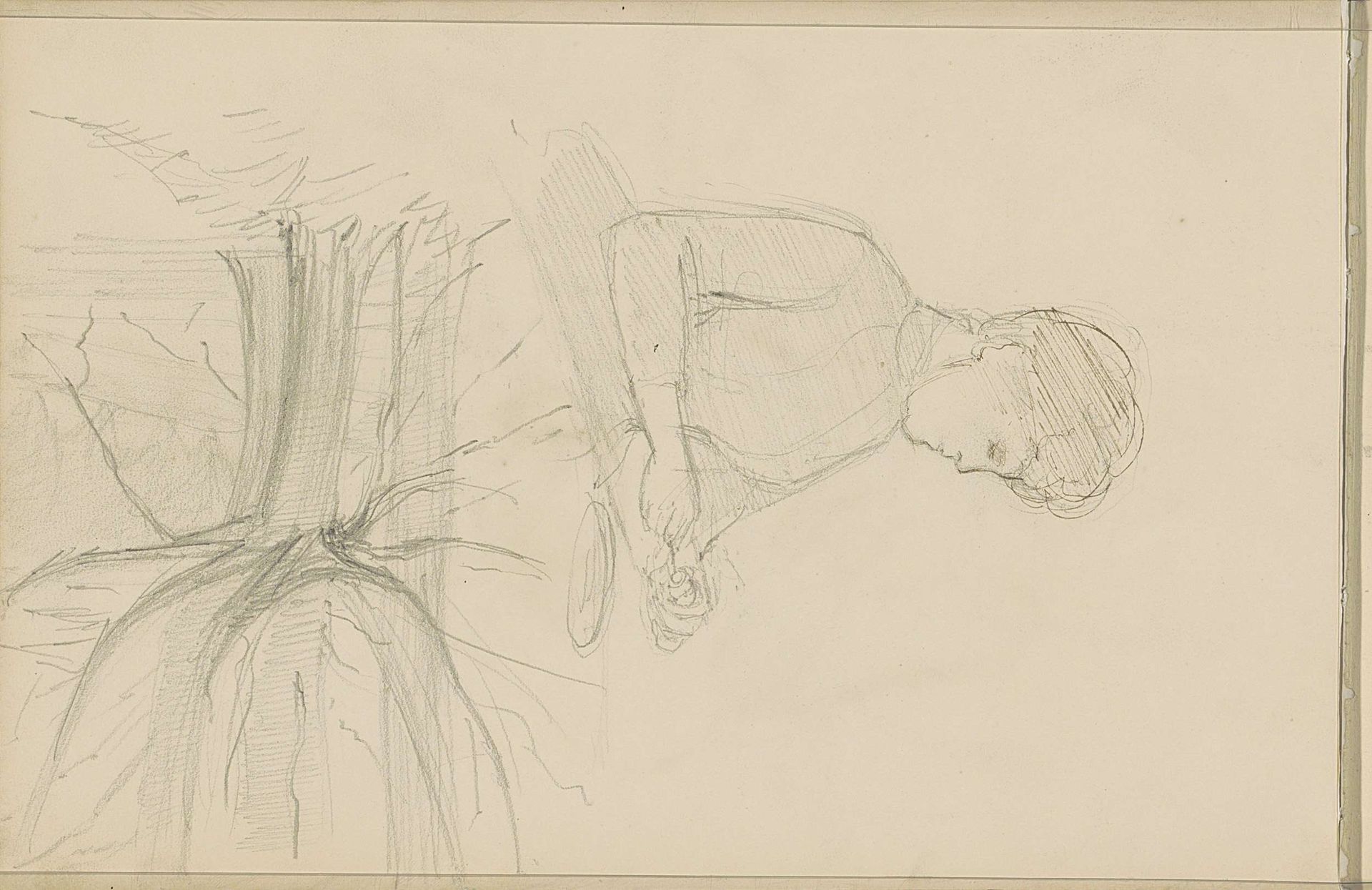
Jozef Israëls created this drawing, "Vrouw aan een tafel en een boom," with graphite on paper. The work offers a glimpse into the social realities of 19th-century Holland. Israëls was a key figure in the Hague School, a group of Dutch realist painters. Here, the image of a woman seated at a table near a tree is rendered with a raw honesty. Israëls, like many artists of his time, was interested in portraying the lives of ordinary people, particularly those in rural communities. His emphasis on the dignity of labor and the quiet struggles of everyday life aligned with broader social and political movements advocating for the working class. To understand Israëls' artistic choices, we must examine the socio-economic context of the Netherlands at the time. Historical archives, letters, and exhibition reviews can provide valuable information. These sources help us understand how Israëls used his art to comment on and engage with the social structures of his time. In this way, art offers a window into the past.

Artwork details
- Medium
- drawing, pencil
- Location
- Rijksmuseum
- Copyright
- Rijks Museum: Open Domain
Tags
portrait
tree
drawing
table
dutch-golden-age
pencil sketch
landscape
pencil
realism
Comments
Be the first to share your thoughts about this work.
About this artwork
Jozef Israëls created this drawing, "Vrouw aan een tafel en een boom," with graphite on paper. The work offers a glimpse into the social realities of 19th-century Holland. Israëls was a key figure in the Hague School, a group of Dutch realist painters. Here, the image of a woman seated at a table near a tree is rendered with a raw honesty. Israëls, like many artists of his time, was interested in portraying the lives of ordinary people, particularly those in rural communities. His emphasis on the dignity of labor and the quiet struggles of everyday life aligned with broader social and political movements advocating for the working class. To understand Israëls' artistic choices, we must examine the socio-economic context of the Netherlands at the time. Historical archives, letters, and exhibition reviews can provide valuable information. These sources help us understand how Israëls used his art to comment on and engage with the social structures of his time. In this way, art offers a window into the past.
Comments
Be the first to share your thoughts about this work.