About this artwork
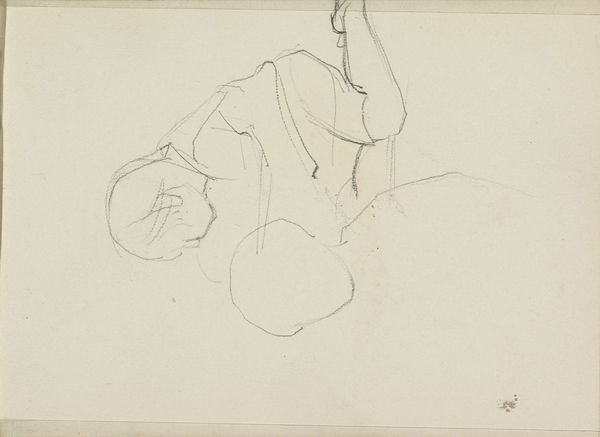
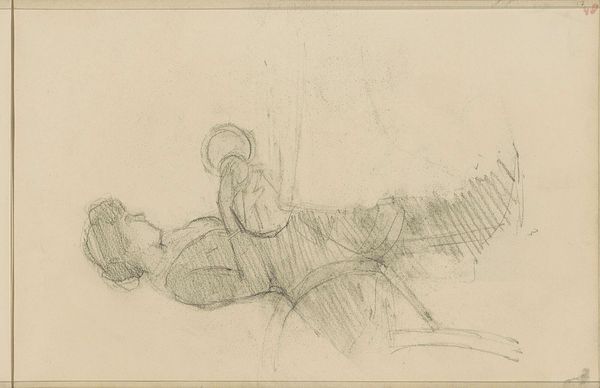
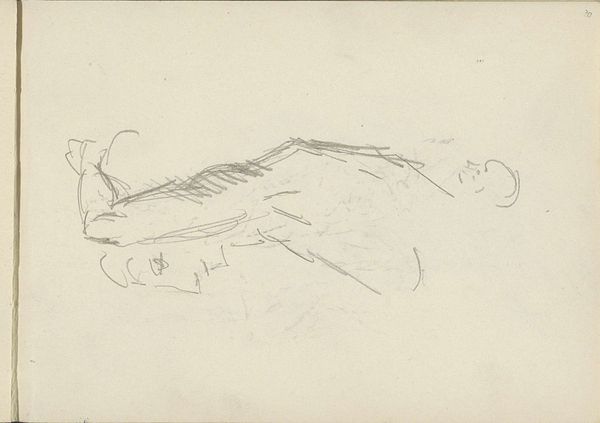
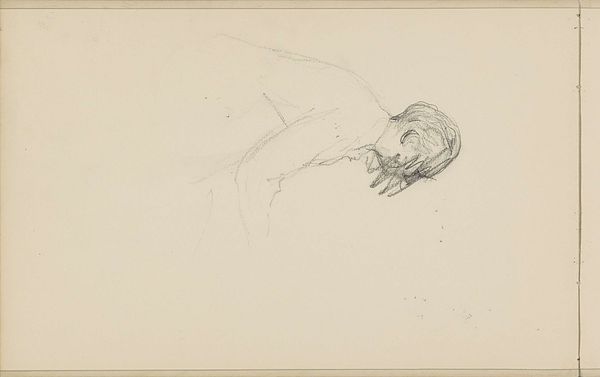
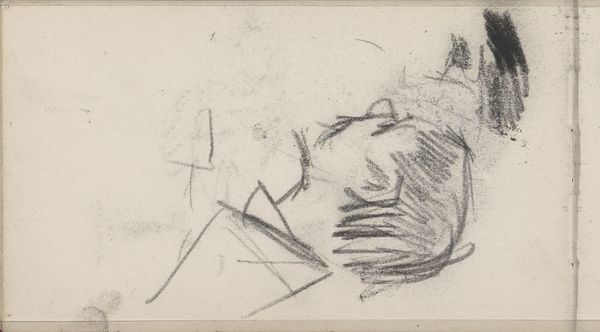
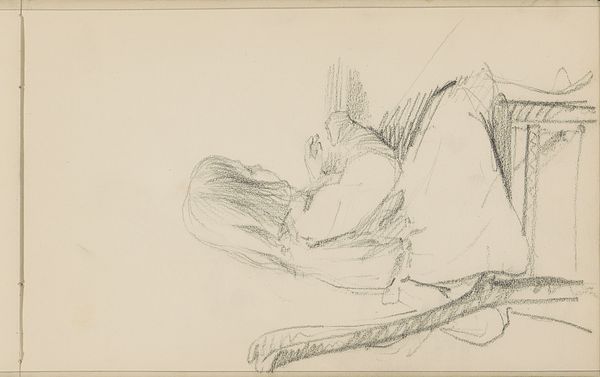
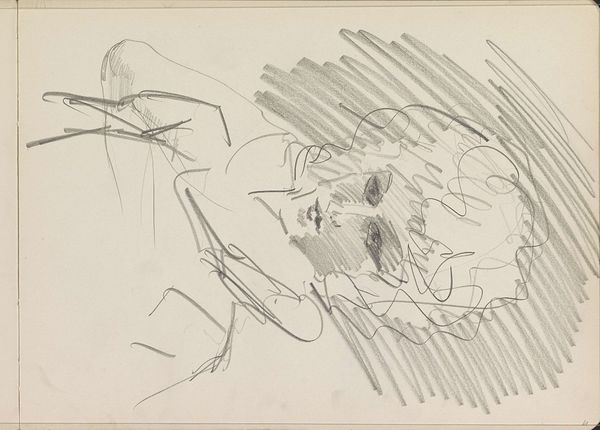
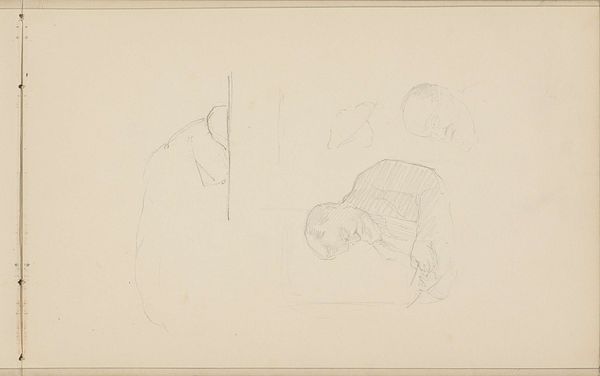
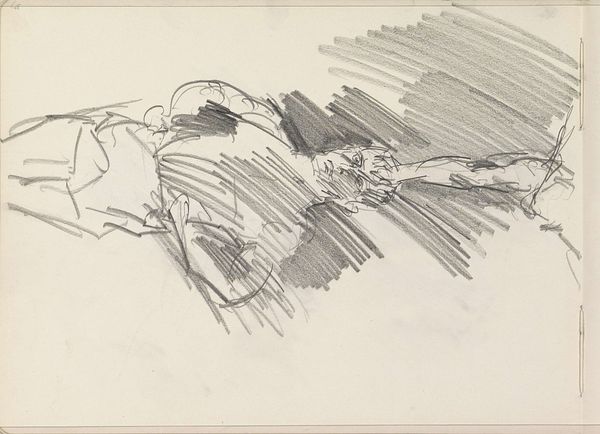
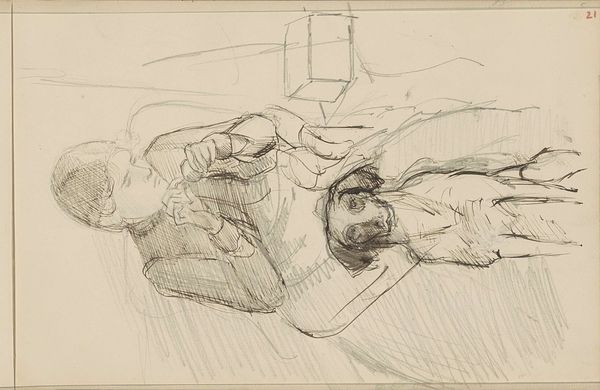
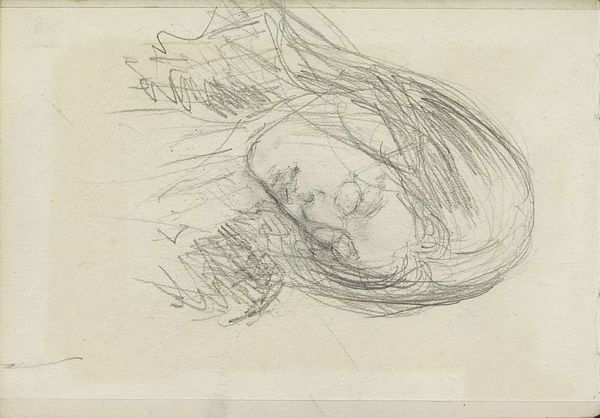
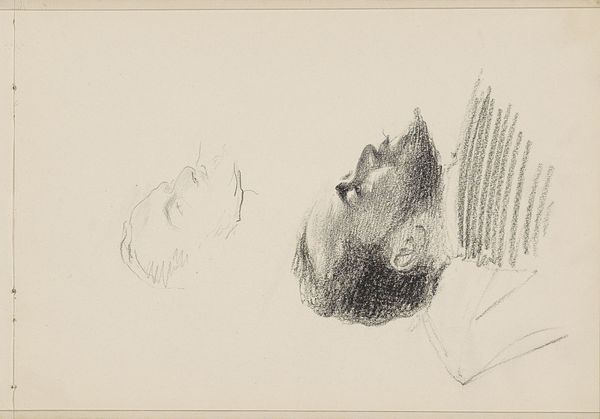
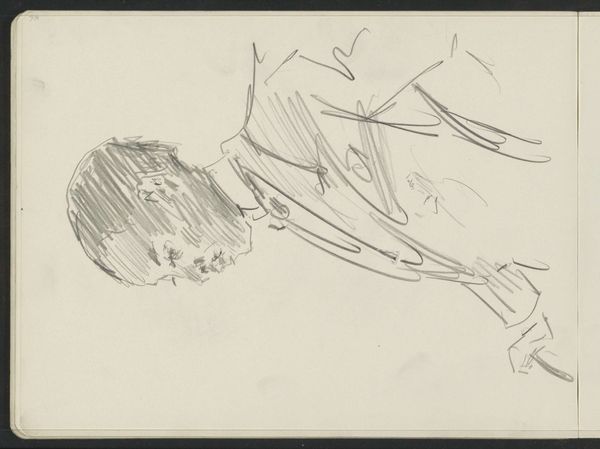
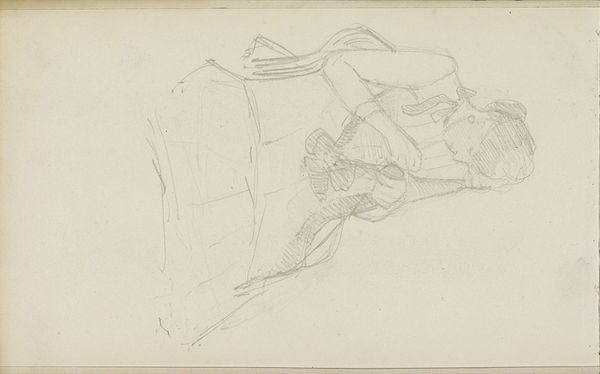
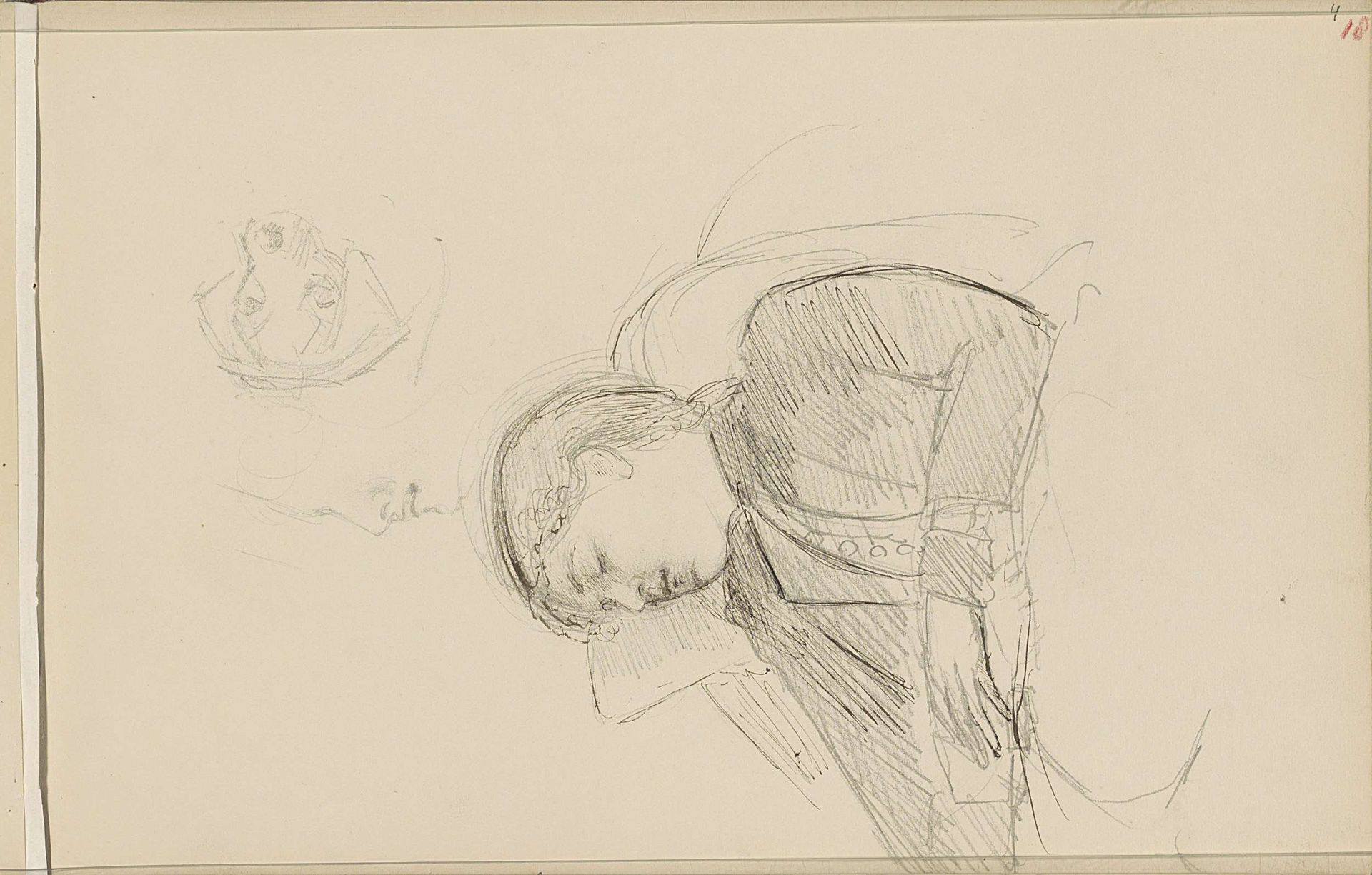
Jozef Israëls made this pencil drawing, 'Sleeping Woman', sometime during his career in the Netherlands. Israëls sought to depict the lives of ordinary people, often focusing on the hardships faced by those in rural communities. The image presents a vulnerable and intimate moment. Yet the sketch also directs attention towards the socio-economic realities that might lead someone to such a state of exhaustion. In the 19th century, the Netherlands experienced significant social and economic changes, and the lives of the working class were often marked by poverty and hardship. Artists like Israëls aimed to bring attention to these issues and evoke empathy for those affected. To fully understand 'Sleeping Woman,' we can consult historical records, letters, and contemporary accounts that shed light on the artist's intentions and the socio-political context in which he was working. Art is always contingent on social and institutional context.

Artwork details
- Medium
- drawing, pencil
- Location
- Rijksmuseum
- Copyright
- Rijks Museum: Open Domain
Tags
portrait
drawing
dutch-golden-age
pencil sketch
pencil
realism
Comments
No comments
About this artwork
Jozef Israëls made this pencil drawing, 'Sleeping Woman', sometime during his career in the Netherlands. Israëls sought to depict the lives of ordinary people, often focusing on the hardships faced by those in rural communities. The image presents a vulnerable and intimate moment. Yet the sketch also directs attention towards the socio-economic realities that might lead someone to such a state of exhaustion. In the 19th century, the Netherlands experienced significant social and economic changes, and the lives of the working class were often marked by poverty and hardship. Artists like Israëls aimed to bring attention to these issues and evoke empathy for those affected. To fully understand 'Sleeping Woman,' we can consult historical records, letters, and contemporary accounts that shed light on the artist's intentions and the socio-political context in which he was working. Art is always contingent on social and institutional context.
Comments
No comments