About this artwork
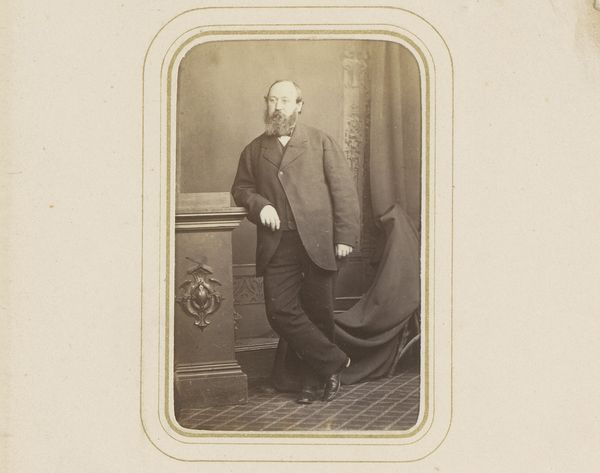
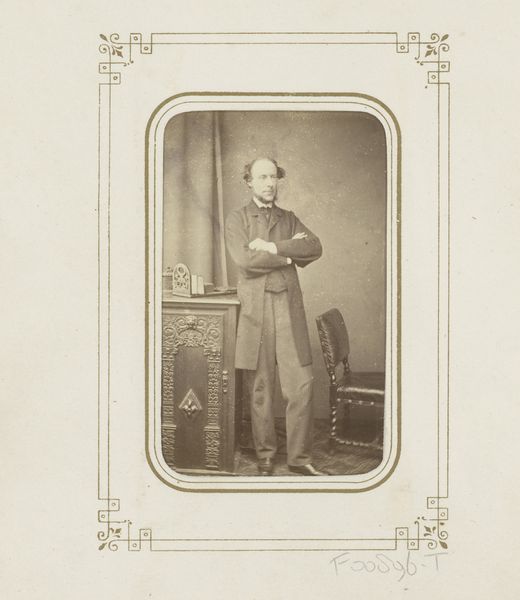
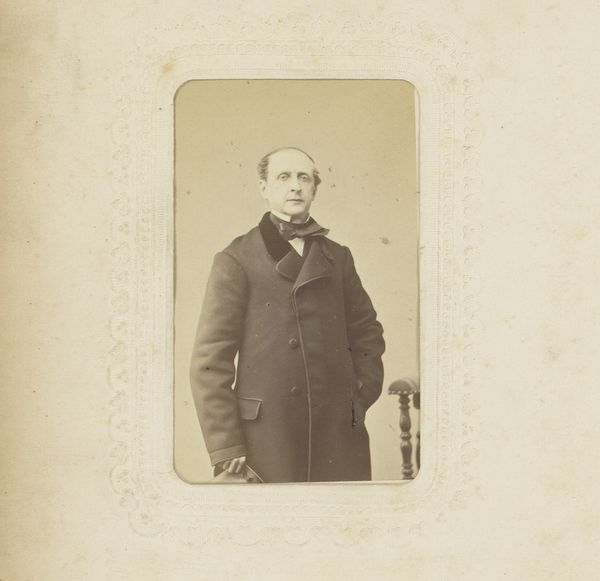
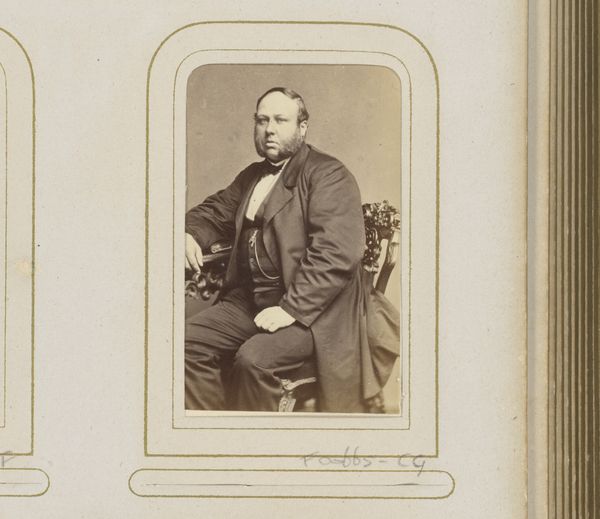
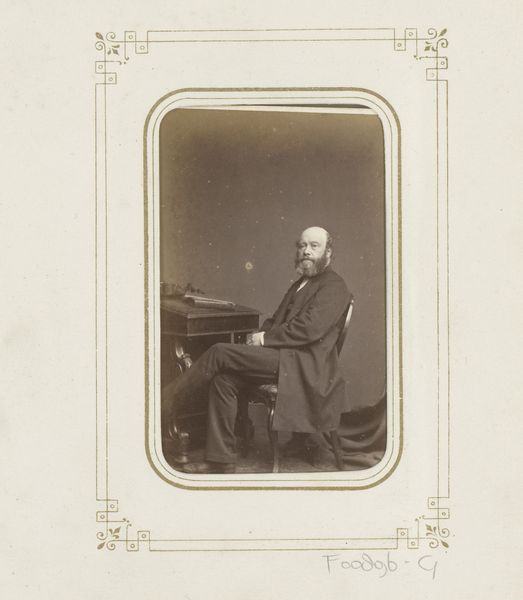
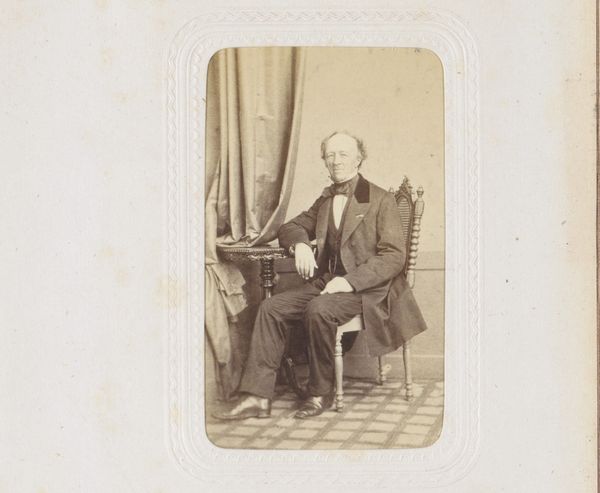
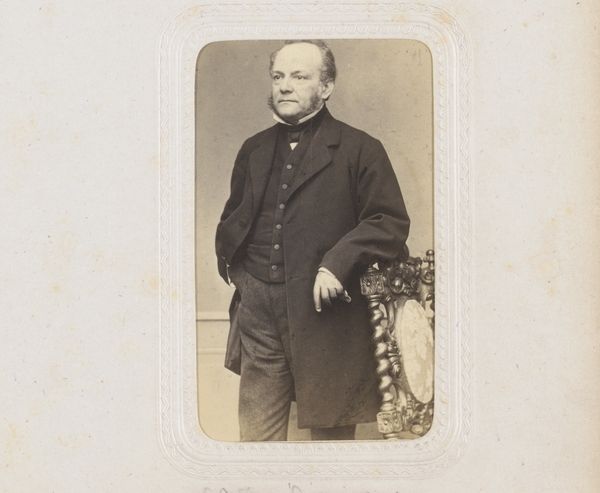
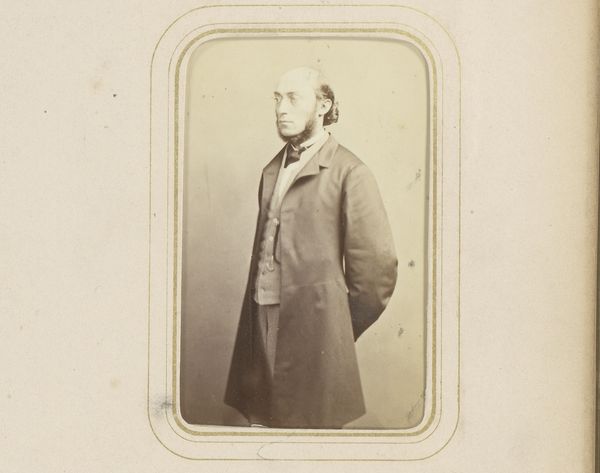
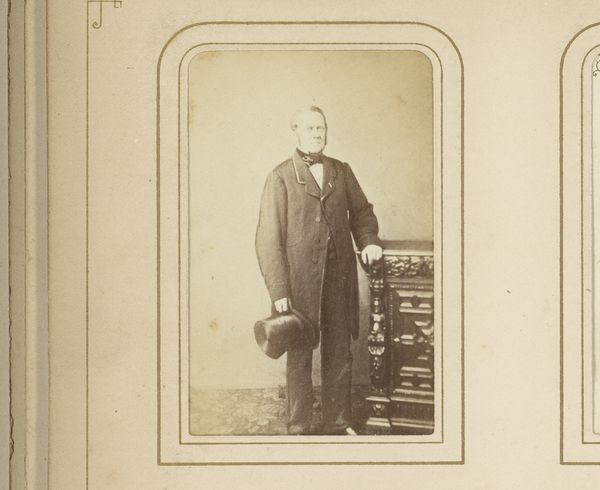
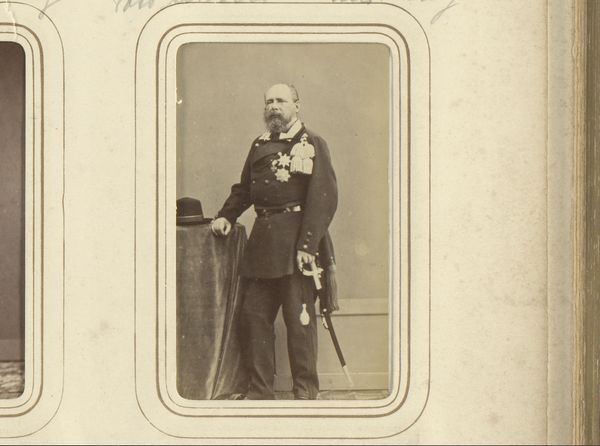
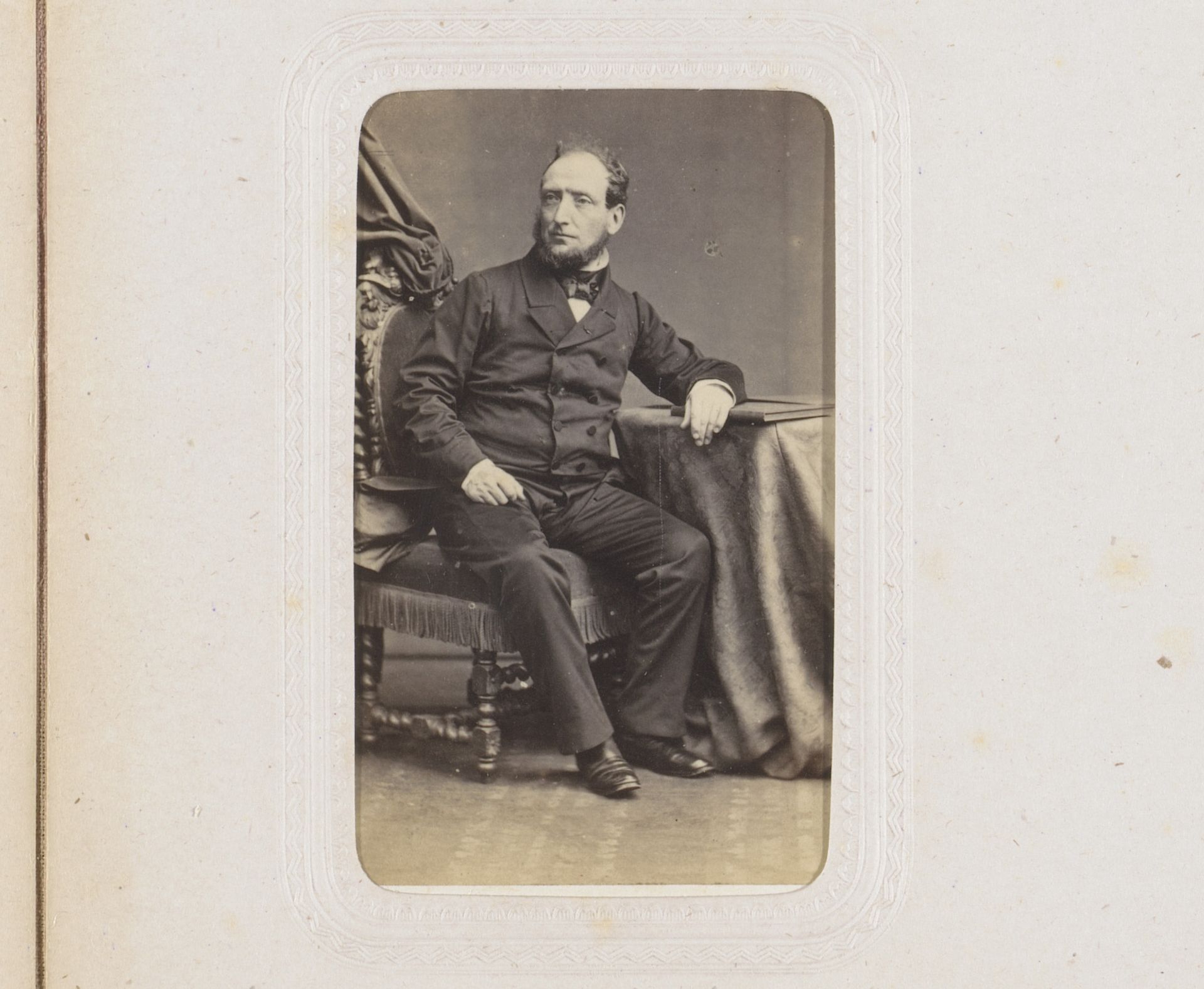
This is a portrait of Jan Messchert van Vollenhoven, made by Louis Wegner using photography, a relatively new medium in the 19th century. The image itself is small, only 82mm high, reflecting the rise of personal photography and portable images. Photography democratized portraiture. Before, only the wealthy could afford painted likenesses, painstakingly rendered by skilled artists. Photography, however, offered a quicker, more accessible process. Though it still required specialized equipment and knowledge, it opened portraiture to a wider segment of the population. Consider the labor involved. The photographer needed technical skill, but the subject also had to sit still for the exposure. This hints at a collaborative process, a social contract between photographer and sitter. The rise of photography studios created new jobs, but also changed the very nature of image-making, moving it closer to industrialized production. Looking at this portrait, we are reminded that every image, even a seemingly straightforward one, is the product of specific materials, processes, and social conditions. Recognizing this context allows us to appreciate the photograph's full significance, blurring the lines between art, craft, and social history.
Portret van Jan Messchert van Vollenhoven 1850 - 1864

Louis Wegner
1817 - 1864Location
RijksmuseumArtwork details
- Medium
- daguerreotype, photography
- Dimensions
- height 82 mm, width 50 mm
- Location
- Rijksmuseum
- Copyright
- Rijks Museum: Open Domain
Tags
portrait
16_19th-century
daguerreotype
photography
realism
Comments
No comments
About this artwork
This is a portrait of Jan Messchert van Vollenhoven, made by Louis Wegner using photography, a relatively new medium in the 19th century. The image itself is small, only 82mm high, reflecting the rise of personal photography and portable images. Photography democratized portraiture. Before, only the wealthy could afford painted likenesses, painstakingly rendered by skilled artists. Photography, however, offered a quicker, more accessible process. Though it still required specialized equipment and knowledge, it opened portraiture to a wider segment of the population. Consider the labor involved. The photographer needed technical skill, but the subject also had to sit still for the exposure. This hints at a collaborative process, a social contract between photographer and sitter. The rise of photography studios created new jobs, but also changed the very nature of image-making, moving it closer to industrialized production. Looking at this portrait, we are reminded that every image, even a seemingly straightforward one, is the product of specific materials, processes, and social conditions. Recognizing this context allows us to appreciate the photograph's full significance, blurring the lines between art, craft, and social history.
Comments
No comments