About this artwork
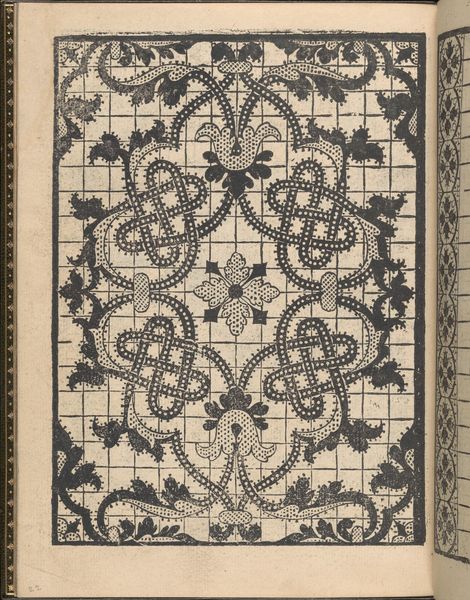
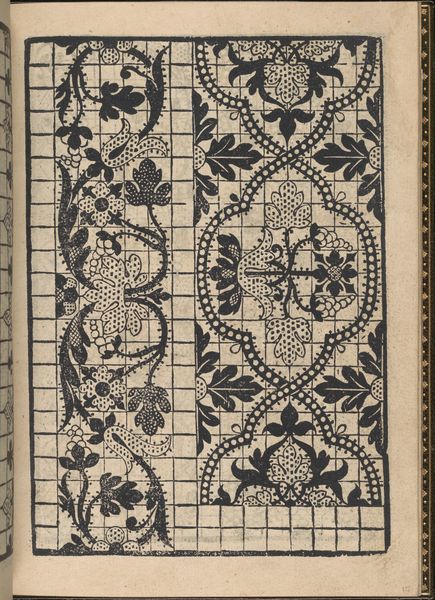
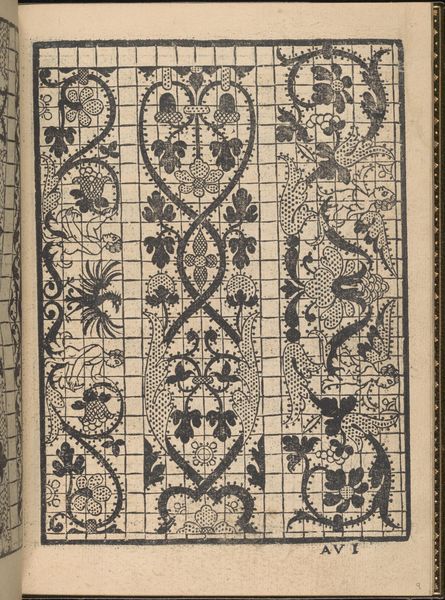
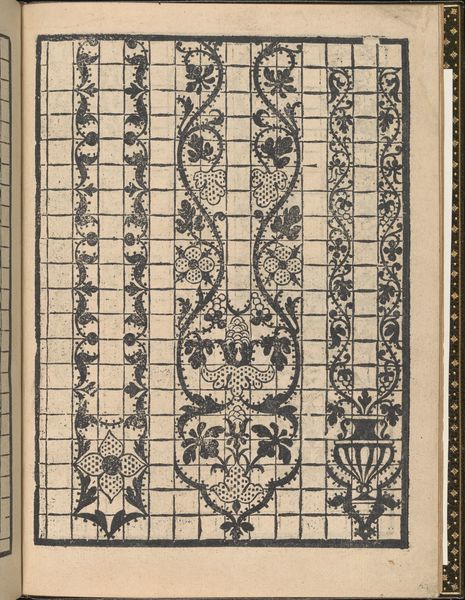
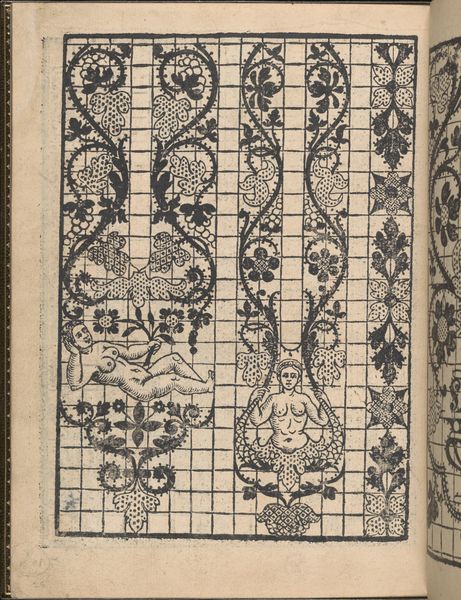
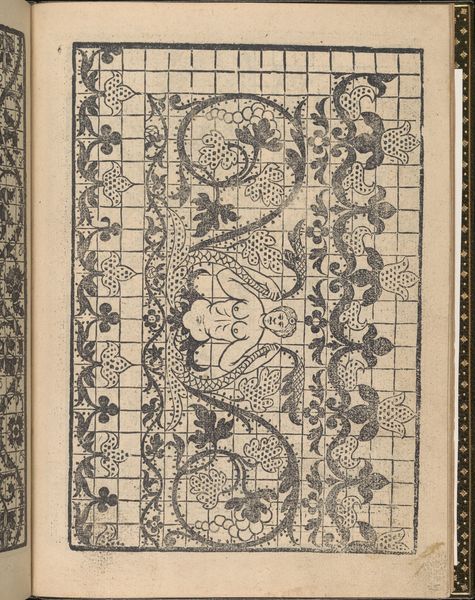
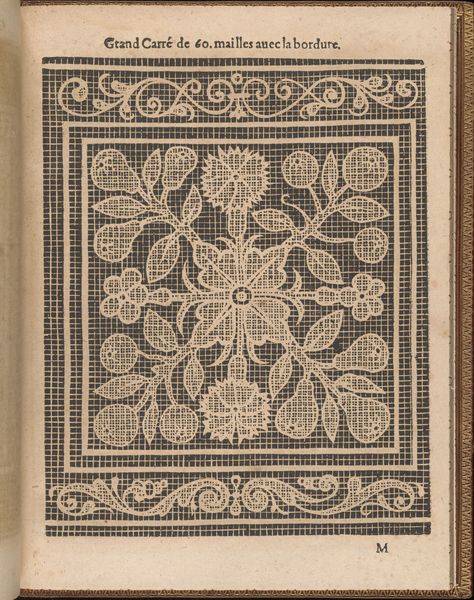
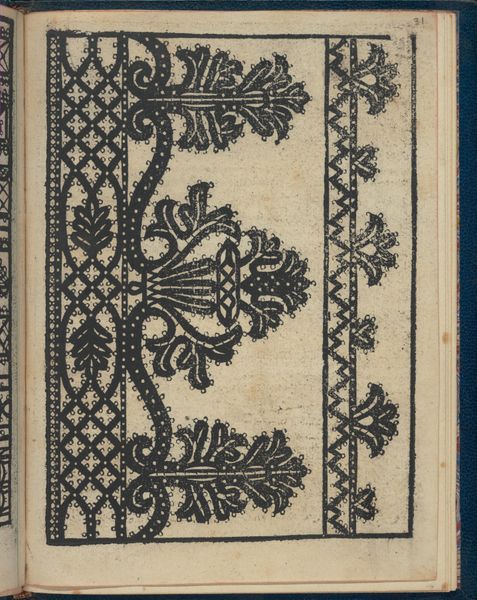
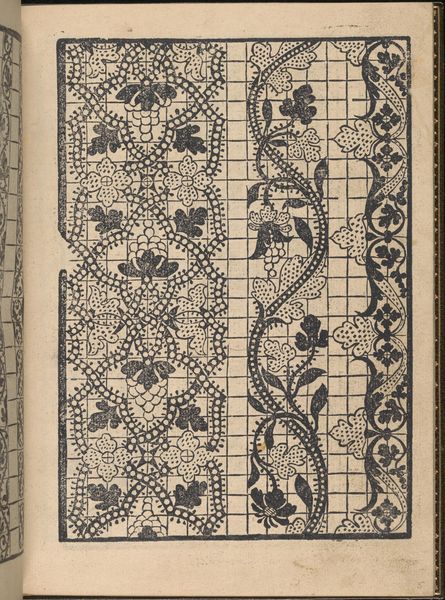
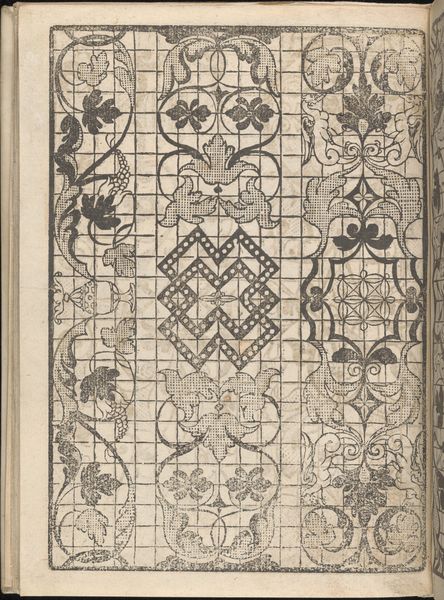
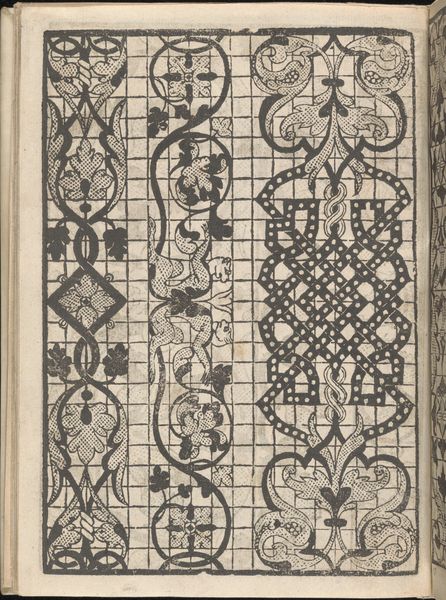
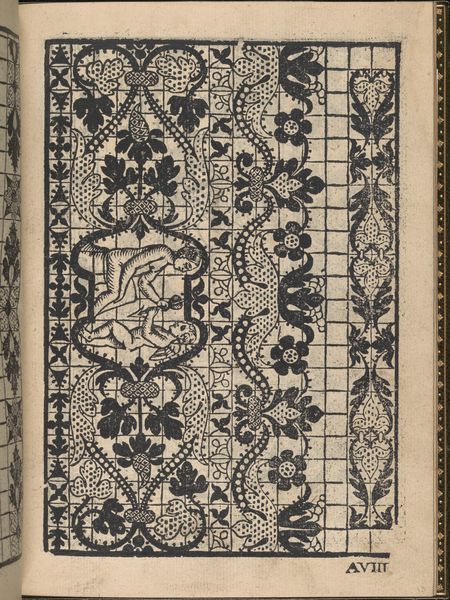
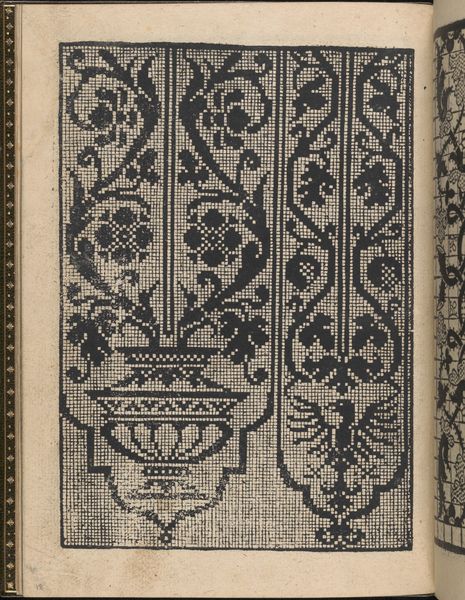
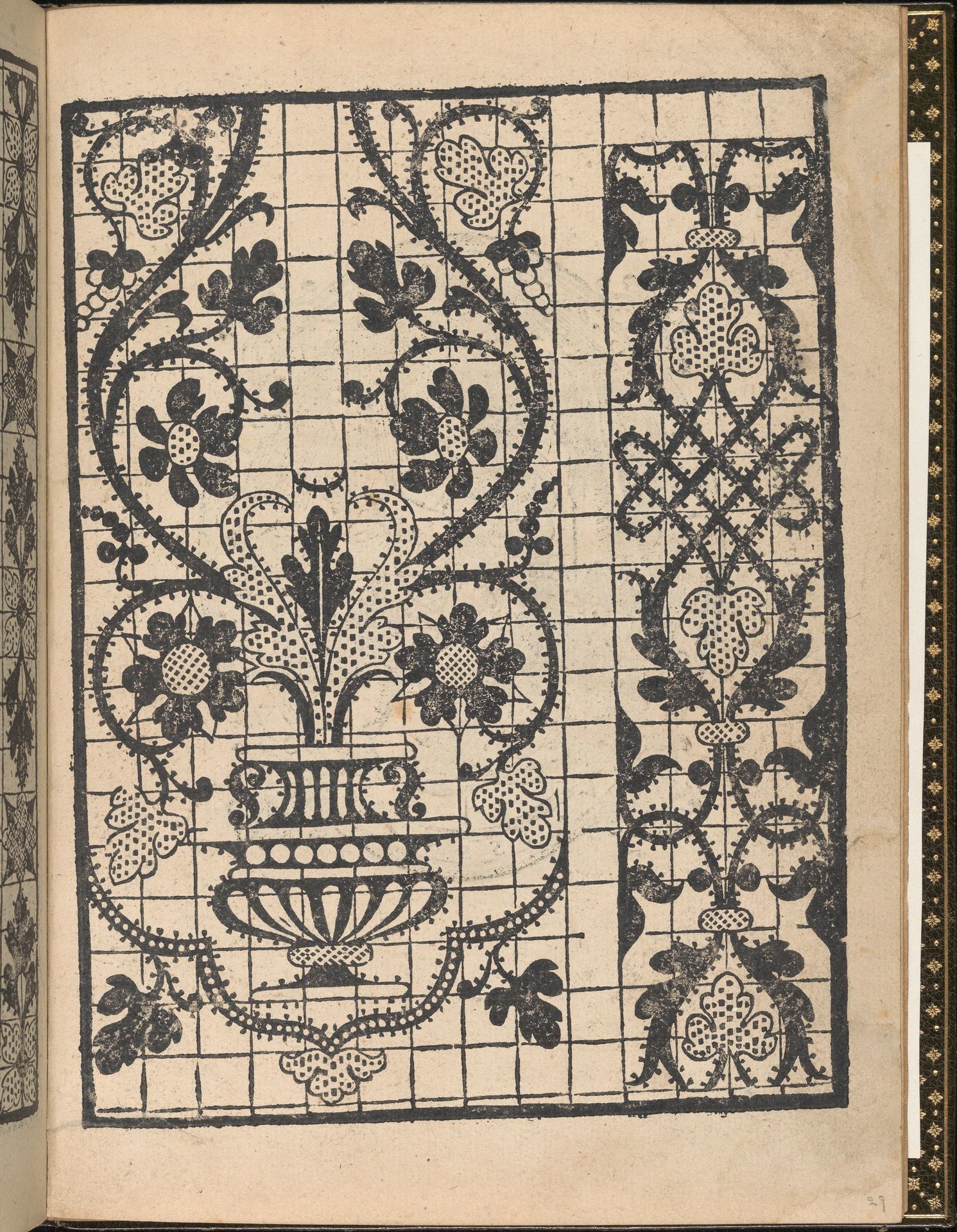
This is a woodcut from a book of lace patterns by Matteo Pagano, printed in Venice, sometime in the mid-16th century. In this era, Venice was a thriving center for the printing and distribution of pattern books aimed at artisans and craftspeople. The image presents designs for needle lace, featuring geometric and floral motifs set against a grid. This grid is of particular interest, as it facilitated the accurate transfer of patterns onto fabric. The formal organization of the design reflects the social function of the book. These books were essential tools for women, both professional and amateur, involved in textile production. They served as conduits for the dissemination of fashion and decorative styles across Europe. Examining prints such as these through historical records offers insights into the artistic practices, economic structures, and gendered divisions of labor in Renaissance Venice.
La Gloria et l'Honore di Ponti Tagliati, E Ponti in Aere, page 9 (recto)
1556


Artwork details
- Medium
- drawing, print, woodcut
- Dimensions
- Overall: 8 1/4 x 6 1/8 in. (21 x 15.5 cm)
- Location
- Metropolitan Museum of Art, New York, NY
- Copyright
- Public Domain
Tags
drawing
pen drawing
book
flower
11_renaissance
personal sketchbook
woodcut
Comments
Be the first to share your thoughts about this work.
About this artwork
This is a woodcut from a book of lace patterns by Matteo Pagano, printed in Venice, sometime in the mid-16th century. In this era, Venice was a thriving center for the printing and distribution of pattern books aimed at artisans and craftspeople. The image presents designs for needle lace, featuring geometric and floral motifs set against a grid. This grid is of particular interest, as it facilitated the accurate transfer of patterns onto fabric. The formal organization of the design reflects the social function of the book. These books were essential tools for women, both professional and amateur, involved in textile production. They served as conduits for the dissemination of fashion and decorative styles across Europe. Examining prints such as these through historical records offers insights into the artistic practices, economic structures, and gendered divisions of labor in Renaissance Venice.
Comments
Be the first to share your thoughts about this work.