About this artwork
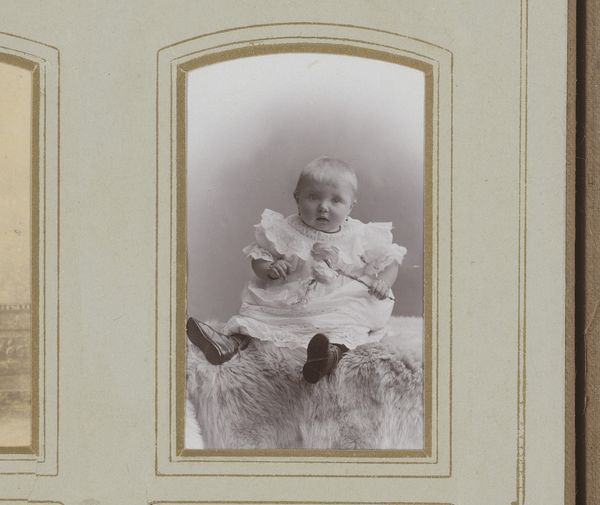
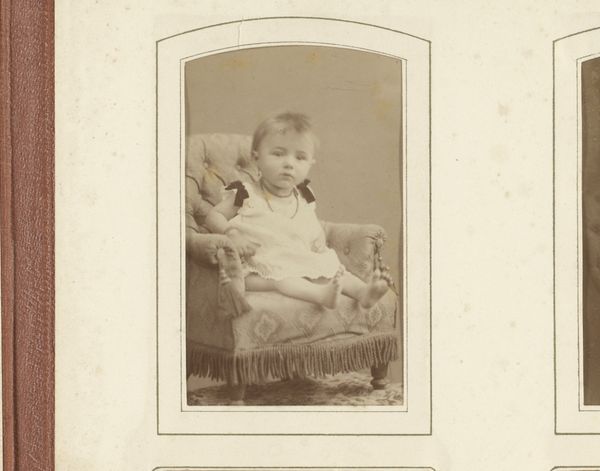
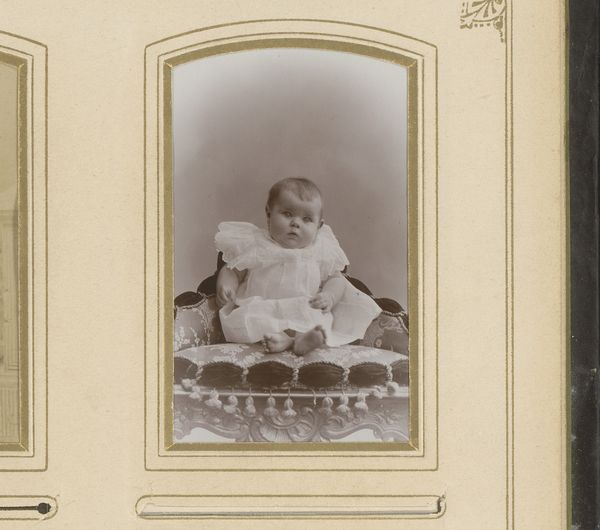
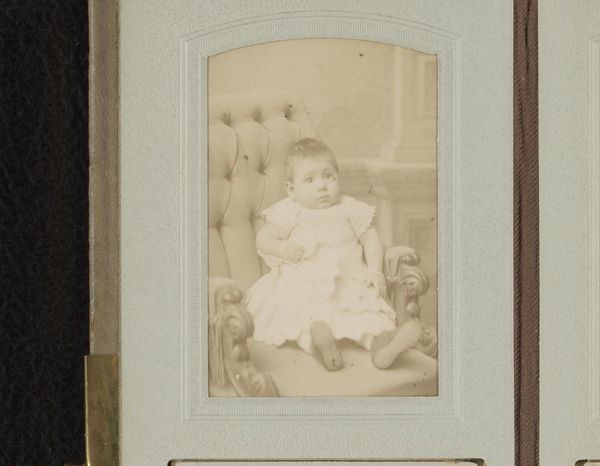
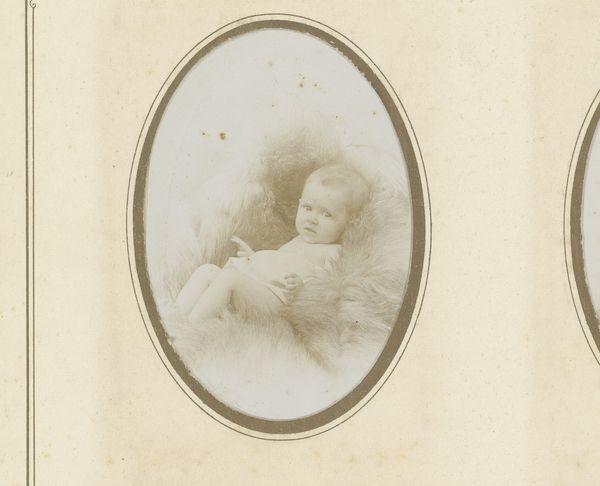
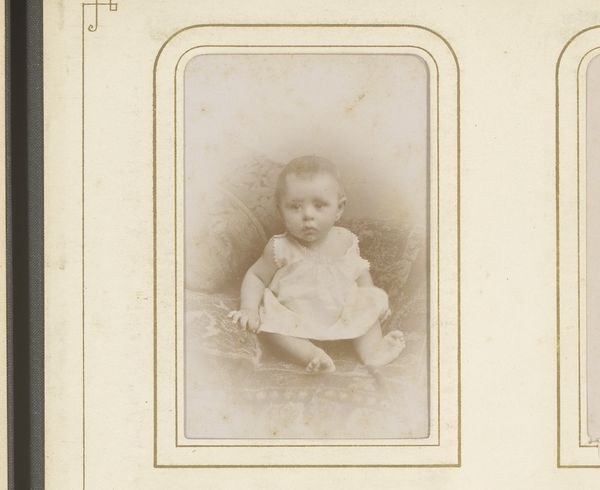
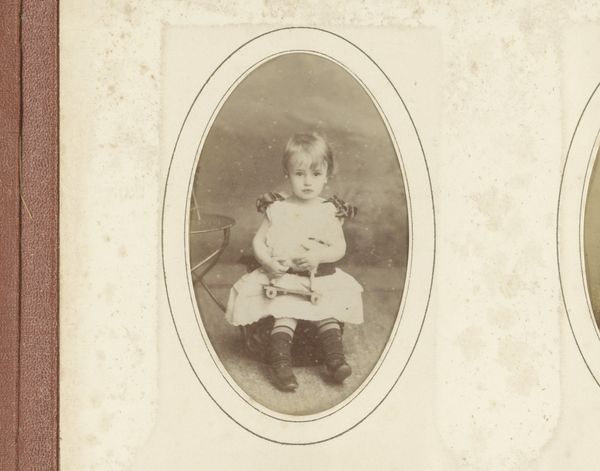
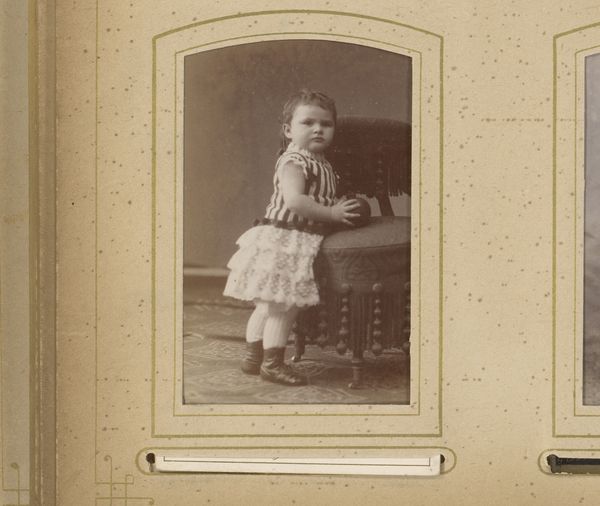
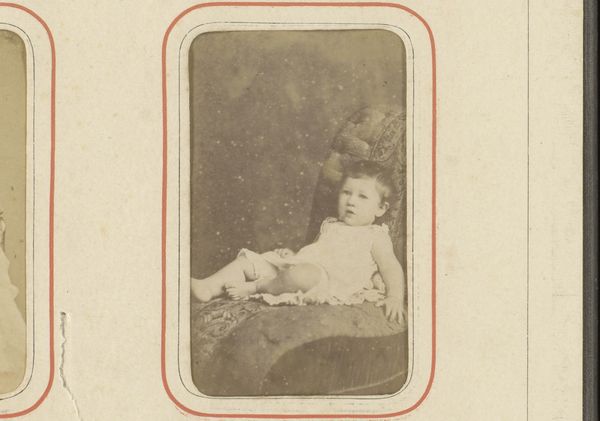
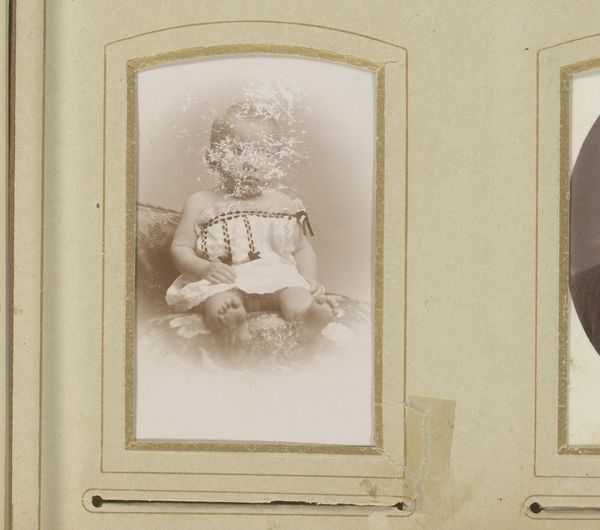
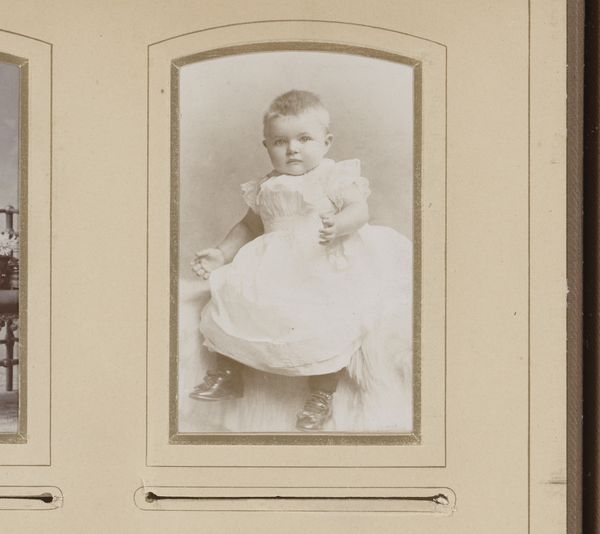
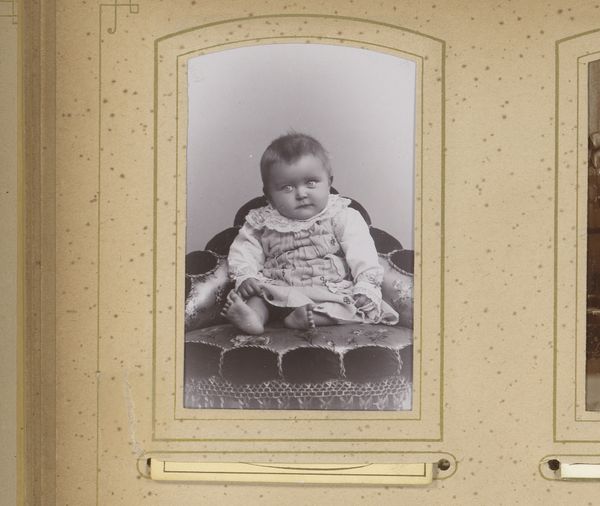
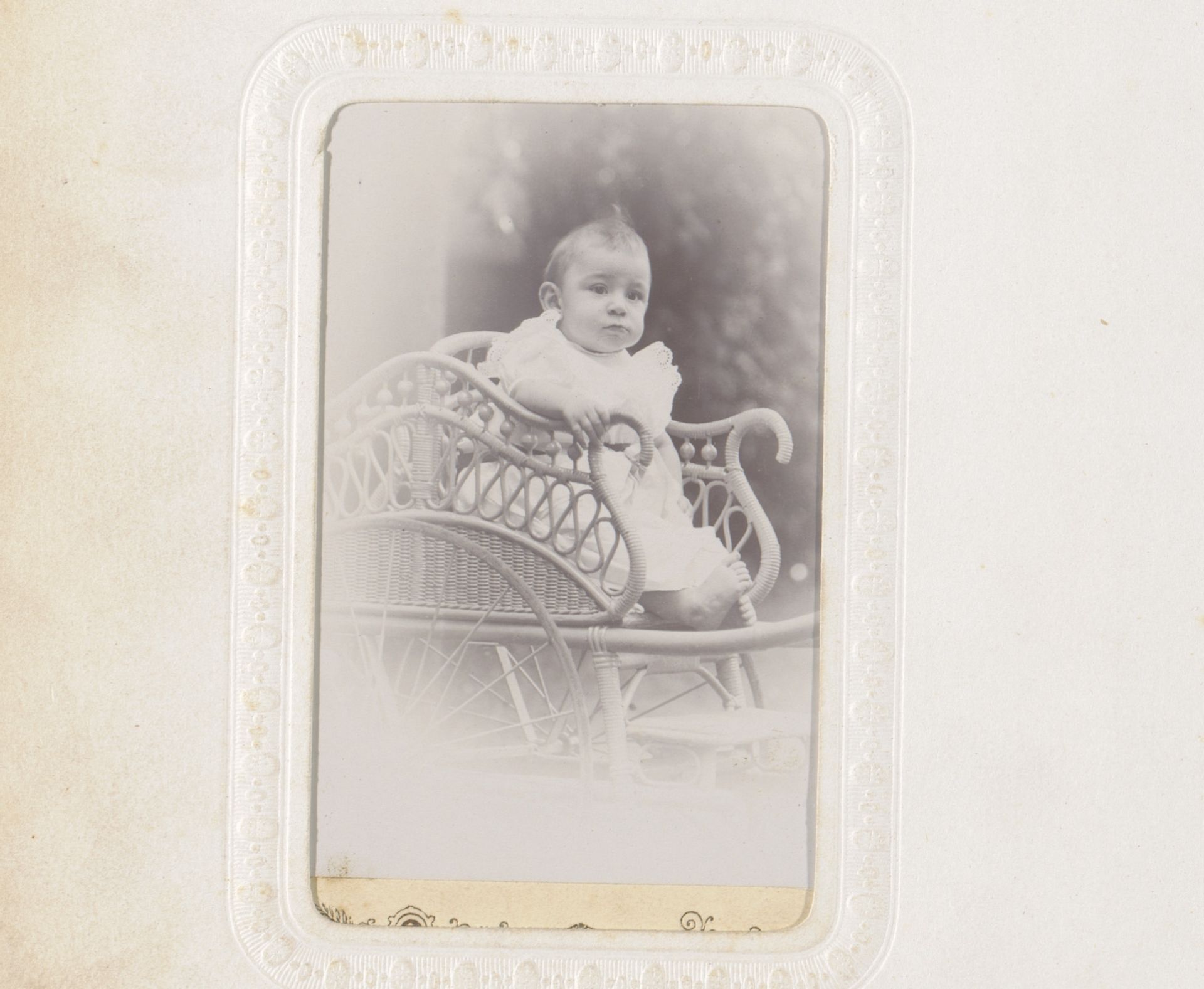
This is a photograph by Jan Anthonie Eelsingh, featuring a seated baby, possibly Willem Doyer. In the late 19th and early 20th centuries in the Netherlands, photography became increasingly accessible. This shift democratized portraiture, making it available to a broader segment of society beyond the elite, for whom painted portraits were the norm. The photograph captures a sense of bourgeois domesticity, and the wicker stroller hints at middle-class aspirations and the trappings of modern family life. The image also operates within a larger cultural context, reflecting the rising prominence of children and childhood as distinct categories worthy of attention and documentation. To fully understand this photograph, one could delve into the history of photography in the Netherlands, the social history of childhood, and the evolving visual culture of the time. Such research would illuminate the photograph's place within broader social and institutional contexts, revealing its significance as more than just a personal memento, but as a reflection of its time.
Portret van een zittende baby, aangeduid als Willem Doyer
1898 - 1901

Jan Anthonie Eelsingh
1866 - 1949Location
RijksmuseumArtwork details
- Medium
- photography
- Dimensions
- height 83 mm, width 51 mm
- Location
- Rijksmuseum
- Copyright
- Rijks Museum: Open Domain
Tags
Comments
Share your thoughts
About this artwork
This is a photograph by Jan Anthonie Eelsingh, featuring a seated baby, possibly Willem Doyer. In the late 19th and early 20th centuries in the Netherlands, photography became increasingly accessible. This shift democratized portraiture, making it available to a broader segment of society beyond the elite, for whom painted portraits were the norm. The photograph captures a sense of bourgeois domesticity, and the wicker stroller hints at middle-class aspirations and the trappings of modern family life. The image also operates within a larger cultural context, reflecting the rising prominence of children and childhood as distinct categories worthy of attention and documentation. To fully understand this photograph, one could delve into the history of photography in the Netherlands, the social history of childhood, and the evolving visual culture of the time. Such research would illuminate the photograph's place within broader social and institutional contexts, revealing its significance as more than just a personal memento, but as a reflection of its time.
Comments
Share your thoughts