About this artwork
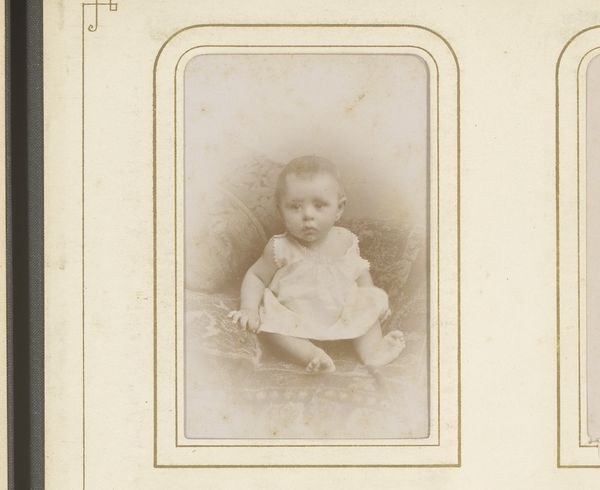
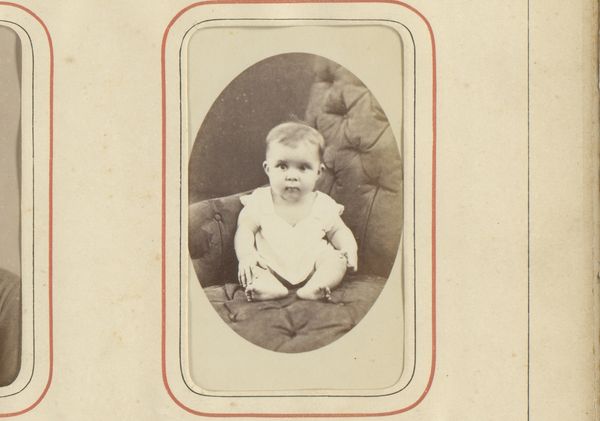
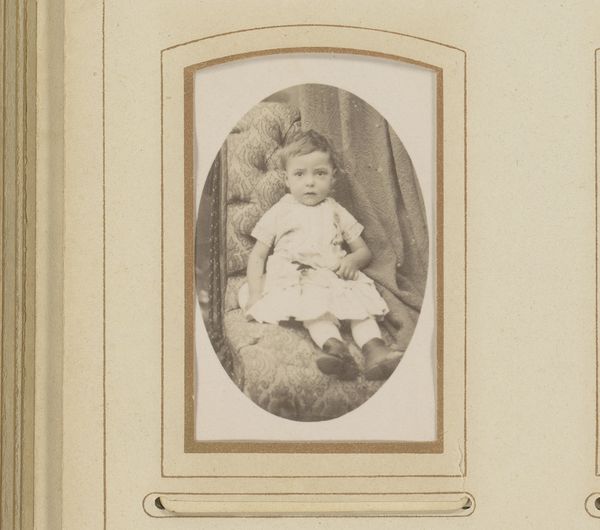
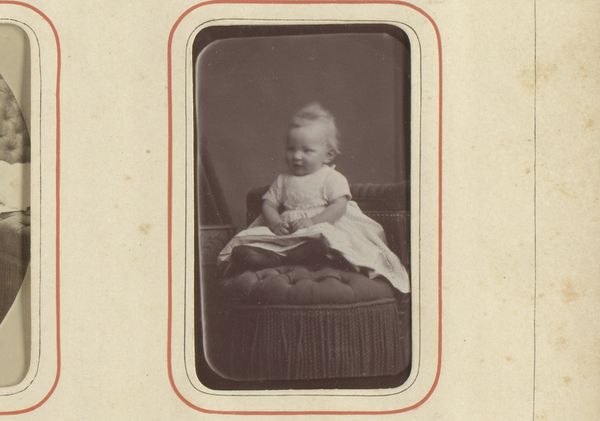
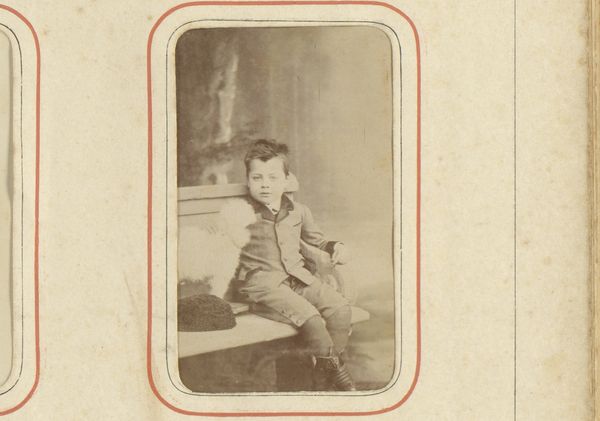
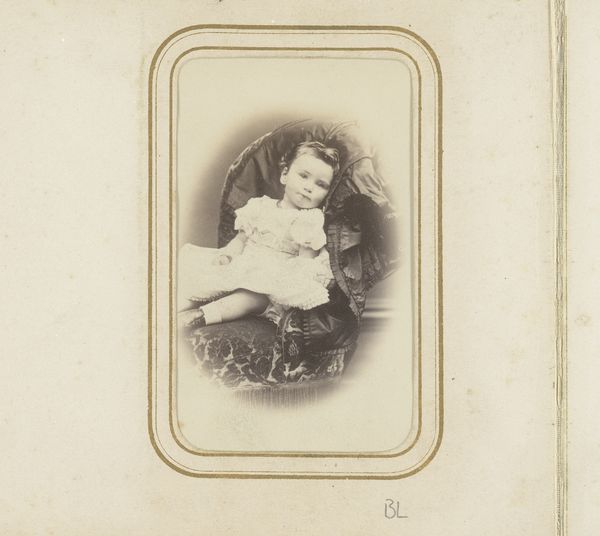
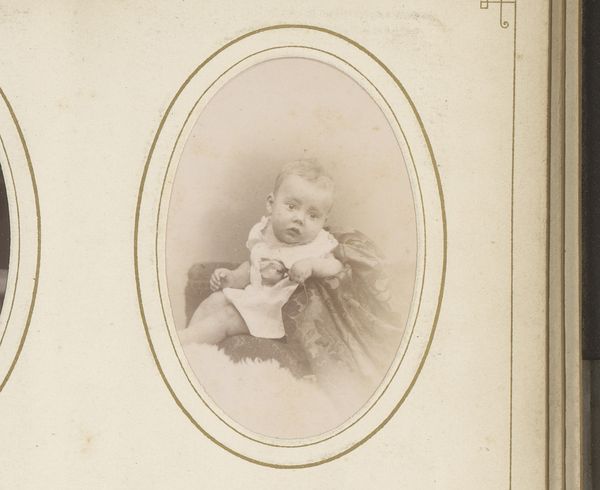
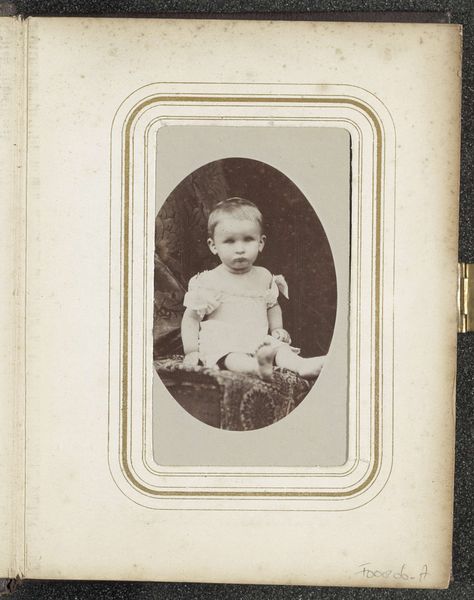
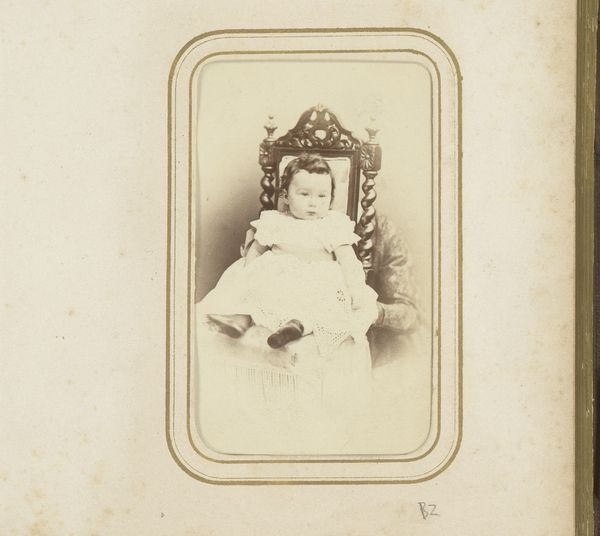
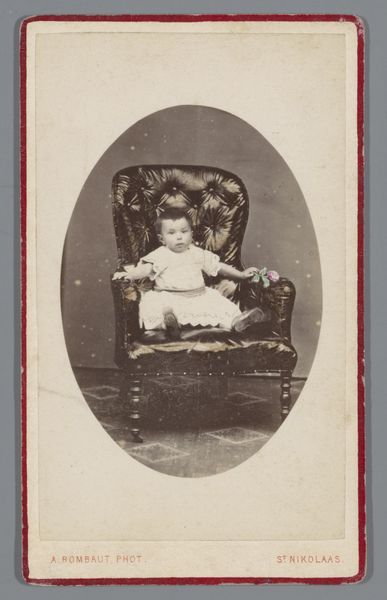
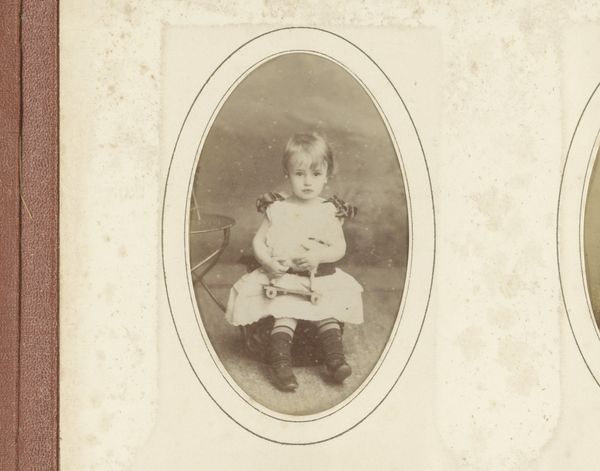
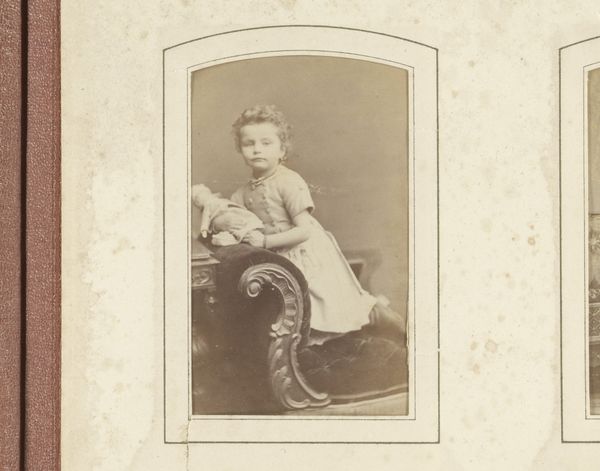
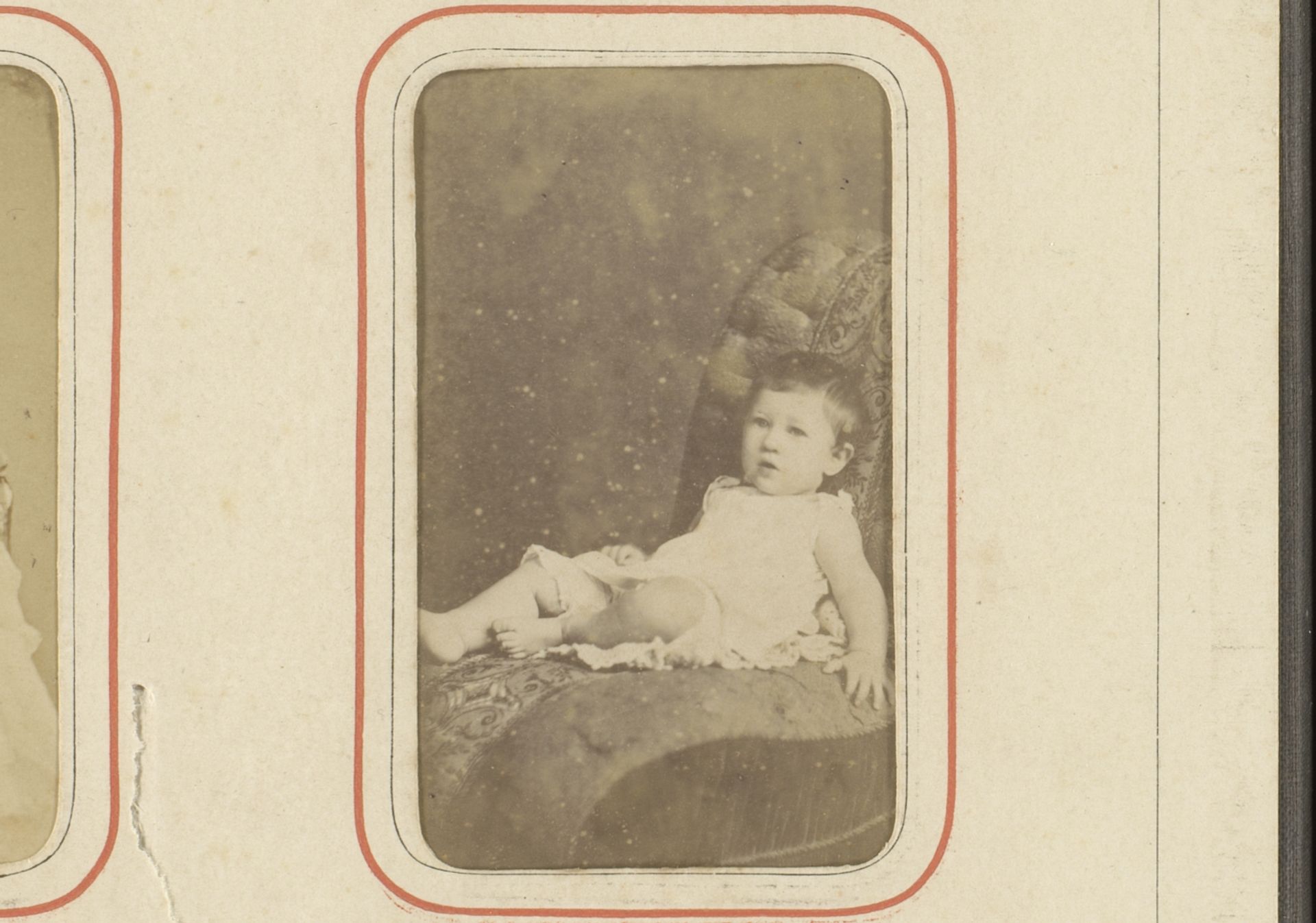
This is a photograph by Johann von Petz, a portrait of an unknown child. The child's pose immediately brings to mind the iconography of Cupid or Eros, often depicted in a similar reclining posture. This positioning, relaxed yet poised, evokes a sense of nascent power and potential. In classical antiquity, the reclining figure symbolized leisure, divine ease, and even the pleasures of the symposium. Yet, the depiction of children in art has often served as a poignant reminder of vulnerability and the fleeting nature of life. Consider the "putti" in Renaissance art, winged cherubs that blend innocence with a sense of divine presence. This child, captured in the amber tones of early photography, becomes a vessel for our own longings and reflections on the human journey. The image resonates with a deep, subconscious awareness of life's cyclical nature.

Artwork details
- Medium
- photography
- Dimensions
- height 103 mm, width 63 mm
- Location
- Rijksmuseum
- Copyright
- Rijks Museum: Open Domain
Tags
Comments
Share your thoughts
About this artwork
This is a photograph by Johann von Petz, a portrait of an unknown child. The child's pose immediately brings to mind the iconography of Cupid or Eros, often depicted in a similar reclining posture. This positioning, relaxed yet poised, evokes a sense of nascent power and potential. In classical antiquity, the reclining figure symbolized leisure, divine ease, and even the pleasures of the symposium. Yet, the depiction of children in art has often served as a poignant reminder of vulnerability and the fleeting nature of life. Consider the "putti" in Renaissance art, winged cherubs that blend innocence with a sense of divine presence. This child, captured in the amber tones of early photography, becomes a vessel for our own longings and reflections on the human journey. The image resonates with a deep, subconscious awareness of life's cyclical nature.
Comments
Share your thoughts