1785 - 1799
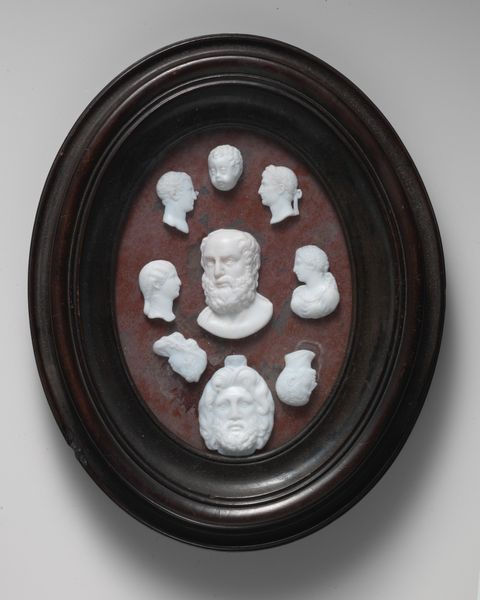
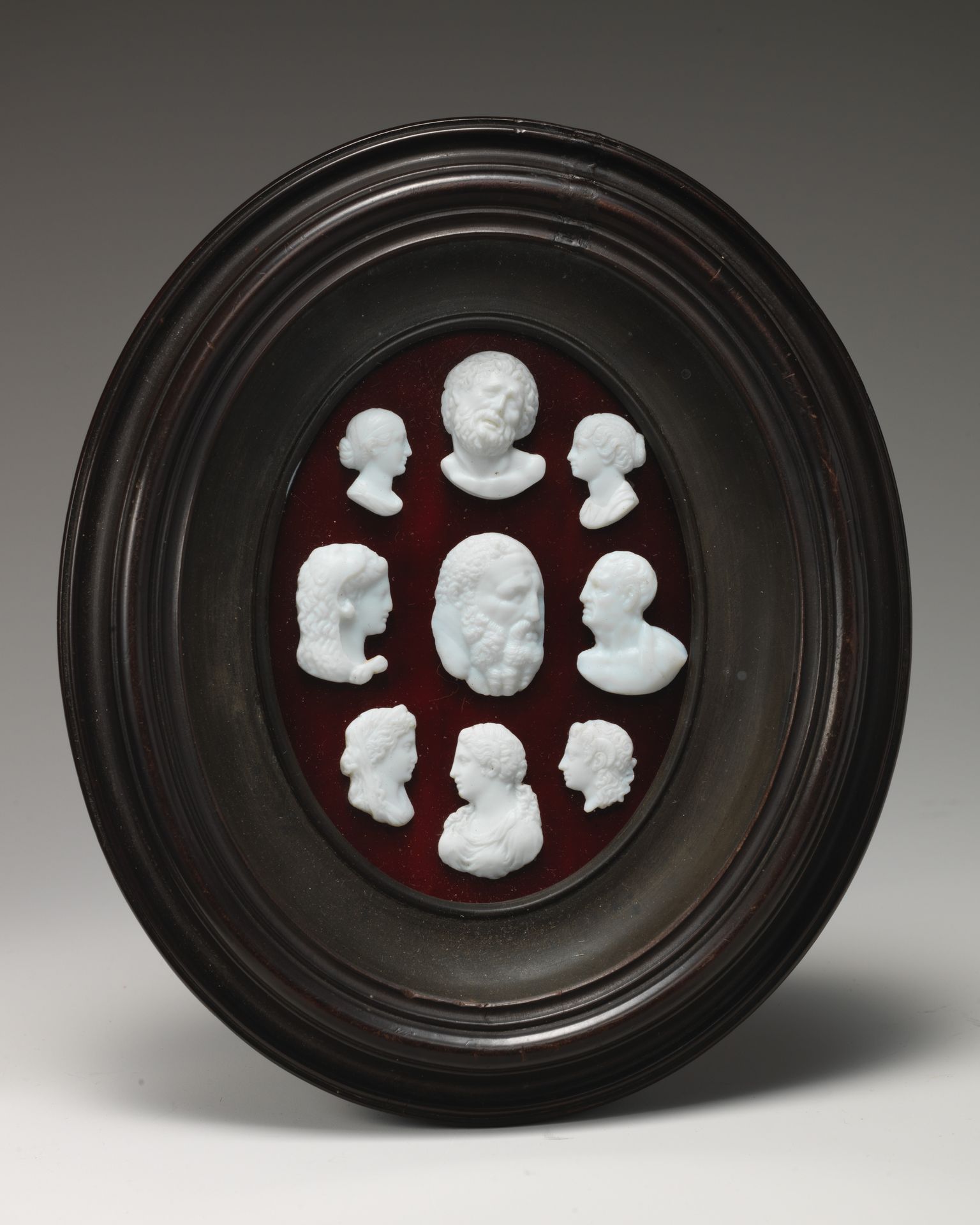
Casts from antique gems (9)


Listen to curator's interpretation
Curatorial notes
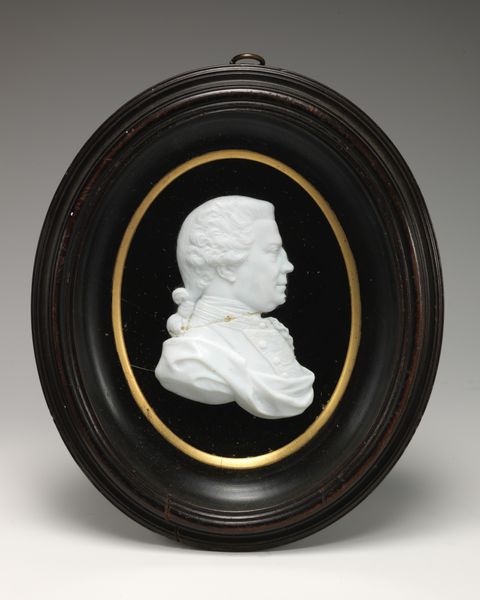
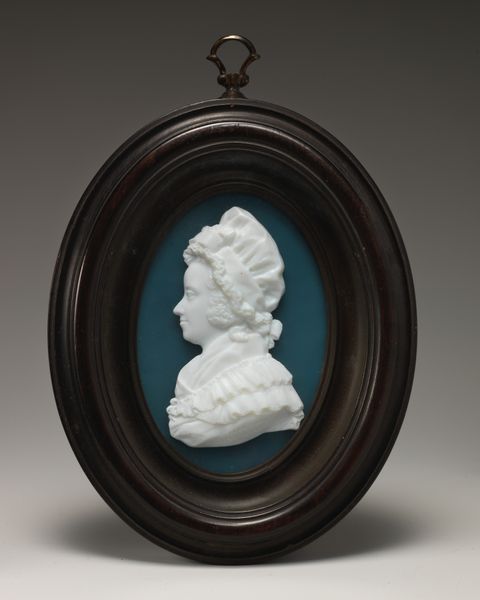
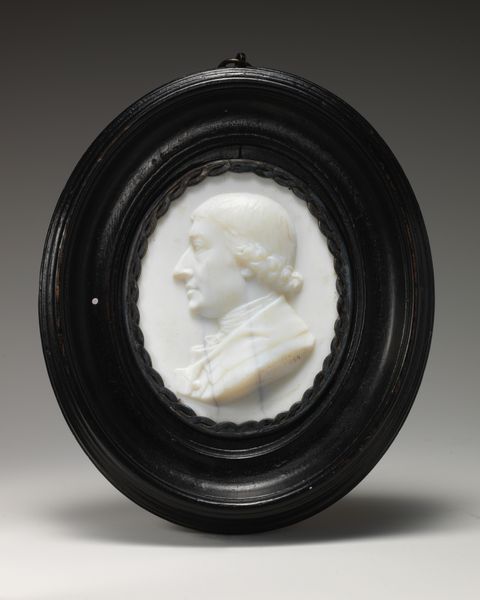
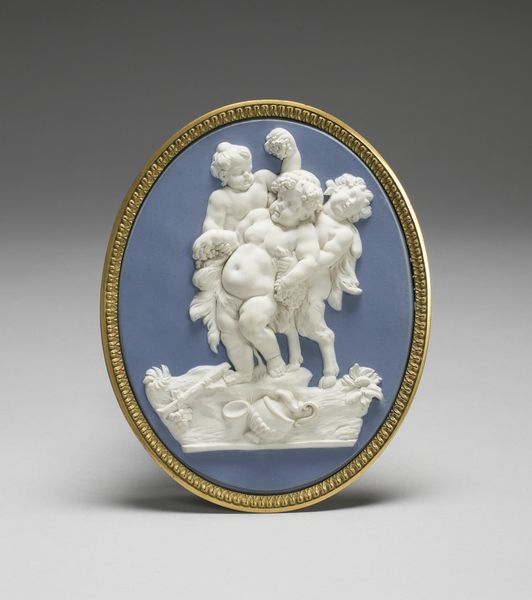
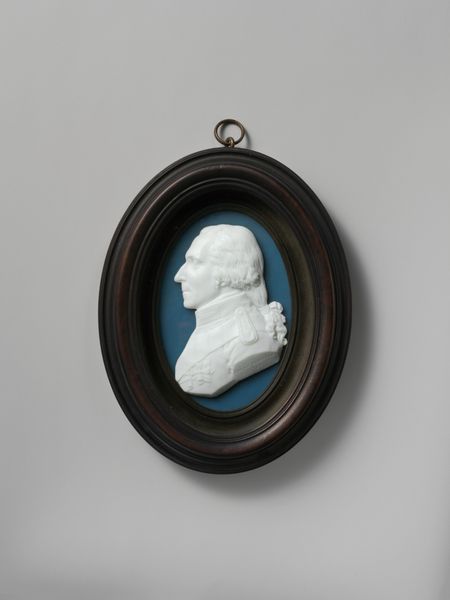
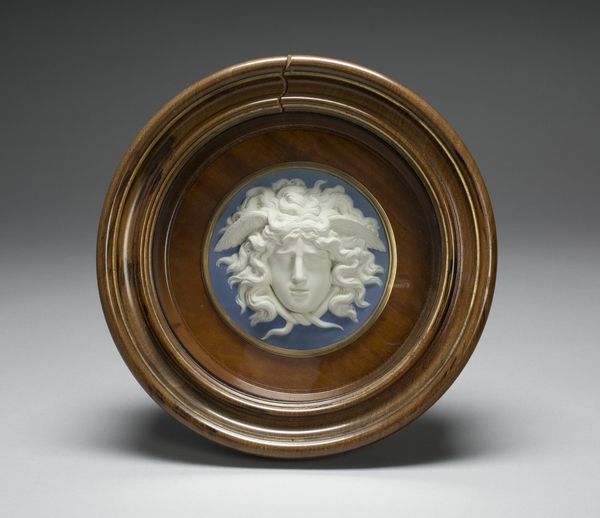
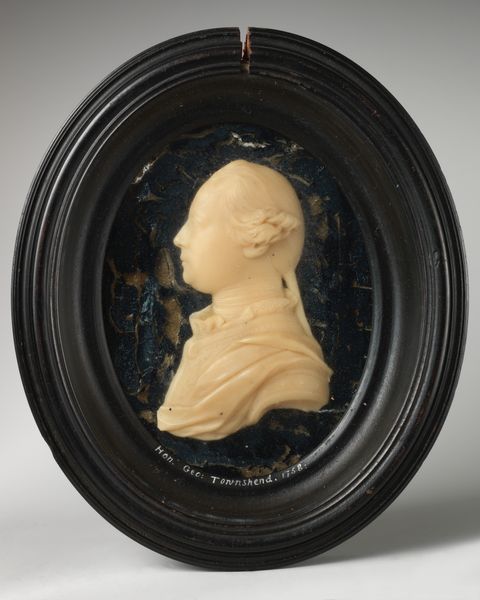
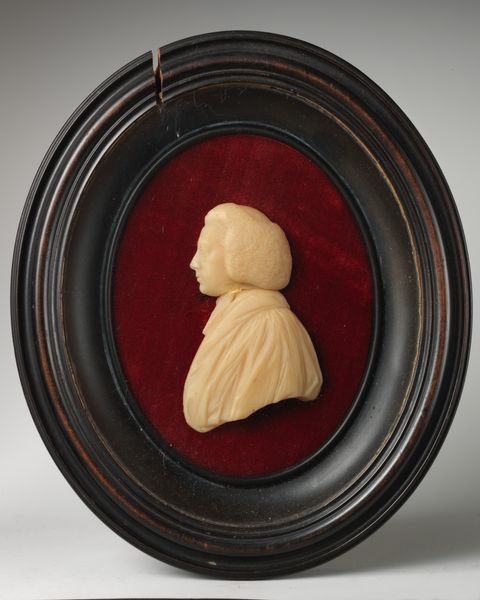
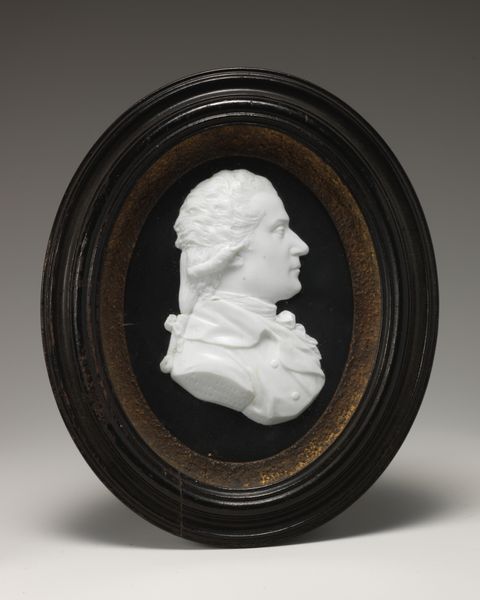
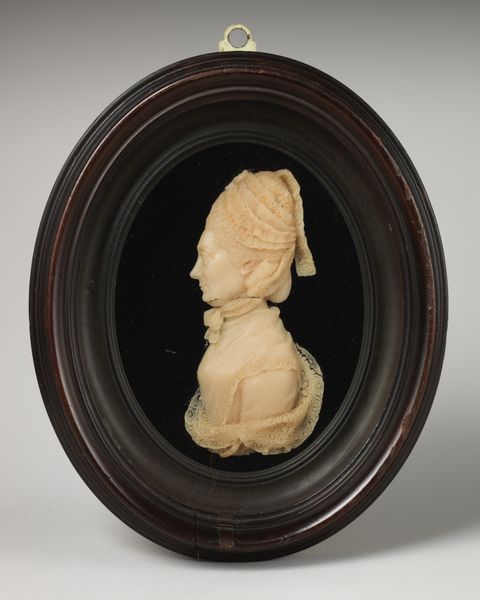
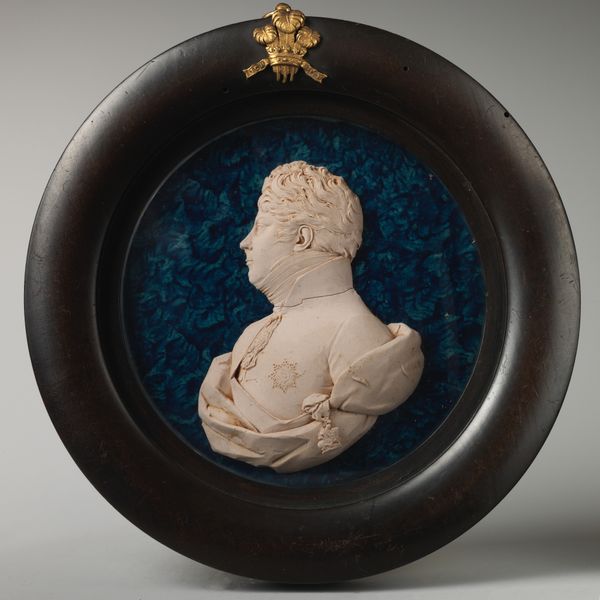
These nine casts of antique gems were made by James Tassie, probably in the late 18th century. He used a vitreous paste, a type of glass, to create these miniature portraits, carefully arranged and framed. Tassie was a master of replication, his work speaks volumes about the era's fascination with classical antiquity, and also its entrepreneurial spirit. Instead of carving each gem by hand, a laborious process reserved for highly skilled lapidaries, he developed a method of casting. This allowed for multiplication, and for a broader audience to access these refined images of ancient rulers and thinkers. The smooth, cool surface of the glass gives the faces a delicate, almost ethereal quality. The dark frame and red background serve to highlight the whiteness of the casts, emphasizing their classical origins. Tassie's innovative process turned ancient art into a commodity, blurring the lines between art, craft, and industry. It reminds us that even the most refined objects have a story to tell about labor, production, and consumption.