About this artwork
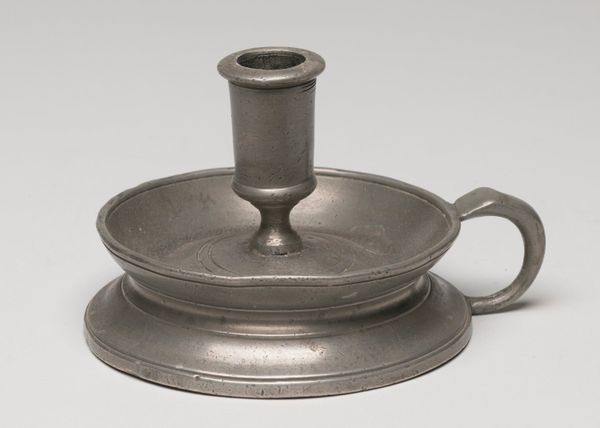
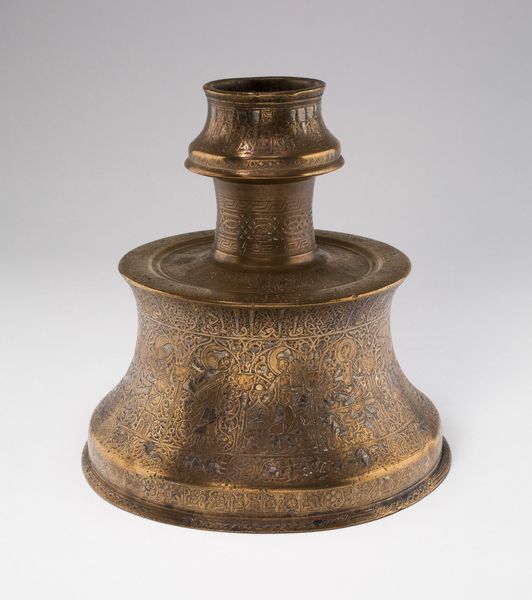
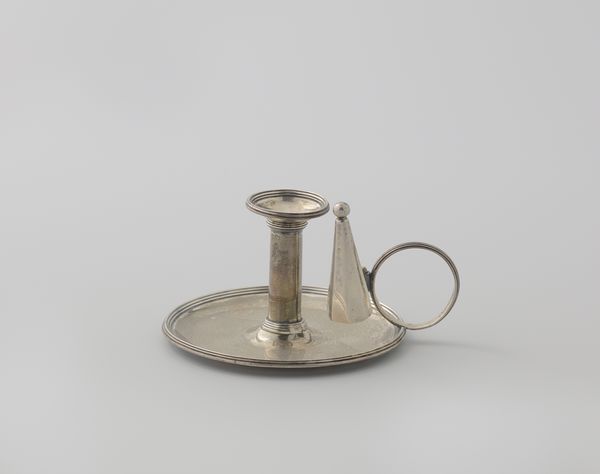
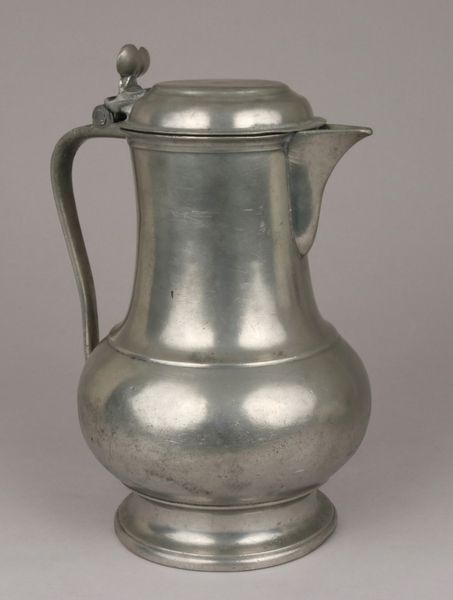
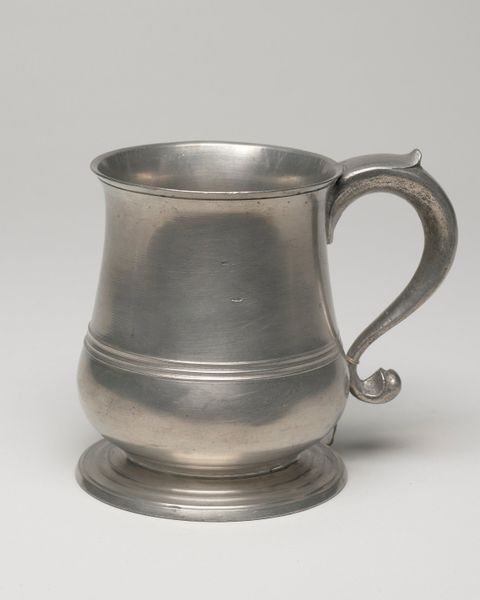
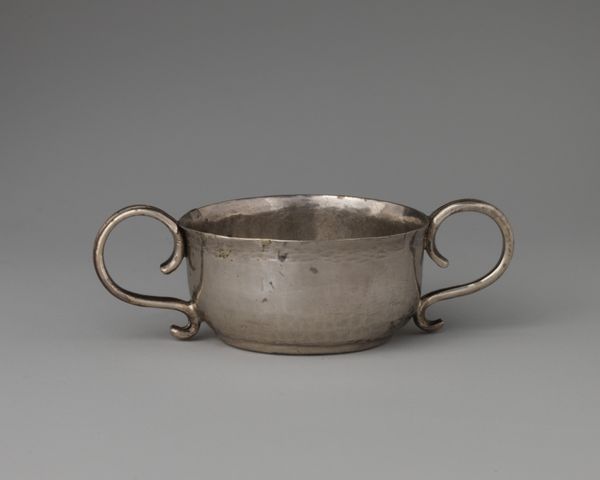
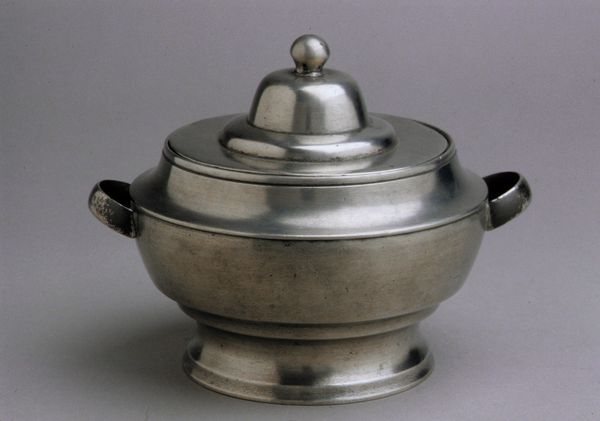
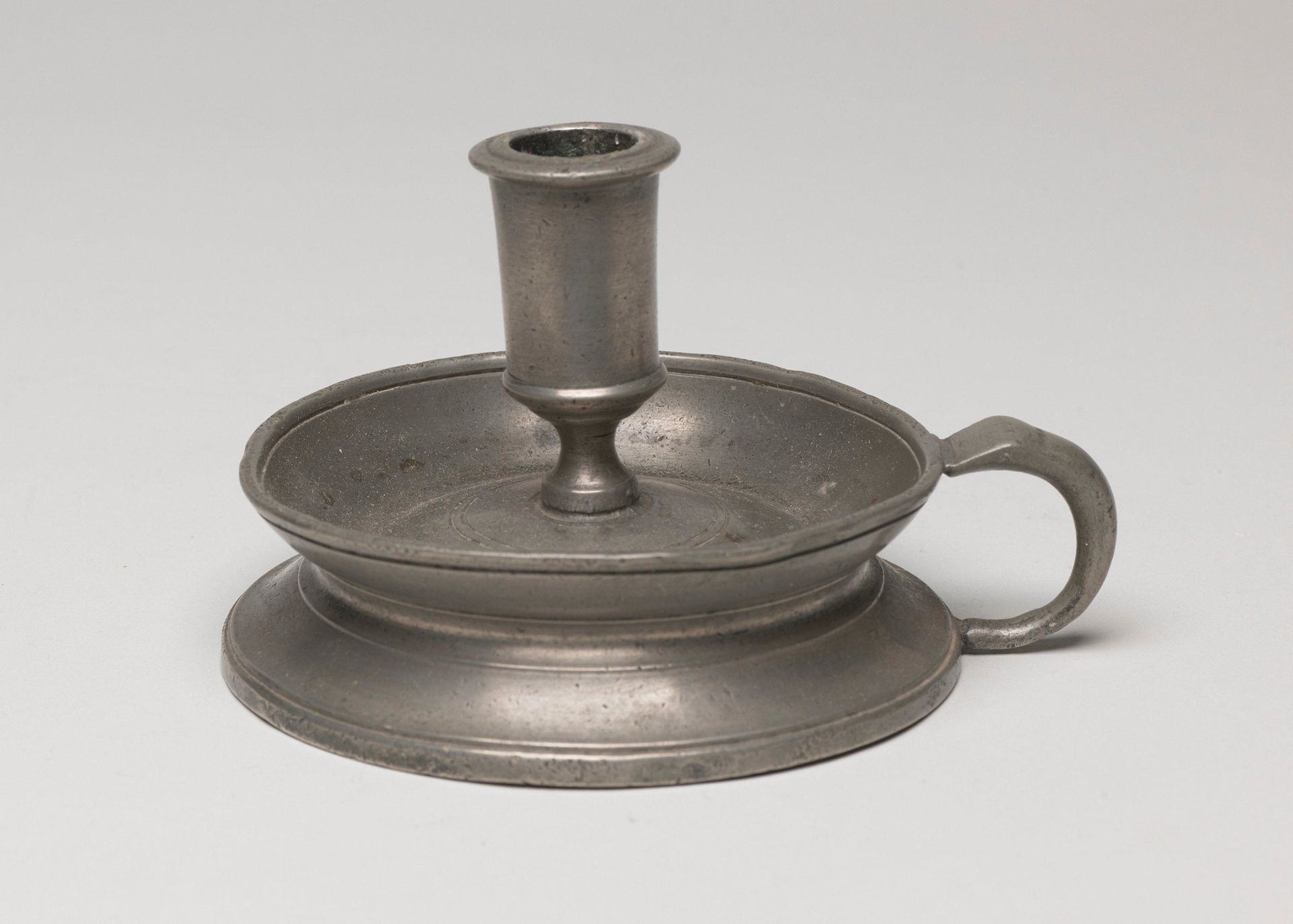
This candlestick of unknown date was made by an anonymous artist with pewter. The candlestick is a humble object, but it speaks volumes about the social history of light and labor. Before the advent of electricity, candlelight was a precious resource, and the design of this object reflects the need to conserve and control that resource. Think about the cultural associations of light and darkness in the period it was made. Light was not just a practical necessity, but a symbol of knowledge, truth, and divine presence. Access to light was also a marker of social status, with the wealthy able to afford more candles and better lighting. The lack of a known maker is also significant. It suggests a context of mass production, where individual craftsmanship was less valued than efficiency and affordability. To understand this piece better, one might look at account books from the period, records of inventories, and household manuals that offer insight into the culture surrounding domestic objects. The art is, ultimately, contingent on its context.
Candlestick
1825 - 1830


Artwork details
- Medium
- metal, ceramic, sculpture
- Dimensions
- 3 1/8 x 5 1/4in. (7.9 x 13.3cm)
- Location
- Minneapolis Institute of Art
- Copyright
- Public Domain
Tags
metal
ceramic
england
sculpture
ceramic
Comments
Be the first to share your thoughts about this work.
About this artwork
This candlestick of unknown date was made by an anonymous artist with pewter. The candlestick is a humble object, but it speaks volumes about the social history of light and labor. Before the advent of electricity, candlelight was a precious resource, and the design of this object reflects the need to conserve and control that resource. Think about the cultural associations of light and darkness in the period it was made. Light was not just a practical necessity, but a symbol of knowledge, truth, and divine presence. Access to light was also a marker of social status, with the wealthy able to afford more candles and better lighting. The lack of a known maker is also significant. It suggests a context of mass production, where individual craftsmanship was less valued than efficiency and affordability. To understand this piece better, one might look at account books from the period, records of inventories, and household manuals that offer insight into the culture surrounding domestic objects. The art is, ultimately, contingent on its context.
Comments
Be the first to share your thoughts about this work.