About this artwork
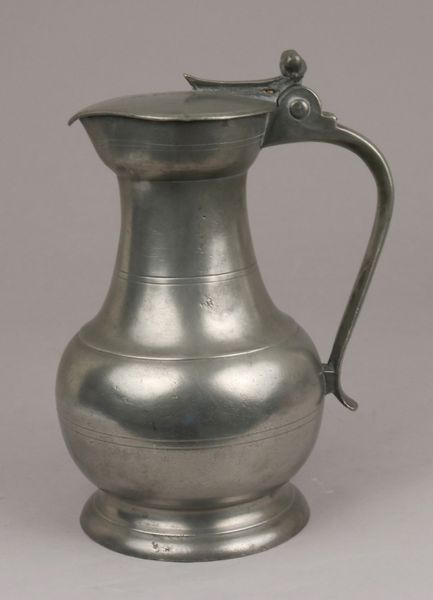
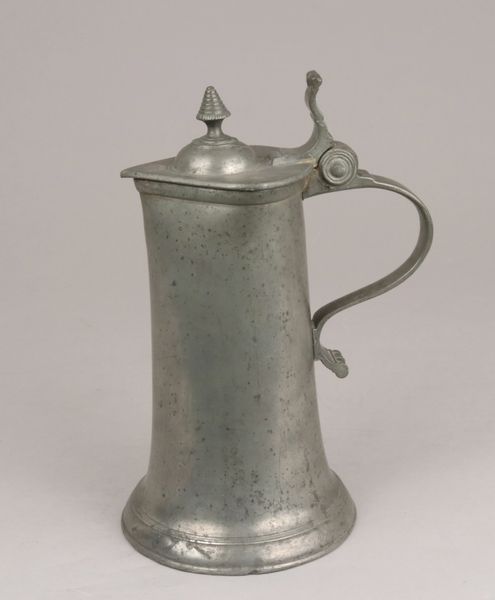
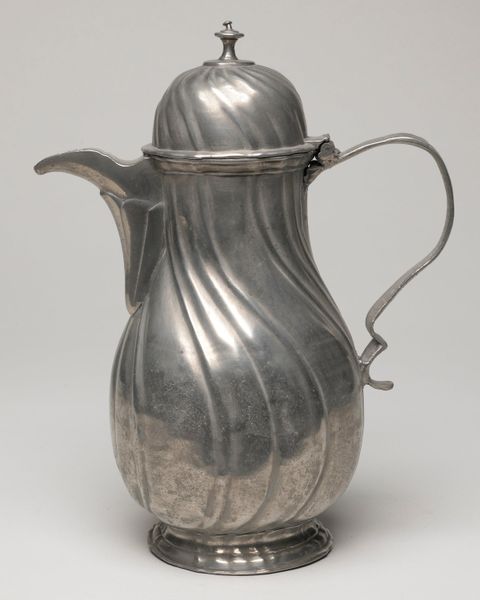
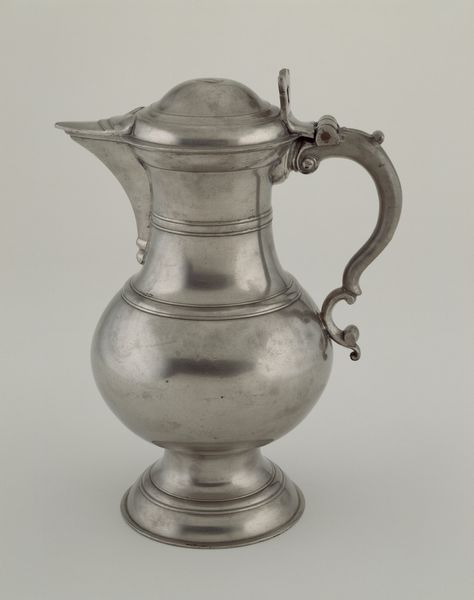
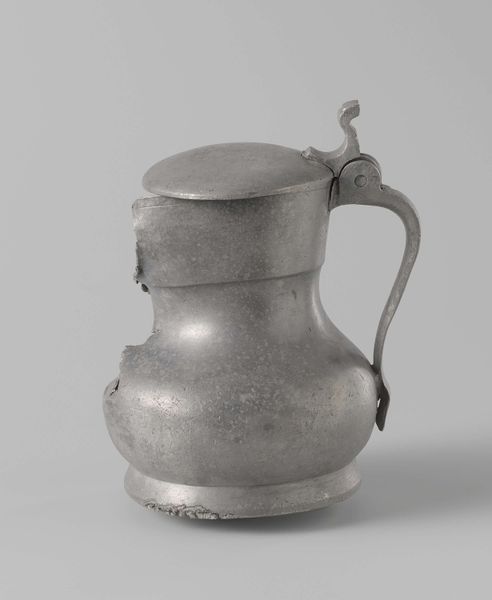
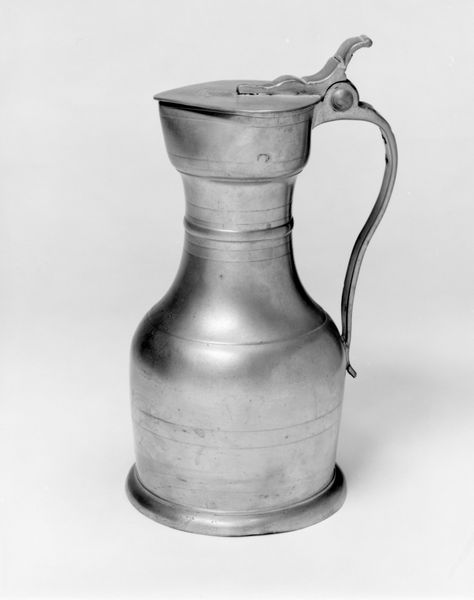
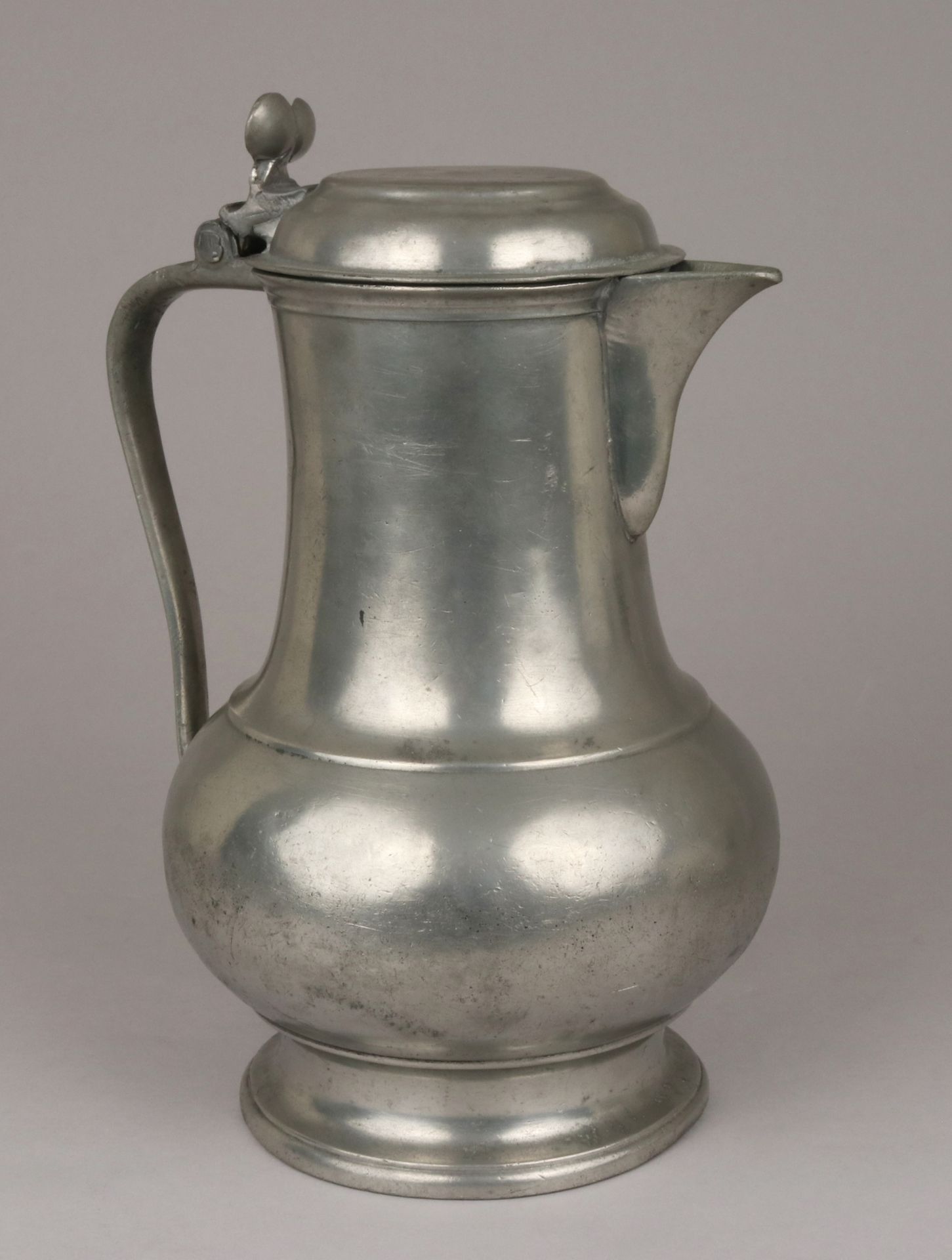
This Flagon was made by Jacobus-Mattheus Vandaele in the 18th or early 19th century, crafted entirely from pewter. Pewter is an alloy, mostly tin with a bit of other metals added for strength and workability. Its soft, matte sheen is quite different from silver. The flagon's form is also indicative of its making. The body was likely cast in multiple parts and then seamed together. This was a common approach for pewter vessels. Take a look at the handle, spout, and lid, all separately cast and attached. This was typical of the era, where specialization of labor enabled efficient production. While pewter was more accessible than silver, it still conveyed a sense of quality and refinement. So, considering the material and methods, we can understand this flagon as an object that bridges the artisanal and the industrial, reflecting the changing landscape of production during its time.
Flagon
18th century

Jacobus-Mattheus Vandaele
1735 - 1835
The Metropolitan Museum of Art
Metropolitan Museum of Art, New York, NYArtwork details
- Medium
- metal, ceramic, sculpture
- Dimensions
- 9 5/8 × 5 in. (24.4 × 12.7 cm)
- Location
- Metropolitan Museum of Art, New York, NY
- Copyright
- Public Domain
Tags
Comments
Share your thoughts
About this artwork
This Flagon was made by Jacobus-Mattheus Vandaele in the 18th or early 19th century, crafted entirely from pewter. Pewter is an alloy, mostly tin with a bit of other metals added for strength and workability. Its soft, matte sheen is quite different from silver. The flagon's form is also indicative of its making. The body was likely cast in multiple parts and then seamed together. This was a common approach for pewter vessels. Take a look at the handle, spout, and lid, all separately cast and attached. This was typical of the era, where specialization of labor enabled efficient production. While pewter was more accessible than silver, it still conveyed a sense of quality and refinement. So, considering the material and methods, we can understand this flagon as an object that bridges the artisanal and the industrial, reflecting the changing landscape of production during its time.
Comments
Share your thoughts