About this artwork
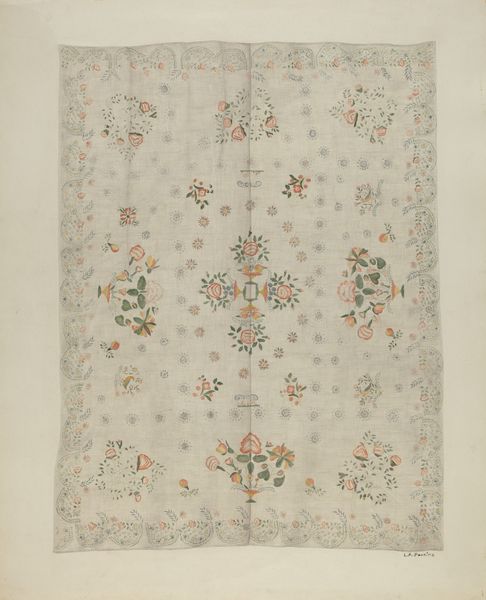
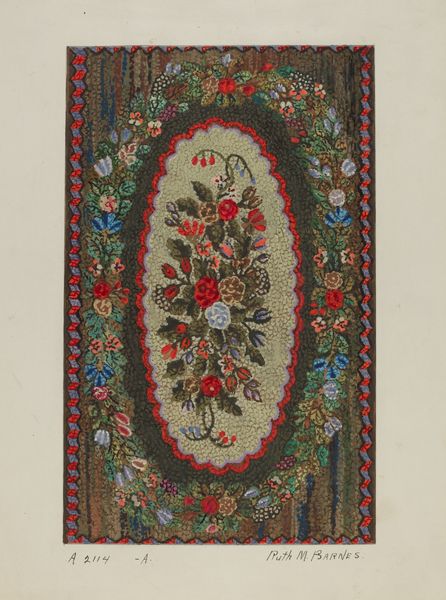
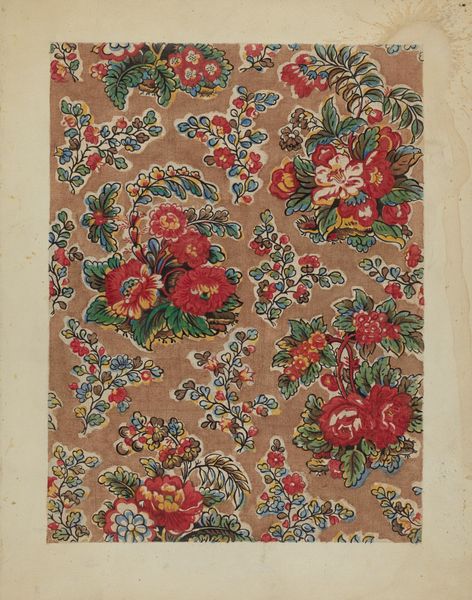
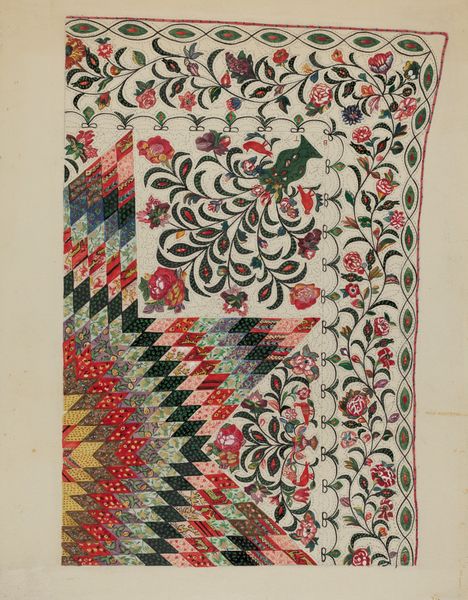
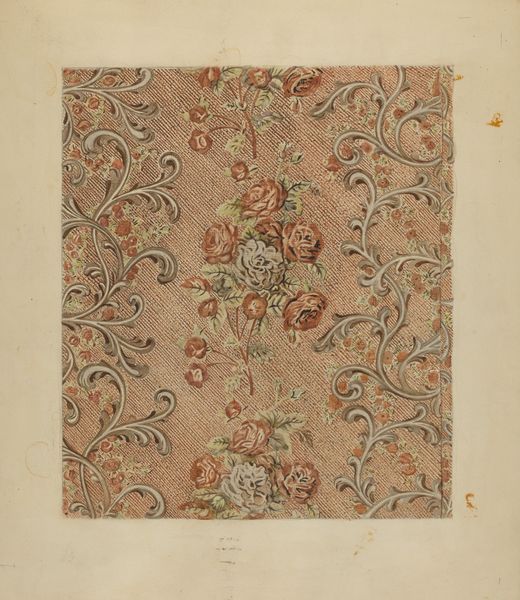
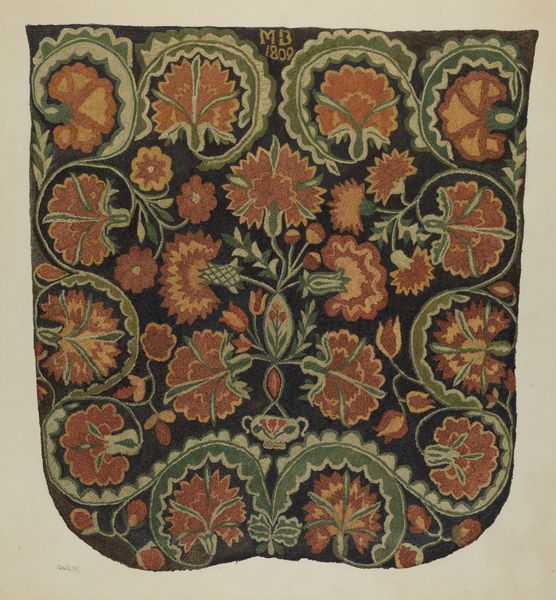
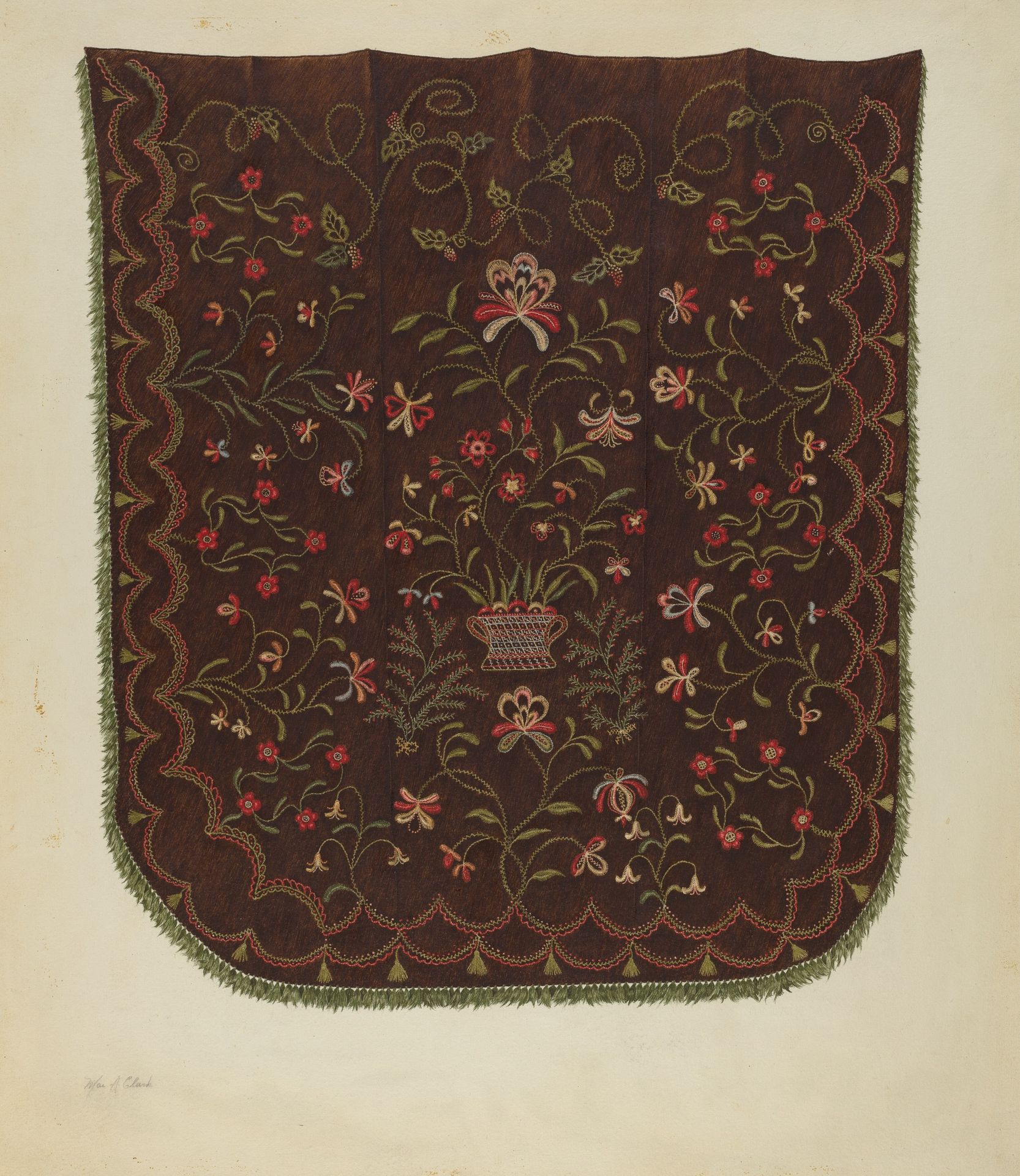
Mae A. Clarke made this coverlet, of undated origin, with thread and textile. The piece embodies the convergence of artistic expression and social history. We see a handcrafted object, likely created within a domestic setting. How can we consider this coverlet as a response to its time? What historical forces shaped its creation? The United States, during Clarke’s lifetime, saw rapid industrialization, immigration and urbanization, but also the Arts and Crafts movement, a reaction to industrial production. This movement celebrated handcrafted objects and placed value on individual artistry, and can be seen in the coverlet, which is in sharp contrast to mass-produced goods. This piece can be read as a statement about the value of handmade goods in an increasingly industrialized society. The floral imagery is a common motif in domestic crafts, but it also speaks to a broader cultural interest in nature. To fully understand this coverlet, we might delve into archives, historical records, and studies of decorative arts. By doing so, we can gain a deeper insight into the coverlet's significance and the world in which it was made.


Artwork details
- Medium
- drawing, fibre-art, weaving, textile
- Dimensions
- overall: 54.3 x 46.7 cm (21 3/8 x 18 3/8 in.) Original IAD Object: 90" wide; 97 1/2" long
- Copyright
- National Gallery of Art: CC0 1.0
Tags
Comments
Share your thoughts
About this artwork
Mae A. Clarke made this coverlet, of undated origin, with thread and textile. The piece embodies the convergence of artistic expression and social history. We see a handcrafted object, likely created within a domestic setting. How can we consider this coverlet as a response to its time? What historical forces shaped its creation? The United States, during Clarke’s lifetime, saw rapid industrialization, immigration and urbanization, but also the Arts and Crafts movement, a reaction to industrial production. This movement celebrated handcrafted objects and placed value on individual artistry, and can be seen in the coverlet, which is in sharp contrast to mass-produced goods. This piece can be read as a statement about the value of handmade goods in an increasingly industrialized society. The floral imagery is a common motif in domestic crafts, but it also speaks to a broader cultural interest in nature. To fully understand this coverlet, we might delve into archives, historical records, and studies of decorative arts. By doing so, we can gain a deeper insight into the coverlet's significance and the world in which it was made.
Comments
Share your thoughts