About this artwork
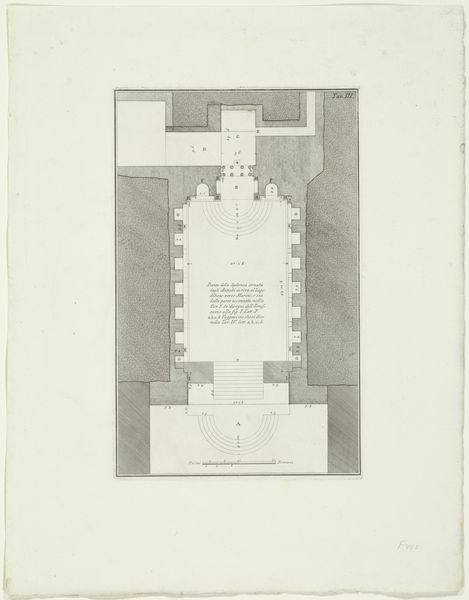
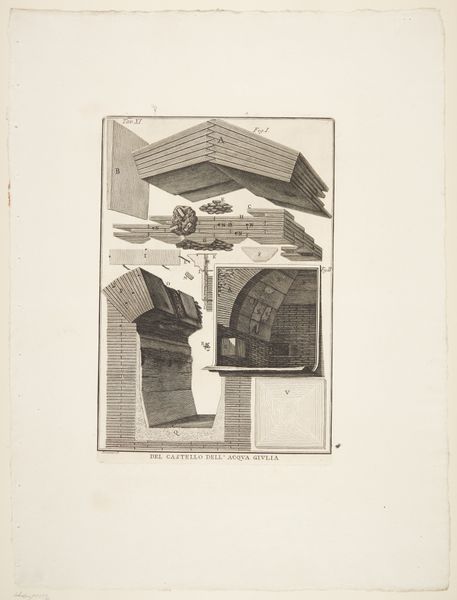
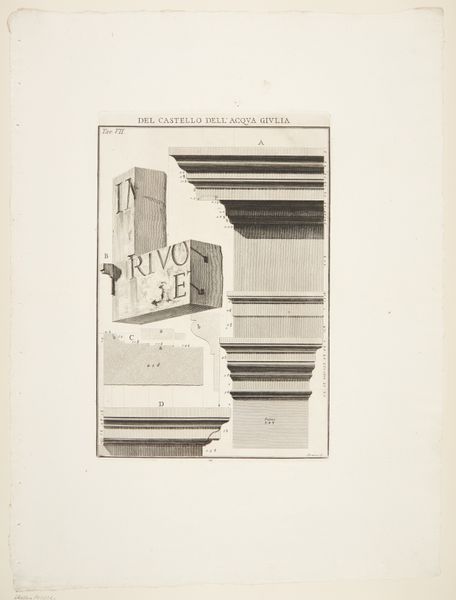
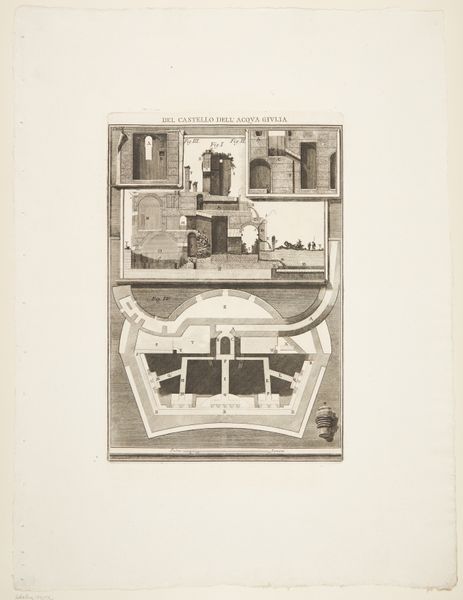
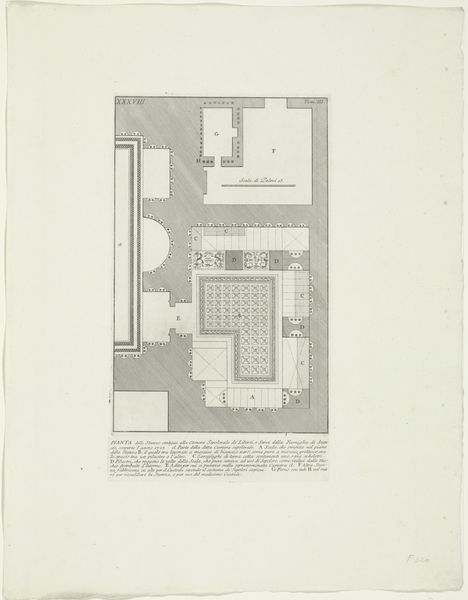
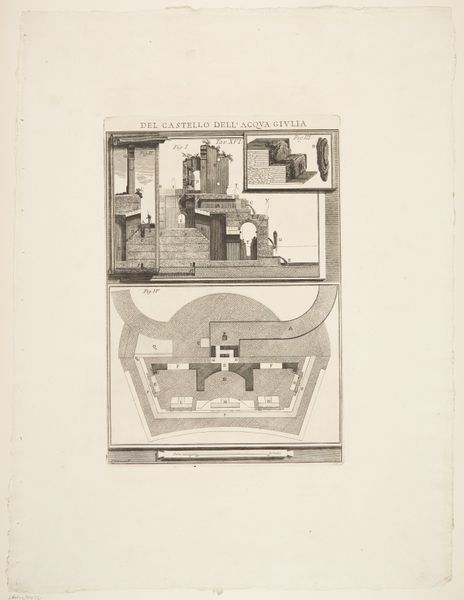
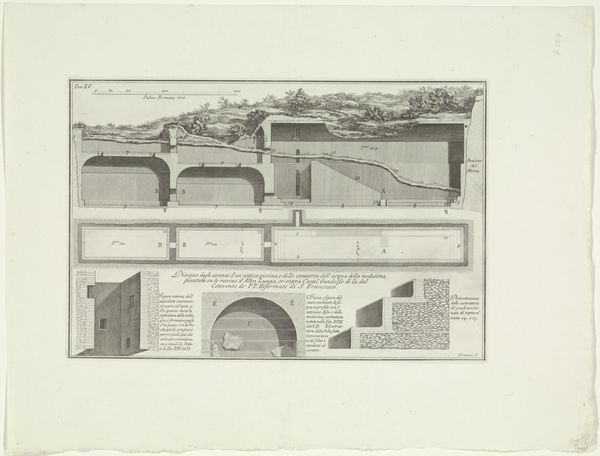
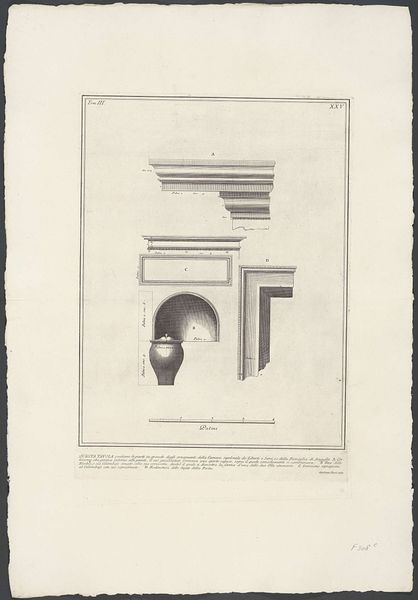
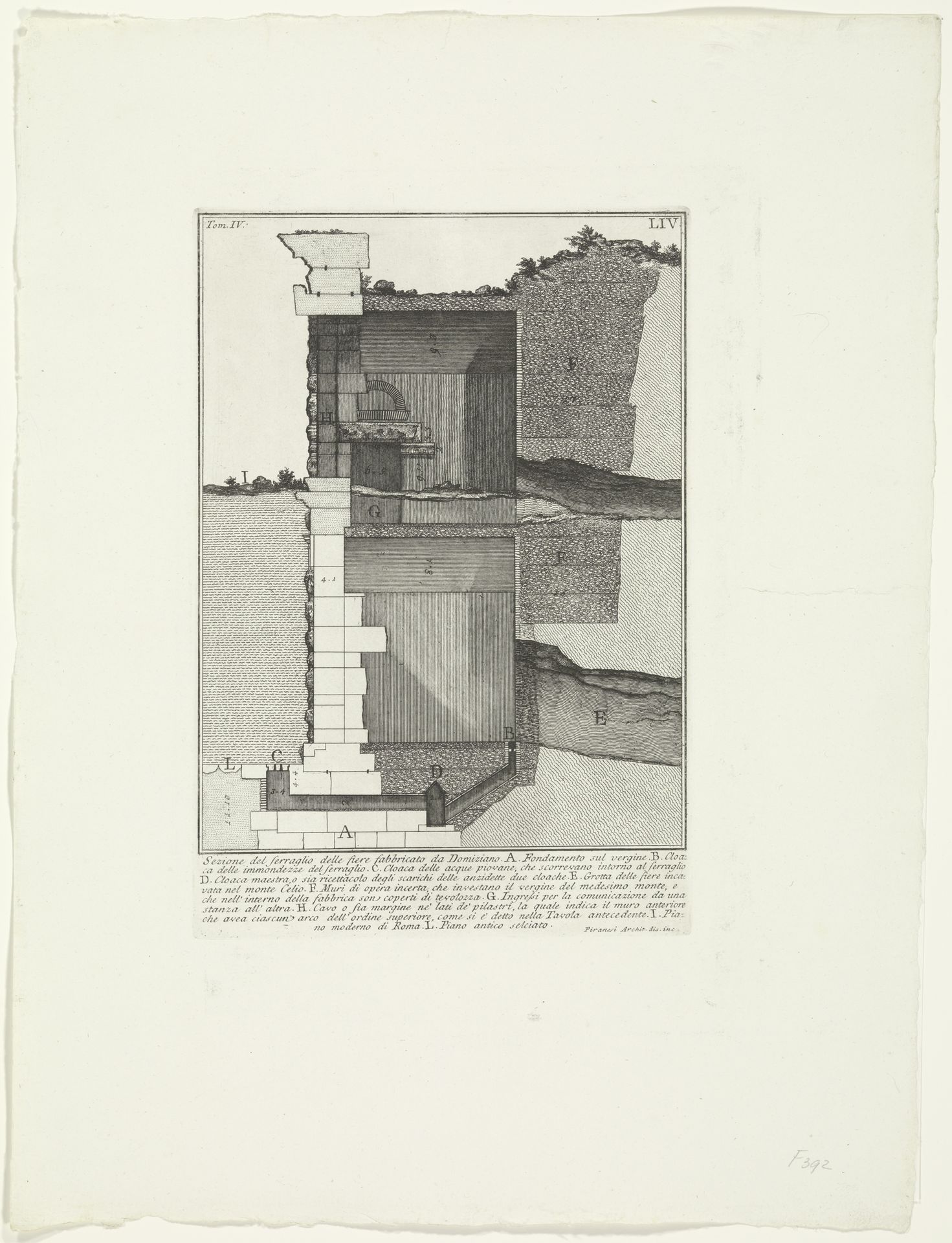
Giovanni Battista Piranesi created this print, "Restanten van de Curia Hostilia te Rome," using etching techniques. It's a process of using acid to cut into a metal plate, inking it, and then transferring the image onto paper. Look at how the fine lines define the architectural details, giving a sense of depth and texture to the ruins. Piranesi was fascinated by the grandeur of ancient Rome and the passage of time. The print shows the remnants of the Curia Hostilia, an ancient Roman senate house, as it appeared in his time. What interests me the most, is that the print is not only a record of physical remains. It reflects themes of decay, memory, and the layers of history embedded within the city. Piranesi's work was part of a broader cultural interest in archaeology and antiquity. Through his skillful use of etching, he invites viewers to contemplate the relationship between past and present, and the enduring legacy of Roman civilization. This reminds us that prints can be understood, not only as documentation, but as a form of cultural commentary.
Restanten van de Curia Hostilia te Rome
c. 1756 - 1757

Giovanni Battista Piranesi
1720 - 1778Location
RijksmuseumArtwork details
- Medium
- print, etching, architecture
- Dimensions
- height 341 mm, width 234 mm
- Location
- Rijksmuseum
- Copyright
- Rijks Museum: Open Domain
Tags
etching
etching
history-painting
italian-renaissance
architecture
Comments
Be the first to share your thoughts about this work.
About this artwork
Giovanni Battista Piranesi created this print, "Restanten van de Curia Hostilia te Rome," using etching techniques. It's a process of using acid to cut into a metal plate, inking it, and then transferring the image onto paper. Look at how the fine lines define the architectural details, giving a sense of depth and texture to the ruins. Piranesi was fascinated by the grandeur of ancient Rome and the passage of time. The print shows the remnants of the Curia Hostilia, an ancient Roman senate house, as it appeared in his time. What interests me the most, is that the print is not only a record of physical remains. It reflects themes of decay, memory, and the layers of history embedded within the city. Piranesi's work was part of a broader cultural interest in archaeology and antiquity. Through his skillful use of etching, he invites viewers to contemplate the relationship between past and present, and the enduring legacy of Roman civilization. This reminds us that prints can be understood, not only as documentation, but as a form of cultural commentary.
Comments
Be the first to share your thoughts about this work.