About this artwork
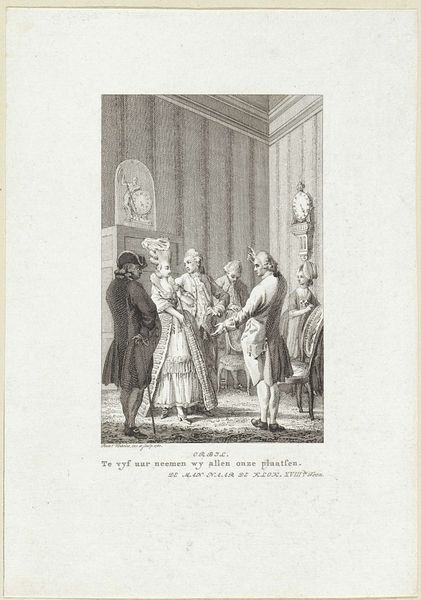
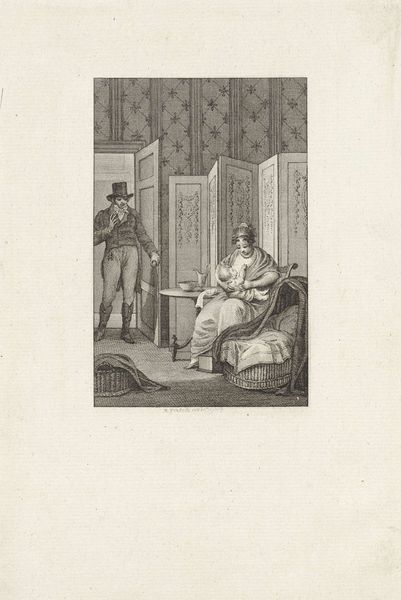
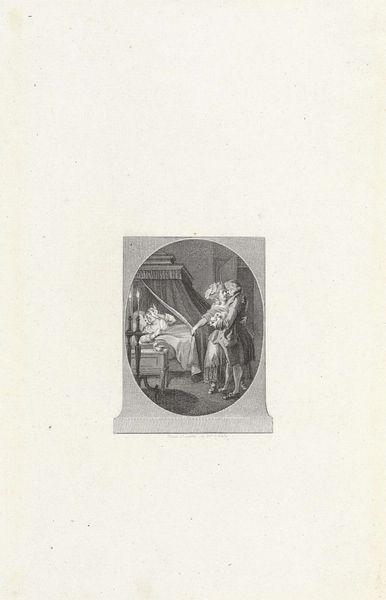
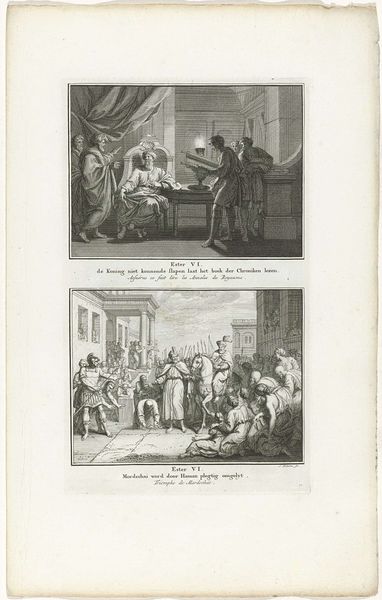
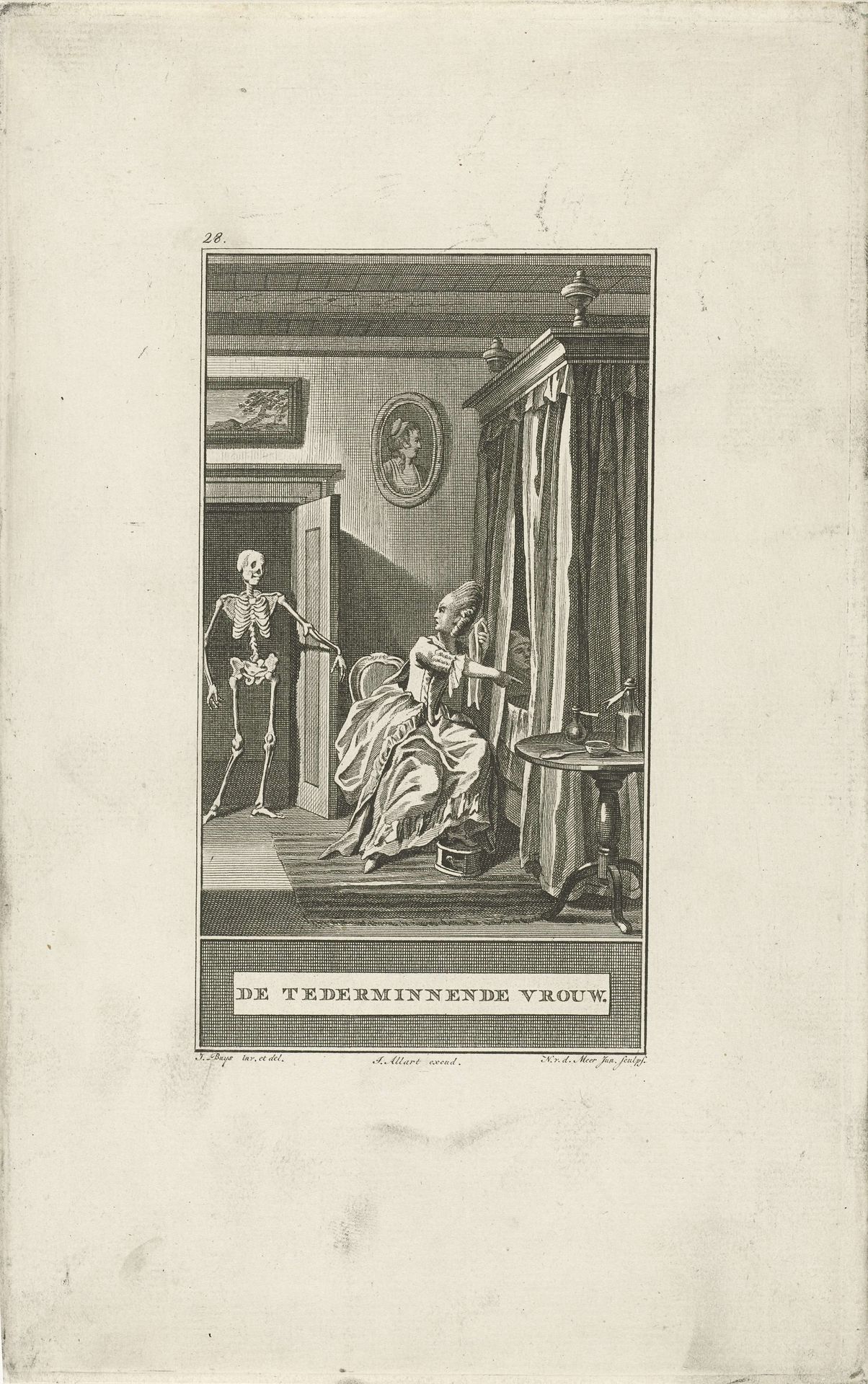
This print by Noach van der Meer II presents us with a stark scene. We see a well-dressed woman in a domestic interior being approached by Death, personified as a skeleton. It’s a classic memento mori image, reminding us of life's fleeting nature. The print is titled 'Loving Woman and Death,' but what does it mean to be loving in the face of death? The woman, with her elaborate dress and surroundings, seems to represent the comforts and vanities of life. Death's arrival is an interruption, a stark reminder of mortality. The image invites us to reflect on societal values around life, death, and love. How do we reconcile our attachments to material comforts with the inevitability of death? How do gendered expectations of women intersect with the image of death as a disruption? This print offers no easy answers, but it prompts us to consider these questions within the context of 18th-century Dutch culture and our own lives.
Liefhebbende vrouw en de Dood 1778 - 1785

Noach van der (II) Meer
1741 - 1822Location
RijksmuseumArtwork details
- Dimensions
- height 244 mm, width 151 mm
- Location
- Rijksmuseum
- Copyright
- Rijks Museum: Open Domain
Comments
No comments
About this artwork
This print by Noach van der Meer II presents us with a stark scene. We see a well-dressed woman in a domestic interior being approached by Death, personified as a skeleton. It’s a classic memento mori image, reminding us of life's fleeting nature. The print is titled 'Loving Woman and Death,' but what does it mean to be loving in the face of death? The woman, with her elaborate dress and surroundings, seems to represent the comforts and vanities of life. Death's arrival is an interruption, a stark reminder of mortality. The image invites us to reflect on societal values around life, death, and love. How do we reconcile our attachments to material comforts with the inevitability of death? How do gendered expectations of women intersect with the image of death as a disruption? This print offers no easy answers, but it prompts us to consider these questions within the context of 18th-century Dutch culture and our own lives.
Comments
No comments