1860 - 1905
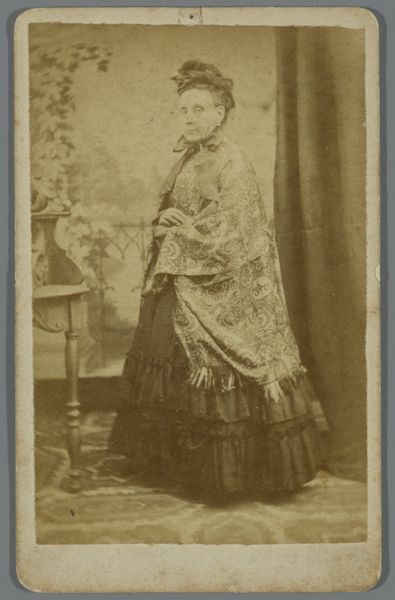
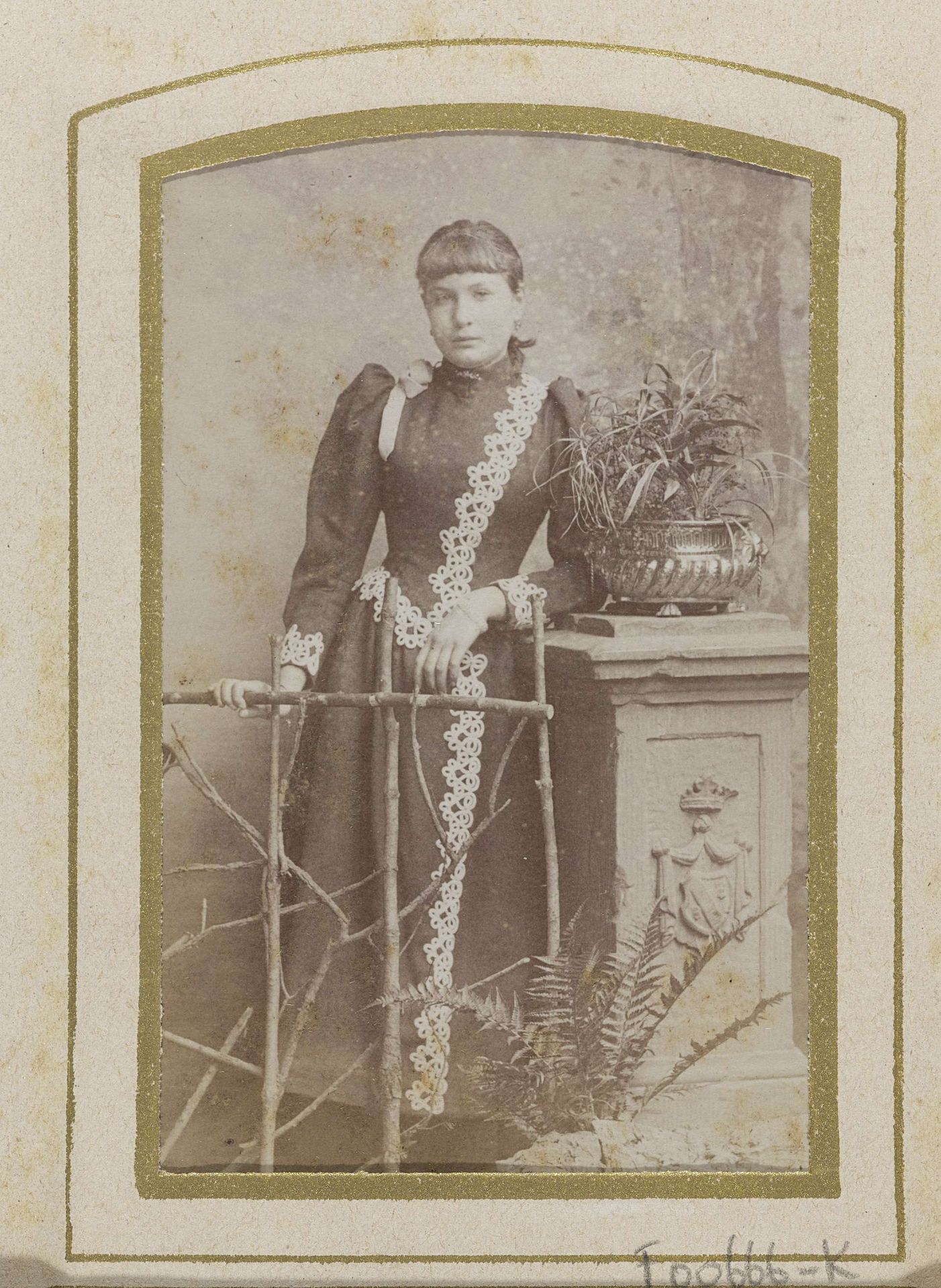
Portret van een staande vrouw bij een hek en een sokkel

Listen to curator's interpretation
Curatorial notes
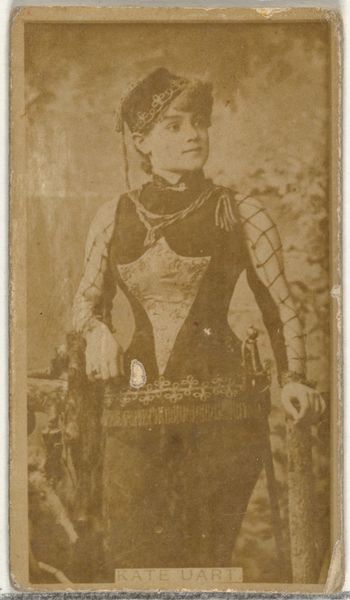
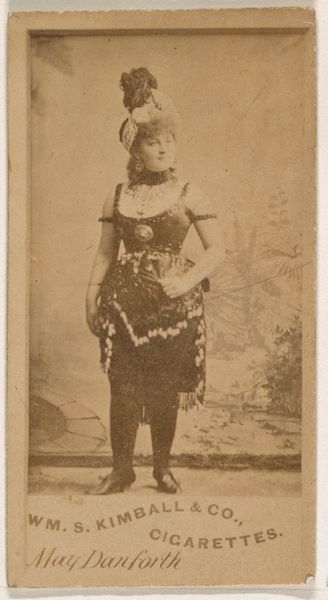
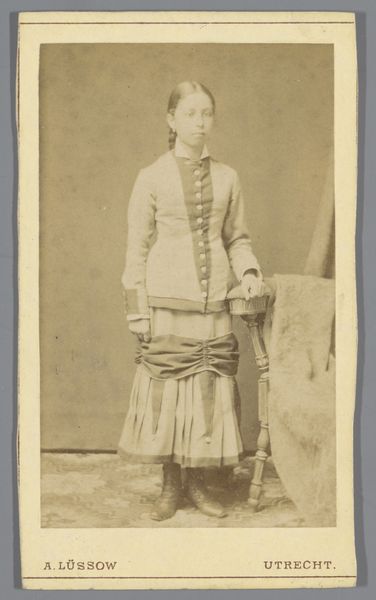
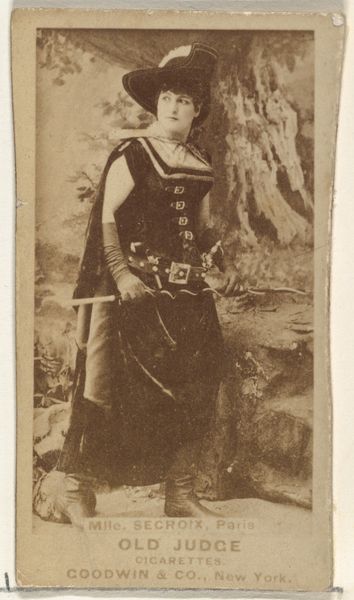
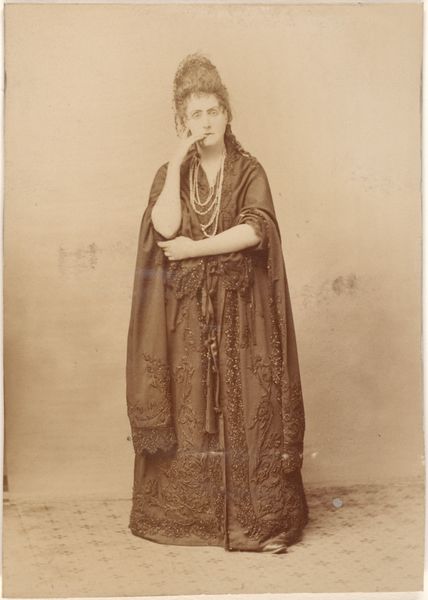
This photographic portrait was made by Jan Goedeljee, sometime in the late 19th century. It’s a small albumen print – a process that involves coating paper with egg white and silver nitrate to create a light-sensitive surface. The result is a soft, sepia-toned image, almost painterly in its effect. But unlike painting, photography opened up portraiture to a wider clientele. This woman, dressed in her lace-trimmed best, would likely not have had the means to commission a painted portrait. Here, she stands stiffly beside a rustic fence, her expression unreadable. The very act of photography had social significance, as well. New photographic studios sprung up in response to demand, and a new profession was born. Goedeljee, like other photographers, was an entrepreneur, catering to the aspirations of a rising middle class. It reminds us that even the most seemingly straightforward image is the result of material processes, cultural expectations, and economic forces.