About this artwork
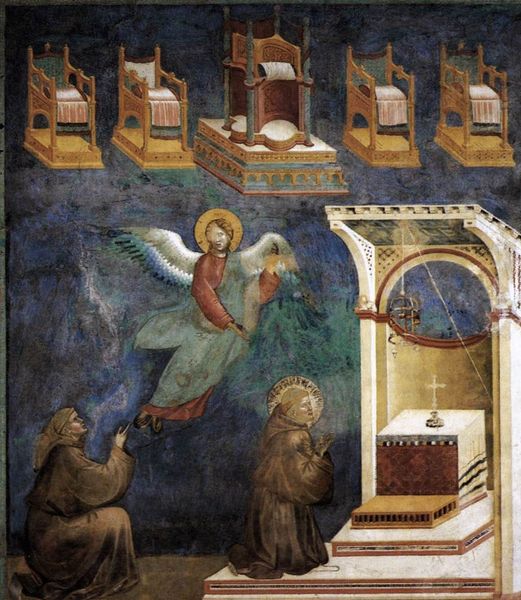
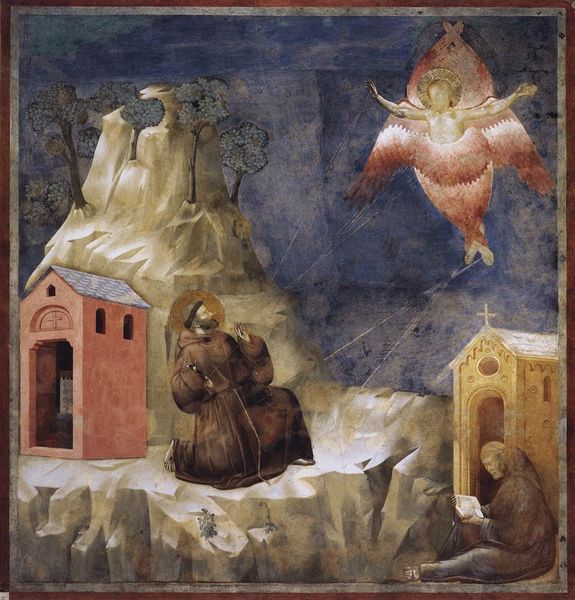
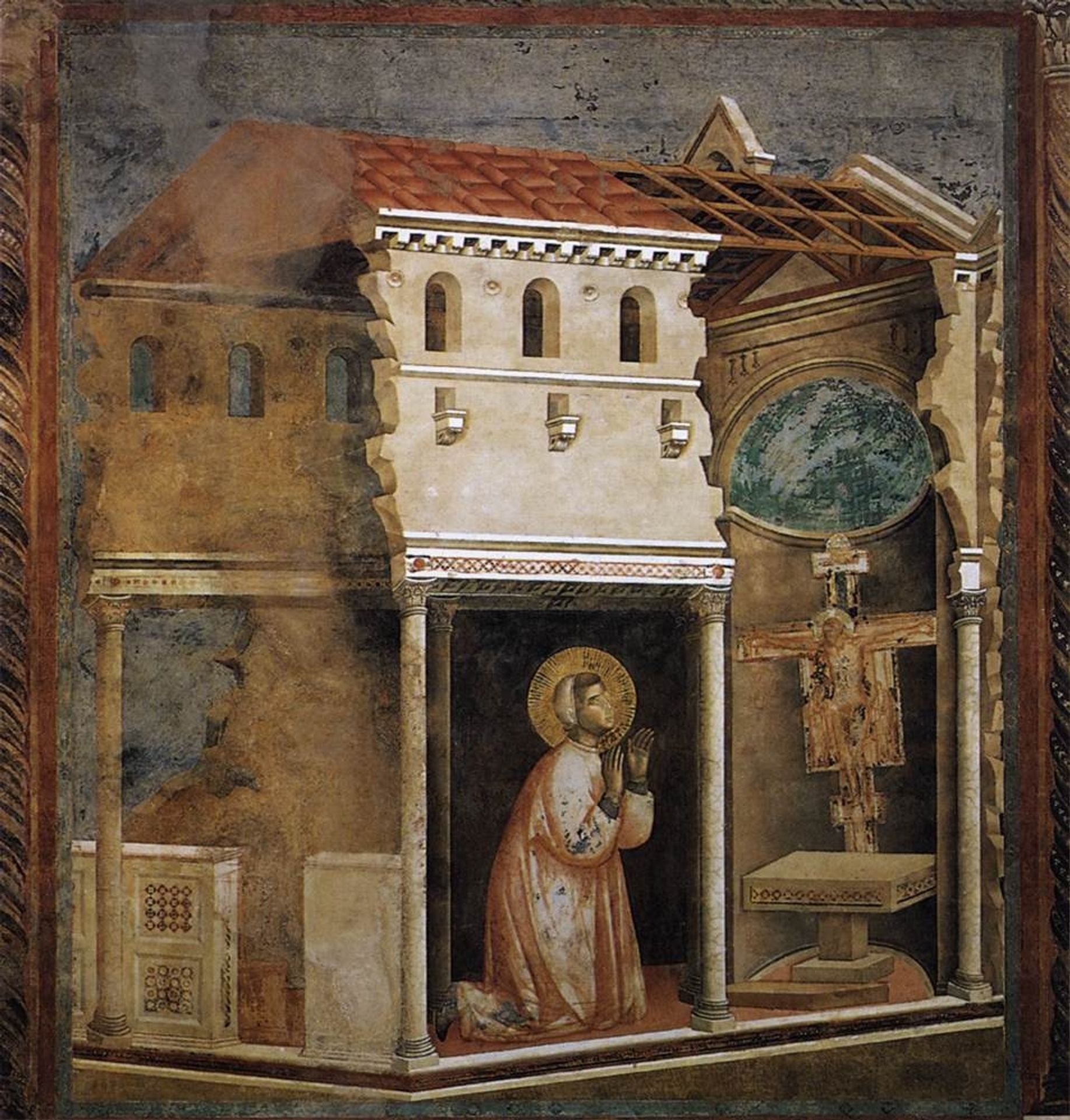
Giotto painted 'Miracle of the Crucifix' as a fresco in the Basilica of Saint Francis of Assisi, sometime in the late 13th or early 14th century. This work captures a pivotal moment in the life of St. Francis, set against the backdrop of a highly architectural space, framing his encounter with the divine. In the painting, St. Francis kneels in what we understand as a very human, vulnerable position. He is neither elevated nor glorified in a traditional sense. Giotto uses the fresco to address the intersection of the spiritual and the material. The miracle, the crucifix, is a testament to faith, but it’s also a reflection of the historical and cultural context in which the painting was made. This was a period of intense religious fervor and social change. Through this scene, we can observe the communal yearning for spiritual meaning and personal connection to faith. The fresco invites us to consider the emotional and personal dimensions of belief.
Miracle of the Crucifix
1299

Giotto
1266 - 1337Location
Basilica of Saint Francis of Assisi, Assisi, ItalyArtwork details
- Medium
- painting, fresco
- Dimensions
- 270 x 230 cm
- Location
- Basilica of Saint Francis of Assisi, Assisi, Italy
- Copyright
- Public domain
Tags
Comments
Share your thoughts
About this artwork
Giotto painted 'Miracle of the Crucifix' as a fresco in the Basilica of Saint Francis of Assisi, sometime in the late 13th or early 14th century. This work captures a pivotal moment in the life of St. Francis, set against the backdrop of a highly architectural space, framing his encounter with the divine. In the painting, St. Francis kneels in what we understand as a very human, vulnerable position. He is neither elevated nor glorified in a traditional sense. Giotto uses the fresco to address the intersection of the spiritual and the material. The miracle, the crucifix, is a testament to faith, but it’s also a reflection of the historical and cultural context in which the painting was made. This was a period of intense religious fervor and social change. Through this scene, we can observe the communal yearning for spiritual meaning and personal connection to faith. The fresco invites us to consider the emotional and personal dimensions of belief.
Comments
Share your thoughts