About this artwork
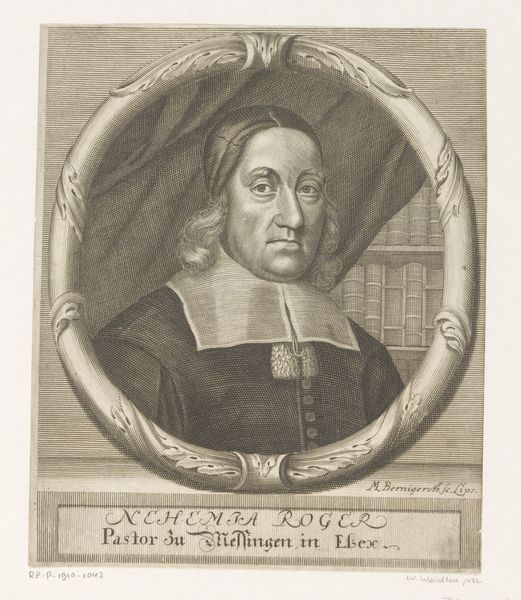
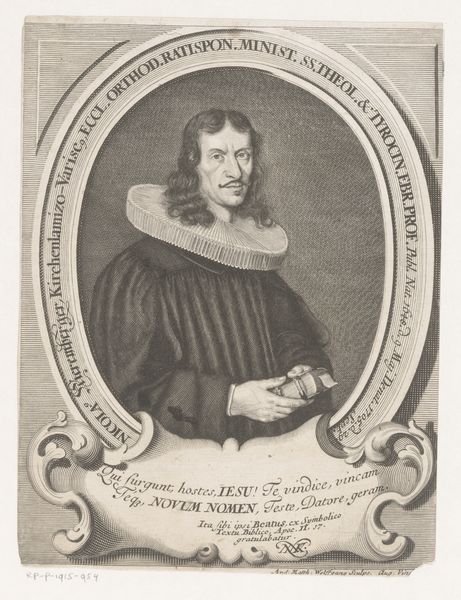
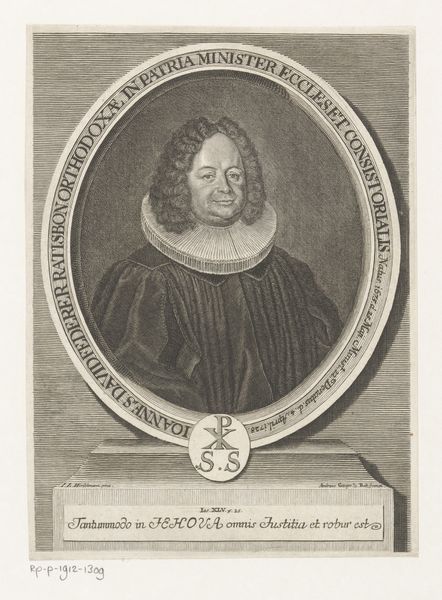
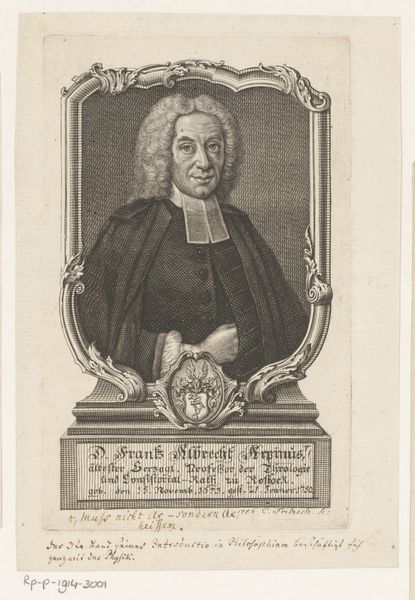
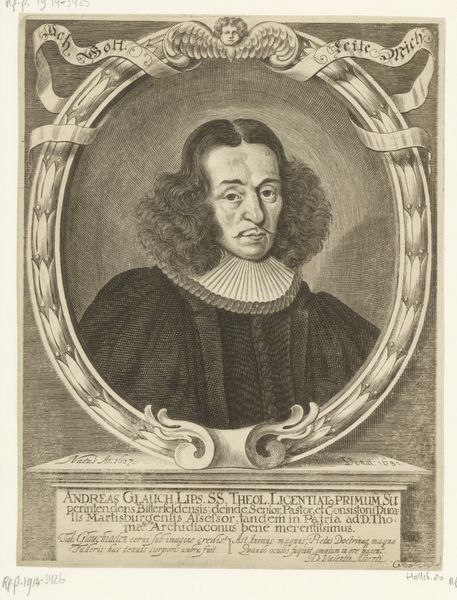
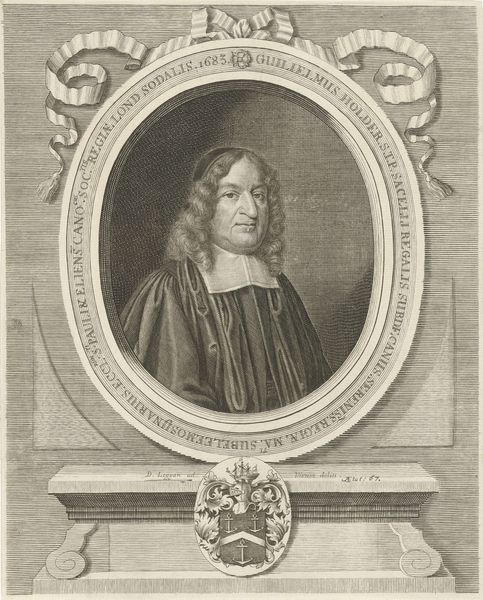
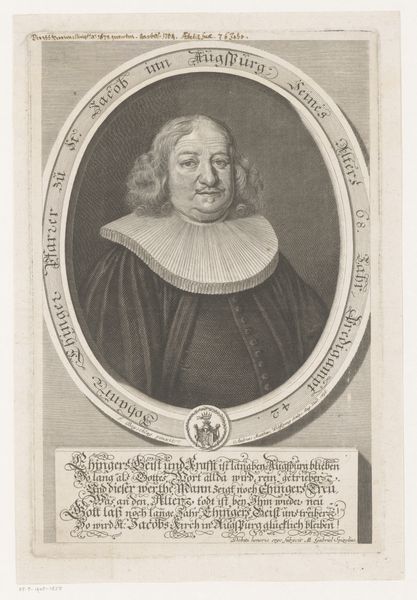
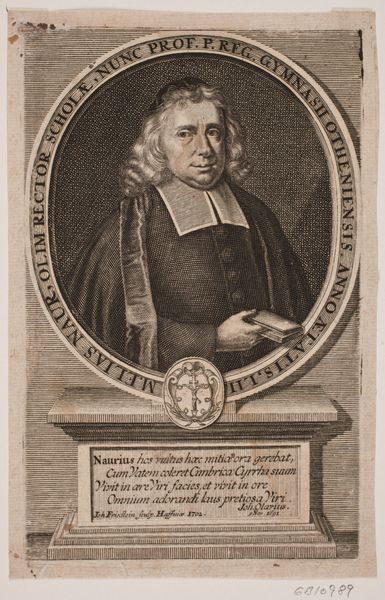
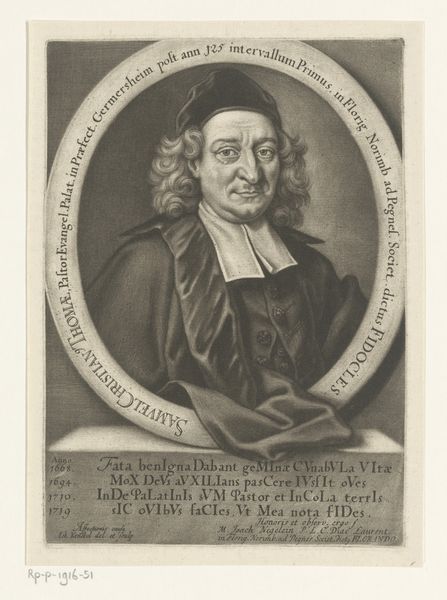
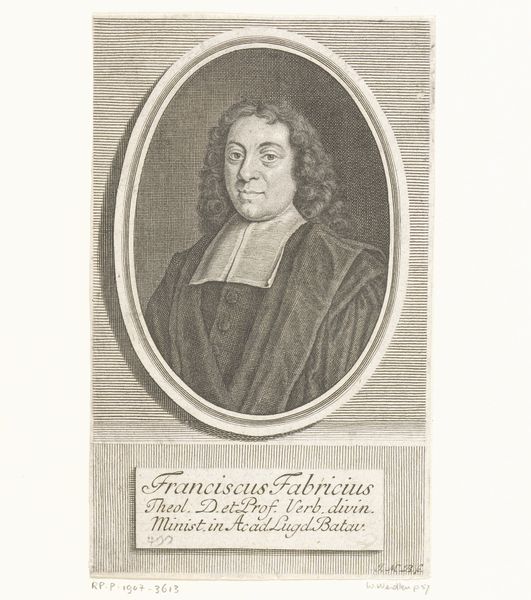
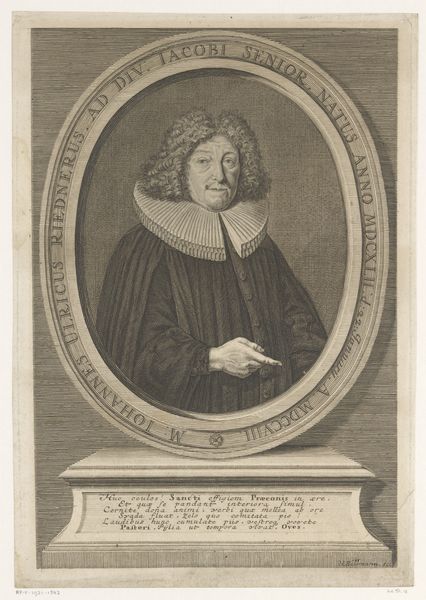
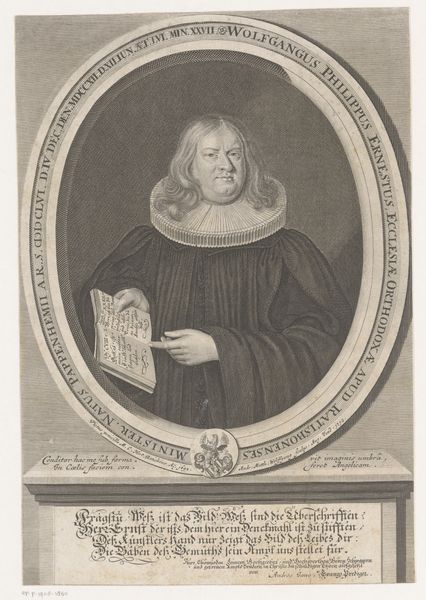
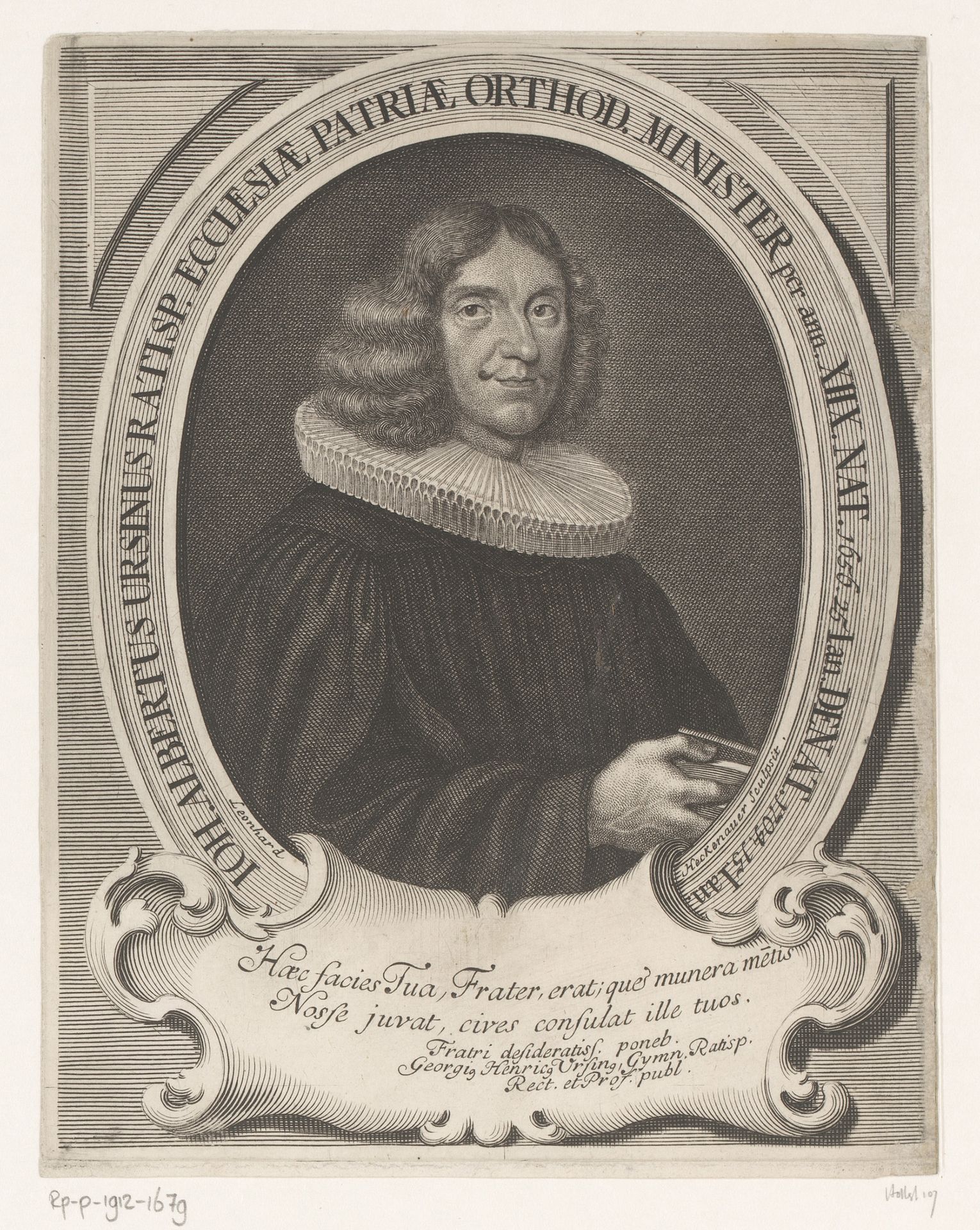
Leonhard Heckenauer created this portrait of Johann Albert Ursin around the turn of the 18th century, using engraving. The fine lines you see are not drawn, but cut into a copper plate with a tool called a burin. This printmaking method demands exacting skill, as every mark is a deliberate act of removal. Look closely, and you can see how Heckenauer varied the density and direction of his lines to create shading and texture, giving life to Ursin's face and clothing. The labor-intensive process speaks to the value placed on portraiture at the time, as a means of commemorating individuals of status. While seemingly worlds away from industrial production, engraving shares a common thread. Both rely on the division of labor and specialized expertise. This portrait, with its intricate detail and classical lettering, reminds us that even seemingly unique artworks are deeply embedded in broader systems of production and consumption. It’s a testament to how craft and fine art are interwoven.
Portret van Johann Albert Ursin
Possibly 1704

Leonhard Heckenauer
1650 - 1704Location
RijksmuseumArtwork details
- Medium
- engraving
- Dimensions
- height 196 mm, width 155 mm
- Location
- Rijksmuseum
- Copyright
- Rijks Museum: Open Domain
Tags
portrait
medieval
baroque
old engraving style
historical photography
portrait reference
line
history-painting
engraving
Comments
Be the first to share your thoughts about this work.
About this artwork
Leonhard Heckenauer created this portrait of Johann Albert Ursin around the turn of the 18th century, using engraving. The fine lines you see are not drawn, but cut into a copper plate with a tool called a burin. This printmaking method demands exacting skill, as every mark is a deliberate act of removal. Look closely, and you can see how Heckenauer varied the density and direction of his lines to create shading and texture, giving life to Ursin's face and clothing. The labor-intensive process speaks to the value placed on portraiture at the time, as a means of commemorating individuals of status. While seemingly worlds away from industrial production, engraving shares a common thread. Both rely on the division of labor and specialized expertise. This portrait, with its intricate detail and classical lettering, reminds us that even seemingly unique artworks are deeply embedded in broader systems of production and consumption. It’s a testament to how craft and fine art are interwoven.
Comments
Be the first to share your thoughts about this work.