1850
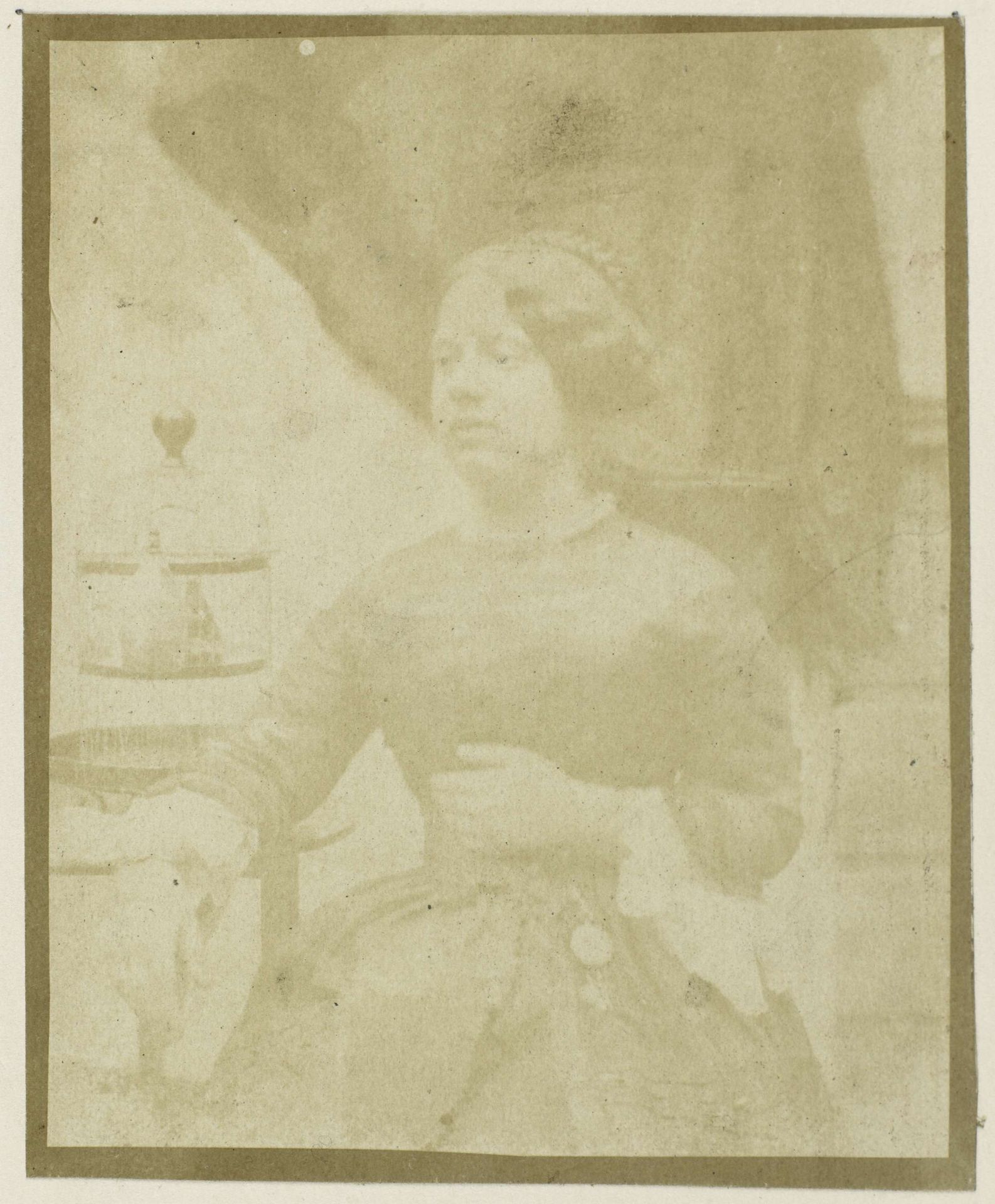
Portret van Caroline Asser

Eduard Isaac Asser
1809 - 1894Location
RijksmuseumListen to curator's interpretation
Curatorial notes
Eduard Isaac Asser made this photograph of Caroline Asser using the calotype process. This early photographic technique, patented in 1841, created a translucent paper negative from which multiple positives could be printed. This portrait, like many others from the mid-19th century, offers insights into the social conventions of the time. Caroline's attire and composed posture reflect the era's emphasis on modesty and decorum, particularly for women. The calotype, though revolutionary, was embraced by a society still largely governed by traditional norms. Eduard Asser's choice of this medium places him within a network of artists and scientists exploring photography's potential. Understanding this image requires considering the burgeoning culture of photography, its technological limitations, and its role in shaping social identities. Researchers can delve into photographic journals, personal letters, and social commentaries to uncover the cultural meanings embedded in this seemingly simple portrait. The power of photography lies not just in its capacity to record but in its ability to reflect the values of its time.