About this artwork
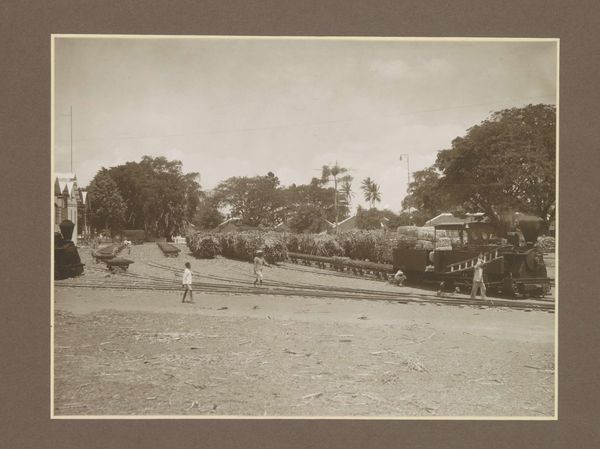
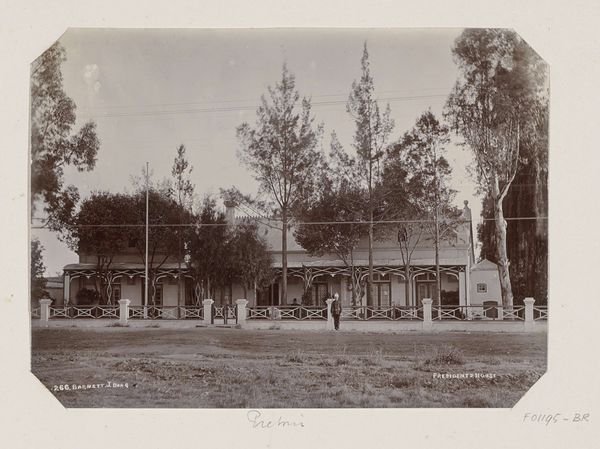
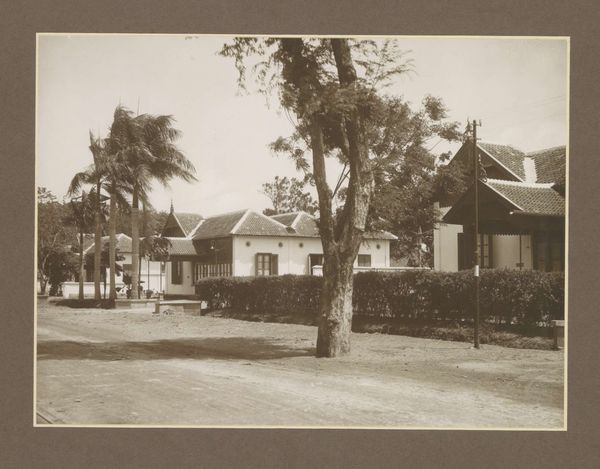
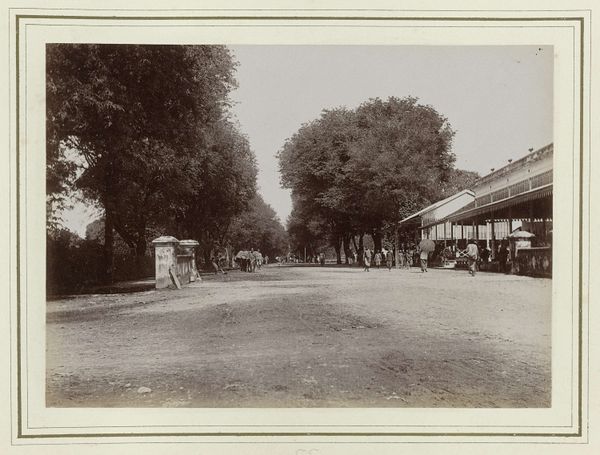
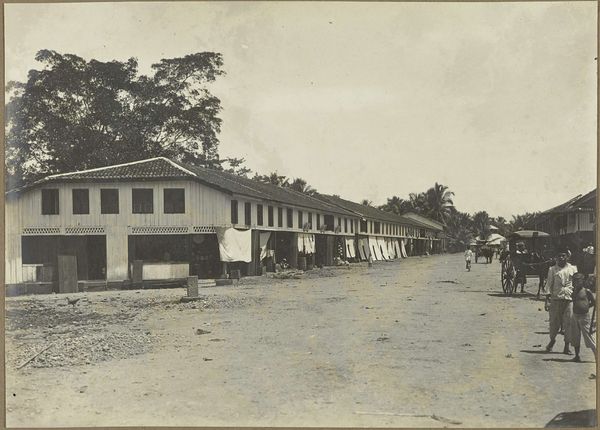
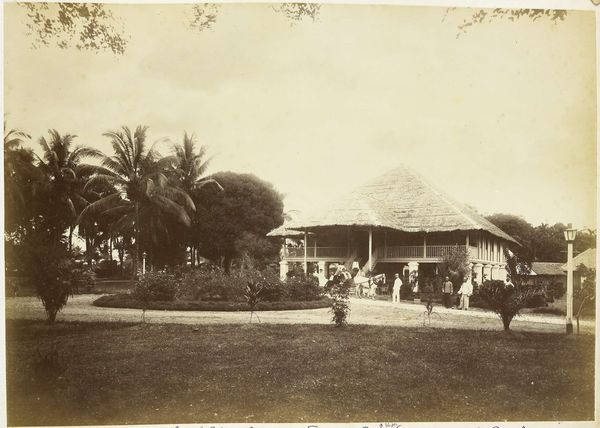
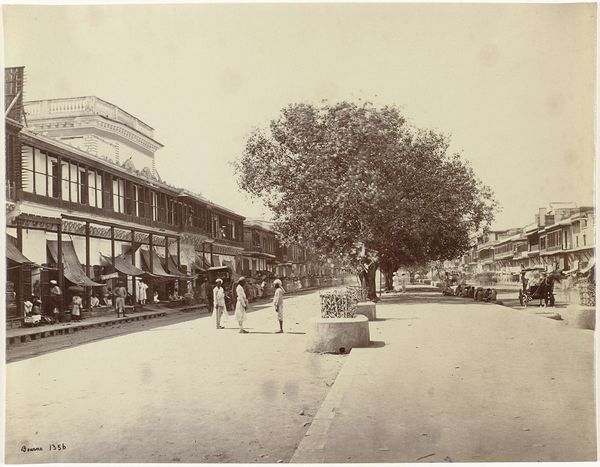
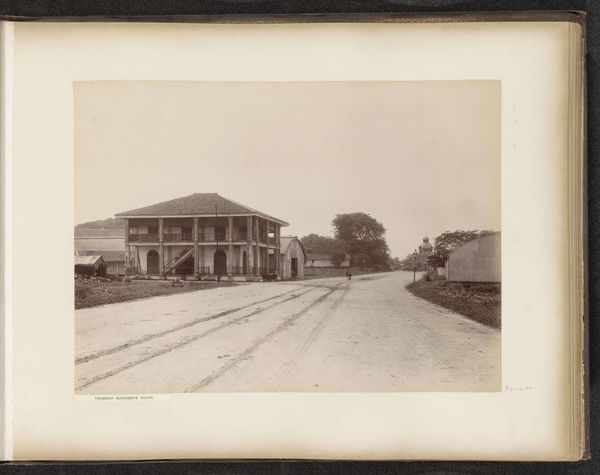
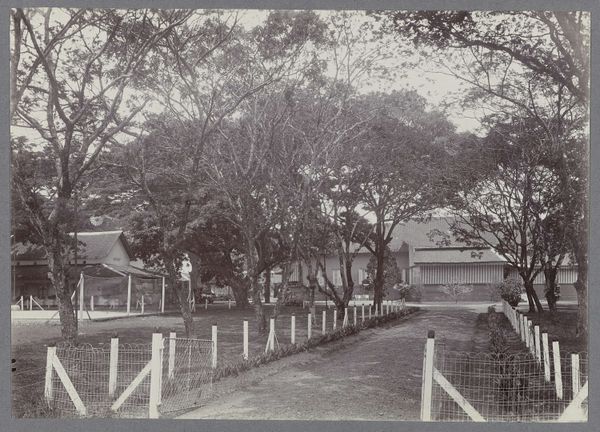
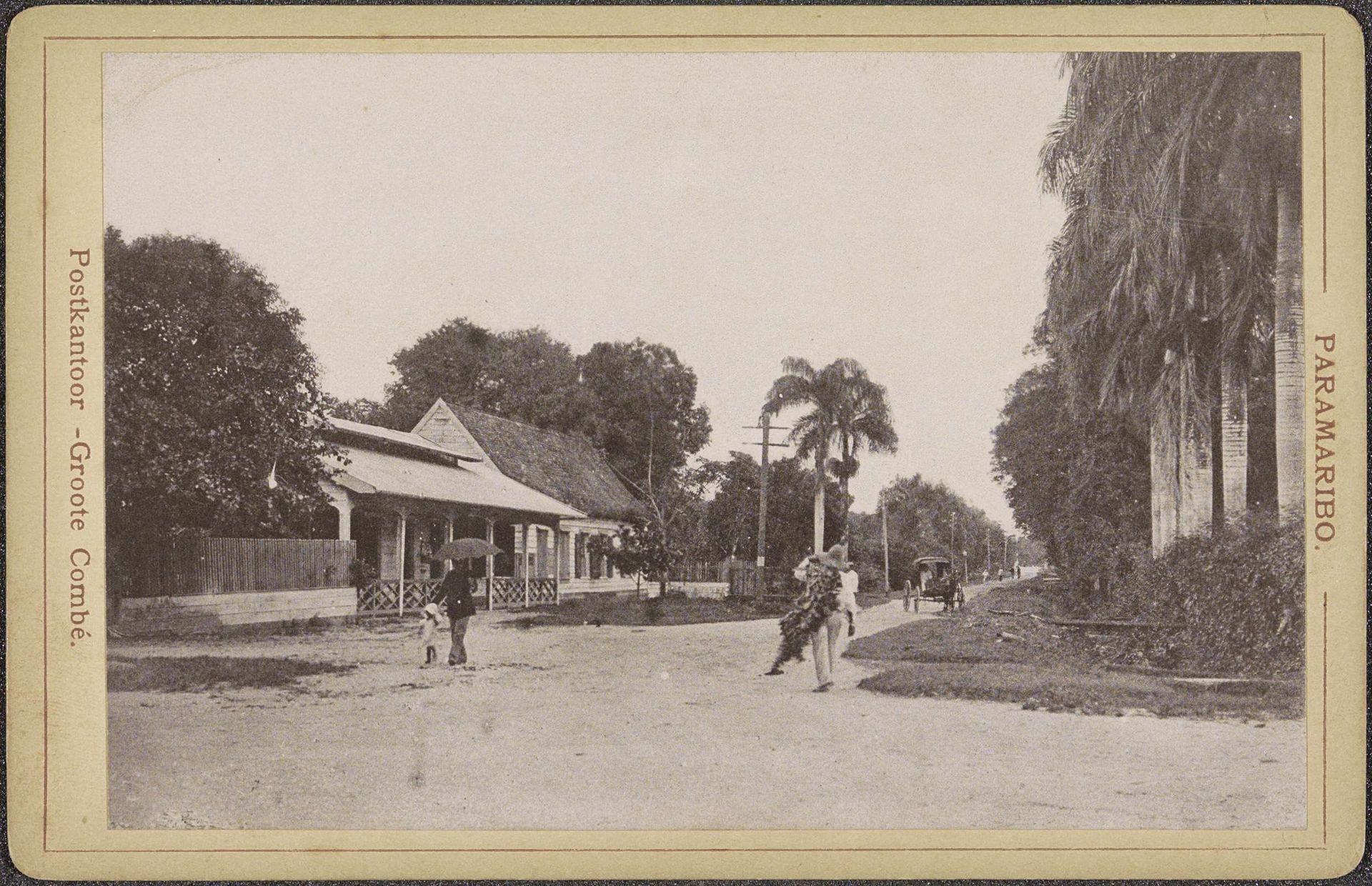
Eugen Klein captured this street view with a post office in Groote Combé, Paramaribo, using a photographic process during a period of significant colonial influence in Suriname. This image provides a glimpse into the complex social dynamics of early 20th-century Suriname, marked by Dutch colonial rule and its impact on local populations. Klein, as a European artist, frames the scene in a way that reflects the power dynamics inherent in colonial relationships. Note how the architecture blends European styles with local materials, a visual representation of cultural imposition and adaptation. The presence of local inhabitants going about their daily lives invites us to consider their experiences within this colonial context. What does it mean to see their lives filtered through the lens of a European photographer? This photograph isn't just a historical record; it's an artifact that provokes questions about identity, representation, and the lasting legacies of colonialism.
Straat met een postkantoor in Groote Combé te Paramaribo
before 1927

Eugen Klein
1869 - 1927Location
RijksmuseumArtwork details
- Medium
- photography
- Dimensions
- height 105 mm, width 165 mm
- Location
- Rijksmuseum
- Copyright
- Rijks Museum: Open Domain
Tags
Comments
Share your thoughts
About this artwork
Eugen Klein captured this street view with a post office in Groote Combé, Paramaribo, using a photographic process during a period of significant colonial influence in Suriname. This image provides a glimpse into the complex social dynamics of early 20th-century Suriname, marked by Dutch colonial rule and its impact on local populations. Klein, as a European artist, frames the scene in a way that reflects the power dynamics inherent in colonial relationships. Note how the architecture blends European styles with local materials, a visual representation of cultural imposition and adaptation. The presence of local inhabitants going about their daily lives invites us to consider their experiences within this colonial context. What does it mean to see their lives filtered through the lens of a European photographer? This photograph isn't just a historical record; it's an artifact that provokes questions about identity, representation, and the lasting legacies of colonialism.
Comments
Share your thoughts