About this artwork
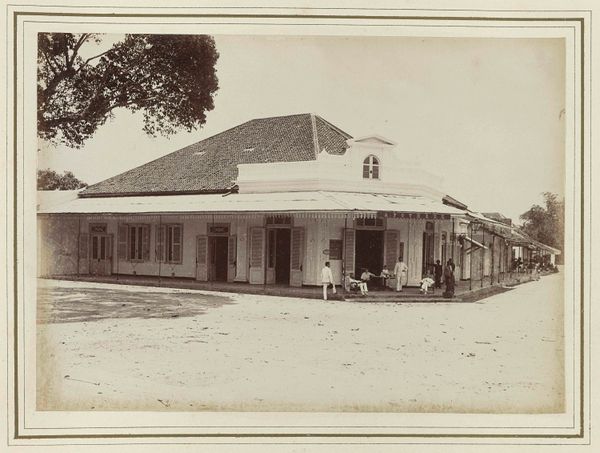
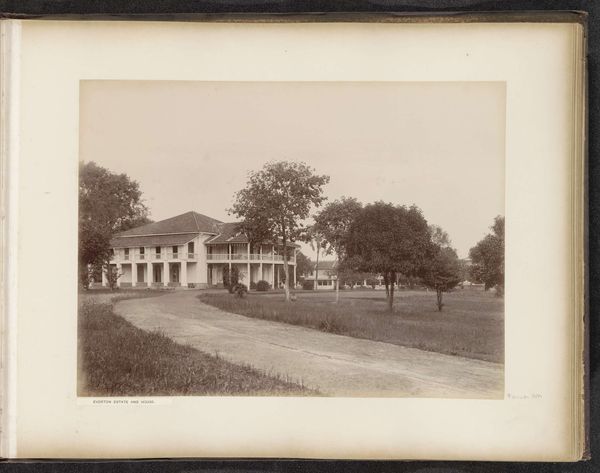
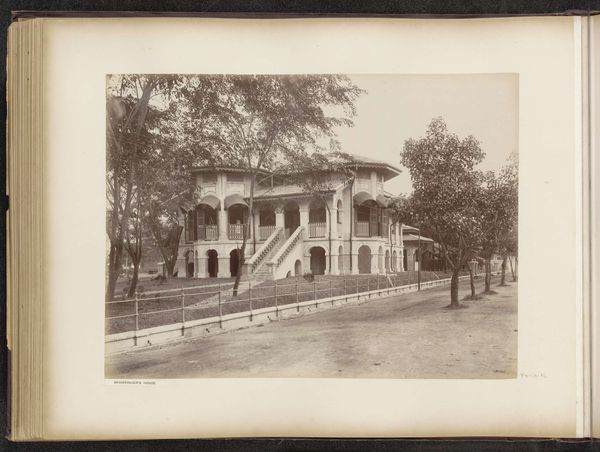
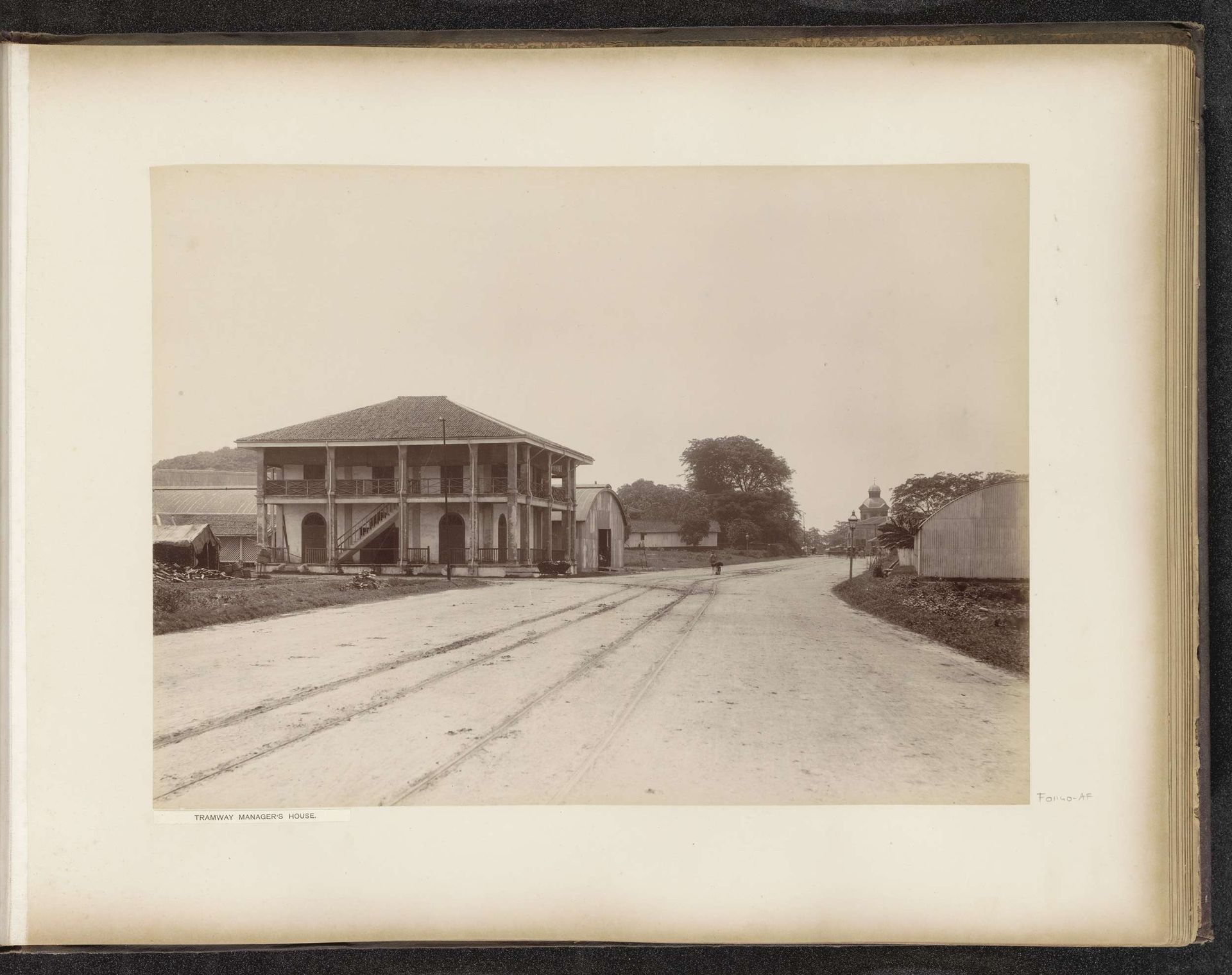
This photograph by G.R. Lambert & Co. captures the residence of the tramway director in Tanjong Pagar, Singapore. Note the architectural style; the two-story structure with its surrounding verandahs speaks to a visual language of colonial power. We observe echoes of plantation homes in the Americas, symbolizing control and order imposed upon a new landscape. These houses are physical manifestations of authority, projecting an image of dominance. Consider how this design is not merely functional, but a symbolic assertion of identity and control. Such architectural symbols evolve, their meanings shifting through time and culture. The verandah, for example, transcends its practical function as a shaded space, becoming a stage for the performance of power, deeply influencing our perception and imprinting the director's house in our collective memory.
Woonhuis van de directeur van de trammaatschappij van Tanjong Pagar in Singapore
before 1905

G.R. Lambert & Co.
@grlambertco2Location
RijksmuseumArtwork details
- Medium
- photography, albumen-print
- Dimensions
- height 263 mm, width 358 mm
- Location
- Rijksmuseum
- Copyright
- Rijks Museum: Open Domain
Tags
Comments
Share your thoughts
About this artwork
This photograph by G.R. Lambert & Co. captures the residence of the tramway director in Tanjong Pagar, Singapore. Note the architectural style; the two-story structure with its surrounding verandahs speaks to a visual language of colonial power. We observe echoes of plantation homes in the Americas, symbolizing control and order imposed upon a new landscape. These houses are physical manifestations of authority, projecting an image of dominance. Consider how this design is not merely functional, but a symbolic assertion of identity and control. Such architectural symbols evolve, their meanings shifting through time and culture. The verandah, for example, transcends its practical function as a shaded space, becoming a stage for the performance of power, deeply influencing our perception and imprinting the director's house in our collective memory.
Comments
Share your thoughts