About this artwork
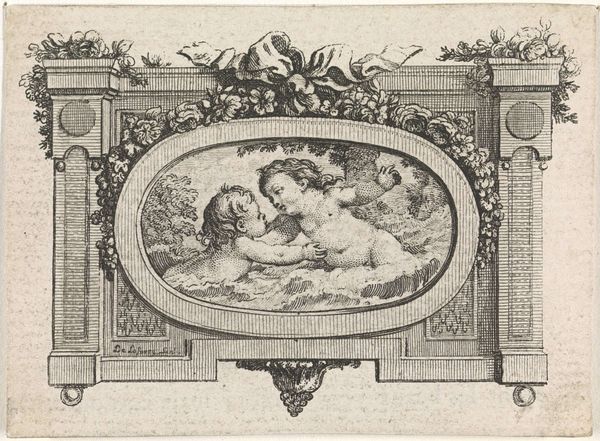
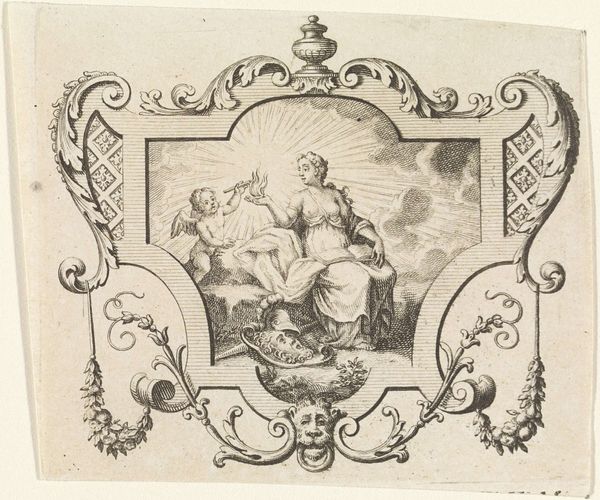
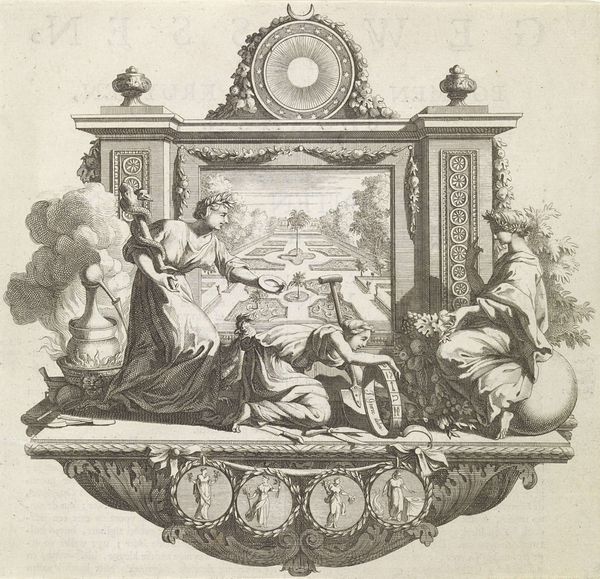
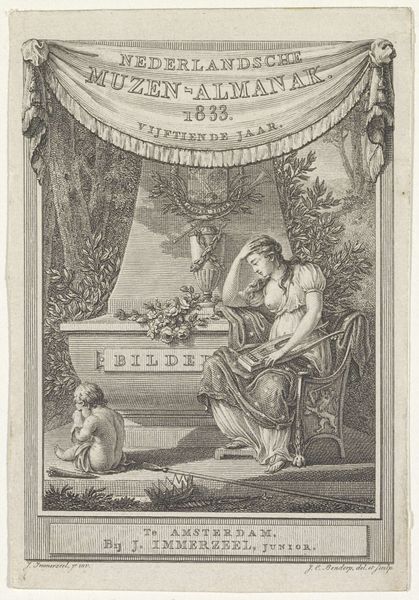
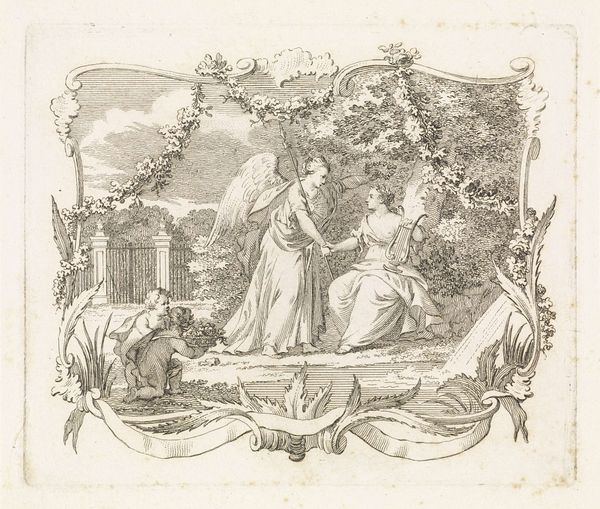
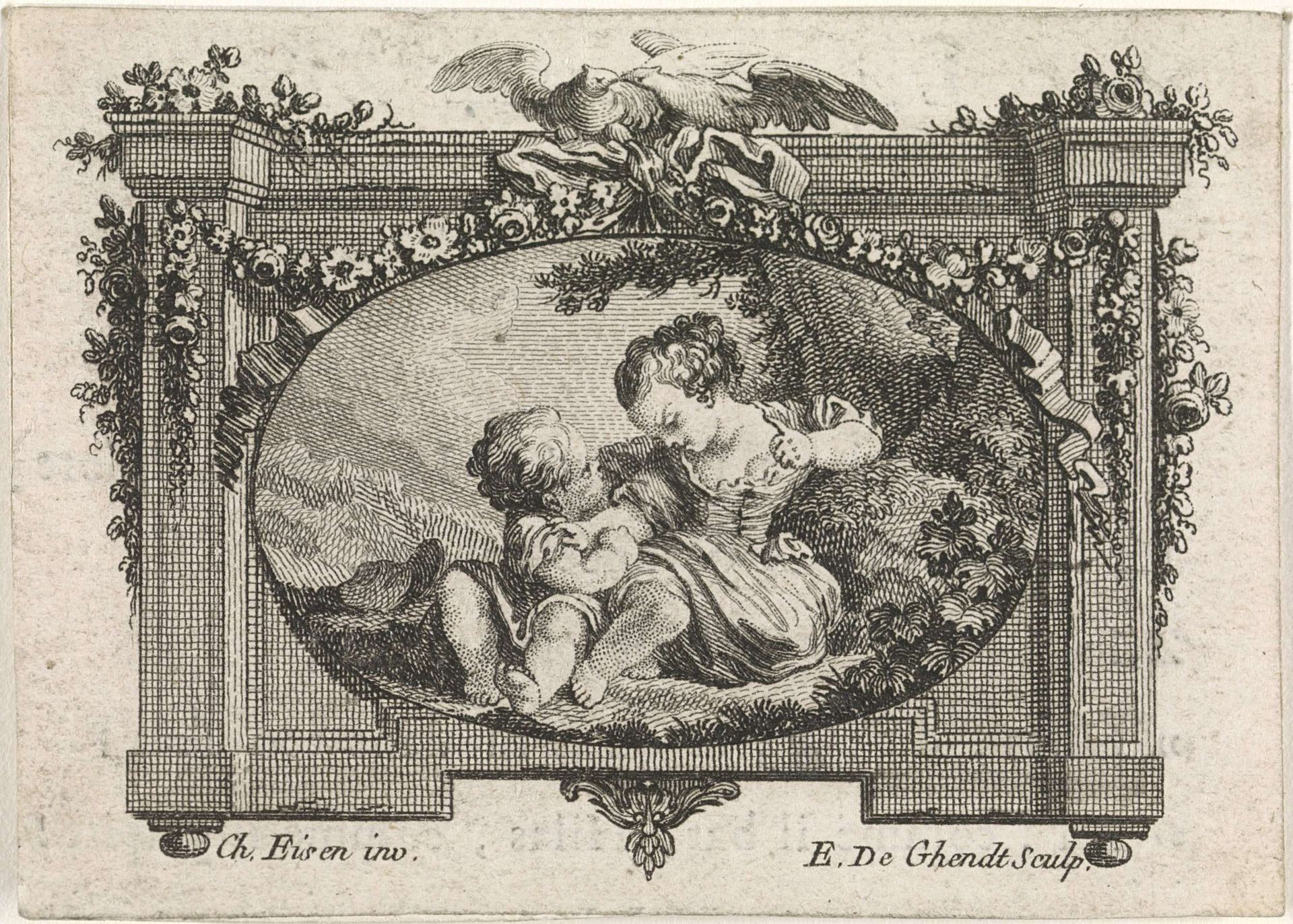
This is an engraving of a girl and a putto, made by Emmanuel Jean de Ghendt, probably in the late 18th century. The image is realized with a technique that has deep roots. Engraving involves cutting lines into a metal plate, applying ink, and then pressing paper against the plate with great force to pick up the ink. The sharpness of the lines, and the fineness of the hatching, determine the image’s tonality. The engraver’s skill resides in their ability to control the burin, the cutting tool, and through it, the distribution of light and shadow. In de Ghendt’s time, printmaking was essential to the distribution of knowledge and aesthetics across Europe. It was how artworks were circulated and how visual ideas gained traction. So, while this print is small, its impact was potentially vast. The work involved in producing just one impression speaks to a significant investment of time and skill, amplified across the total number of prints made from the plate. This makes the image not just a pretty thing, but a testament to the power of reproducible media.

Artwork details
- Dimensions
- height 53 mm, width 74 mm
- Location
- Rijksmuseum
- Copyright
- Rijks Museum: Open Domain
Comments
Be the first to share your thoughts about this work.
About this artwork
This is an engraving of a girl and a putto, made by Emmanuel Jean de Ghendt, probably in the late 18th century. The image is realized with a technique that has deep roots. Engraving involves cutting lines into a metal plate, applying ink, and then pressing paper against the plate with great force to pick up the ink. The sharpness of the lines, and the fineness of the hatching, determine the image’s tonality. The engraver’s skill resides in their ability to control the burin, the cutting tool, and through it, the distribution of light and shadow. In de Ghendt’s time, printmaking was essential to the distribution of knowledge and aesthetics across Europe. It was how artworks were circulated and how visual ideas gained traction. So, while this print is small, its impact was potentially vast. The work involved in producing just one impression speaks to a significant investment of time and skill, amplified across the total number of prints made from the plate. This makes the image not just a pretty thing, but a testament to the power of reproducible media.
Comments
Be the first to share your thoughts about this work.