About this artwork
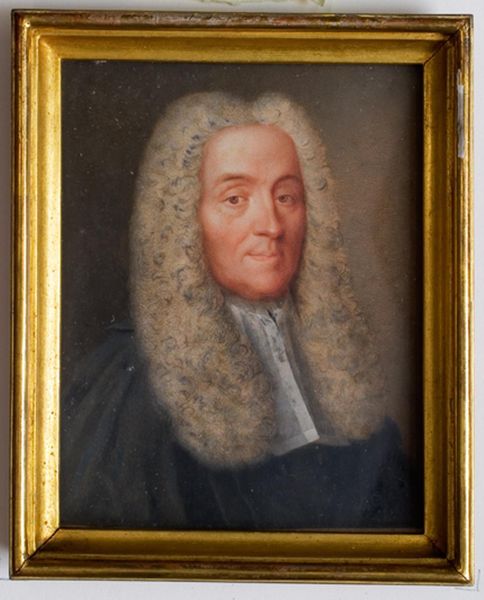
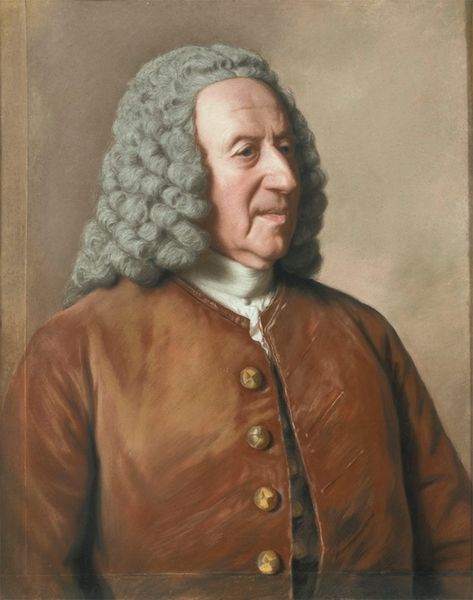
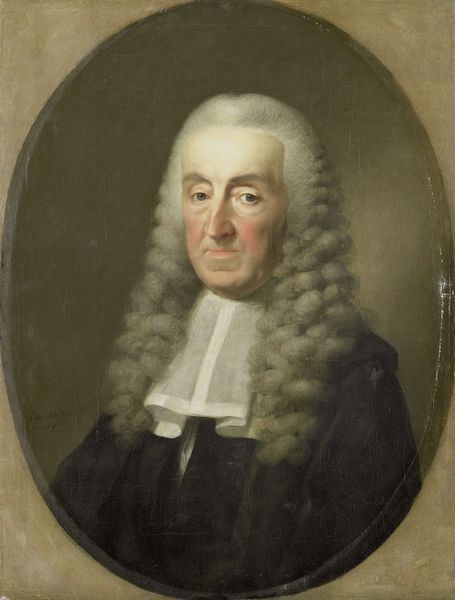
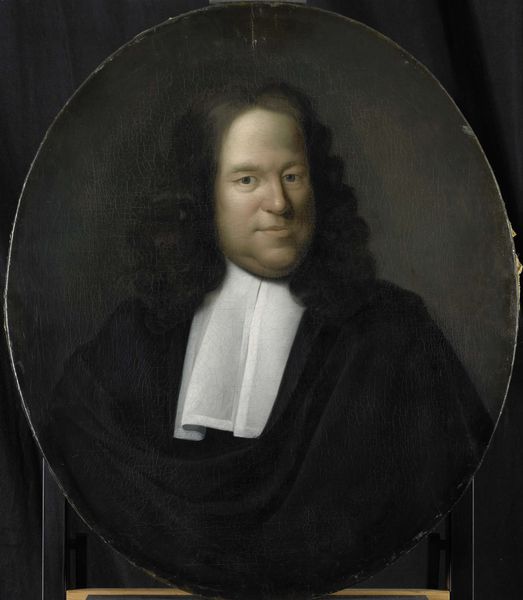
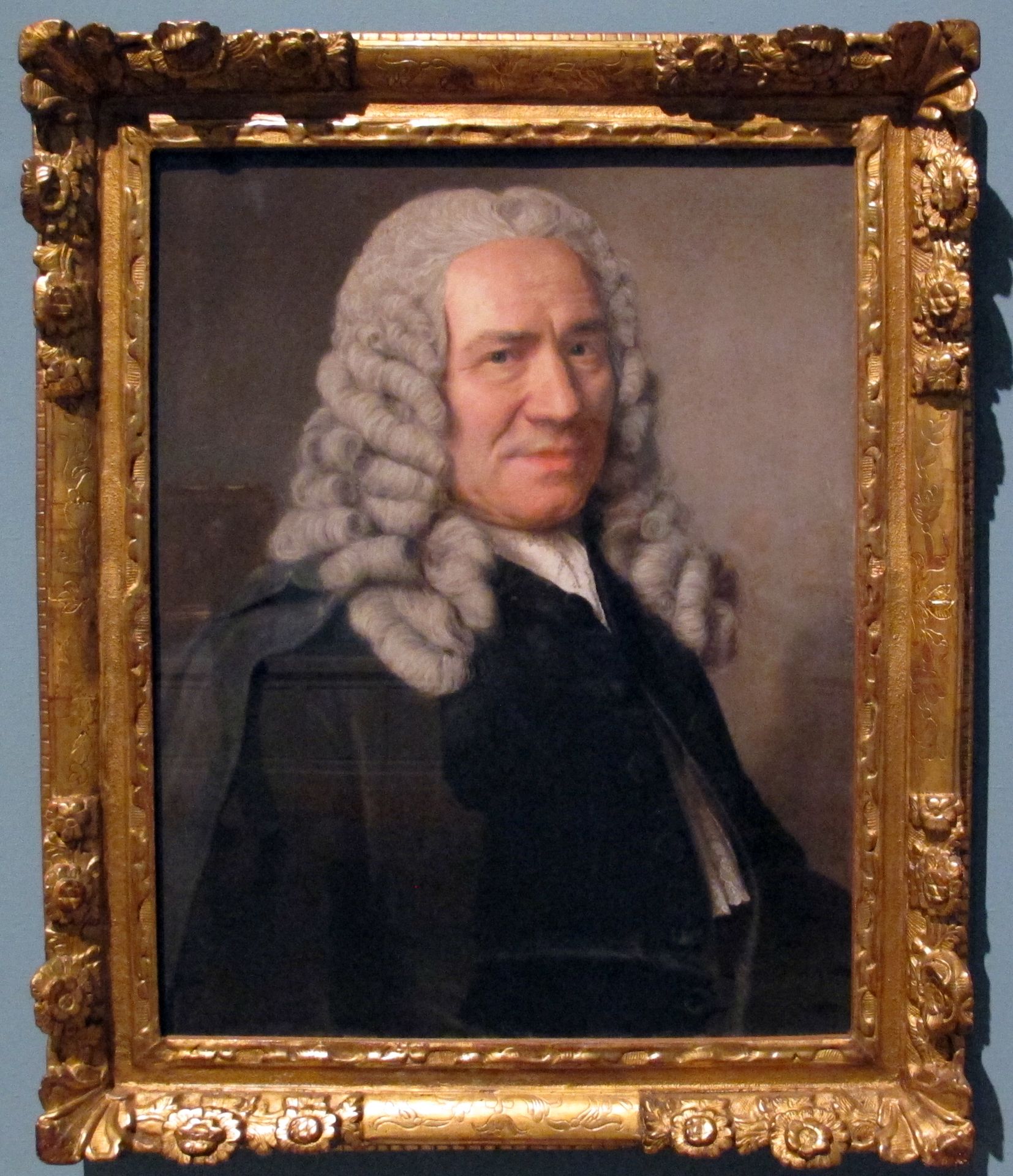
Jean-Étienne Liotard captured Pierre Mussard with delicate strokes, a vision of the Enlightenment. The powdered wig is more than mere fashion; it speaks of status, intellect, and adherence to social norms. Consider how, centuries before, elaborate hairstyles signified power, seen in ancient Egyptian royalty. The wig, a distant echo, now signifies intellectual authority rather than divine right. There’s a subtle shift. Even the somber black coat, devoid of ostentation, whispers of civic responsibility, a virtue celebrated by the emerging bourgeoisie. The act of portraiture itself is steeped in cultural memory; from Roman busts to Renaissance icons, the human face has always been a canvas for projecting identity and legacy. These visual traditions tap into our collective psyche, engaging us on a subconscious level. The portrait resonates, not just as a likeness, but as a thread in the grand tapestry of human representation. The symbols might fade or transform, yet the impulse to immortalize remains, surfacing time and again in new guises.
Portrait of Pierre Mussard
1763

Jean-Étienne Liotard
1702 - 1789Location
Musée d'Art et d'Histoire, Geneva, SwitzerlandArtwork details
- Medium
- painting
- Location
- Musée d'Art et d'Histoire, Geneva, Switzerland
- Copyright
- Public domain
Tags
Comments
Share your thoughts
About this artwork
Jean-Étienne Liotard captured Pierre Mussard with delicate strokes, a vision of the Enlightenment. The powdered wig is more than mere fashion; it speaks of status, intellect, and adherence to social norms. Consider how, centuries before, elaborate hairstyles signified power, seen in ancient Egyptian royalty. The wig, a distant echo, now signifies intellectual authority rather than divine right. There’s a subtle shift. Even the somber black coat, devoid of ostentation, whispers of civic responsibility, a virtue celebrated by the emerging bourgeoisie. The act of portraiture itself is steeped in cultural memory; from Roman busts to Renaissance icons, the human face has always been a canvas for projecting identity and legacy. These visual traditions tap into our collective psyche, engaging us on a subconscious level. The portrait resonates, not just as a likeness, but as a thread in the grand tapestry of human representation. The symbols might fade or transform, yet the impulse to immortalize remains, surfacing time and again in new guises.
Comments
Share your thoughts