About this artwork
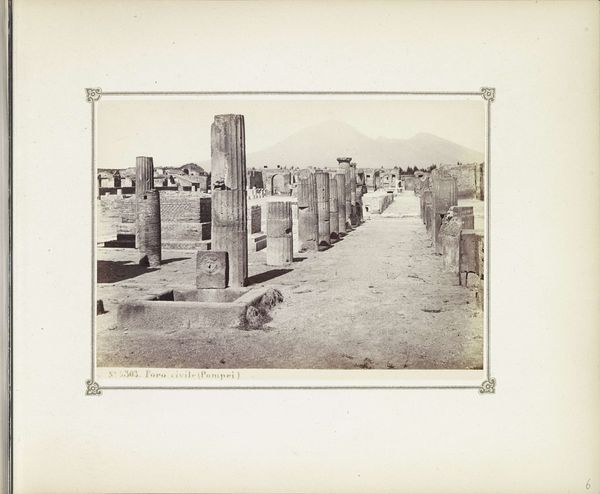
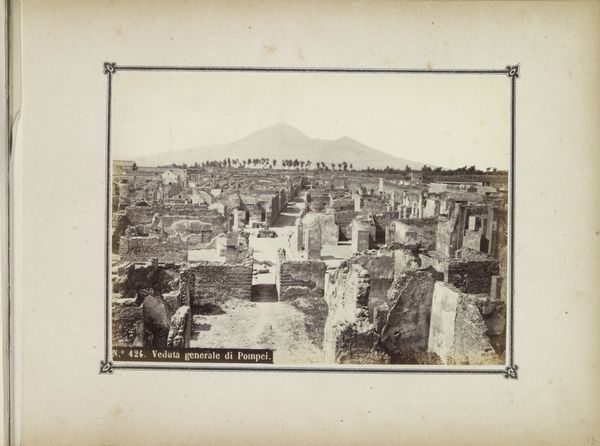
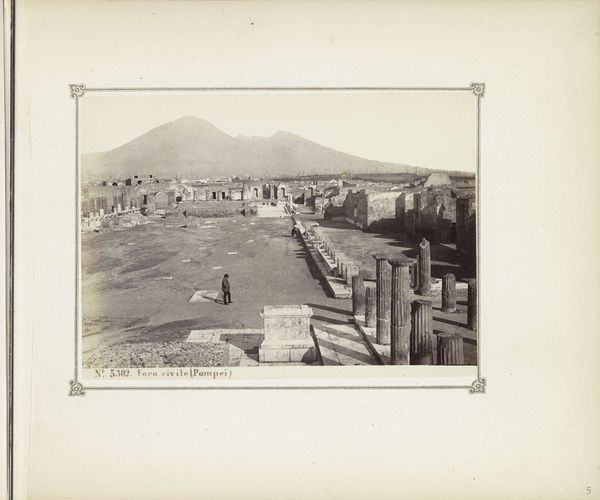
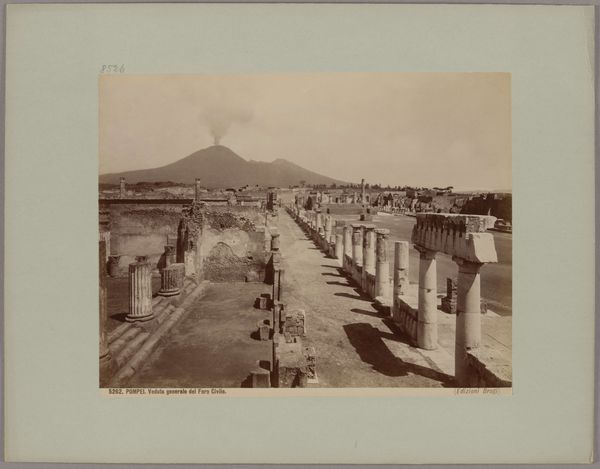
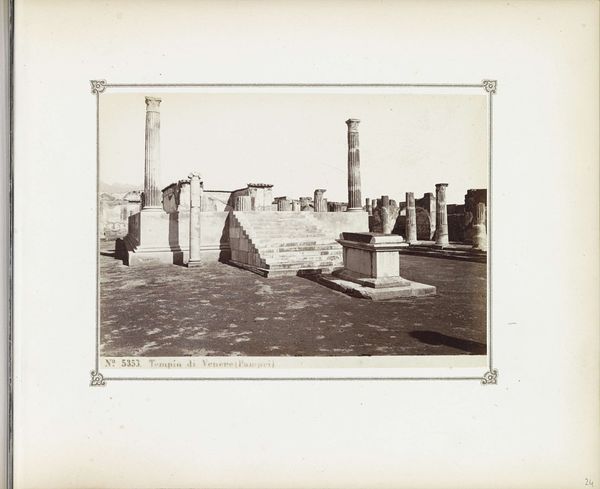
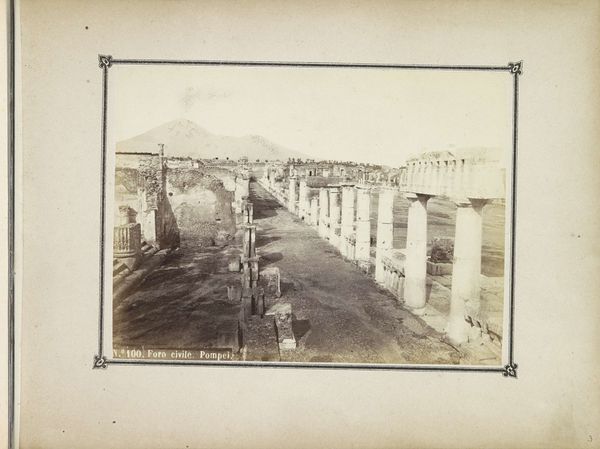
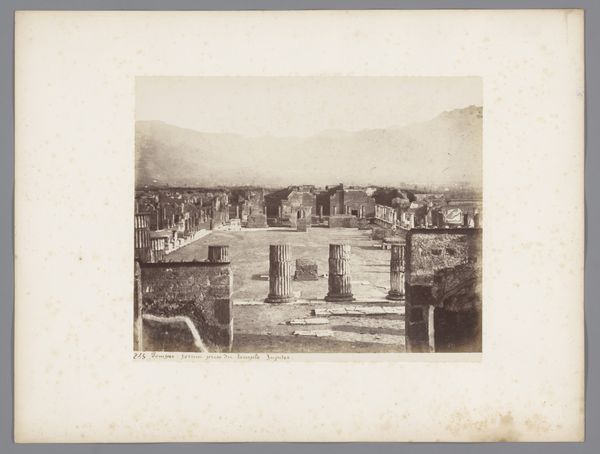
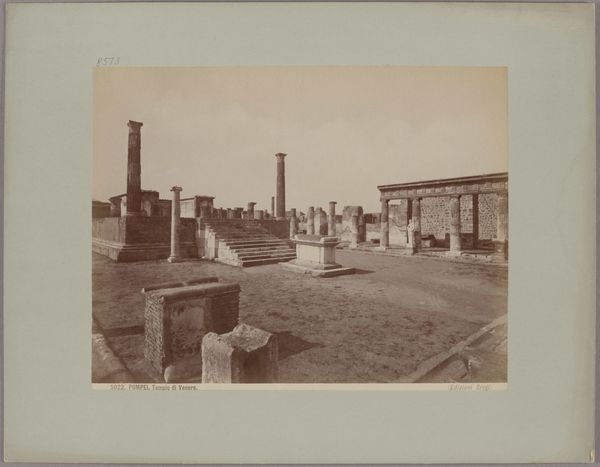
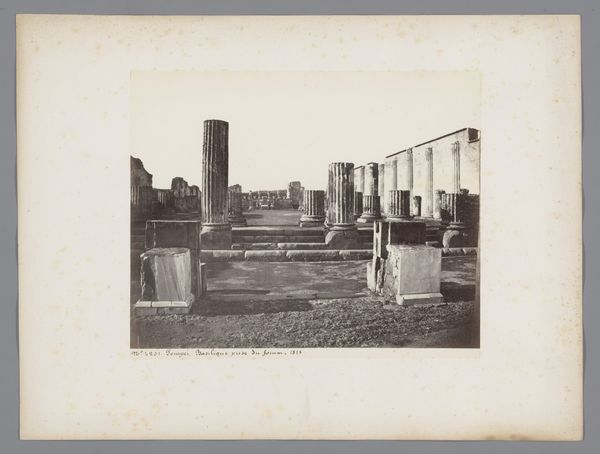
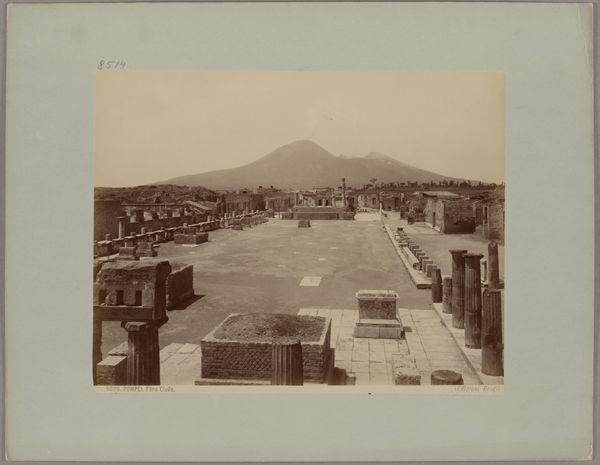
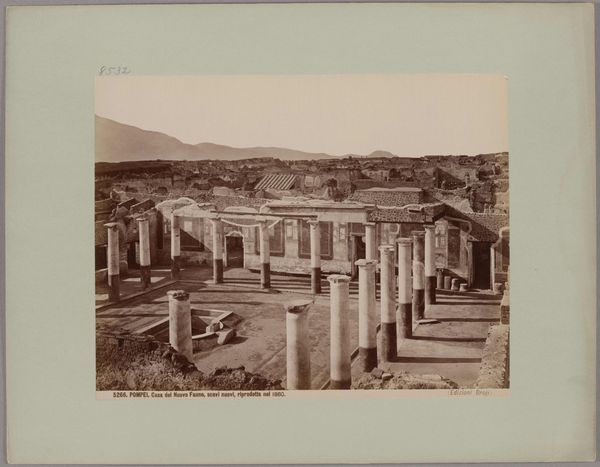
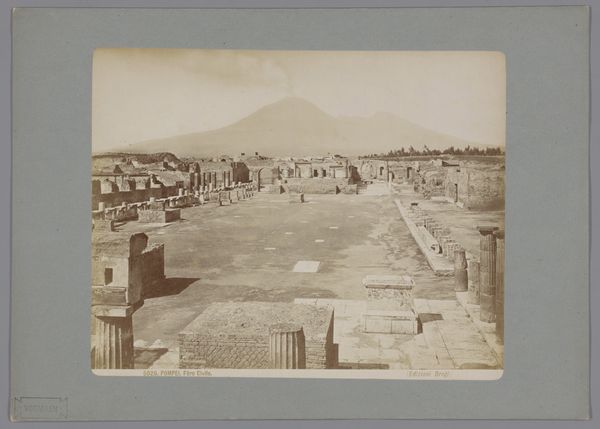
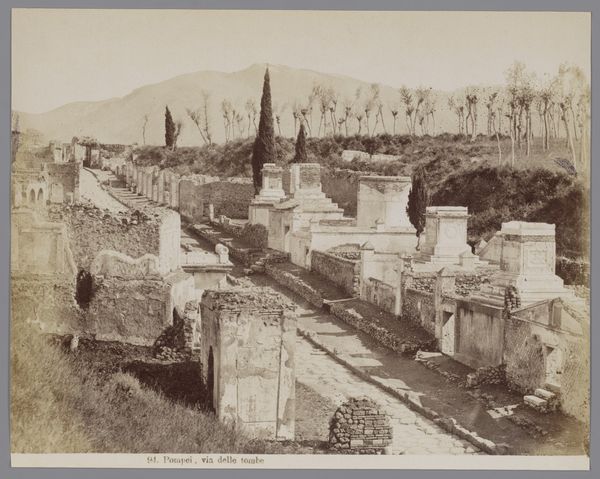
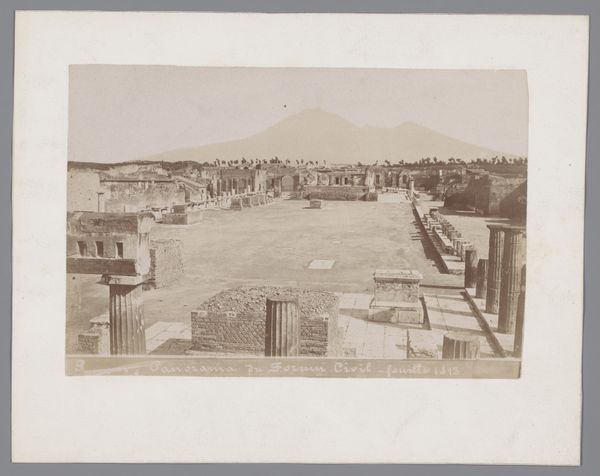
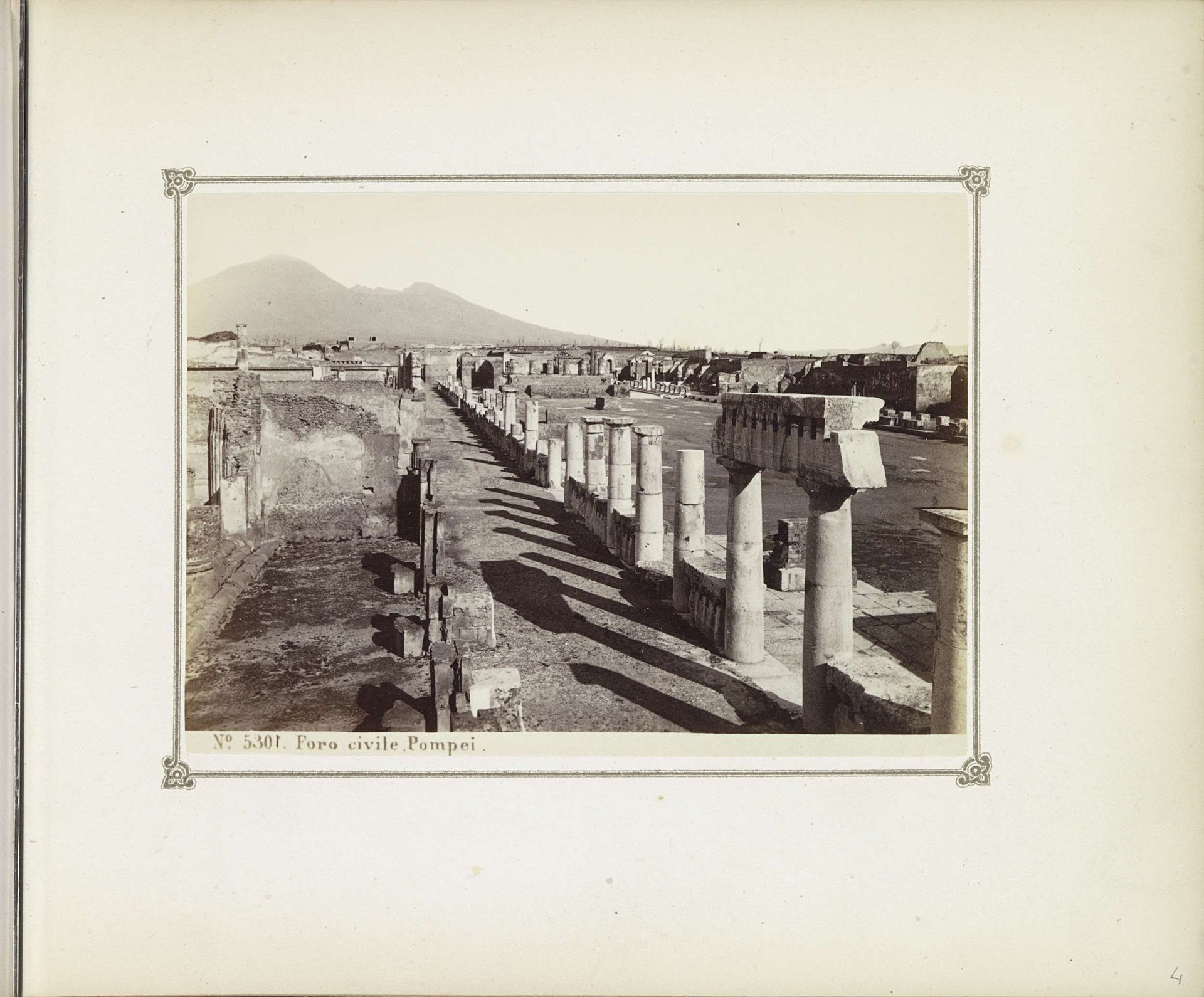
Giorgio Sommer captured this view of the ruins of Pompeii, with Mount Vesuvius in the distance, some time between 1834 and 1914. As one of the first commercial photographers, Sommer’s images shaped European perceptions of Italy. This photograph invites us to reflect on the passage of time and the layers of history embedded in a single site. What remains of Pompeii speaks to the ephemerality of human existence against the backdrop of enduring natural forces. Here, the ruins, once a bustling center of Roman life, are rendered silent and still. Yet, Vesuvius looms, a reminder of the destructive power that both annihilated and preserved this ancient city. Sommer's choice to include it in the frame suggests a meditation on fate and the cyclical nature of destruction and renewal. Consider how this image might resonate with contemporary concerns about environmental change and the vulnerability of human settlements. It asks us to contemplate the legacies we leave behind.
Gezicht op restanten van het forum te Pompeï met op de achtergrond de Vesuvius c. 1860 - 1900

Giorgio Sommer
1834 - 1914Location
RijksmuseumArtwork details
- Medium
- photography, albumen-print
- Dimensions
- height 101 mm, width 142 mm
- Location
- Rijksmuseum
- Copyright
- Rijks Museum: Open Domain
Tags
greek-and-roman-art
landscape
photography
ancient-mediterranean
cityscape
albumen-print
realism
Comments
No comments
About this artwork
Giorgio Sommer captured this view of the ruins of Pompeii, with Mount Vesuvius in the distance, some time between 1834 and 1914. As one of the first commercial photographers, Sommer’s images shaped European perceptions of Italy. This photograph invites us to reflect on the passage of time and the layers of history embedded in a single site. What remains of Pompeii speaks to the ephemerality of human existence against the backdrop of enduring natural forces. Here, the ruins, once a bustling center of Roman life, are rendered silent and still. Yet, Vesuvius looms, a reminder of the destructive power that both annihilated and preserved this ancient city. Sommer's choice to include it in the frame suggests a meditation on fate and the cyclical nature of destruction and renewal. Consider how this image might resonate with contemporary concerns about environmental change and the vulnerability of human settlements. It asks us to contemplate the legacies we leave behind.
Comments
No comments