About this artwork
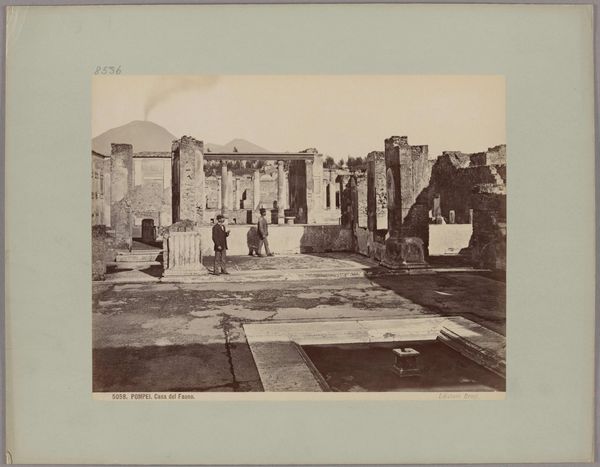
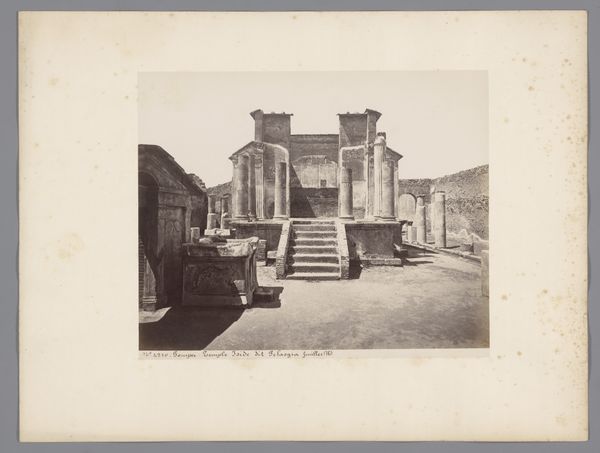
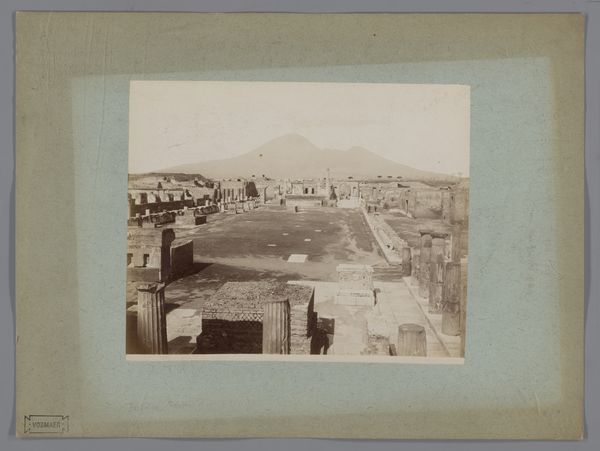
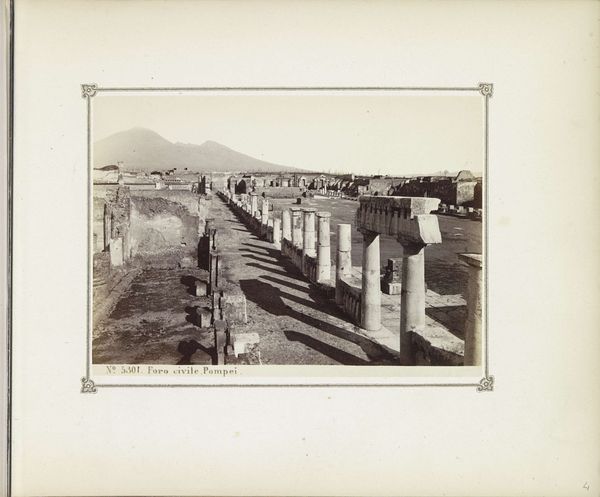
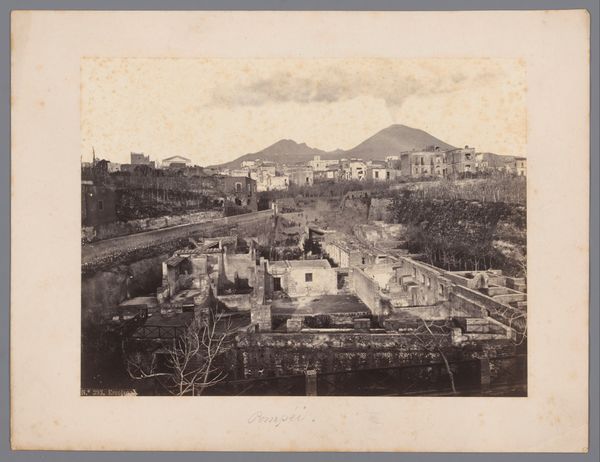
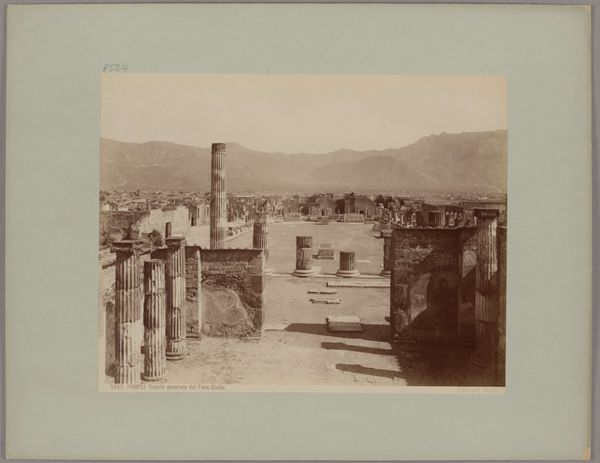
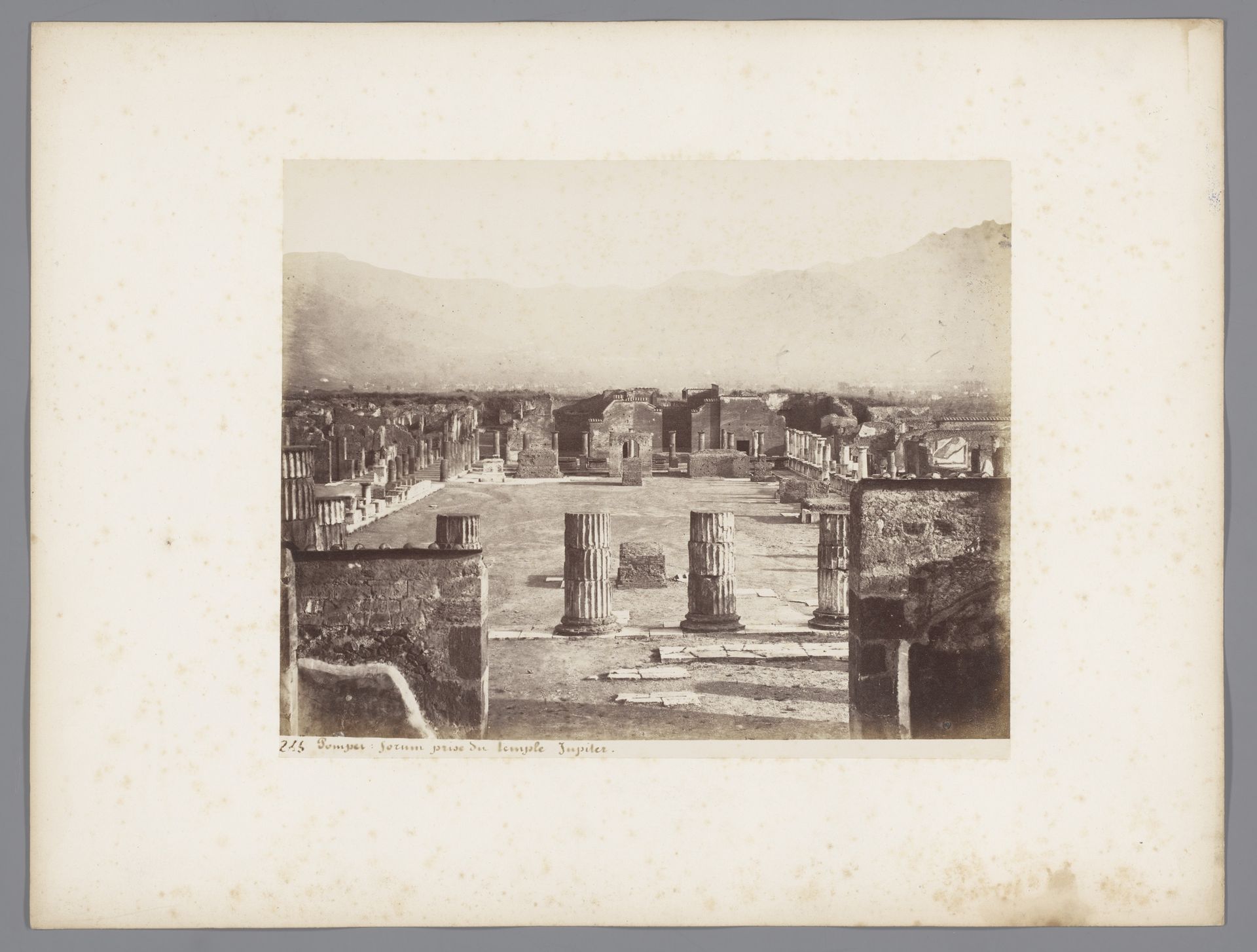
Giorgio Sommer captured this albumen print titled 'View of the Forum from the Temple of Jupiter in Pompeii, Italy,' sometime in the late 19th century. Sommer, a German photographer based in Naples, made a career out of documenting Southern Italy for tourists, a region that remained largely untouched by the industrial revolution at the time. This image invites us to contemplate the passage of time and the impermanence of human endeavors. Yet, it is important to remember that the ruins we see are not just remnants of a distant past, but also the result of a catastrophic event that abruptly ended the lives and culture of an entire community. Sommer's photograph prompts us to reflect on how we engage with history and memory. It serves as a reminder of the human cost of both natural disasters and the broader forces of history. It challenges viewers to consider their relationship to the past and the ways in which it continues to shape the present.
Gezicht op het Forum vanaf de Tempel van Jupiter te Pompeï, Italië
1857 - 1875

Giorgio Sommer
1834 - 1914Location
RijksmuseumArtwork details
- Medium
- photography, albumen-print
- Dimensions
- height 308 mm, width 405 mm
- Location
- Rijksmuseum
- Copyright
- Rijks Museum: Open Domain
Tags
Comments
Share your thoughts
About this artwork
Giorgio Sommer captured this albumen print titled 'View of the Forum from the Temple of Jupiter in Pompeii, Italy,' sometime in the late 19th century. Sommer, a German photographer based in Naples, made a career out of documenting Southern Italy for tourists, a region that remained largely untouched by the industrial revolution at the time. This image invites us to contemplate the passage of time and the impermanence of human endeavors. Yet, it is important to remember that the ruins we see are not just remnants of a distant past, but also the result of a catastrophic event that abruptly ended the lives and culture of an entire community. Sommer's photograph prompts us to reflect on how we engage with history and memory. It serves as a reminder of the human cost of both natural disasters and the broader forces of history. It challenges viewers to consider their relationship to the past and the ways in which it continues to shape the present.
Comments
Share your thoughts