About this artwork
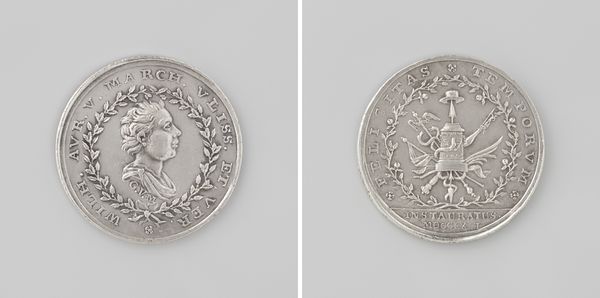
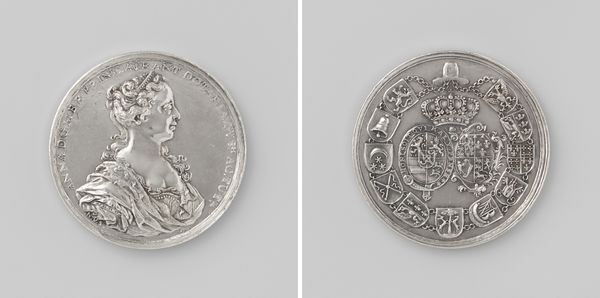
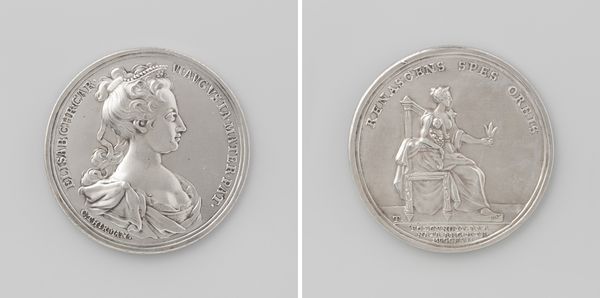
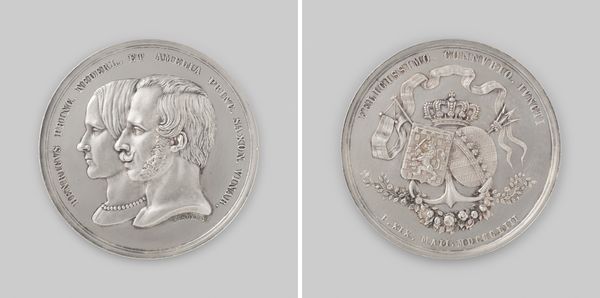
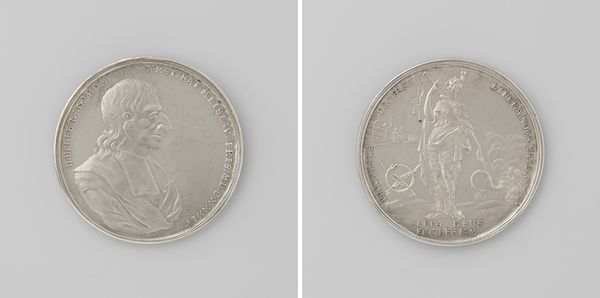
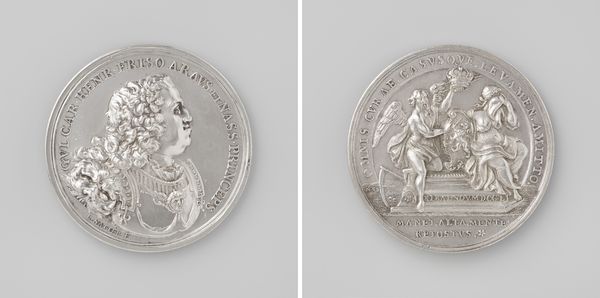
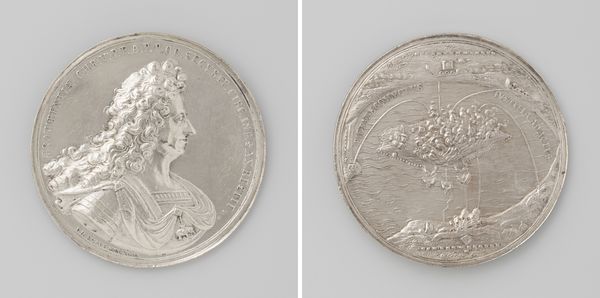
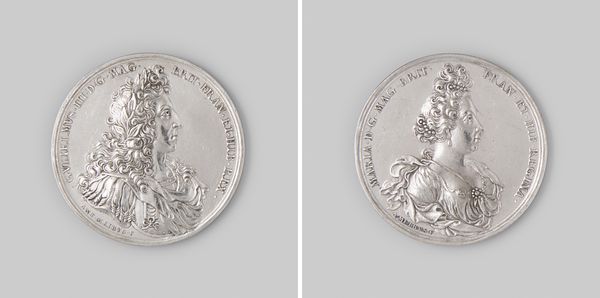
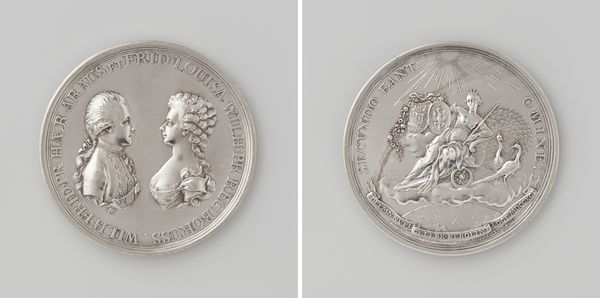
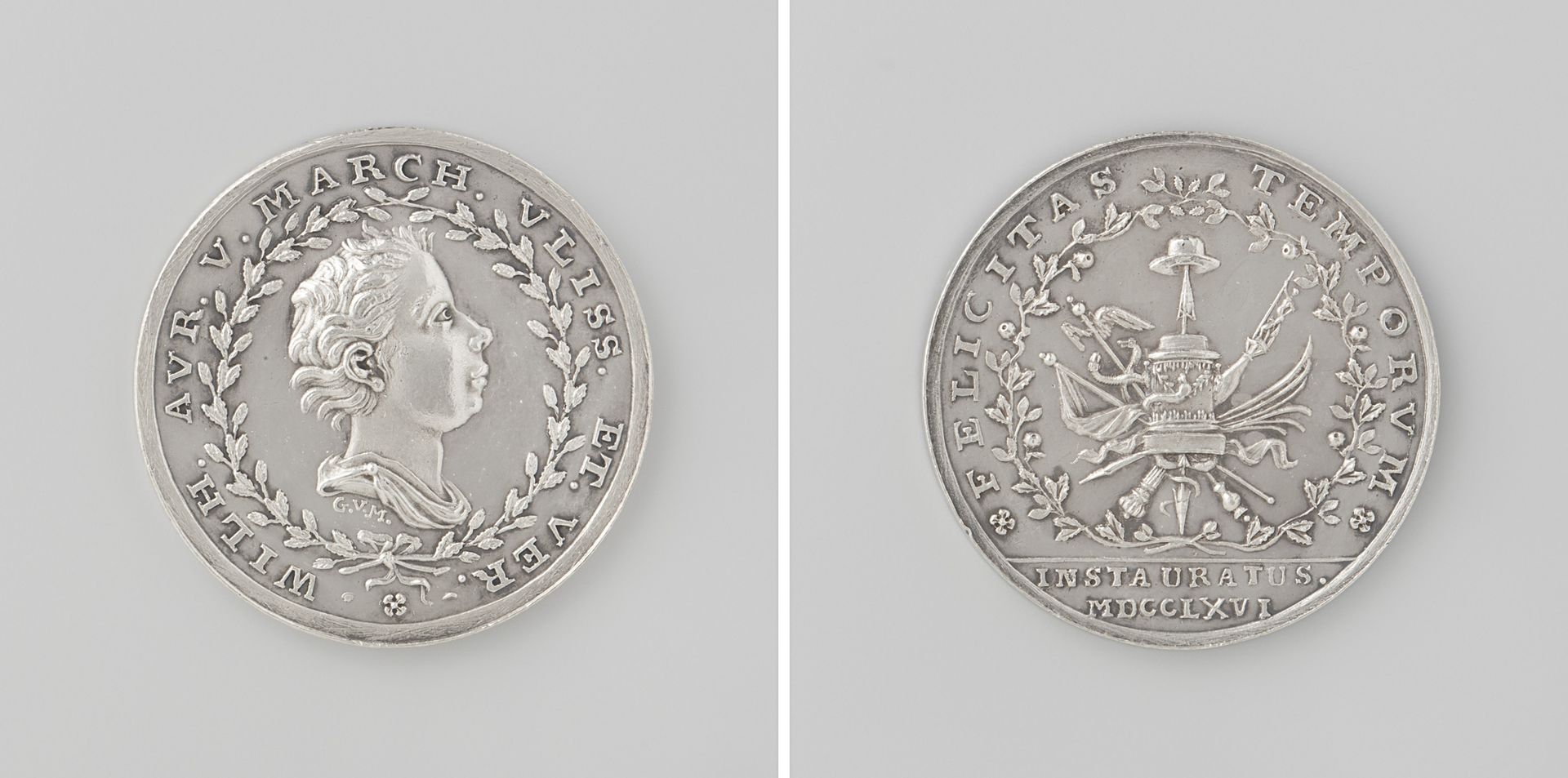
This silver medal was created by Gerrit van Moelingen to mark Willem V’s inauguration as Marquis of Veere en Vlissingen. The medal is a celebration of power, class, and political institutions in the Dutch Republic. On one side we see a portrait of Willem V, surrounded by the words ‘Willem V, Marquis of Veere en Vlissingen.’ On the other side, a collection of objects symbolizing power and authority, encircled by ‘Felicitas Temporum,’ or ‘the Happiness of the Times.’ The date MDCCLVI, 1766, is inscribed below. What does it mean to connect the idea of happiness to a political leader and a specific moment in time? We need to remember that the Dutch Republic was undergoing significant political and social changes, with tensions between different factions vying for power. This medal can be understood as a piece of political propaganda intended to connect Willem V with the idea of national prosperity. By studying the medal, and other historical documents, we can better understand the complex social forces that shaped the Dutch Republic.
Inhuldiging van Willem V als markies van Veere en Vlissingen 1766

Artwork details
- Medium
- metal, sculpture, engraving
- Dimensions
- diameter 2.6 cm, weight 7.22 gr
- Copyright
- Rijks Museum: Open Domain
Tags
portrait
neoclacissism
metal
sculpture
engraving
Comments
No comments
About this artwork
This silver medal was created by Gerrit van Moelingen to mark Willem V’s inauguration as Marquis of Veere en Vlissingen. The medal is a celebration of power, class, and political institutions in the Dutch Republic. On one side we see a portrait of Willem V, surrounded by the words ‘Willem V, Marquis of Veere en Vlissingen.’ On the other side, a collection of objects symbolizing power and authority, encircled by ‘Felicitas Temporum,’ or ‘the Happiness of the Times.’ The date MDCCLVI, 1766, is inscribed below. What does it mean to connect the idea of happiness to a political leader and a specific moment in time? We need to remember that the Dutch Republic was undergoing significant political and social changes, with tensions between different factions vying for power. This medal can be understood as a piece of political propaganda intended to connect Willem V with the idea of national prosperity. By studying the medal, and other historical documents, we can better understand the complex social forces that shaped the Dutch Republic.
Comments
No comments