About this artwork
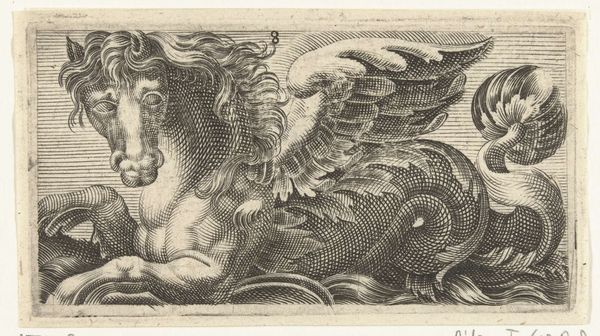
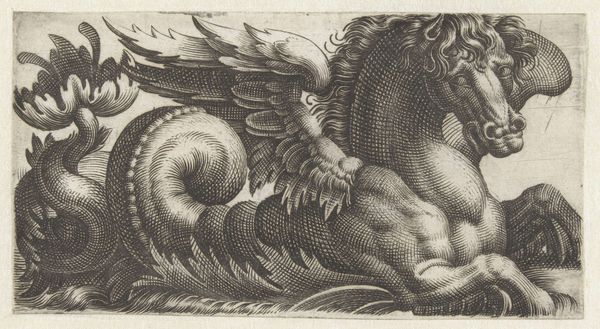
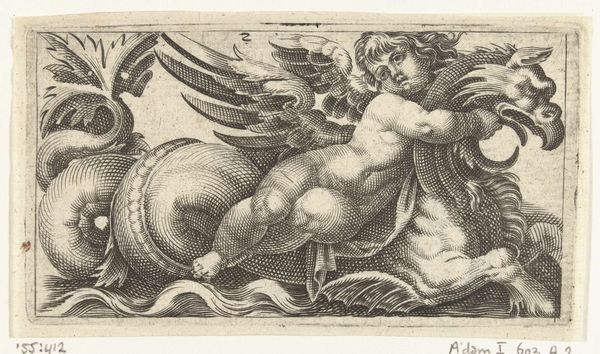
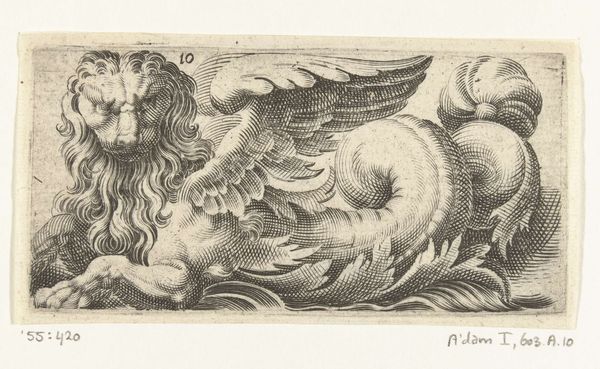
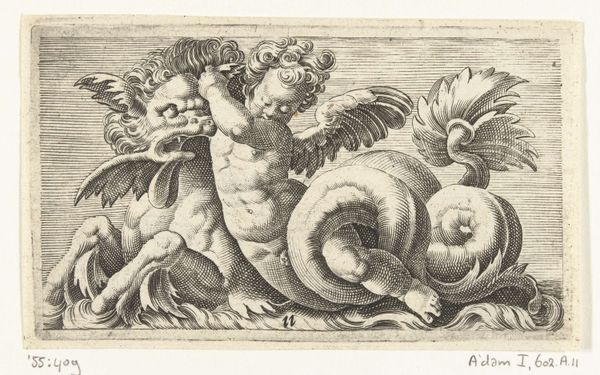
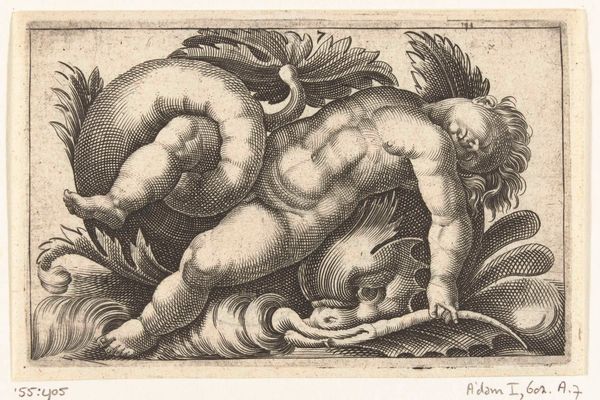
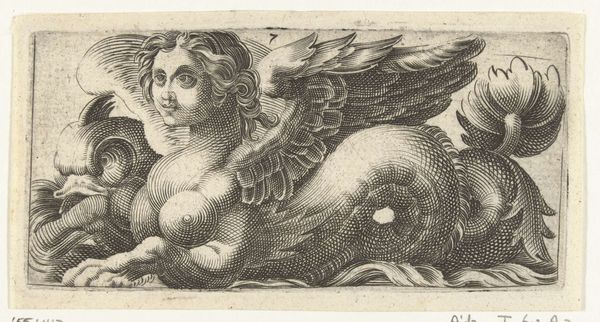
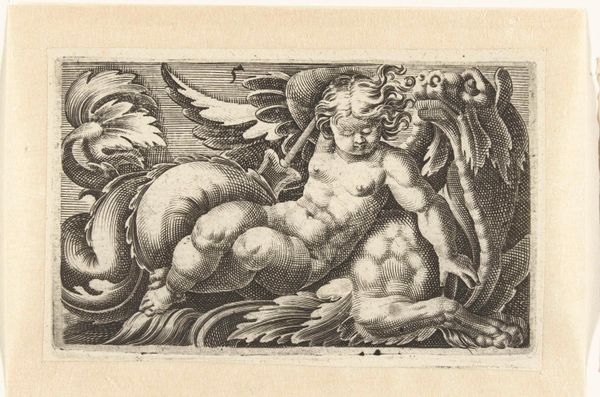
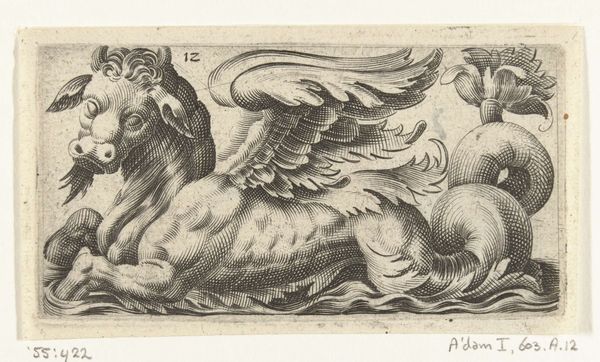
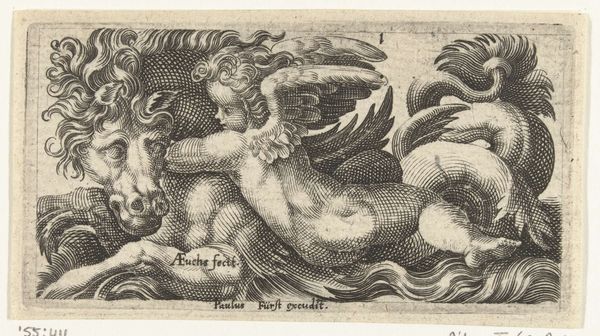
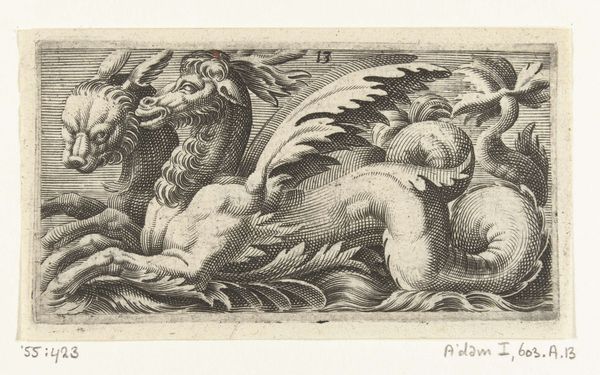
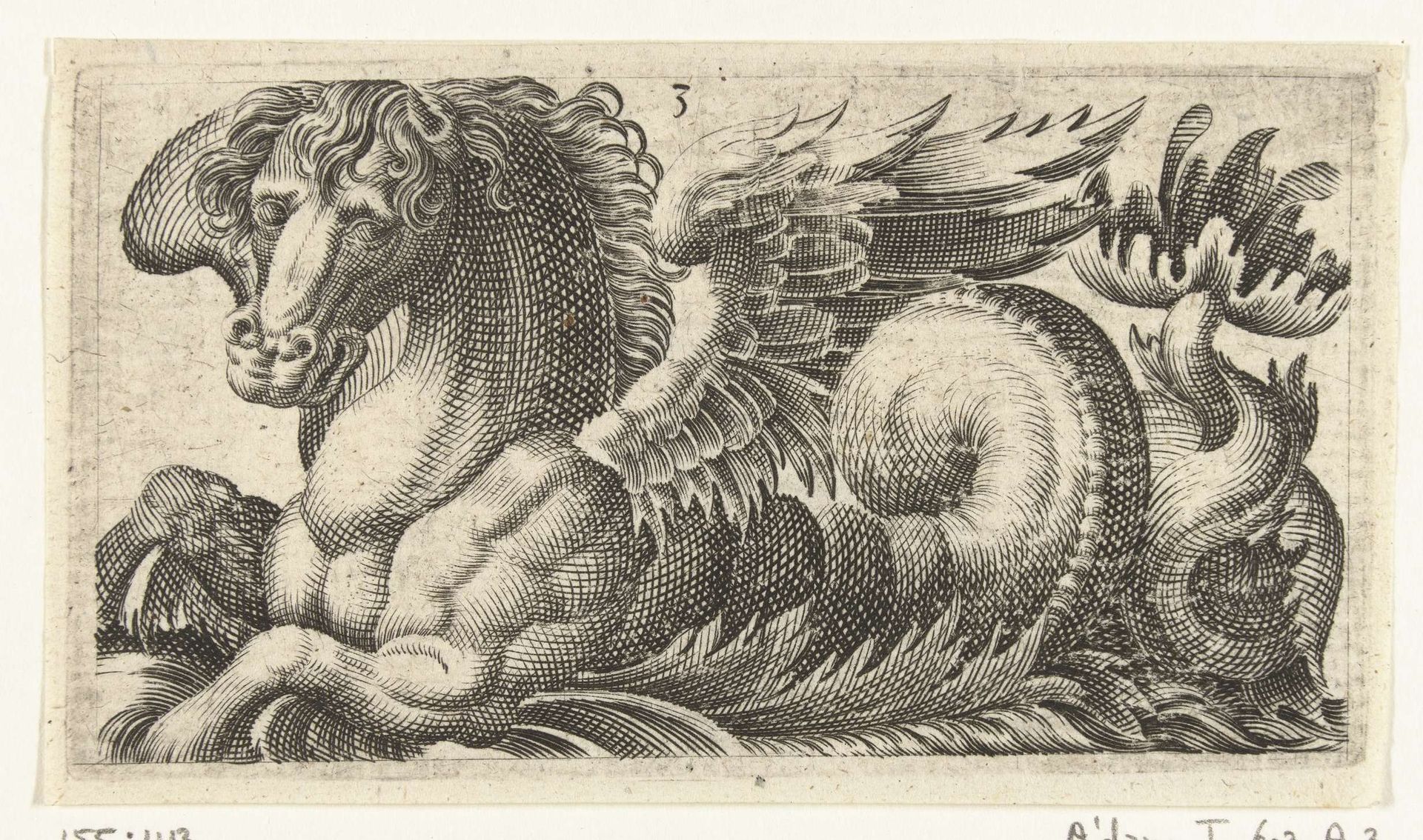
This "Gevleugeld zeepaard" (Winged seahorse) was made by Adam Fuchs around 1600, using the technique of etching. The etcher's art lies in the controlled erosion of metal. First, a copper plate is coated with a waxy, acid-resistant ground. The artist then scratches an image into the ground, exposing the metal. When the plate is submerged in acid, the exposed lines are bitten, creating grooves. Ink is then applied, filling these grooves, and the plate is pressed onto paper. The process demands meticulous skill, both physical and chemical. The depth of the lines, the darkness of the print, all depend on timing and control. This particular print likely served as a design source for other artisans. Imagine a goldsmith, ceramicist, or cabinetmaker, all taking inspiration from this page. By understanding the handiwork involved, we recognize the true value and cultural significance of prints like these, and challenge the hierarchy between fine art and craft.
Gevleugeld zeepaard met aan het einde van zijn staart een open blad waaruit twee stampers steken
1526 - 1606

Adam Fuchs
1606Location
RijksmuseumArtwork details
- Medium
- print, engraving
- Dimensions
- height 59 mm, width 107 mm
- Location
- Rijksmuseum
- Copyright
- Rijks Museum: Open Domain
Tags
Comments
Share your thoughts
About this artwork
This "Gevleugeld zeepaard" (Winged seahorse) was made by Adam Fuchs around 1600, using the technique of etching. The etcher's art lies in the controlled erosion of metal. First, a copper plate is coated with a waxy, acid-resistant ground. The artist then scratches an image into the ground, exposing the metal. When the plate is submerged in acid, the exposed lines are bitten, creating grooves. Ink is then applied, filling these grooves, and the plate is pressed onto paper. The process demands meticulous skill, both physical and chemical. The depth of the lines, the darkness of the print, all depend on timing and control. This particular print likely served as a design source for other artisans. Imagine a goldsmith, ceramicist, or cabinetmaker, all taking inspiration from this page. By understanding the handiwork involved, we recognize the true value and cultural significance of prints like these, and challenge the hierarchy between fine art and craft.
Comments
Share your thoughts