About this artwork
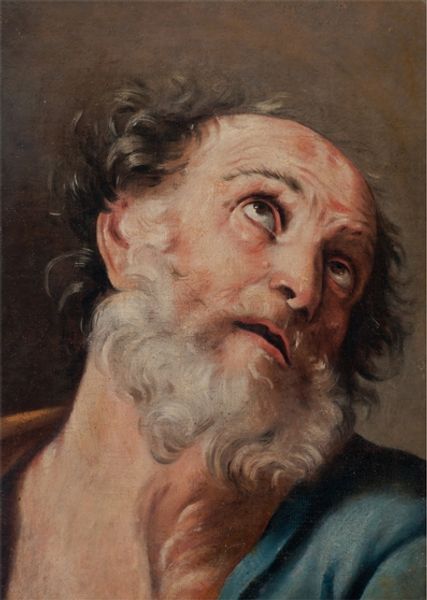
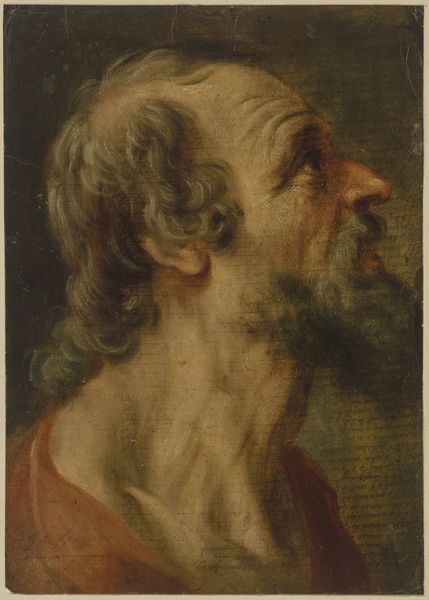
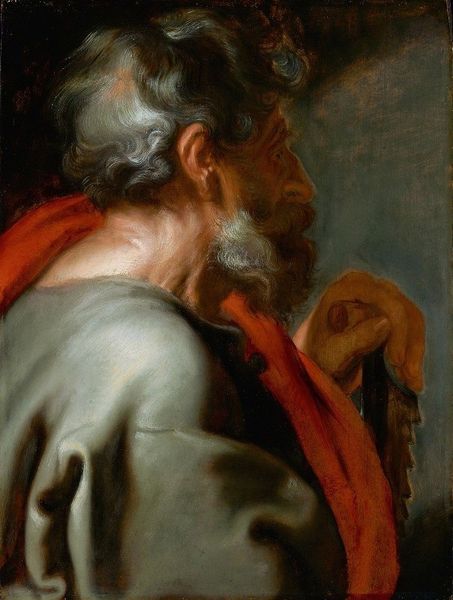
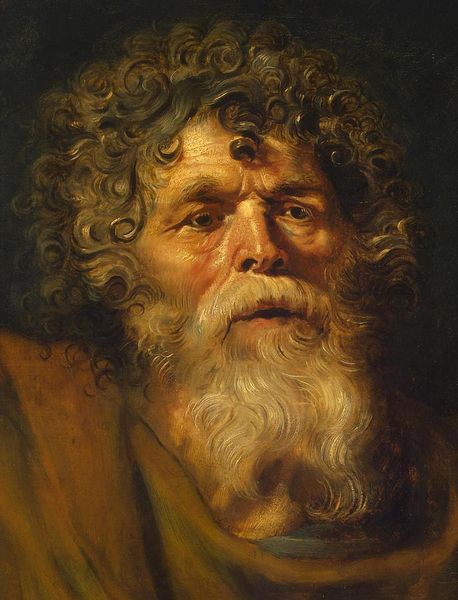
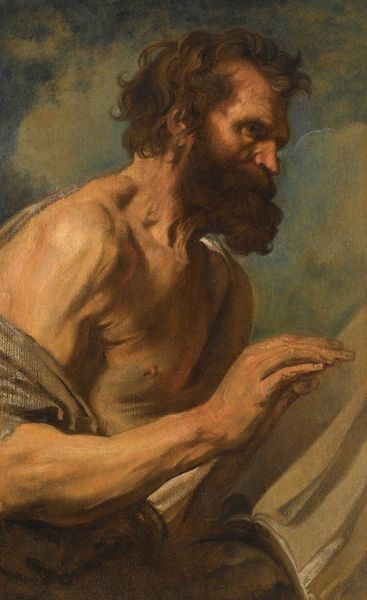
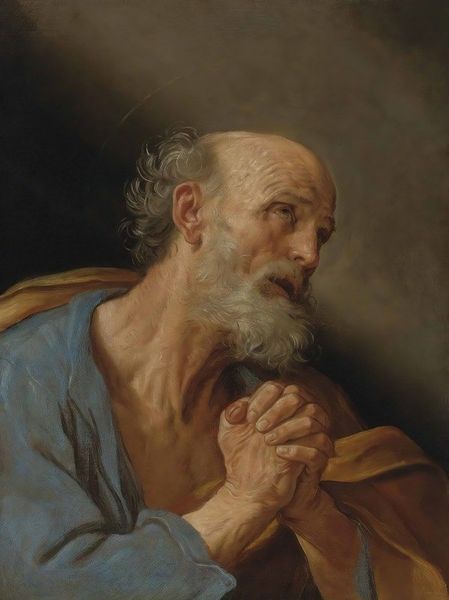
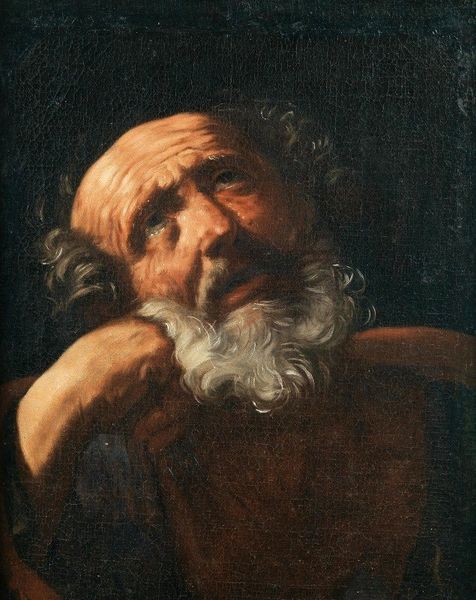
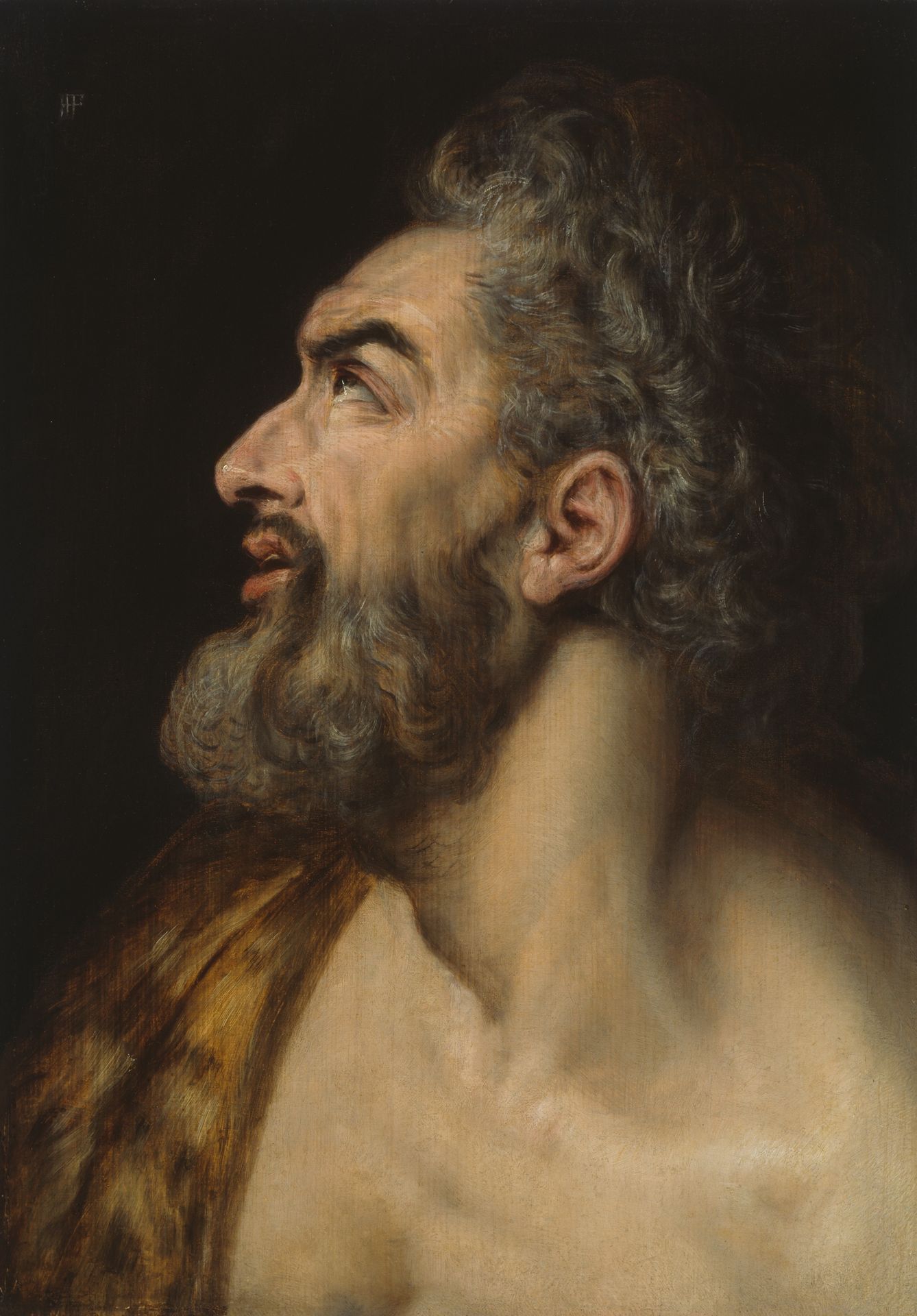
Frans Floris I created this study head of a bearded man, rendered in oil on panel, capturing a figure in profound contemplation. The upward gaze, a recurring motif in Renaissance art, invites us to consider the spiritual aspirations of the era, symbolizing a connection to divine realms. The figure’s fur stole evokes primordial strength, reminiscent of classical heroes clad in animal hides, like Hercules. Note how this symbol transcends cultures. In ancient Mesopotamia, figures adorned with animal skins signified power and divinity. In Floris's time, the symbol shifts, embodying a humanist interest in man's potential and virtue. Consider the psychological impact of this upward gaze. It conveys longing and perhaps a hint of melancholy, emotions that engage viewers on a deep subconscious level. This echoes the ancient concept of "furor," where intense emotion or divine inspiration drives human action. The symbol has experienced a cyclical progression. What was once a pagan symbol of power and divine blessing evolves into a symbol of Renaissance humanism, reflecting the shifting cultural and intellectual landscapes of the time.
Study Head of a Bearded Man c. 1565


Artwork details
- Dimensions
- 18 5/16 × 13 1/4 in. (46.5 × 33.6 cm)
- Location
- The Art Institute of Chicago
- Copyright
- Public Domain
Comments
No comments
About this artwork
Frans Floris I created this study head of a bearded man, rendered in oil on panel, capturing a figure in profound contemplation. The upward gaze, a recurring motif in Renaissance art, invites us to consider the spiritual aspirations of the era, symbolizing a connection to divine realms. The figure’s fur stole evokes primordial strength, reminiscent of classical heroes clad in animal hides, like Hercules. Note how this symbol transcends cultures. In ancient Mesopotamia, figures adorned with animal skins signified power and divinity. In Floris's time, the symbol shifts, embodying a humanist interest in man's potential and virtue. Consider the psychological impact of this upward gaze. It conveys longing and perhaps a hint of melancholy, emotions that engage viewers on a deep subconscious level. This echoes the ancient concept of "furor," where intense emotion or divine inspiration drives human action. The symbol has experienced a cyclical progression. What was once a pagan symbol of power and divine blessing evolves into a symbol of Renaissance humanism, reflecting the shifting cultural and intellectual landscapes of the time.
Comments
No comments