About this artwork
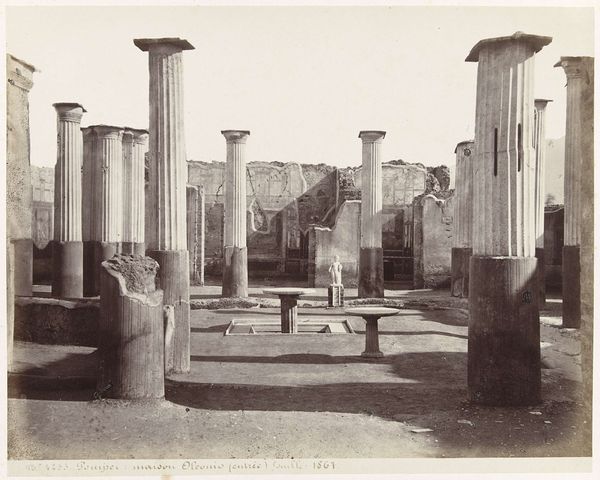
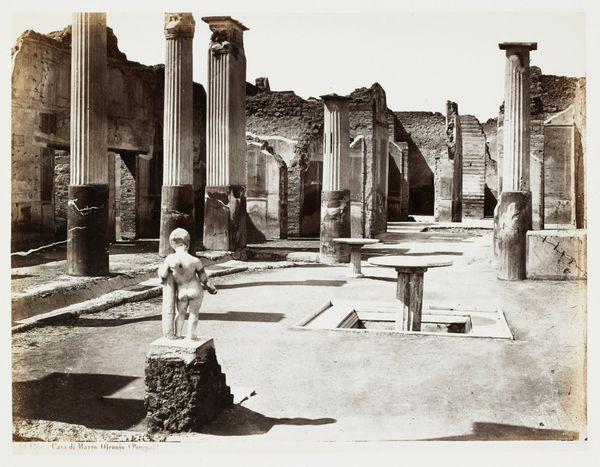
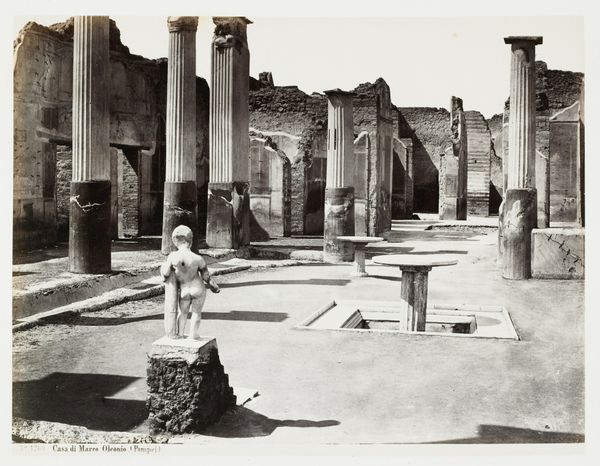
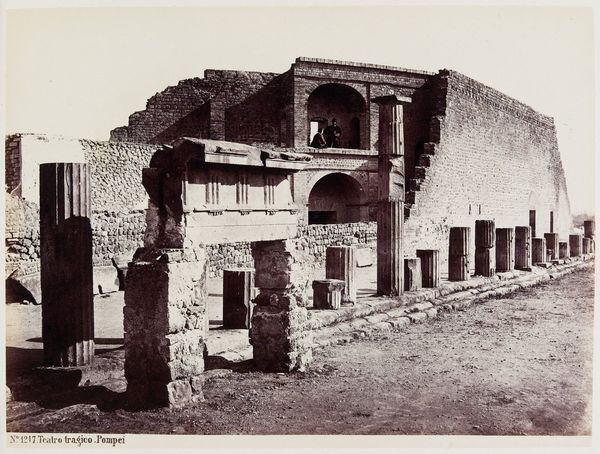
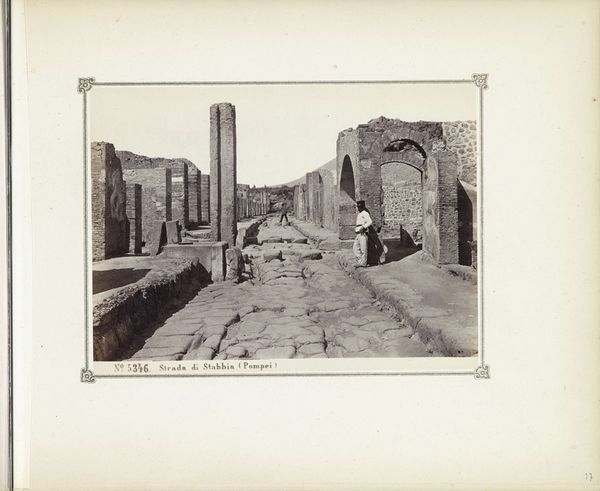
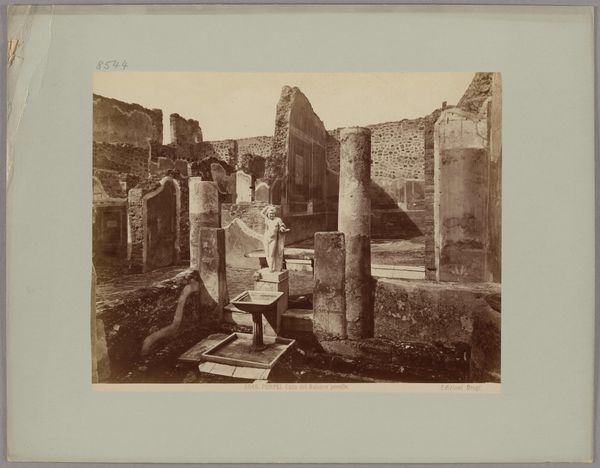
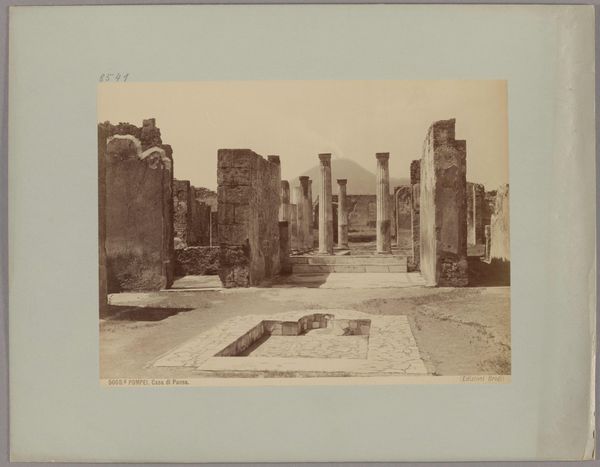
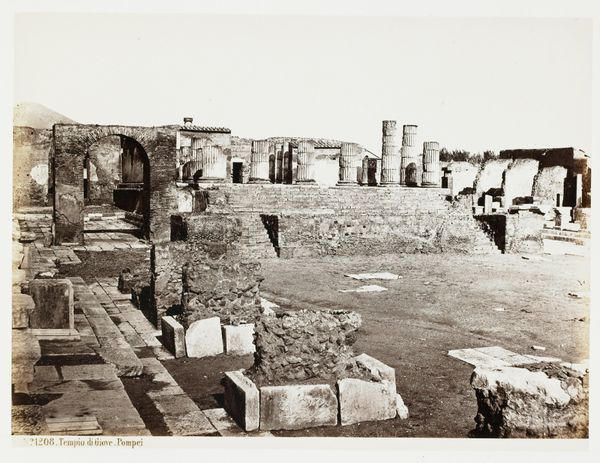
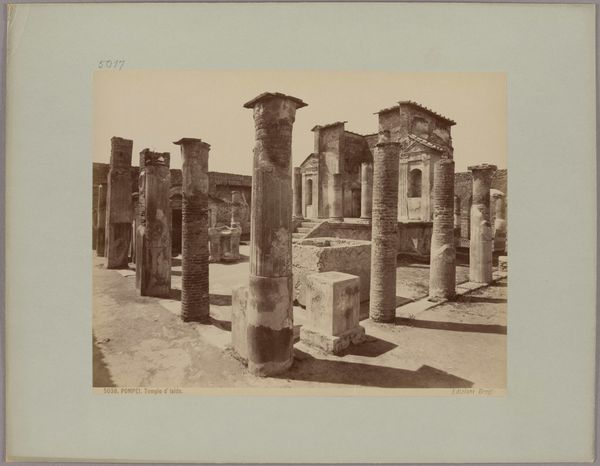
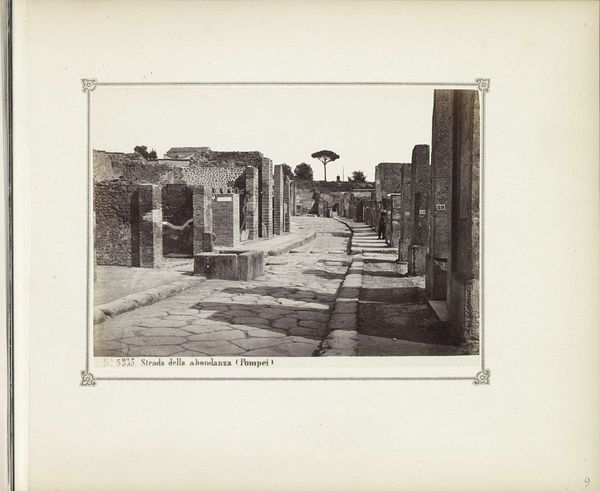
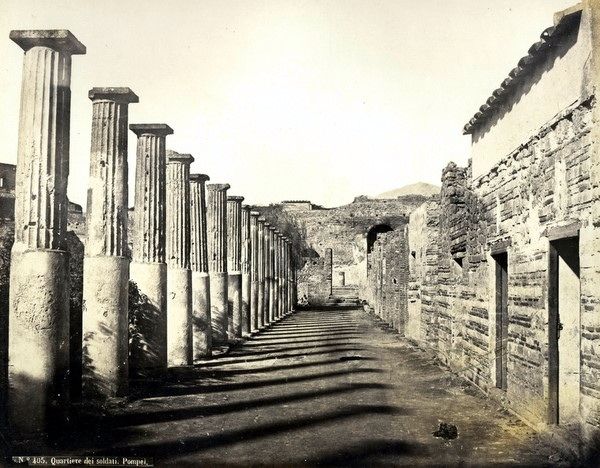
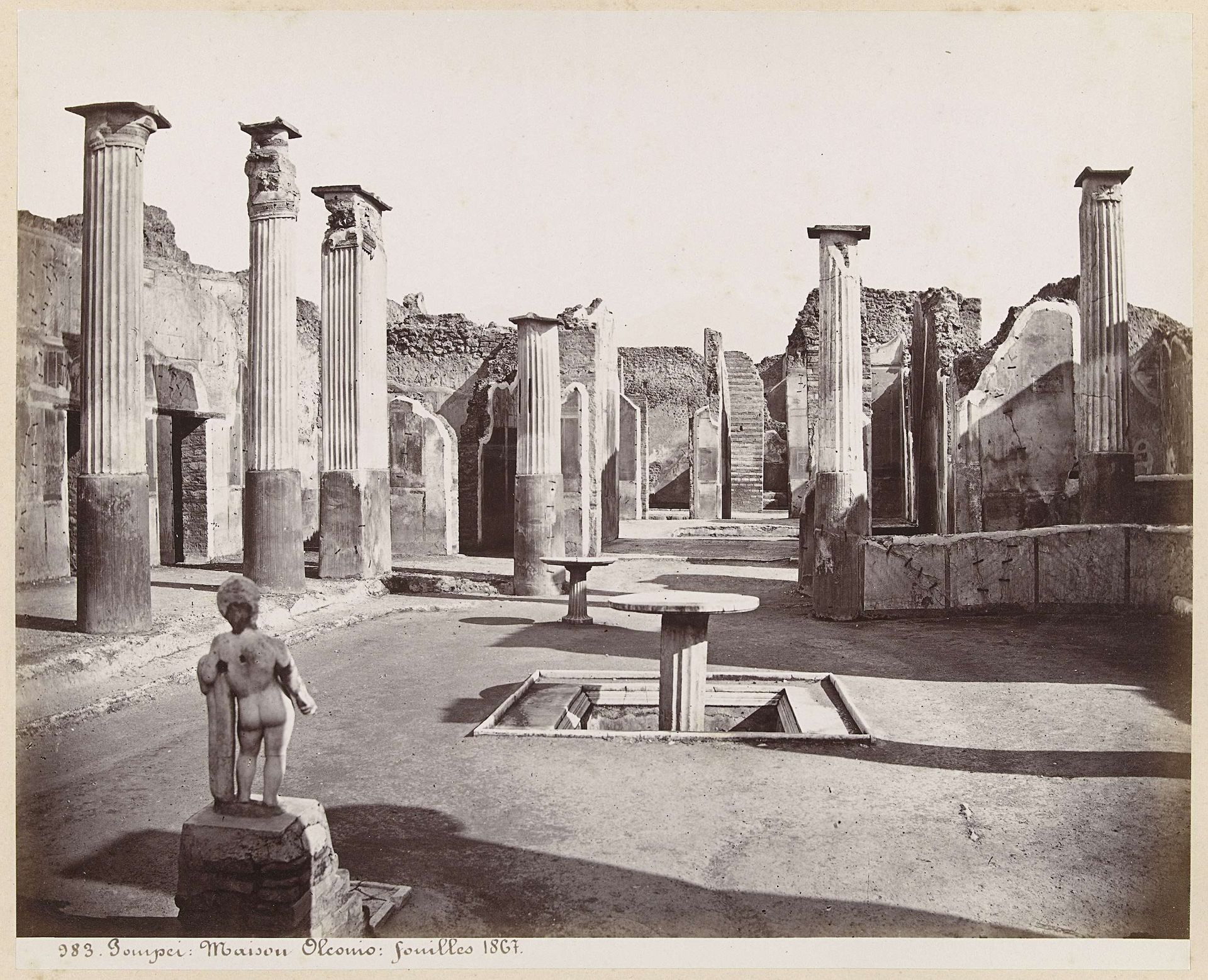
Giorgio Sommer made this albumen print titled 'Remains of the House of Oleonio in Pompeii, Italy' in 1861. Sommer, based in Naples, capitalized on the 19th-century fascination with ancient Roman life, particularly after the rediscovery of Pompeii. This image speaks volumes about how the past is consumed. In the 19th century, archaeology was as much about national pride and colonial ambition as it was about historical accuracy. Photography played a crucial role, documenting finds and disseminating images to a wide audience. Sommer's photos catered to tourists eager to possess a piece of antiquity, turning Pompeii into a spectacle. The stark contrast between the classical columns and the mundane objects of everyday life underscores the romanticism projected onto the ancient world. Today, historians continue to use photography archives, travelogues, and archaeological reports to understand not just the ancient world, but how later societies have interpreted and used its legacy.
Restanten van het huis van Oleonio in Pompeï, Italië
1867 - 1870

Giorgio Sommer
1834 - 1914Location
RijksmuseumArtwork details
- Medium
- print, photography, gelatin-silver-print
- Dimensions
- height 206 mm, width 252 mm, height 304 mm, width 402 mm
- Location
- Rijksmuseum
- Copyright
- Rijks Museum: Open Domain
Tags
Comments
Share your thoughts
About this artwork
Giorgio Sommer made this albumen print titled 'Remains of the House of Oleonio in Pompeii, Italy' in 1861. Sommer, based in Naples, capitalized on the 19th-century fascination with ancient Roman life, particularly after the rediscovery of Pompeii. This image speaks volumes about how the past is consumed. In the 19th century, archaeology was as much about national pride and colonial ambition as it was about historical accuracy. Photography played a crucial role, documenting finds and disseminating images to a wide audience. Sommer's photos catered to tourists eager to possess a piece of antiquity, turning Pompeii into a spectacle. The stark contrast between the classical columns and the mundane objects of everyday life underscores the romanticism projected onto the ancient world. Today, historians continue to use photography archives, travelogues, and archaeological reports to understand not just the ancient world, but how later societies have interpreted and used its legacy.
Comments
Share your thoughts