
Curatorial notes
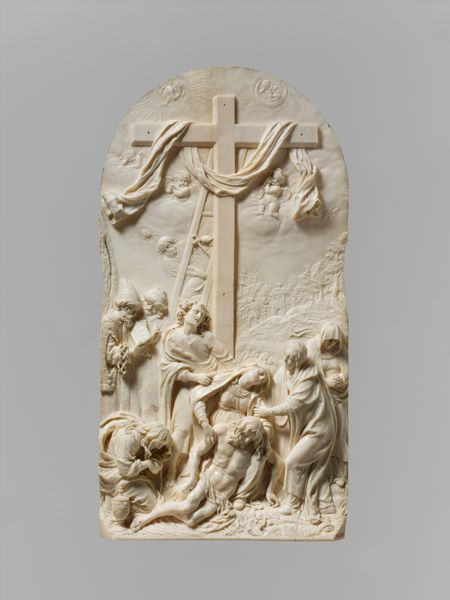
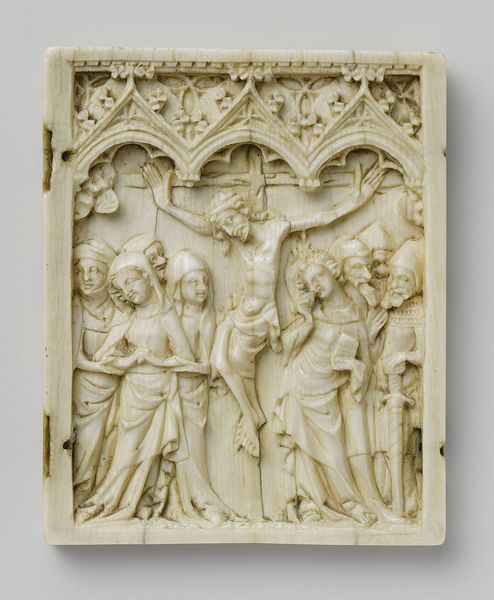
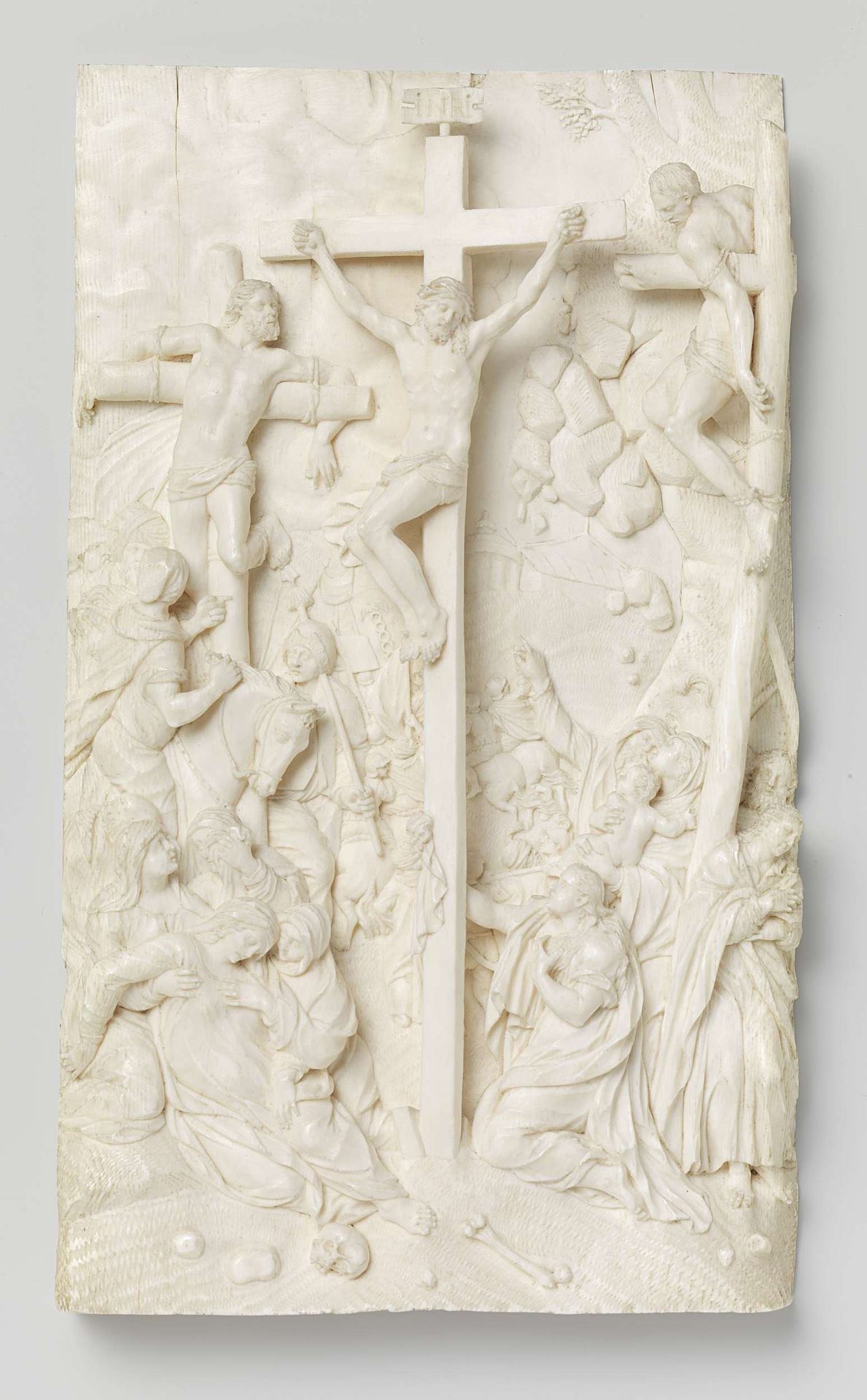
This ivory relief of the Crucifixion was created by Matthias Loth in the late 17th or early 18th century. At its heart is the cross, an ancient symbol predating Christianity, representing the intersection of the earthly and divine. In Loth's hands, it becomes the ultimate emblem of sacrifice and redemption. Note the figure of Christ, arms outstretched, echoing the ancient "orant" pose of prayer and supplication found in early Christian catacombs, thus linking the baroque with early Christian art. This gesture speaks to a profound emotional state, embodying both suffering and a plea for divine mercy. The skull at the base of the cross, a "memento mori", urges us to reflect on our mortality, a symbol that resurfaces across centuries, from ancient Roman art to vanitas paintings. The power of these symbols lies in their cyclical return, each time imbued with new emotional and cultural weight, reflecting our collective memory and subconscious engagement with the timeless themes of life, death, and spiritual transcendence.