About this artwork
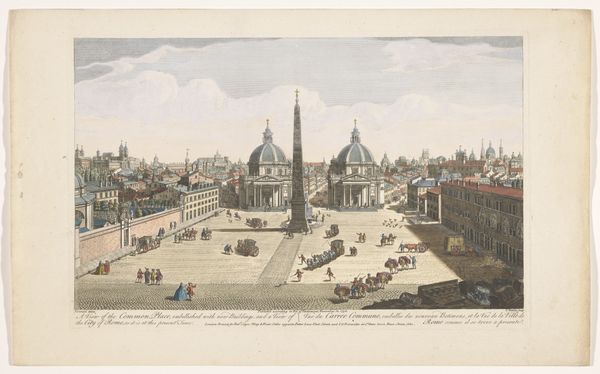
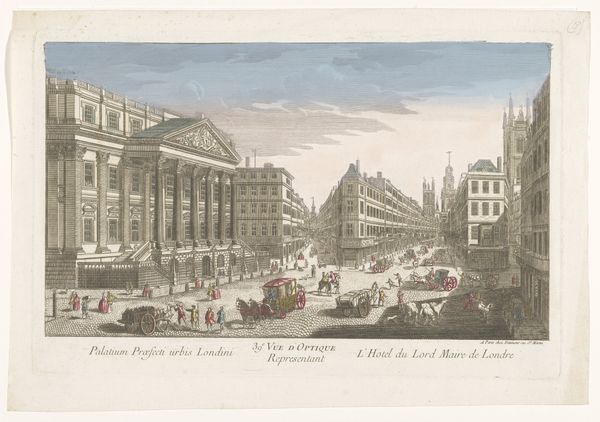
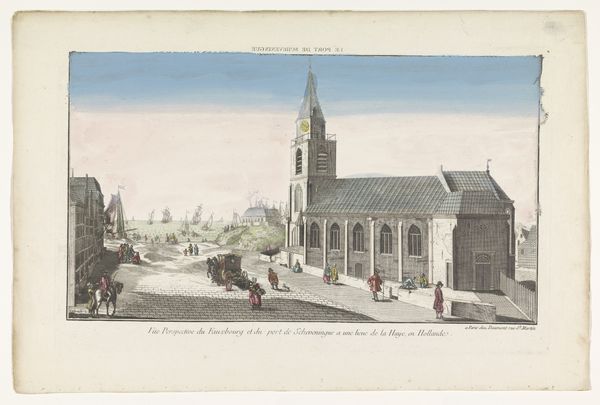
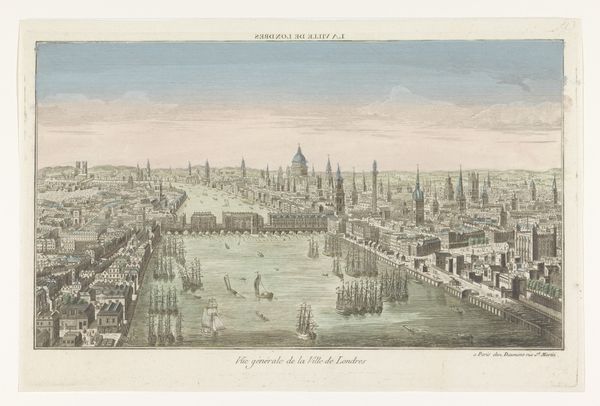
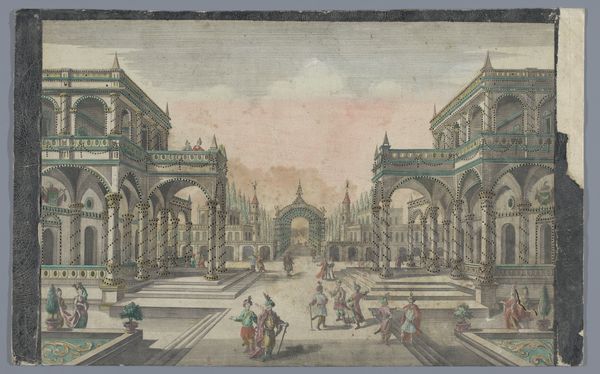
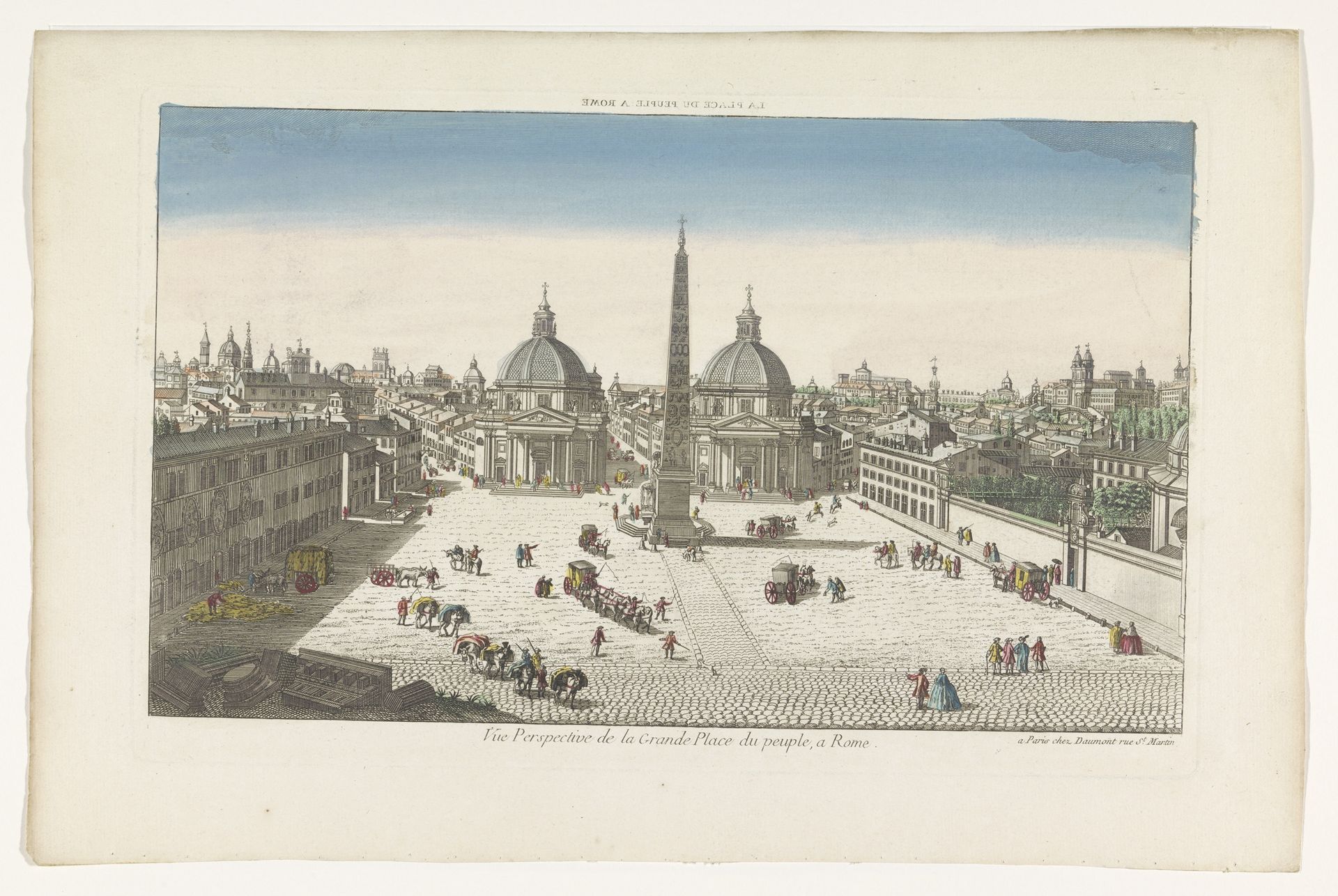
Jean-François Daumont’s "Gezicht op het Piazza del Popolo te Rome" captures a bird’s eye view of the Piazza del Popolo in Rome. While the exact date of the work is unknown, Daumont was active during a time of significant social stratification and political upheaval across Europe. This print invites us to consider the power dynamics inherent in urban planning and representation. The Piazza, designed as a grand entrance to Rome, was a stage for both religious processions and secular displays of power, shaping the experience of the city for different social classes. Observe the figures populating the scene. How does Daumont portray the diversity of people who inhabited and traversed this space? Are there signs of social hierarchy in their dress or activities? This work encourages us to consider whose stories are being told and whose are being overlooked in grand narratives of urban development and cultural heritage.
Gezicht op het Piazza del Popolo te Rome 1745 - 1775

Jean-François Daumont
1775Location
RijksmuseumArtwork details
- Medium
- print, etching
- Dimensions
- height 266 mm, width 422 mm
- Location
- Rijksmuseum
- Copyright
- Rijks Museum: Open Domain
Tags
baroque
etching
landscape
perspective
cityscape
genre-painting
watercolor
Comments
No comments
About this artwork
Jean-François Daumont’s "Gezicht op het Piazza del Popolo te Rome" captures a bird’s eye view of the Piazza del Popolo in Rome. While the exact date of the work is unknown, Daumont was active during a time of significant social stratification and political upheaval across Europe. This print invites us to consider the power dynamics inherent in urban planning and representation. The Piazza, designed as a grand entrance to Rome, was a stage for both religious processions and secular displays of power, shaping the experience of the city for different social classes. Observe the figures populating the scene. How does Daumont portray the diversity of people who inhabited and traversed this space? Are there signs of social hierarchy in their dress or activities? This work encourages us to consider whose stories are being told and whose are being overlooked in grand narratives of urban development and cultural heritage.
Comments
No comments