About this artwork
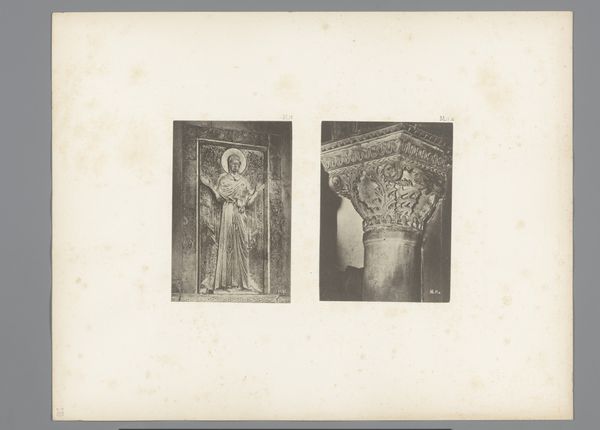
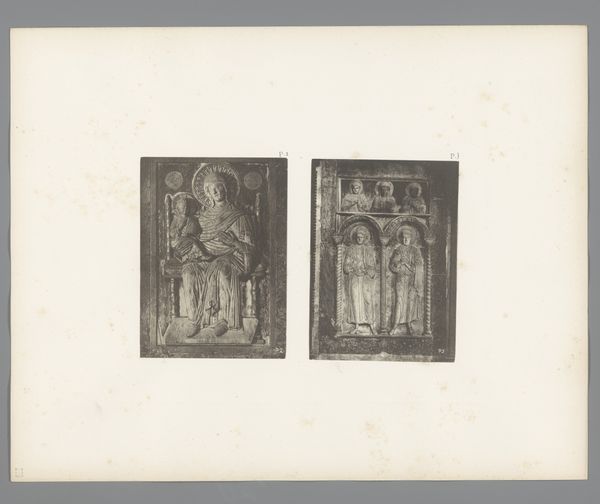
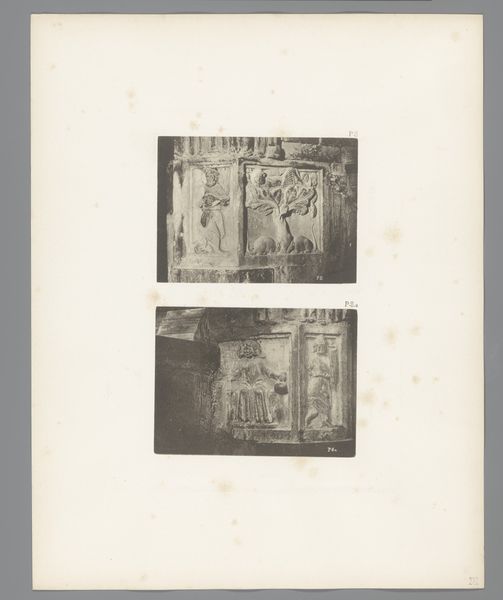
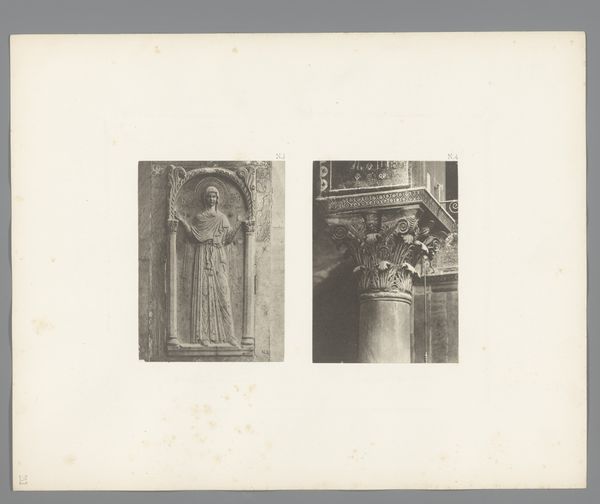
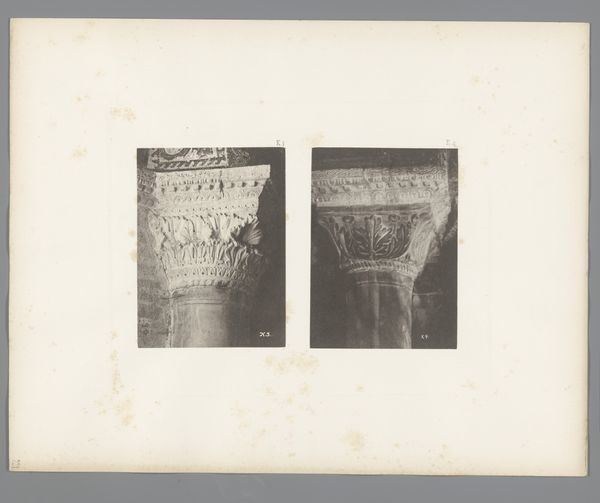
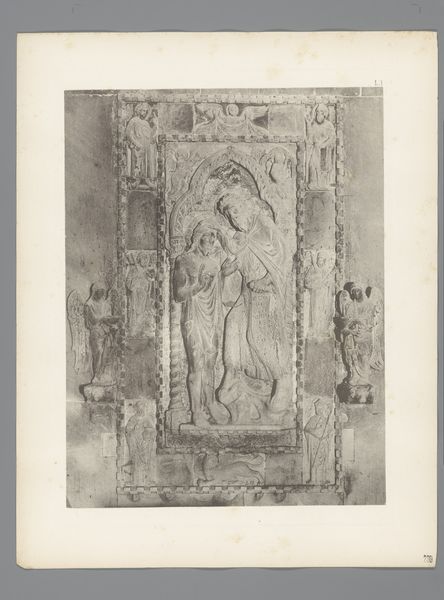
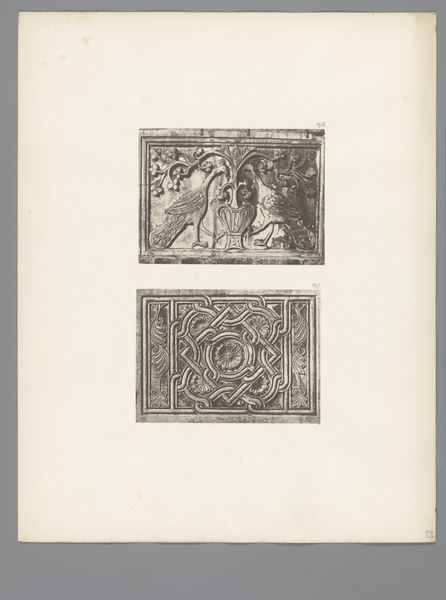
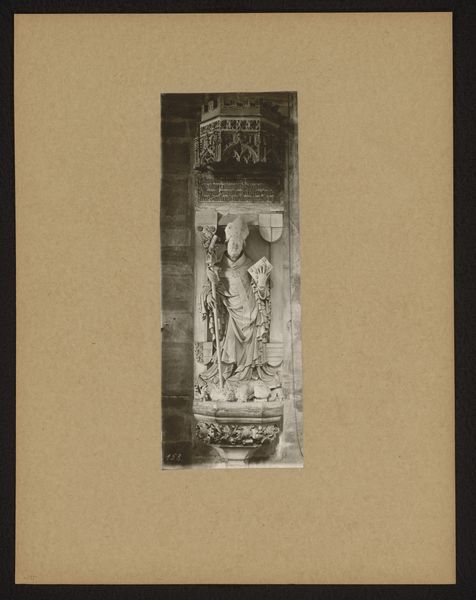
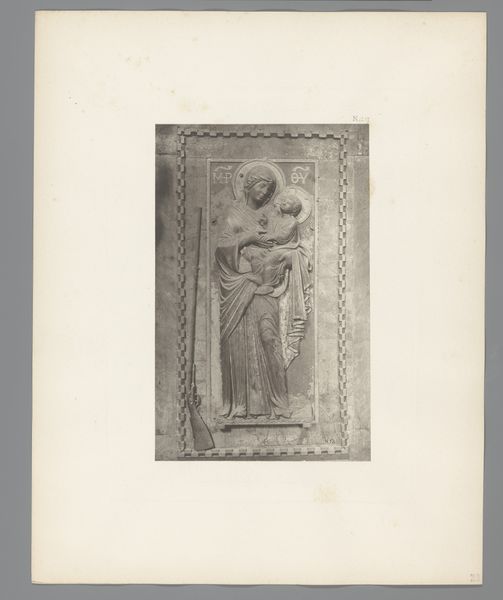
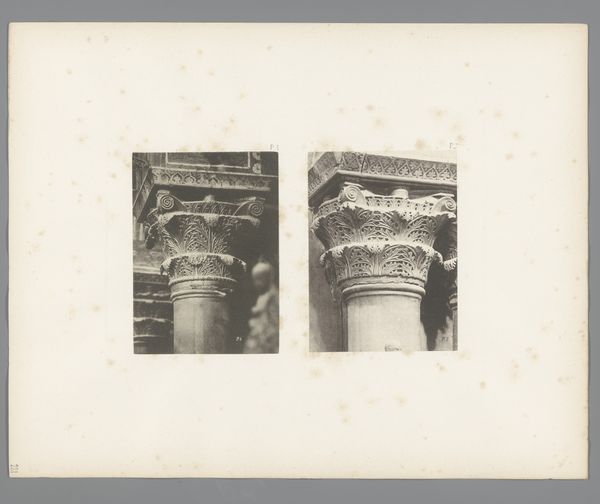
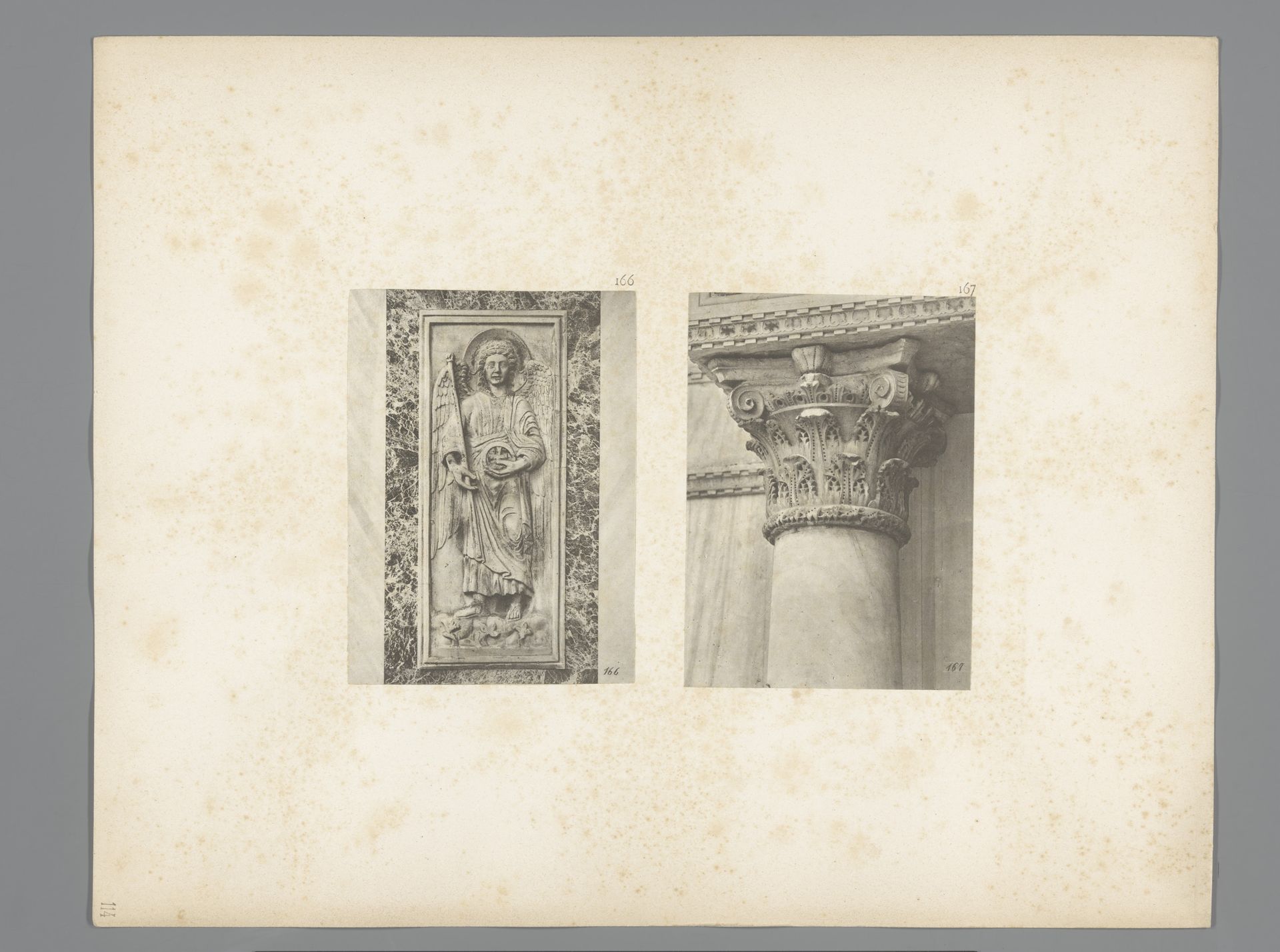
Carl Heinrich Jacobi captured this relief of an angel and a Corinthian capital from San Marco in Venice through the art of lithography. The angel, a messenger of divine will, is depicted holding what appears to be an orb, symbolizing dominion or perhaps salvation. The Corinthian capital to its side, with its acanthus leaves, speaks to a classical architectural language revived during the Renaissance. These motifs echo across cultures and epochs; the angel figure, for instance, recalls the winged deities of antiquity, transmuted through Christianity. The orb, too, finds resonance in the globus cruciger, a symbol of earthly power under divine mandate, wielded by emperors and kings. Consider the psychological weight of these symbols: the angel offers solace, while the capital asserts order and permanence. It is through such enduring symbols that we glimpse humanity's ongoing dialogue with the sacred.
Reliëf van een engel en een Korinthisch kapiteel van de San Marco in Venetië
before 1884

Artwork details
- Medium
- drawing, print, relief, sculpture, engraving, architecture
- Dimensions
- height 313 mm, width 393 mm
- Copyright
- Rijks Museum: Open Domain
Tags
Comments
Share your thoughts
About this artwork
Carl Heinrich Jacobi captured this relief of an angel and a Corinthian capital from San Marco in Venice through the art of lithography. The angel, a messenger of divine will, is depicted holding what appears to be an orb, symbolizing dominion or perhaps salvation. The Corinthian capital to its side, with its acanthus leaves, speaks to a classical architectural language revived during the Renaissance. These motifs echo across cultures and epochs; the angel figure, for instance, recalls the winged deities of antiquity, transmuted through Christianity. The orb, too, finds resonance in the globus cruciger, a symbol of earthly power under divine mandate, wielded by emperors and kings. Consider the psychological weight of these symbols: the angel offers solace, while the capital asserts order and permanence. It is through such enduring symbols that we glimpse humanity's ongoing dialogue with the sacred.
Comments
Share your thoughts