About this artwork
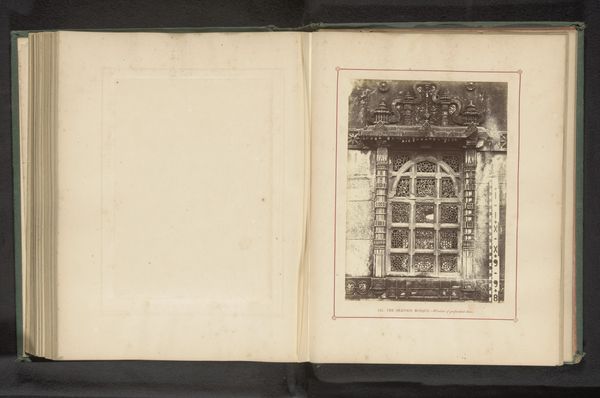
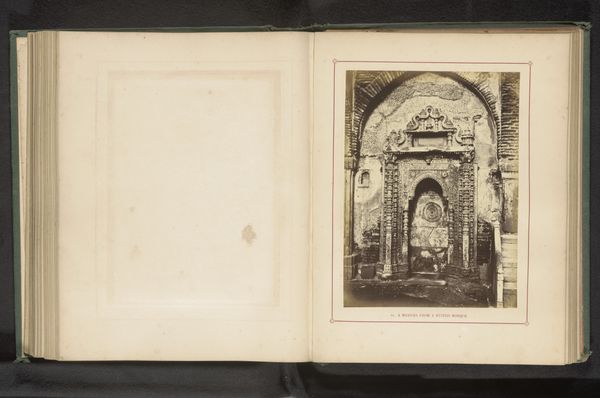
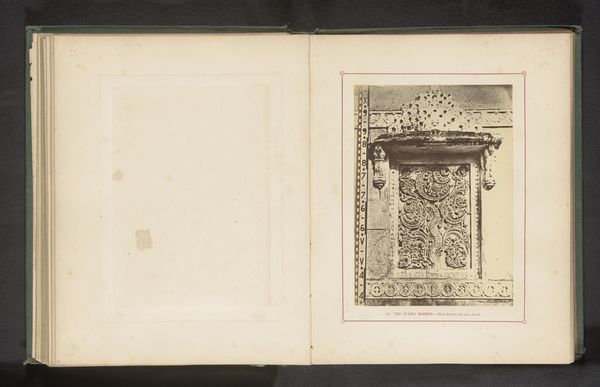
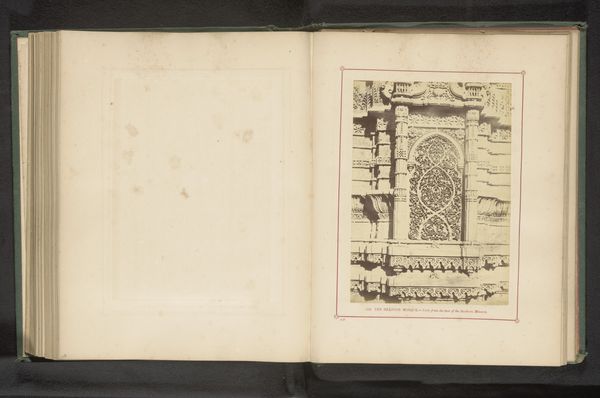
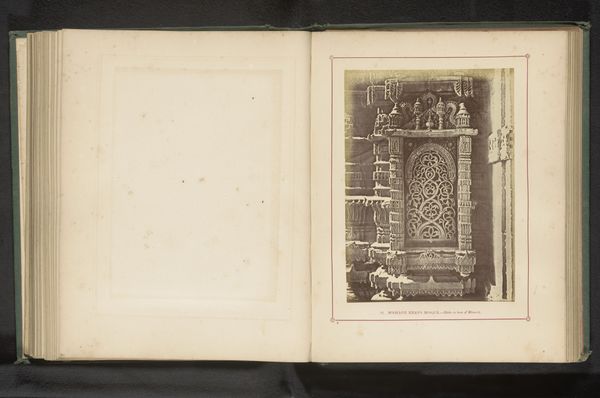
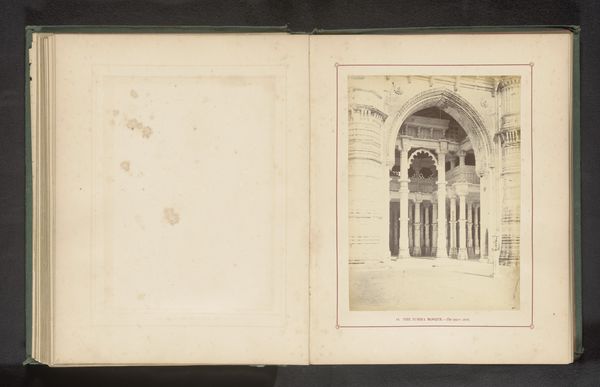
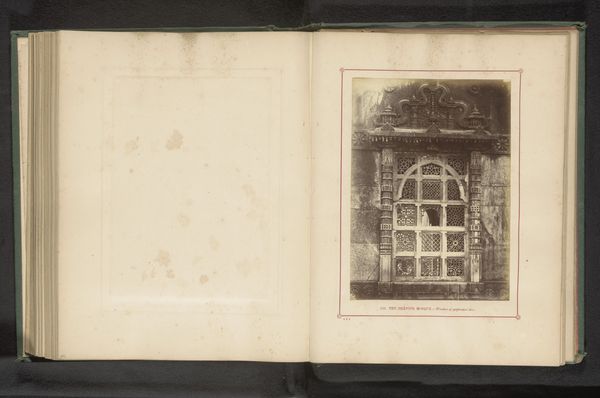
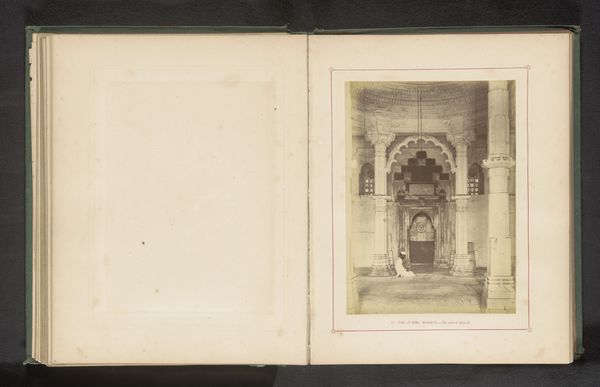
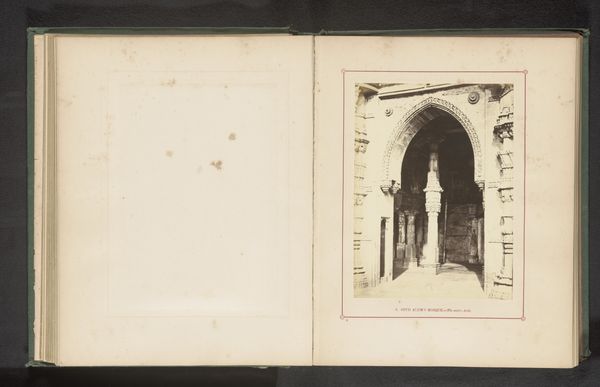
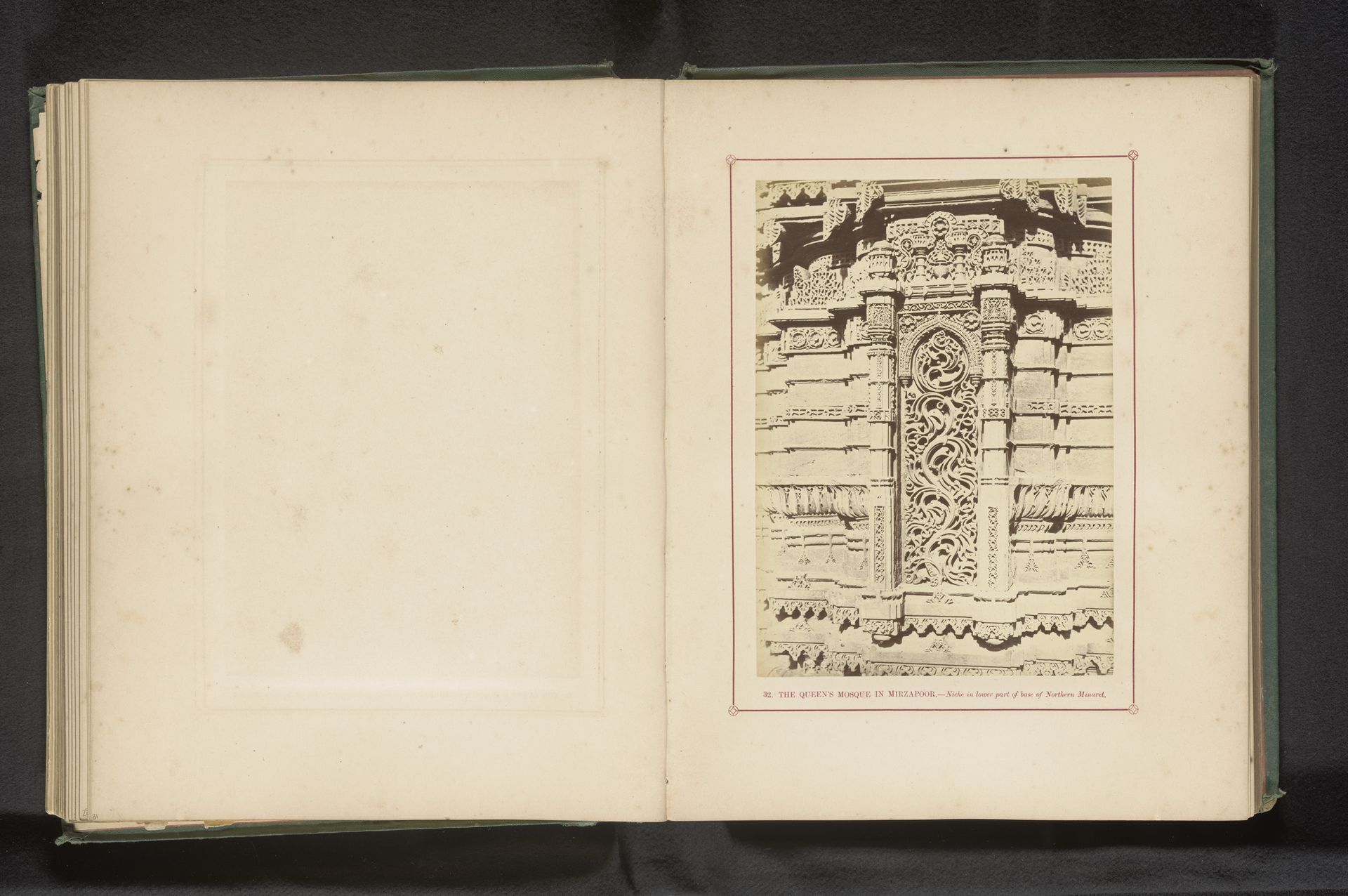
This is a photograph by Thomas Biggs titled "Decoratie op de basis van een minaret van de Rani Rupamati-moskee in Ahmedabad". The photograph captures the intricate ornamentation at the base of a minaret, focusing on its textural richness and structured complexity. The monochromatic palette emphasizes the play of light and shadow across the carved surfaces. The minaret's base is divided into horizontal registers, each displaying a unique pattern or motif, creating a layered visual experience. Biggs meticulously documents the geometric and organic forms, inviting a semiotic reading. The patterns are not merely decorative but are also signs carrying cultural and religious meanings. The photograph can be seen as engaging with architectural representation and as documentation of cultural heritage through a colonial lens. Notice how the structural elements, like the columns and archways, are integrated with the flowing, curvilinear designs. This integration highlights the philosophical tension between the structural and the ornamental, questioning established categories.
Decoratie op de basis van een minaret van de Rani Rupamati-moskee in Ahmedabad
before 1866

Artwork details
- Medium
- print, photography, architecture
- Dimensions
- height 189 mm, width 136 mm
- Copyright
- Rijks Museum: Open Domain
Tags
Comments
Share your thoughts
About this artwork
This is a photograph by Thomas Biggs titled "Decoratie op de basis van een minaret van de Rani Rupamati-moskee in Ahmedabad". The photograph captures the intricate ornamentation at the base of a minaret, focusing on its textural richness and structured complexity. The monochromatic palette emphasizes the play of light and shadow across the carved surfaces. The minaret's base is divided into horizontal registers, each displaying a unique pattern or motif, creating a layered visual experience. Biggs meticulously documents the geometric and organic forms, inviting a semiotic reading. The patterns are not merely decorative but are also signs carrying cultural and religious meanings. The photograph can be seen as engaging with architectural representation and as documentation of cultural heritage through a colonial lens. Notice how the structural elements, like the columns and archways, are integrated with the flowing, curvilinear designs. This integration highlights the philosophical tension between the structural and the ornamental, questioning established categories.
Comments
Share your thoughts