About this artwork
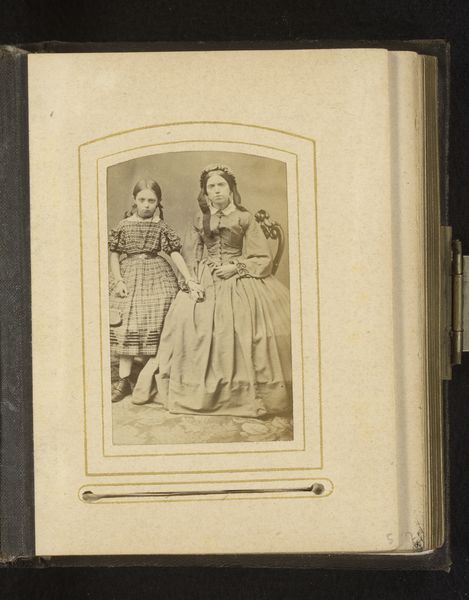
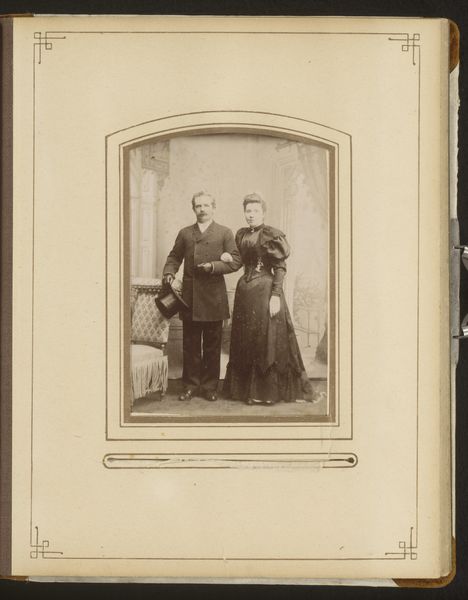
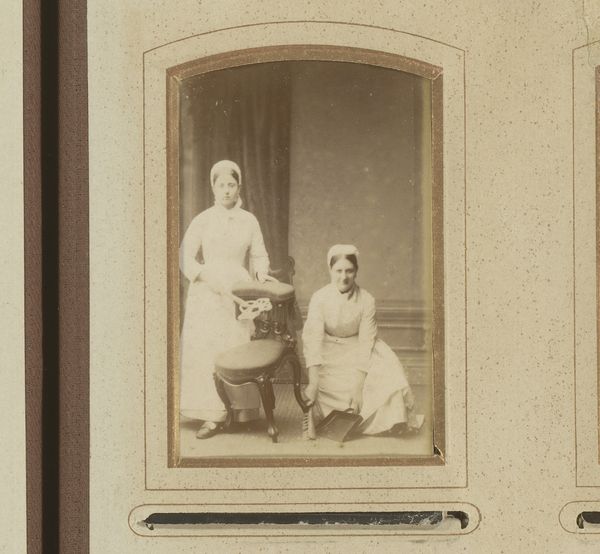
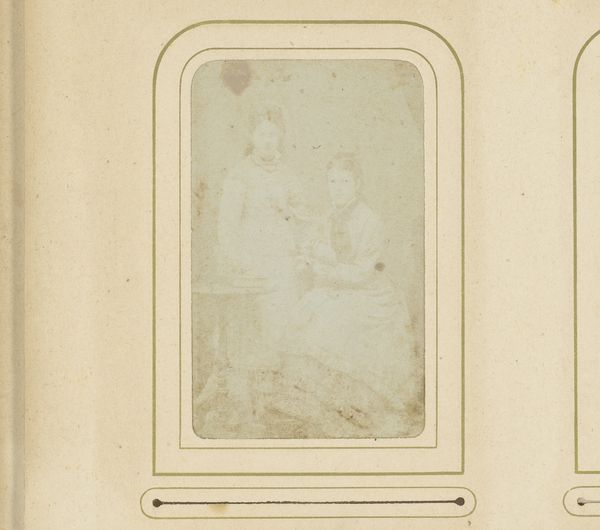
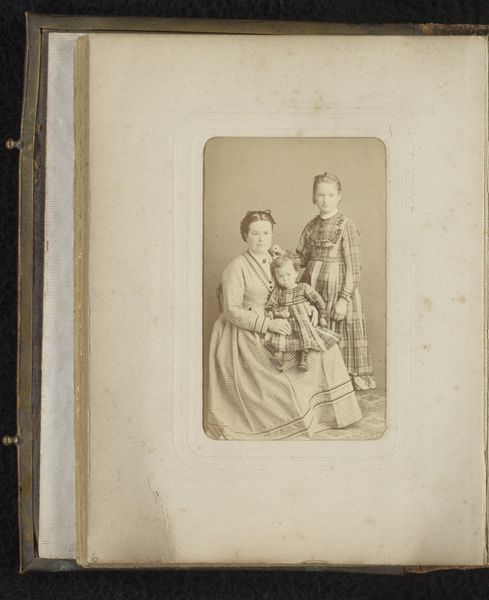
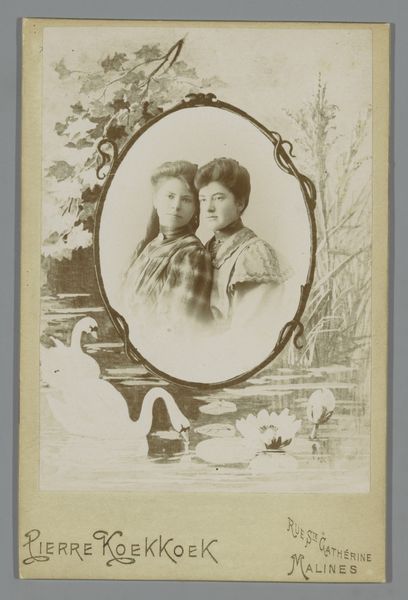
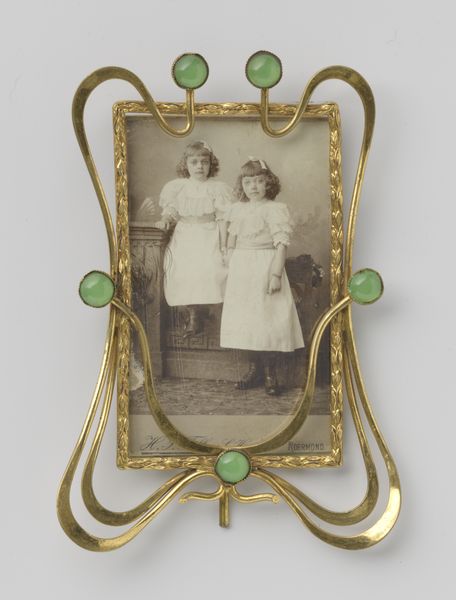
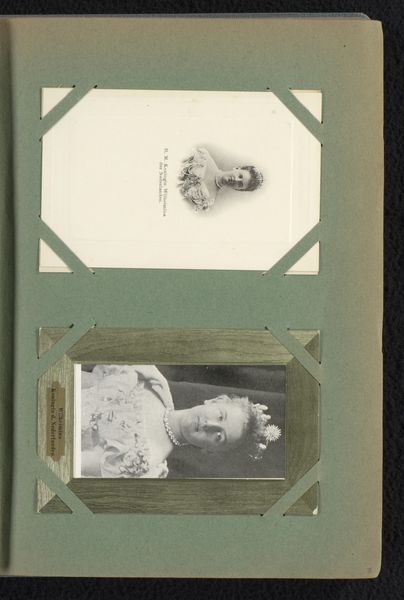
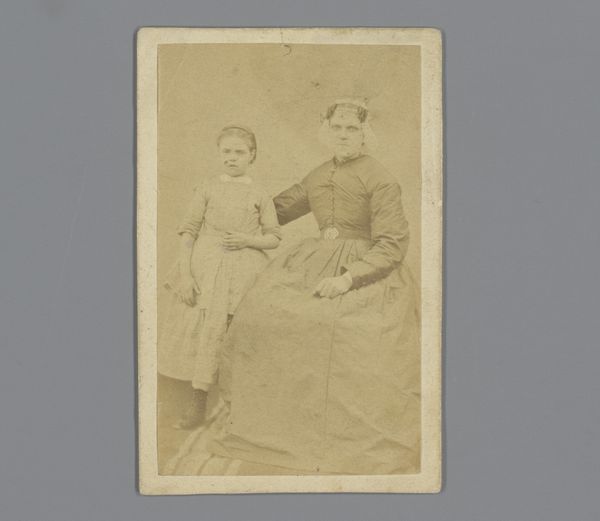
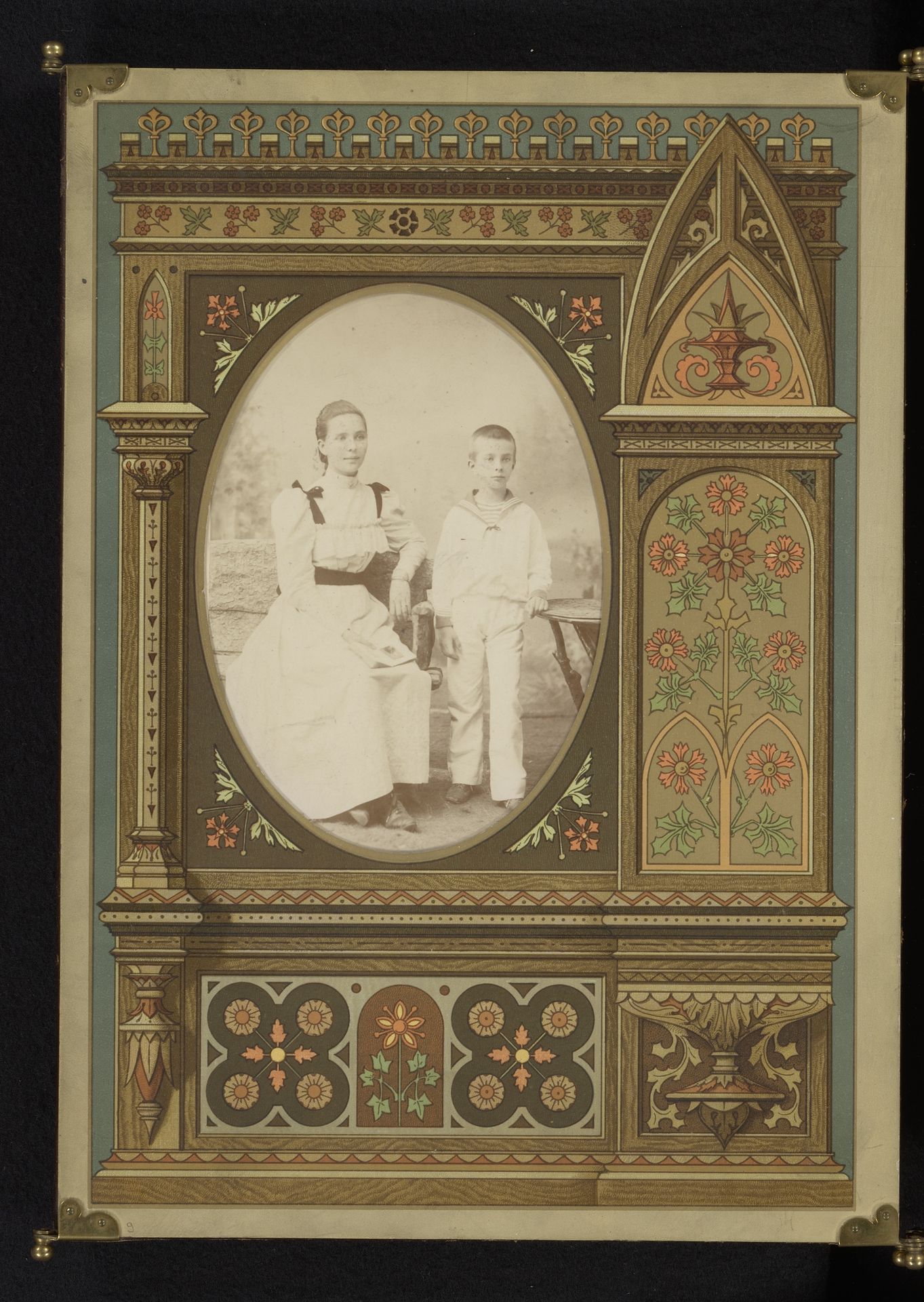
Louis Kunz created this portrait of a seated woman and a standing boy, printed on carte-de-visite, a calling card, and a popular form of photography in the 19th century. Consider this photograph within the context of 19th-century societal norms, when portraiture was a privilege of the middle and upper classes. The subjects in the photo, likely mother and son, are adorned in white garments; this signifies a certain level of economic status. The boy's sailor suit was a common fashion for children at the time, influenced by royal trends. The woman’s expression and posture are quite formal, reflecting the seriousness associated with portraiture of this era. However, there’s also an undeniable tenderness in the way they pose together, offering a glimpse into their personal relationship. Kunz's work gives us a window into the private lives of people during a transformative period. A period where class, gender, and familial bonds were both performed and lived.

Artwork details
- Medium
- photography
- Dimensions
- height 136 mm, width 96 mm
- Copyright
- Rijks Museum: Open Domain
Tags
portrait
brown tone
photography
tile art
brown and beige
dark colour palette
earthy tone
group-portraits
genre-painting
decorative-art
brown colour palette
Comments
No comments
About this artwork
Louis Kunz created this portrait of a seated woman and a standing boy, printed on carte-de-visite, a calling card, and a popular form of photography in the 19th century. Consider this photograph within the context of 19th-century societal norms, when portraiture was a privilege of the middle and upper classes. The subjects in the photo, likely mother and son, are adorned in white garments; this signifies a certain level of economic status. The boy's sailor suit was a common fashion for children at the time, influenced by royal trends. The woman’s expression and posture are quite formal, reflecting the seriousness associated with portraiture of this era. However, there’s also an undeniable tenderness in the way they pose together, offering a glimpse into their personal relationship. Kunz's work gives us a window into the private lives of people during a transformative period. A period where class, gender, and familial bonds were both performed and lived.
Comments
No comments