About this artwork
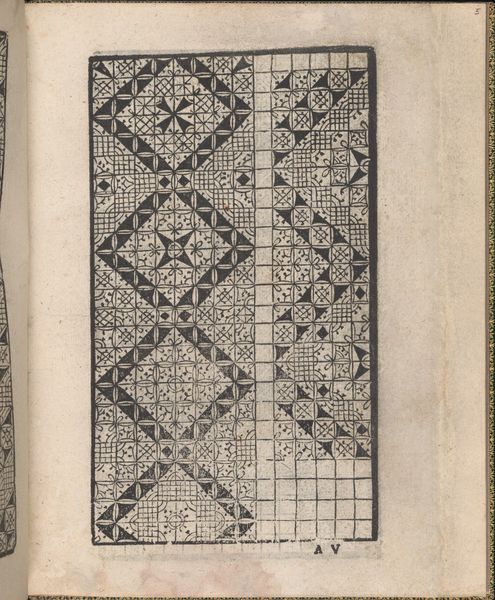
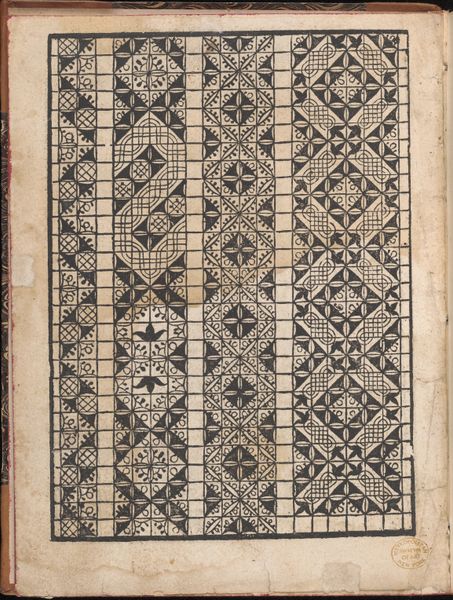
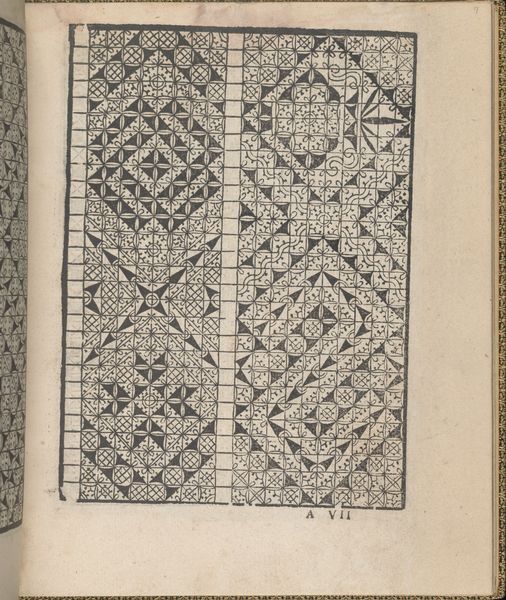
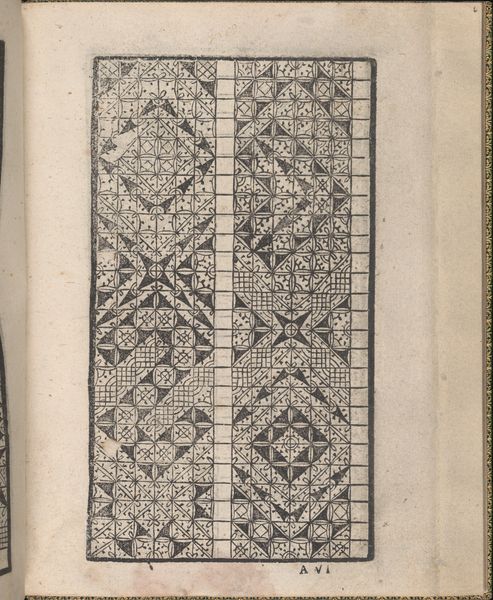
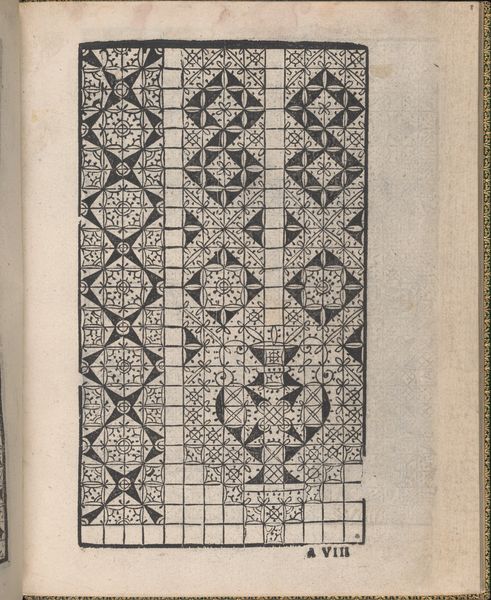
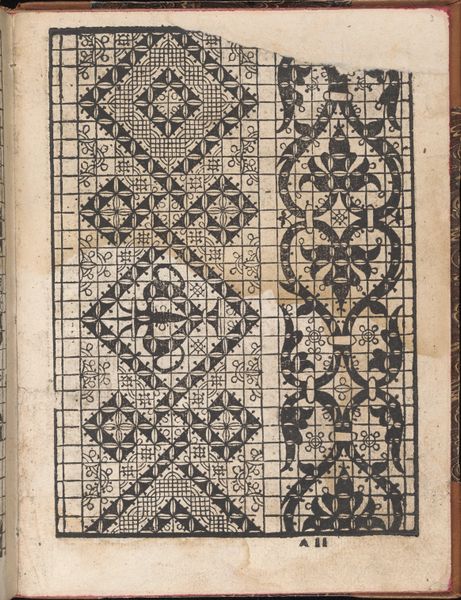
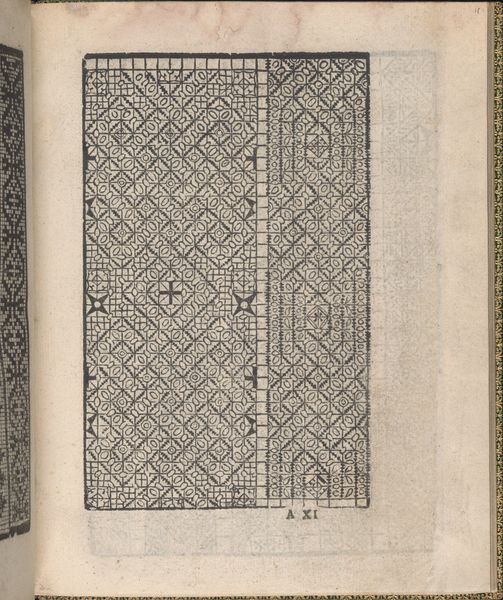
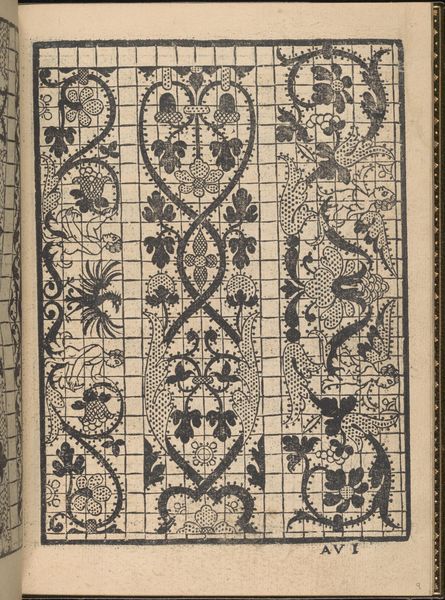
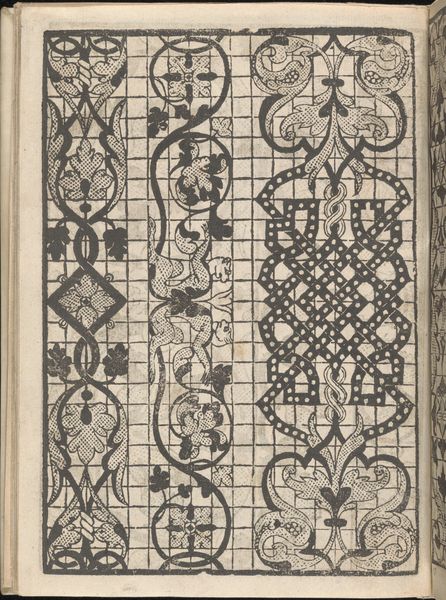
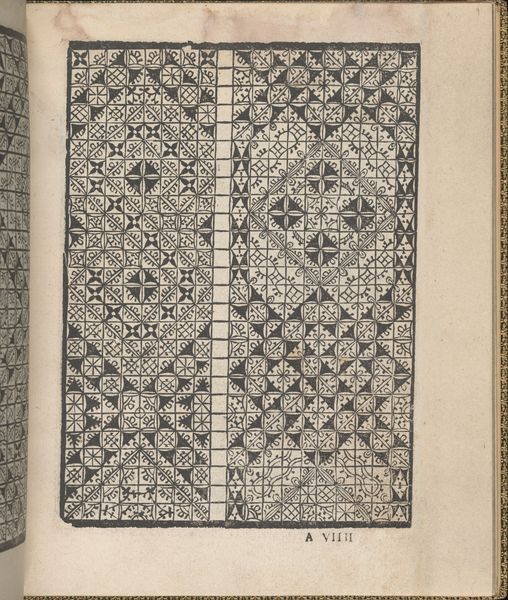
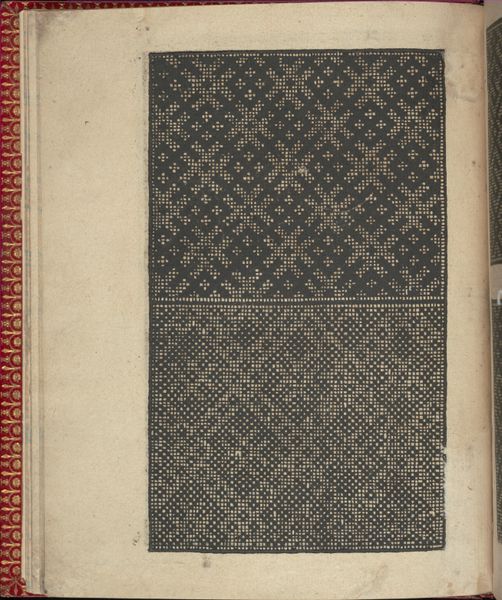
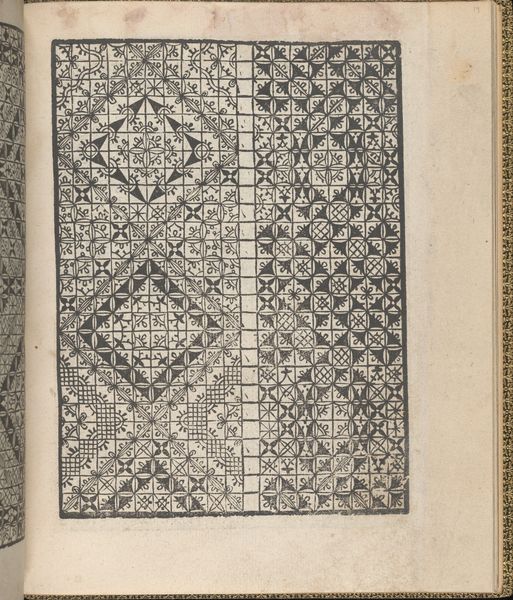
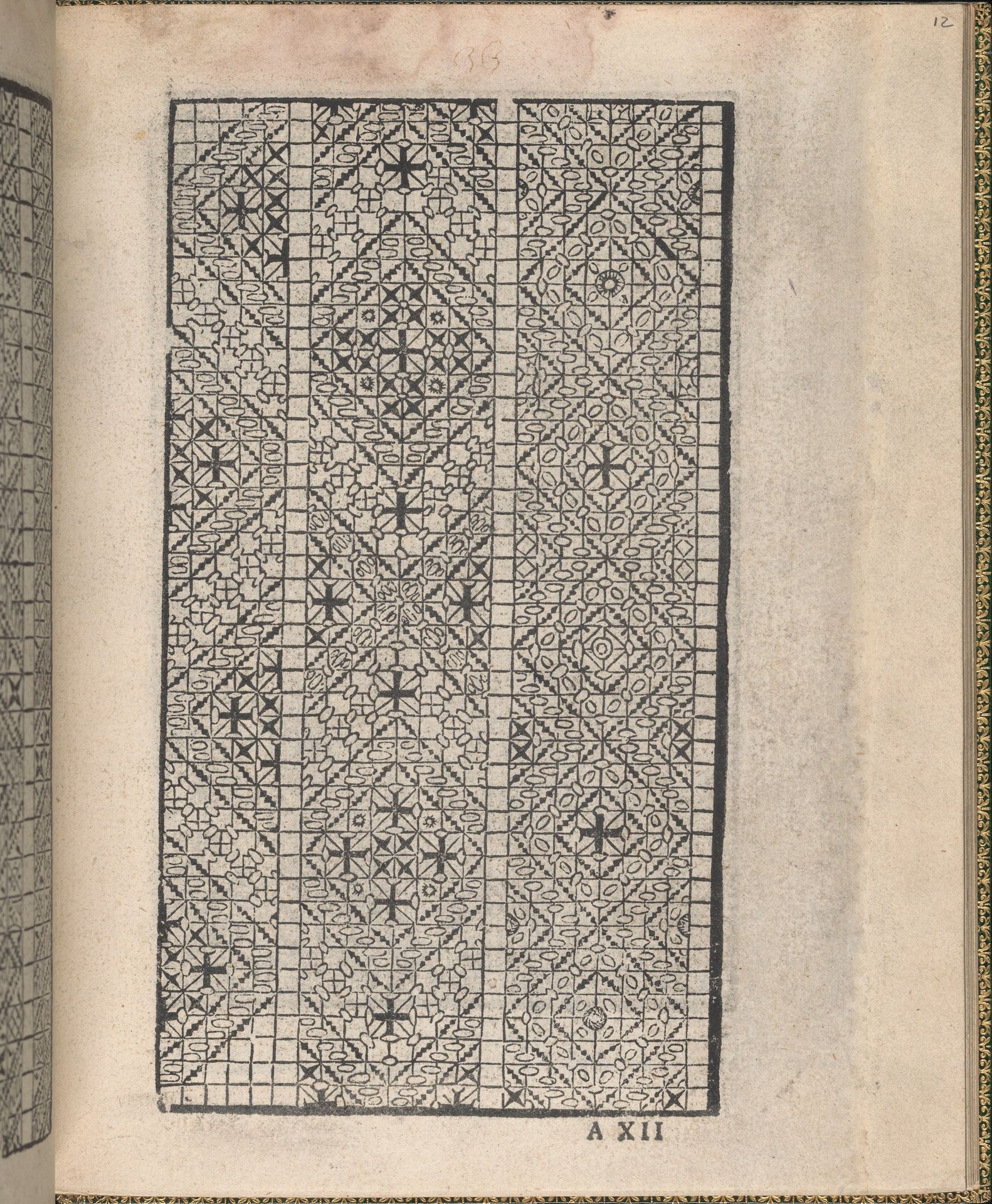
This is a page of "Ornamento delle belle & virtuose donne", an etched book by Matteo Pagano from 16th century Venice. Here, potent symbols, steeped in historical weight, present themselves: crosses, geometric grids, and floral rosettes dance across the page. The cross, an ancient symbol of sacrifice, transcends its Christian origins, echoing pagan sun-wheels and ancient crossroads. In antiquity, the grid symbolized order and control over chaos. And rosettes, blooming in various guises, appear as primordial symbols of life and cyclical renewal. Consider these motifs, echoing through time. These patterns reappear in Minoan labyrinths, Gothic cathedrals, and even in modern Op Art. How do these symbols, encoded in our cultural memory, elicit a response when we see them repeated? It is as if the artist has tapped into a deep psychological wellspring, inviting viewers to partake in an almost ritualistic engagement with form and memory. Observe how these symbols evolve, adapting to cultural shifts. The same cross, once a pagan emblem, now adorns Christian churches. These symbols are like rivers, carving new paths, yet forever flowing from the same source.
Ornamento delle belle & virtuose donne, page 7 (recto)
1554


Artwork details
- Medium
- drawing, graphic-art, print, engraving
- Dimensions
- Overall: 7 1/2 x 5 7/8 in. (19 x 15 cm)
- Location
- Metropolitan Museum of Art, New York, NY
- Copyright
- Public Domain
Tags
Comments
Share your thoughts
About this artwork
This is a page of "Ornamento delle belle & virtuose donne", an etched book by Matteo Pagano from 16th century Venice. Here, potent symbols, steeped in historical weight, present themselves: crosses, geometric grids, and floral rosettes dance across the page. The cross, an ancient symbol of sacrifice, transcends its Christian origins, echoing pagan sun-wheels and ancient crossroads. In antiquity, the grid symbolized order and control over chaos. And rosettes, blooming in various guises, appear as primordial symbols of life and cyclical renewal. Consider these motifs, echoing through time. These patterns reappear in Minoan labyrinths, Gothic cathedrals, and even in modern Op Art. How do these symbols, encoded in our cultural memory, elicit a response when we see them repeated? It is as if the artist has tapped into a deep psychological wellspring, inviting viewers to partake in an almost ritualistic engagement with form and memory. Observe how these symbols evolve, adapting to cultural shifts. The same cross, once a pagan emblem, now adorns Christian churches. These symbols are like rivers, carving new paths, yet forever flowing from the same source.
Comments
Share your thoughts