About this artwork
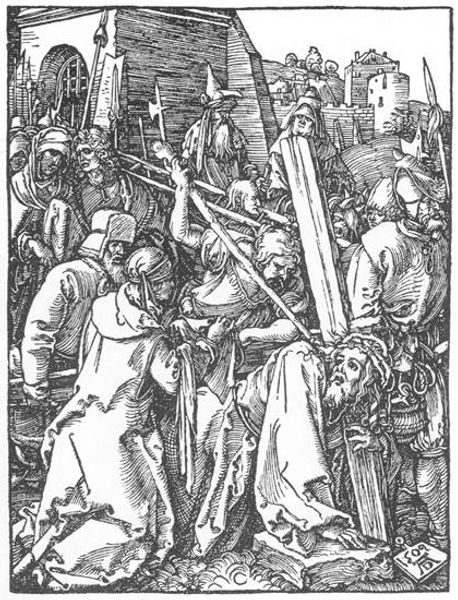
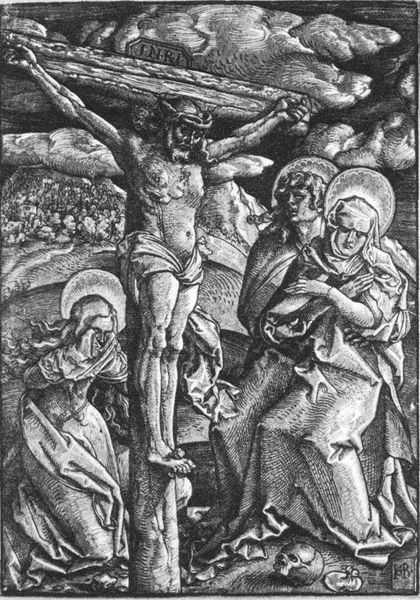
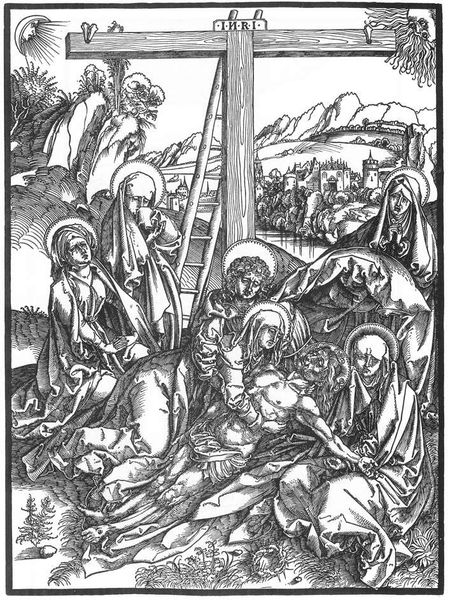
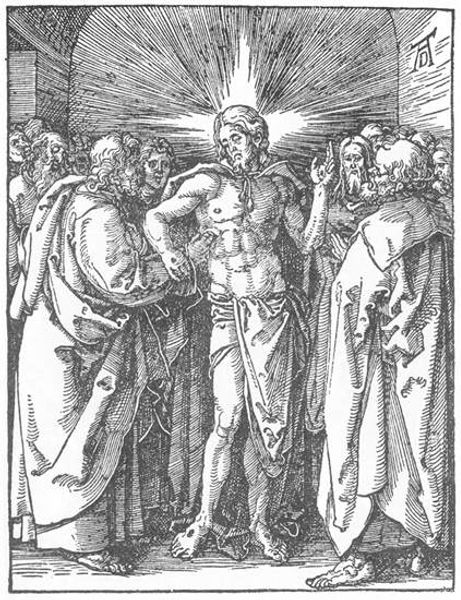
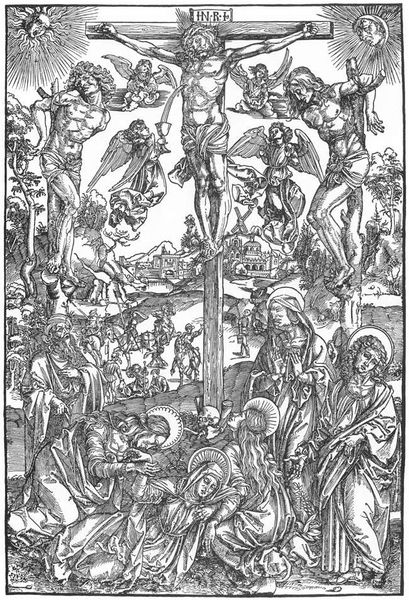
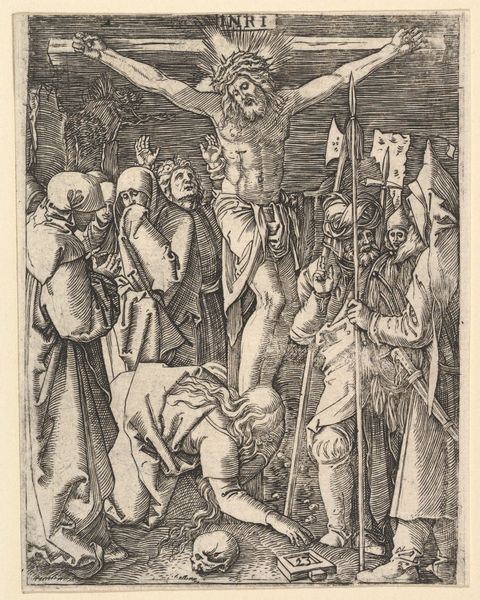
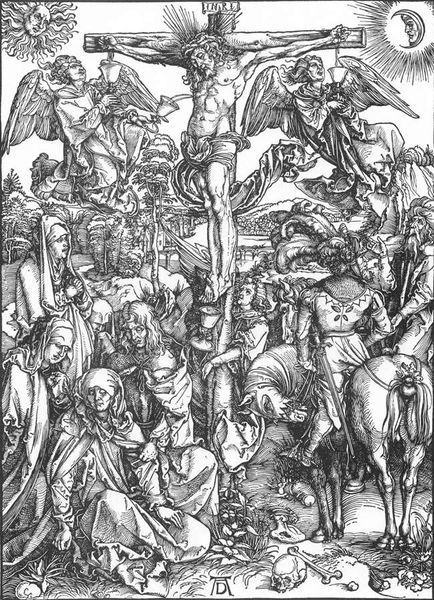
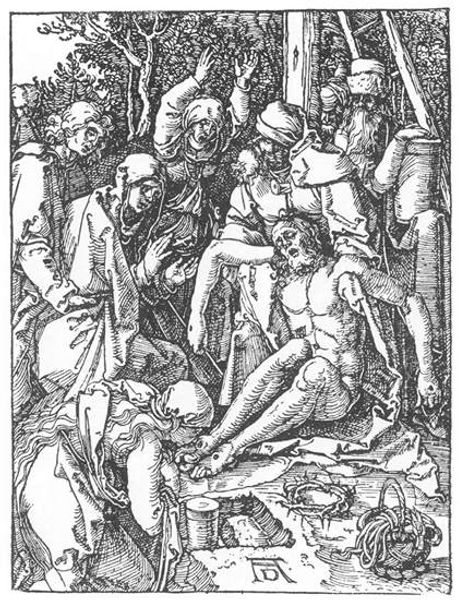
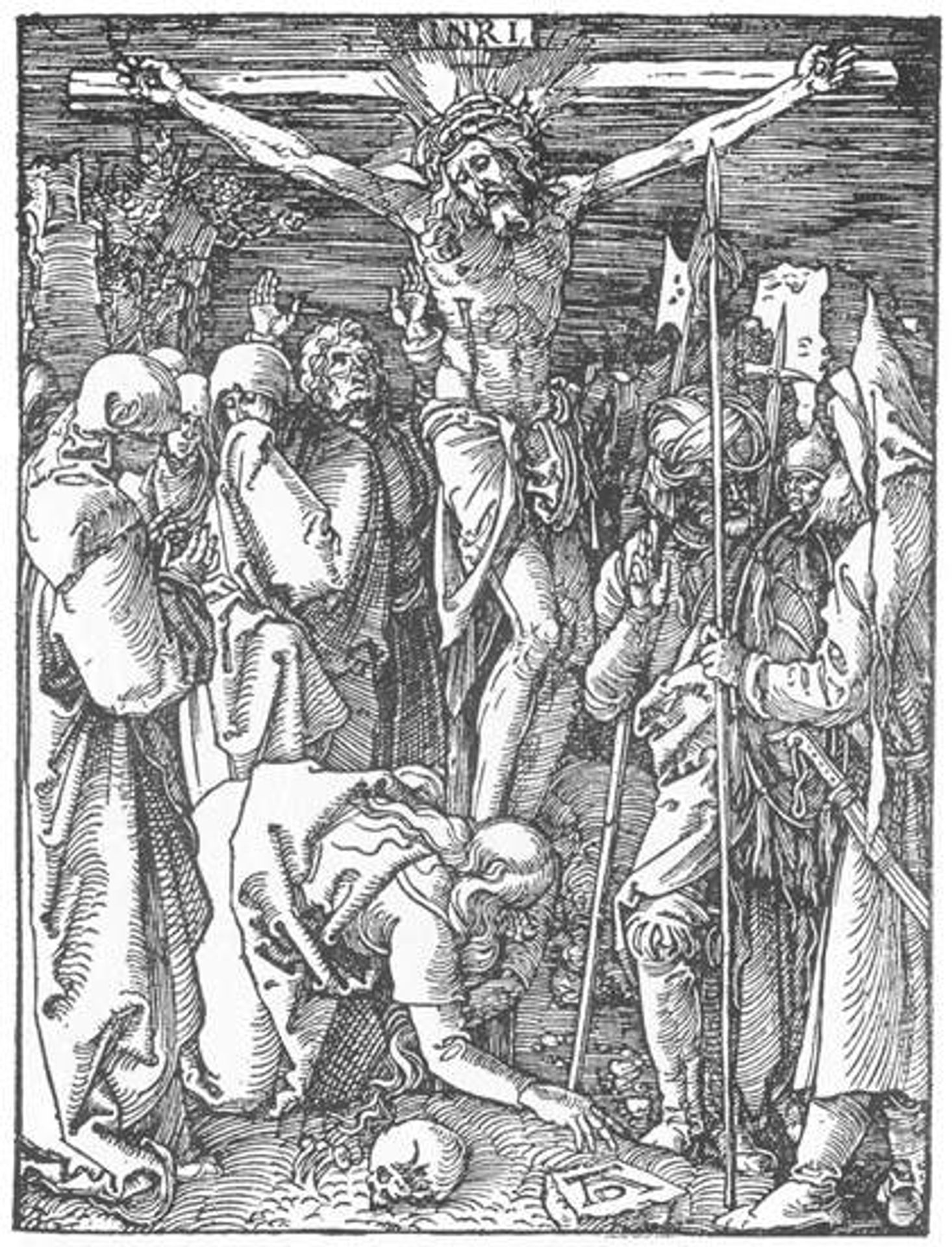
Albrecht Durer made this woodcut depicting Christ on the Cross in Germany around the year 1511. The print, made with lines carved into a block, allowed for the wide distribution of images, thus impacting the social landscape of the time. As the Protestant Reformation gained momentum, woodcuts like this played a crucial role in disseminating religious ideas outside the control of the Catholic Church. Notice how Durer includes both the mourning figures of Mary Magdalene and other followers of Jesus on the left, as well as Roman soldiers on the right, thus inviting the viewer to identify with the emotional scene. The widespread availability of such images democratized art, challenging traditional hierarchies of access. To further understand the nuances of Durer’s imagery and its impact, scholars often turn to period pamphlets, religious tracts, and workshop records, all of which help us contextualize the social currents that shaped its creation.


Artwork details
- Medium
- drawing, print, paper, ink, engraving
- Location
- British Museum, London, UK
- Copyright
- Public domain
Tags
drawing
pen illustration
figuration
paper
ink line art
ink
christianity
line
crucifixion
history-painting
northern-renaissance
engraving
christ
Comments
Be the first to share your thoughts about this work.
About this artwork
Albrecht Durer made this woodcut depicting Christ on the Cross in Germany around the year 1511. The print, made with lines carved into a block, allowed for the wide distribution of images, thus impacting the social landscape of the time. As the Protestant Reformation gained momentum, woodcuts like this played a crucial role in disseminating religious ideas outside the control of the Catholic Church. Notice how Durer includes both the mourning figures of Mary Magdalene and other followers of Jesus on the left, as well as Roman soldiers on the right, thus inviting the viewer to identify with the emotional scene. The widespread availability of such images democratized art, challenging traditional hierarchies of access. To further understand the nuances of Durer’s imagery and its impact, scholars often turn to period pamphlets, religious tracts, and workshop records, all of which help us contextualize the social currents that shaped its creation.
Comments
Be the first to share your thoughts about this work.