1659 - 1740
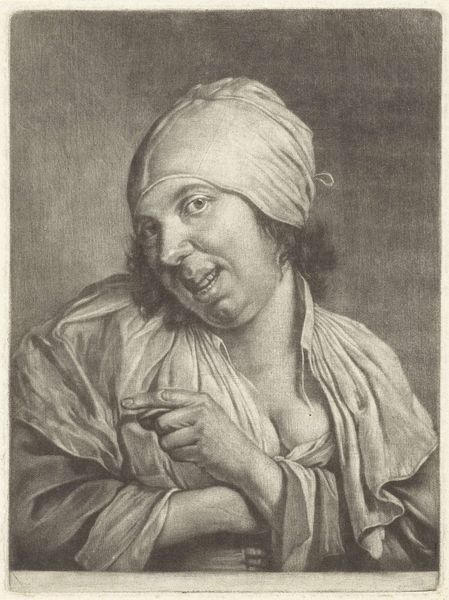
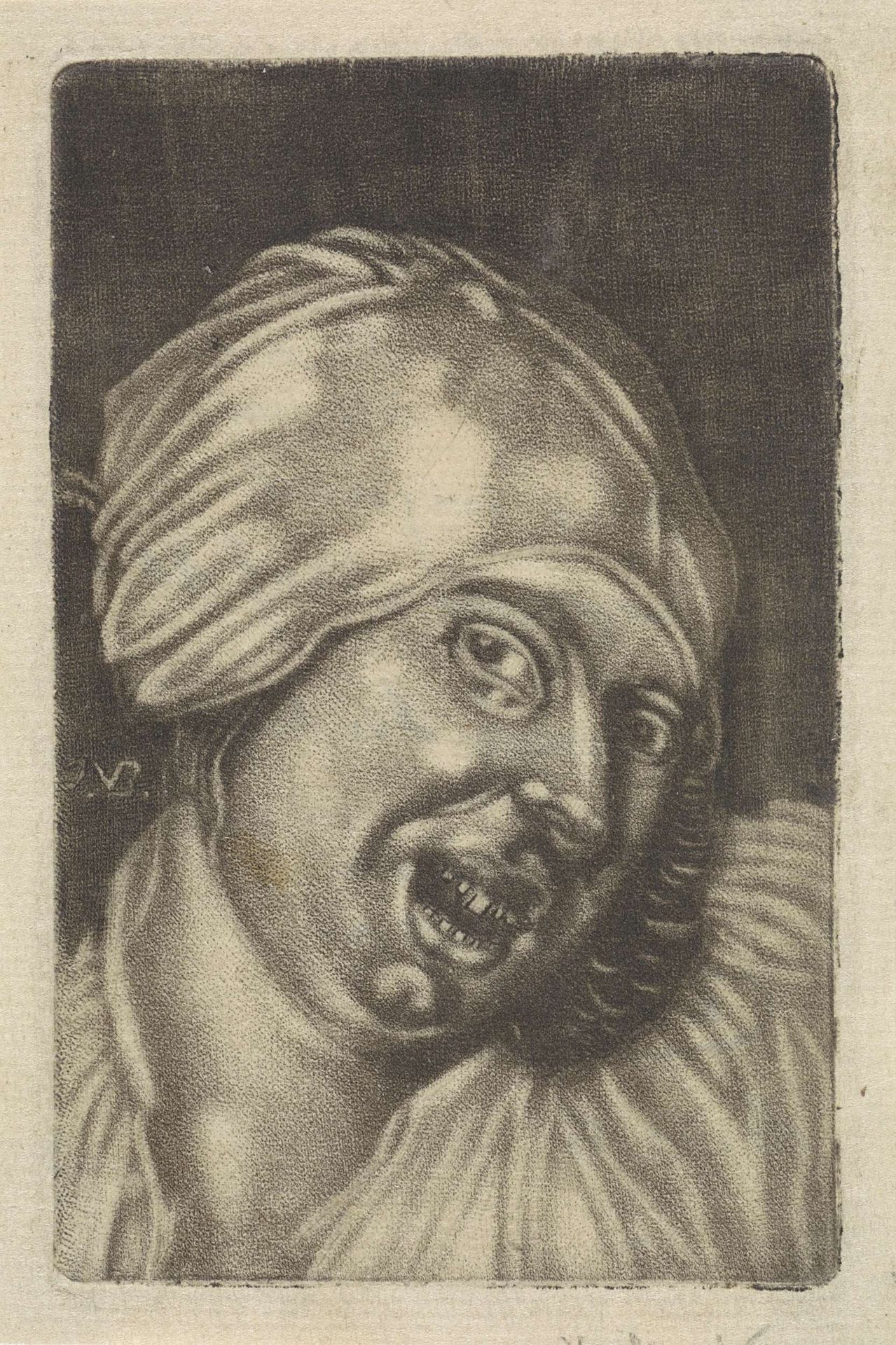
Lachende vrouw (het Gezicht)

Listen to curator's interpretation
Curatorial notes
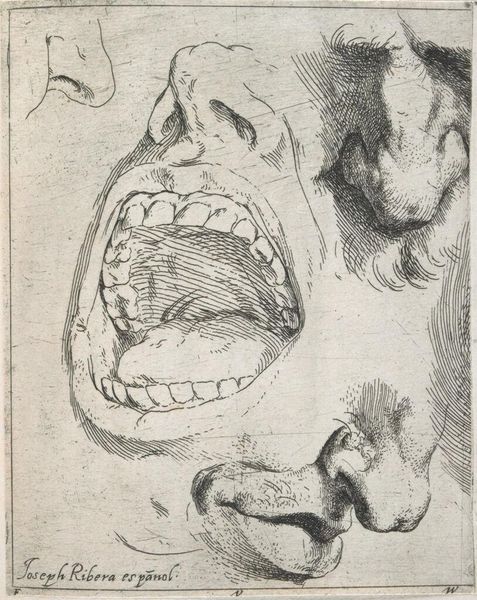
Jan van der Bruggen made this etching of a laughing woman in the late 17th century. The intaglio printmaking process involves incising an image into a metal plate, which then holds ink for transfer to paper. The controlled application of pressure ensures precise replication. Note how the etched lines define the contours of the face, capturing its texture and depth with the economy typical of printmaking. The fine network of lines creates tonal variation, mimicking the effect of light and shadow on skin. This required van der Bruggen to possess considerable skill in metalworking and an understanding of how to translate three-dimensional forms into two-dimensional marks. In the context of the burgeoning print market of the Dutch Golden Age, this image could be reproduced and distributed relatively easily, reflecting the growing commodification of art and visual culture. The labor-intensive nature of etching contrasts with the ease of replication. Considering the work involved helps us appreciate the value of images in society.