About this artwork
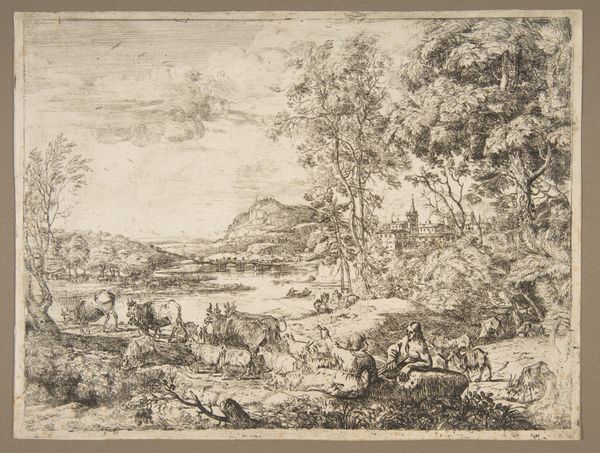
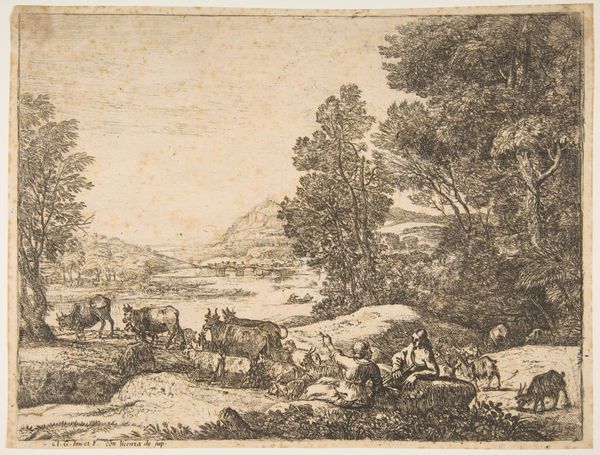
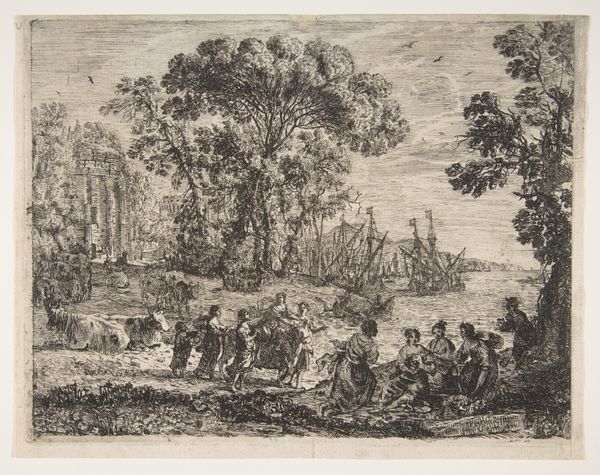
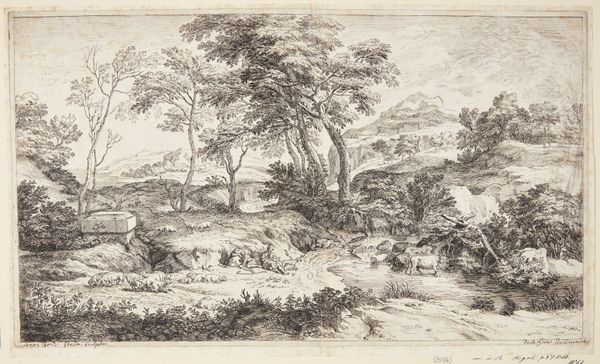
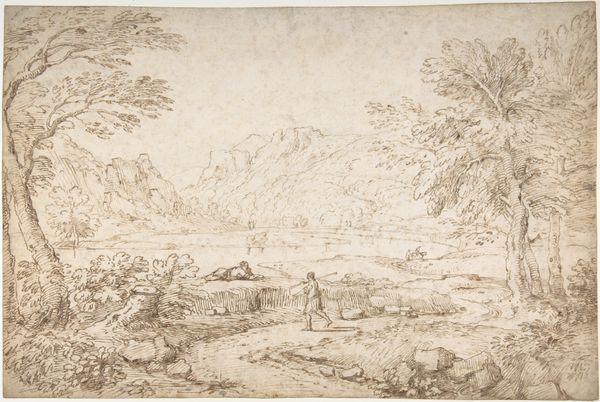
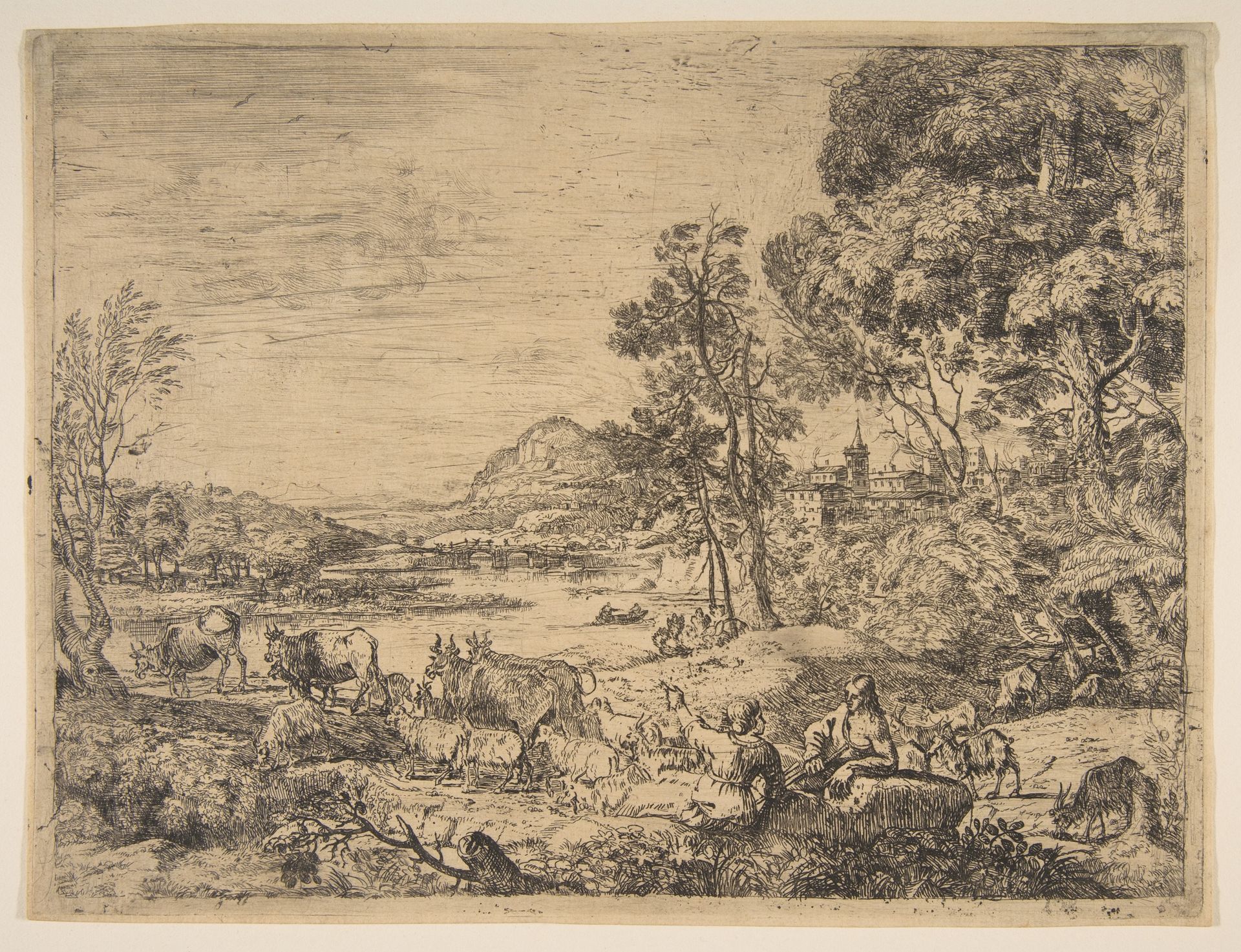
Claude Lorrain crafted this pastoral scene with etching, presenting us with shepherds in idealized harmony with nature. The shepherd and shepherdess, central to the composition, evoke the ancient pastoral tradition. This motif is a symbolic echo reverberating through art history. Recall the idyllic landscapes of ancient Greece and Rome, where shepherds symbolized a simpler, virtuous existence. Lorrain resurrects this classical theme, imbuing it with a fresh, emotional resonance. This connects to the human longing for an unspoiled world, a yearning that persists in our collective memory. Consider the image of the shepherd – it has been a vessel carrying society’s hopes and anxieties. This image embodies an idealized past, a golden age, inviting viewers to delve into their own subconscious desires for tranquility and harmony. The human psyche has always been drawn to the idyllic, seeing in it a reflection of primal innocence. The return to this motif underlines art’s cyclical nature. Like a dream, the image resurfaces, transformed yet familiar, echoing through our cultural consciousness.
Shepherd and Shepherdess Conversing in a Landscape
1646 - 1656


Artwork details
- Medium
- drawing, print, etching
- Location
- Metropolitan Museum of Art, New York, NY
- Copyright
- Public Domain
Tags
Comments
Share your thoughts
About this artwork
Claude Lorrain crafted this pastoral scene with etching, presenting us with shepherds in idealized harmony with nature. The shepherd and shepherdess, central to the composition, evoke the ancient pastoral tradition. This motif is a symbolic echo reverberating through art history. Recall the idyllic landscapes of ancient Greece and Rome, where shepherds symbolized a simpler, virtuous existence. Lorrain resurrects this classical theme, imbuing it with a fresh, emotional resonance. This connects to the human longing for an unspoiled world, a yearning that persists in our collective memory. Consider the image of the shepherd – it has been a vessel carrying society’s hopes and anxieties. This image embodies an idealized past, a golden age, inviting viewers to delve into their own subconscious desires for tranquility and harmony. The human psyche has always been drawn to the idyllic, seeing in it a reflection of primal innocence. The return to this motif underlines art’s cyclical nature. Like a dream, the image resurfaces, transformed yet familiar, echoing through our cultural consciousness.
Comments
Share your thoughts