About this artwork
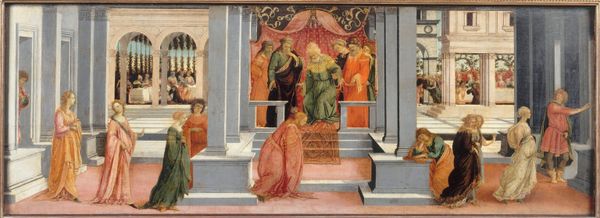
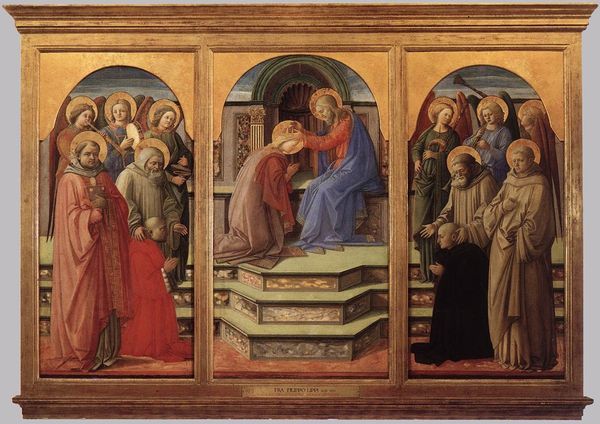
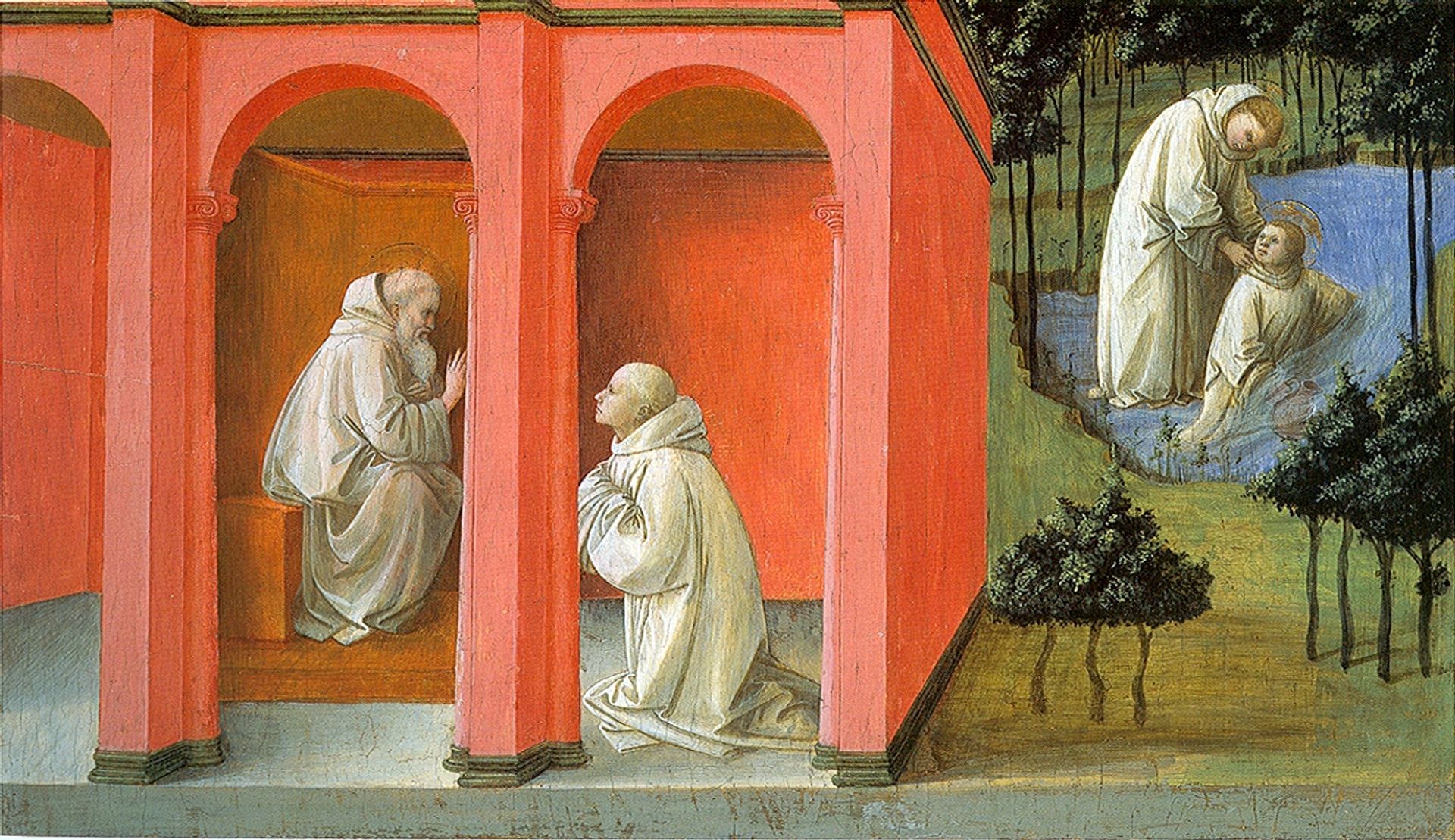
Filippo Lippi painted St. Benedict Orders St. Maurus to the Rescue of St. Placidus sometime in the 15th century. Lippi was working in Florence during the early Renaissance. The painting depicts a story of monastic life, where obedience and divine intervention are central. We see St. Benedict, the founder of Western monasticism, ordering St. Maurus to rescue St. Placidus from drowning. The figures are rendered with a delicate naturalism, characteristic of Renaissance art, yet the narrative unfolds with an almost dreamlike quality. This work offers insight into the spiritual values of the time, where faith and hierarchical order were deeply embedded in society. Consider how the artist, a Carmelite friar himself, negotiates his own identity and beliefs within the confines of religious expectations and artistic expression. The painting invites us to reflect on the power dynamics within religious communities, the role of miracles, and the personal devotion of its members.
St. Benedict Orders St. Maurus to the Rescue of St. Placidus
1450

Filippo Lippi
1406 - 1469
National Gallery of Art, Washington DC
National Gallery of Art, Washington, DC, USArtwork details
- Medium
- tempera, painting, oil-paint, fresco
- Dimensions
- 42 x 71.5 cm
- Location
- National Gallery of Art, Washington, DC, US
- Copyright
- Public domain
Tags
Comments
Share your thoughts
About this artwork
Filippo Lippi painted St. Benedict Orders St. Maurus to the Rescue of St. Placidus sometime in the 15th century. Lippi was working in Florence during the early Renaissance. The painting depicts a story of monastic life, where obedience and divine intervention are central. We see St. Benedict, the founder of Western monasticism, ordering St. Maurus to rescue St. Placidus from drowning. The figures are rendered with a delicate naturalism, characteristic of Renaissance art, yet the narrative unfolds with an almost dreamlike quality. This work offers insight into the spiritual values of the time, where faith and hierarchical order were deeply embedded in society. Consider how the artist, a Carmelite friar himself, negotiates his own identity and beliefs within the confines of religious expectations and artistic expression. The painting invites us to reflect on the power dynamics within religious communities, the role of miracles, and the personal devotion of its members.
Comments
Share your thoughts