About this artwork
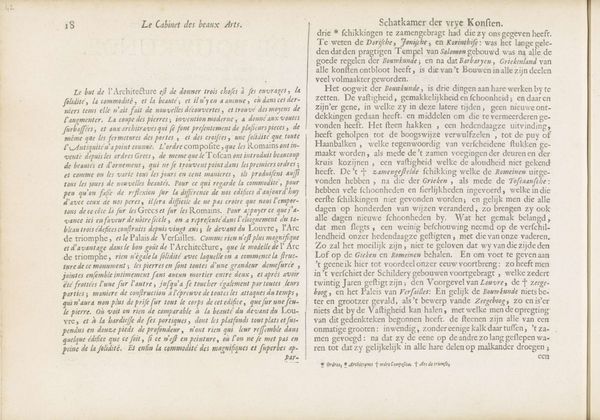
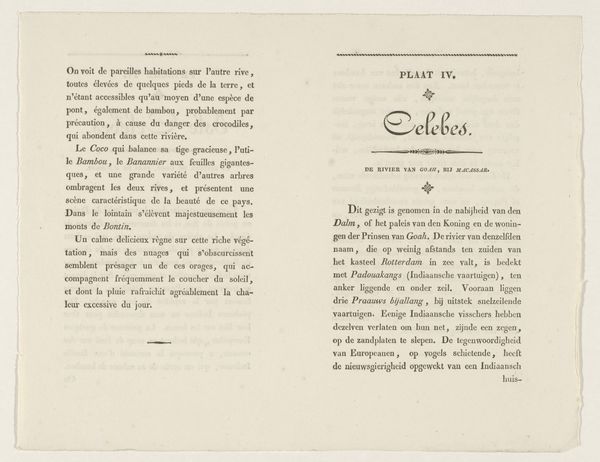
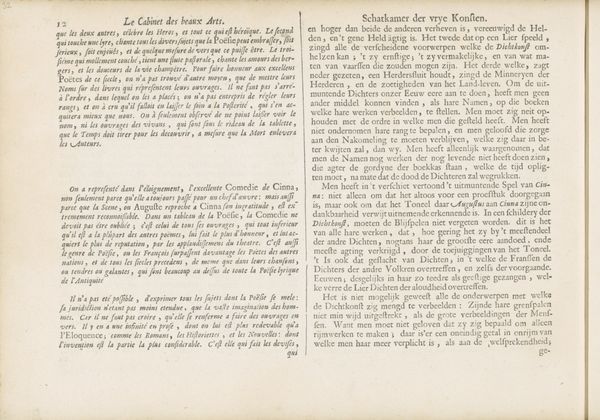
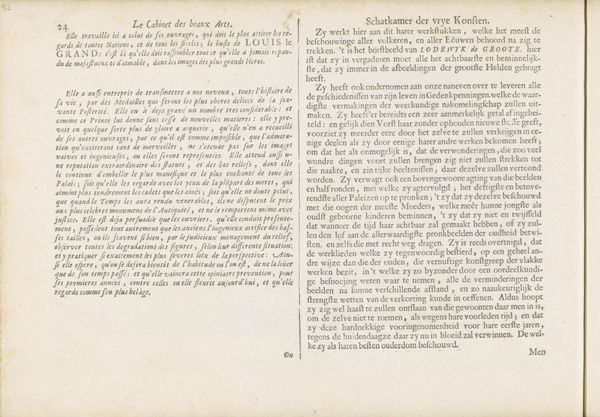
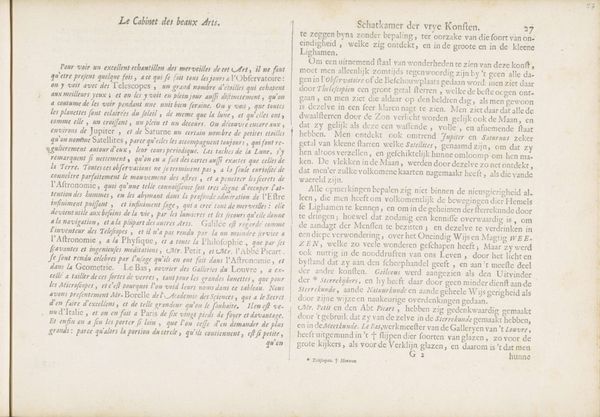
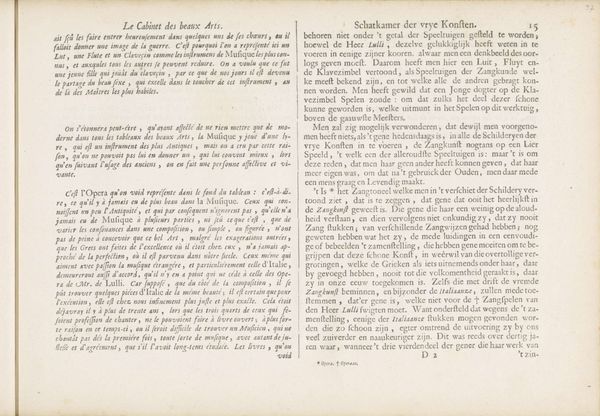
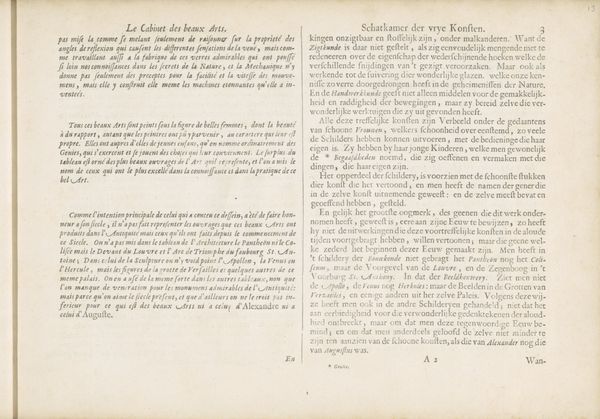
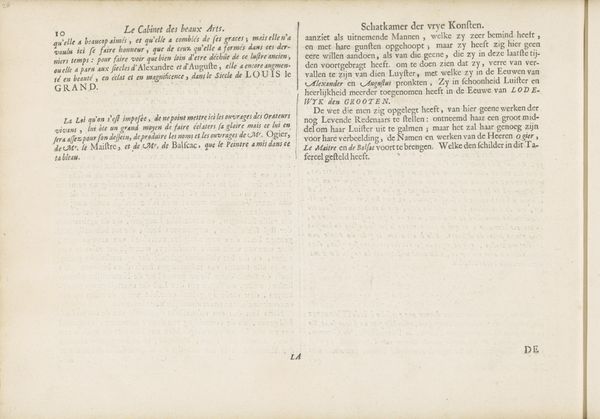
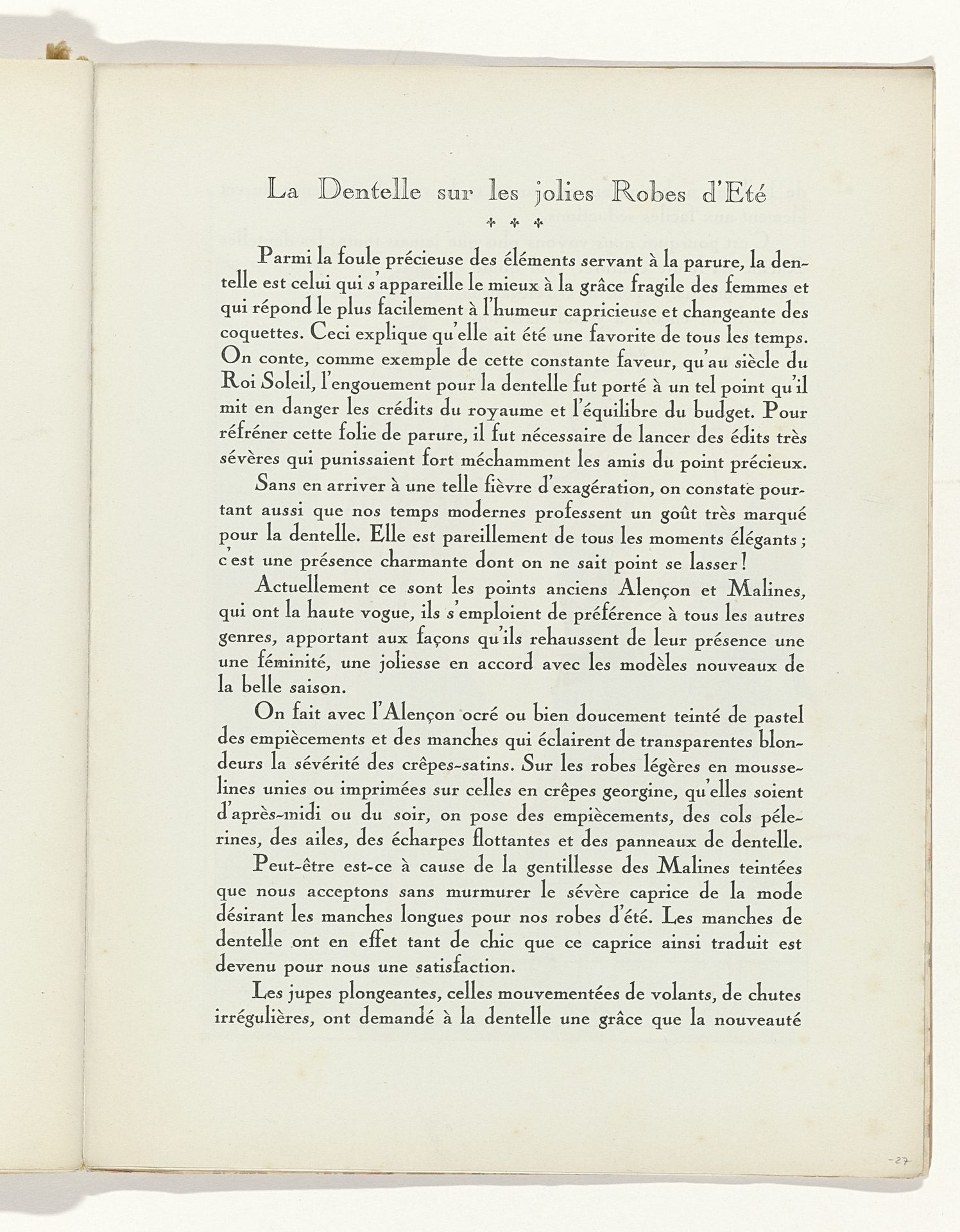
This page, from a 1929 issue of Art - Goût - Beauté, is all about the language of lace and its place in women's fashion. The typography is so elegant; the lettering itself feels like a delicate fabric, each character carefully placed, considered, almost like a stitch in time. Looking closely at the texture of the page, I see the paper has aged, acquiring a patina that adds to its charm. The ink, though neatly printed, has a slight give to it, and that makes it feel really intimate. It reminds me that artmaking is always a conversation across time, about touch and process. It echoes the writing of Gertrude Stein, who was interested in the rhythm and materiality of language, or maybe Agnes Martin, who was all about the grid, but a grid that breathes and has a pulse. Just as those artists embraced ambiguity, so does this page invite multiple readings and interpretations.
Art - Goût - Beauté, Feuillets de l' élégance féminine, Mai 1929, No. 105, 9e Année, p. 28
1929

Anonymous
@anonymousLocation
RijksmuseumArtwork details
- Medium
- print, textile, paper, typography
- Dimensions
- height 315 mm, width 235 mm
- Location
- Rijksmuseum
- Copyright
- Rijks Museum: Open Domain
Tags
Comments
Share your thoughts
About this artwork
This page, from a 1929 issue of Art - Goût - Beauté, is all about the language of lace and its place in women's fashion. The typography is so elegant; the lettering itself feels like a delicate fabric, each character carefully placed, considered, almost like a stitch in time. Looking closely at the texture of the page, I see the paper has aged, acquiring a patina that adds to its charm. The ink, though neatly printed, has a slight give to it, and that makes it feel really intimate. It reminds me that artmaking is always a conversation across time, about touch and process. It echoes the writing of Gertrude Stein, who was interested in the rhythm and materiality of language, or maybe Agnes Martin, who was all about the grid, but a grid that breathes and has a pulse. Just as those artists embraced ambiguity, so does this page invite multiple readings and interpretations.
Comments
Share your thoughts