About this artwork
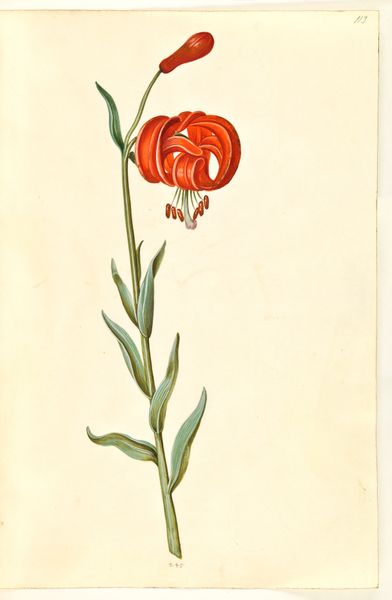
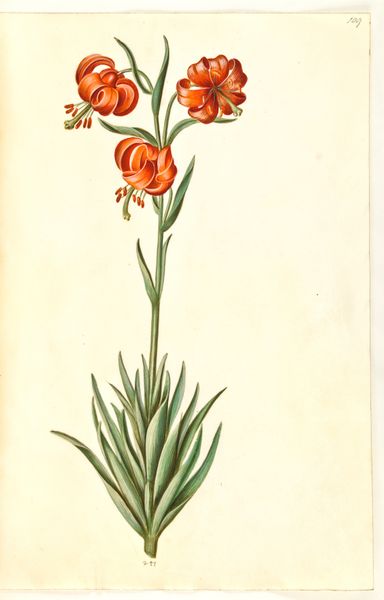
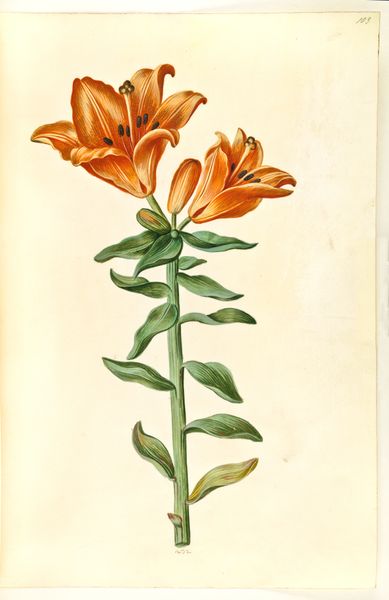
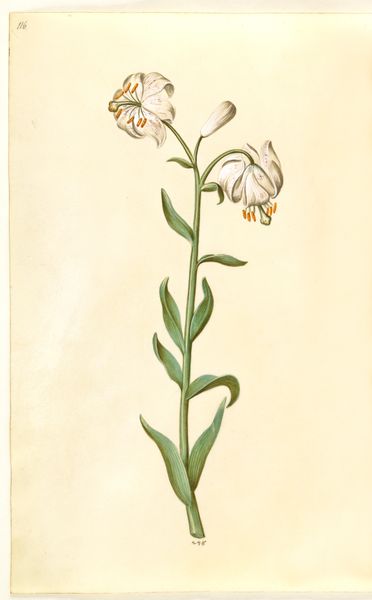
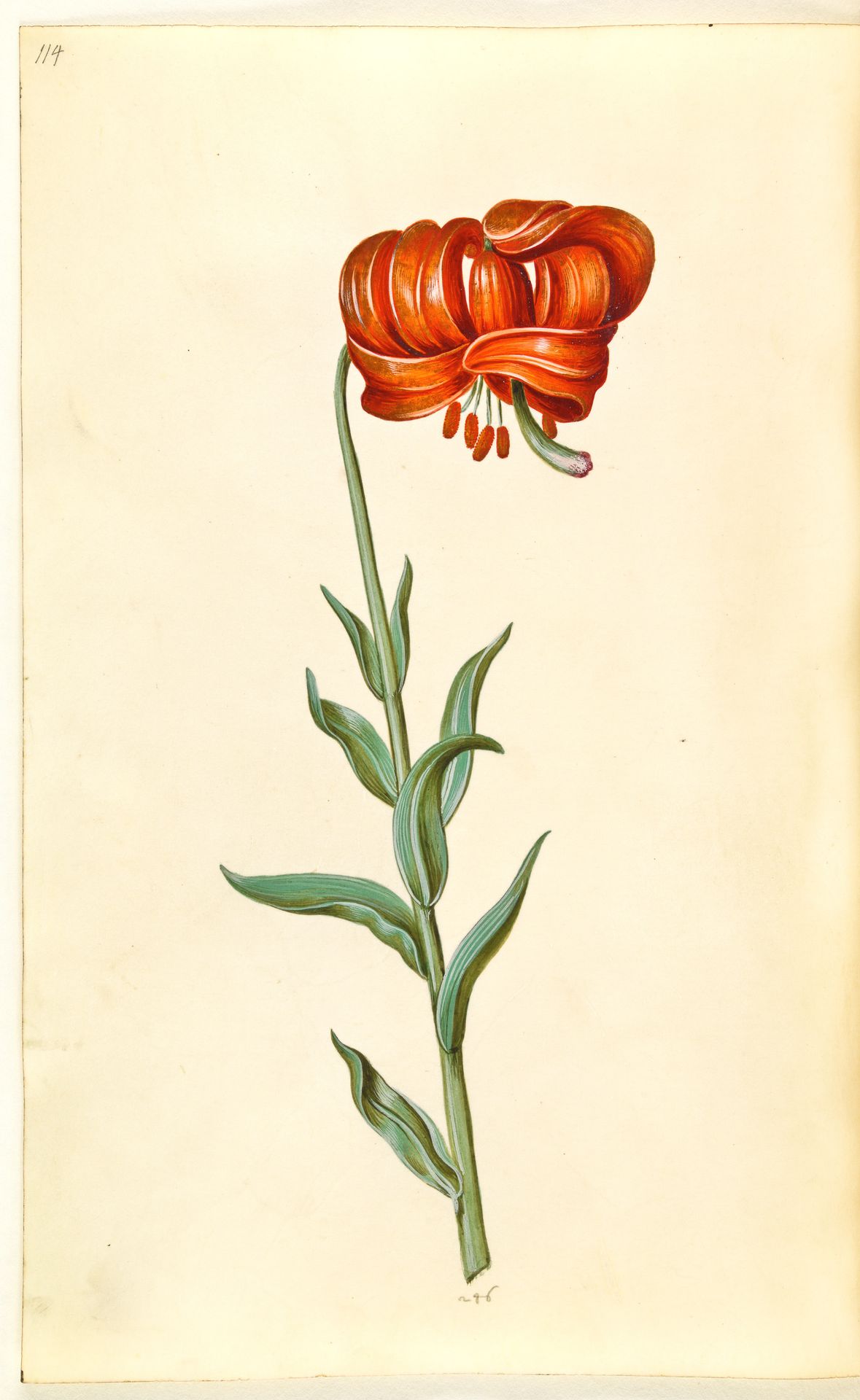
Hans Simon Holtzbecker created this image of a Lilium chalcedonicum, or red turk's cap lily, using watercolour and gouache on vellum. Produced in seventeenth-century Denmark, at a time when the country’s botanical knowledge was expanding, this image is far more than just a pretty flower. Botanical illustration was linked to the rise of scientific study and classification. The development of a new visual language allowed scholars to communicate information about the natural world across vast distances and between different languages. Holtzbecker worked for royalty, who were often patrons of scientific exploration. They commissioned artists to document new discoveries and create visual records. To understand this image fully, we need to consider the history of botany, the role of royal patronage, and the networks of exchange that facilitated the circulation of knowledge in early modern Europe. Examining Holtzbecker’s work in the context of its social and institutional origins allows us to understand it as a product of a specific time and place.
Lilium chalcedonicum (rød turbanlilje)
1635 - 1664


Artwork details
- Medium
- drawing, gouache, watercolor
- Dimensions
- 375 mm (height) x 265 mm (width) x 85 mm (depth) (monteringsmaal), 358 mm (height) x 250 mm (width) (bladmaal)
- Location
- SMK - Statens Museum for Kunst
Tags
drawing
gouache
watercolor
coloured pencil
botanical drawing
northern-renaissance
botanical art
Comments
Be the first to share your thoughts about this work.
About this artwork
Hans Simon Holtzbecker created this image of a Lilium chalcedonicum, or red turk's cap lily, using watercolour and gouache on vellum. Produced in seventeenth-century Denmark, at a time when the country’s botanical knowledge was expanding, this image is far more than just a pretty flower. Botanical illustration was linked to the rise of scientific study and classification. The development of a new visual language allowed scholars to communicate information about the natural world across vast distances and between different languages. Holtzbecker worked for royalty, who were often patrons of scientific exploration. They commissioned artists to document new discoveries and create visual records. To understand this image fully, we need to consider the history of botany, the role of royal patronage, and the networks of exchange that facilitated the circulation of knowledge in early modern Europe. Examining Holtzbecker’s work in the context of its social and institutional origins allows us to understand it as a product of a specific time and place.
Comments
Be the first to share your thoughts about this work.