About this artwork
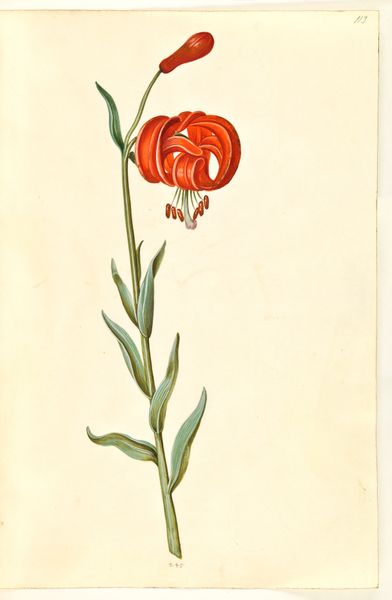
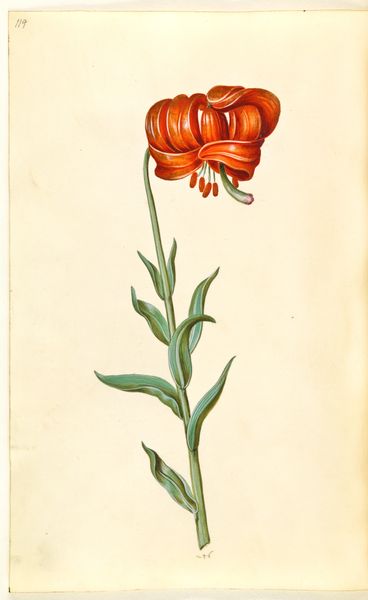
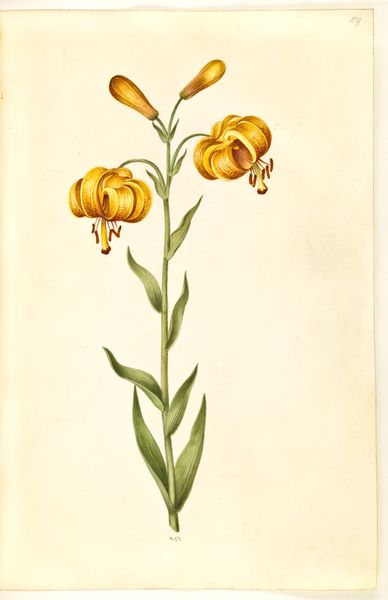
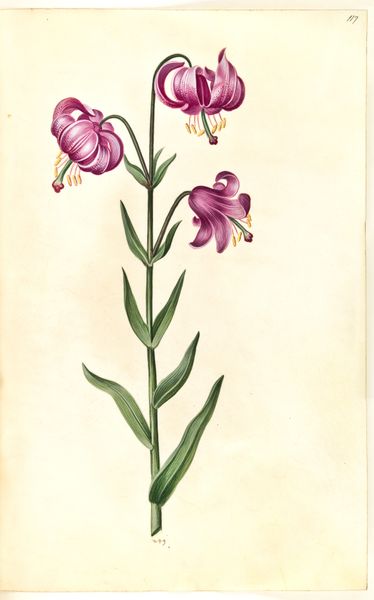
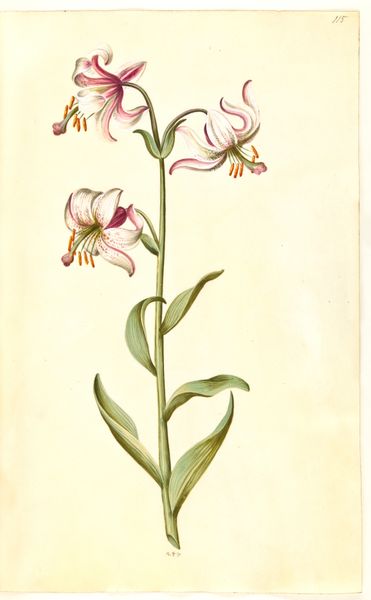
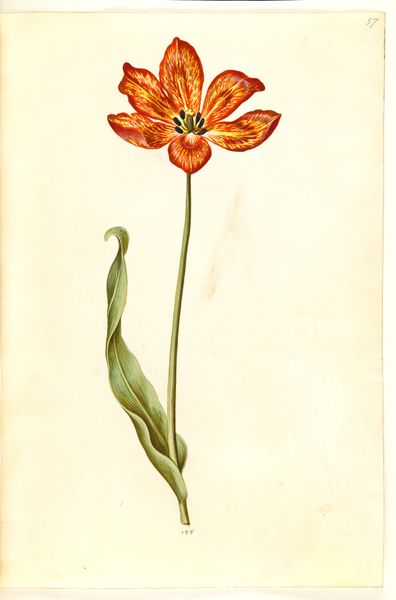
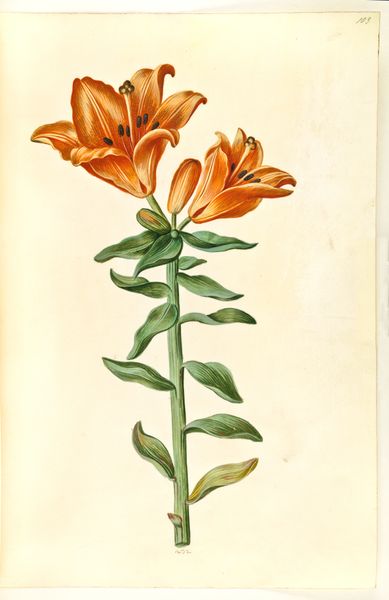
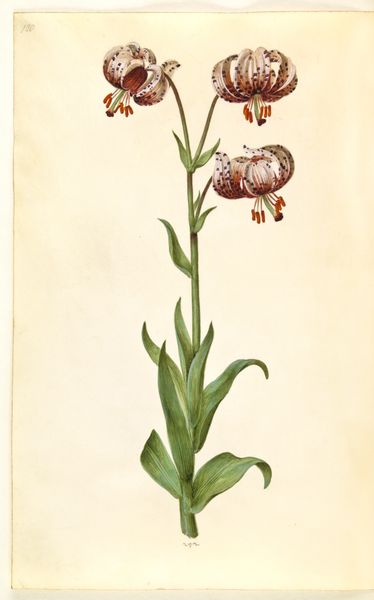
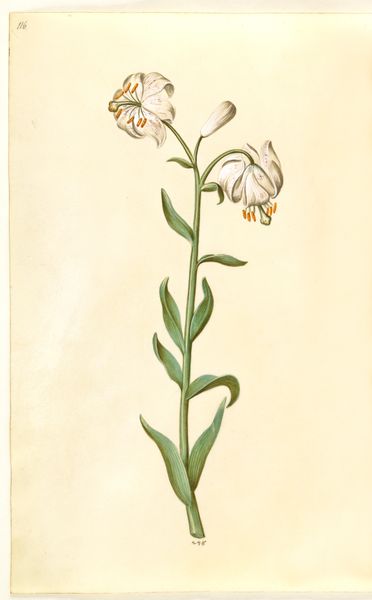
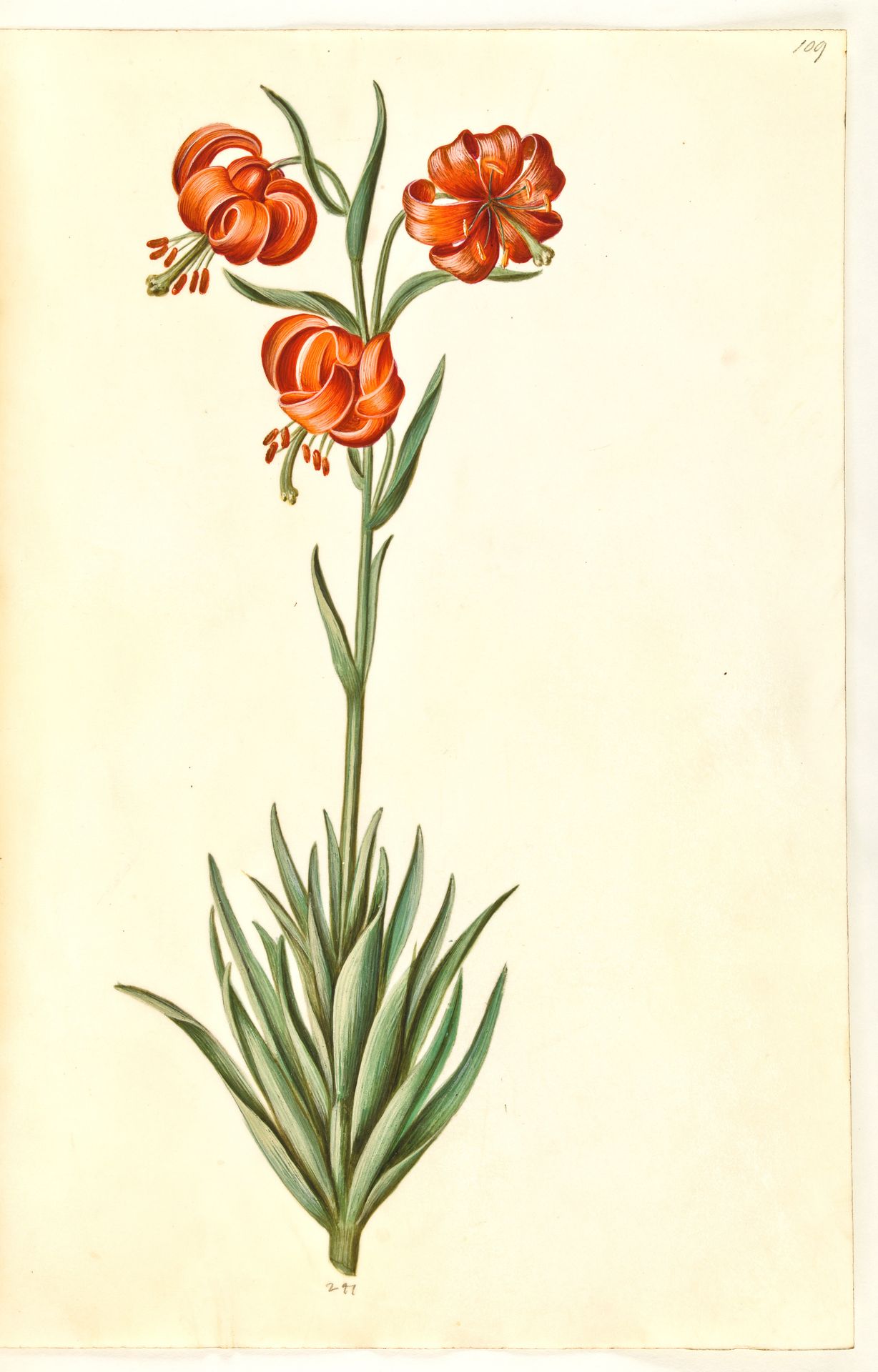
This is Hans Simon Holtzbecker's "Lilium pomponium," or pompon lily, made with watercolor and gouache on paper. Consider the artist's process. Holtzbecker was commissioned to document the plants and flowers in specific gardens, which required painstaking accuracy and great skill. Look closely, and you'll see the subtle layering of translucent washes, building up believable botanical forms. These paintings may seem straightforward, but they reflect a specific moment in the history of science and colonialism. As Europeans expanded their reach around the globe, they brought back new specimens that needed to be cataloged and understood. Holtzbecker's meticulous work became part of that system of knowledge, effectively transforming nature into data. So next time you see a botanical illustration, remember that it represents far more than just a pretty picture, but a complex intersection of observation, representation, and the control of natural resources.
Lilium pomponium (pompon-lilje) 1635 - 1664


Artwork details
- Medium
- drawing, gouache
- Dimensions
- 375 mm (height) x 265 mm (width) x 85 mm (depth) (monteringsmaal), 358 mm (height) x 250 mm (width) (bladmaal)
- Location
- SMK - Statens Museum for Kunst
Tags
drawing
still-life-photography
gouache
botanical illustration
botanical drawing
watercolour illustration
botanical art
Comments
No comments
About this artwork
This is Hans Simon Holtzbecker's "Lilium pomponium," or pompon lily, made with watercolor and gouache on paper. Consider the artist's process. Holtzbecker was commissioned to document the plants and flowers in specific gardens, which required painstaking accuracy and great skill. Look closely, and you'll see the subtle layering of translucent washes, building up believable botanical forms. These paintings may seem straightforward, but they reflect a specific moment in the history of science and colonialism. As Europeans expanded their reach around the globe, they brought back new specimens that needed to be cataloged and understood. Holtzbecker's meticulous work became part of that system of knowledge, effectively transforming nature into data. So next time you see a botanical illustration, remember that it represents far more than just a pretty picture, but a complex intersection of observation, representation, and the control of natural resources.
Comments
No comments