1858
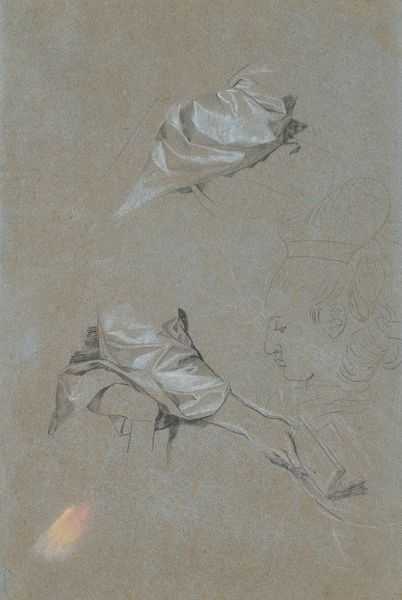
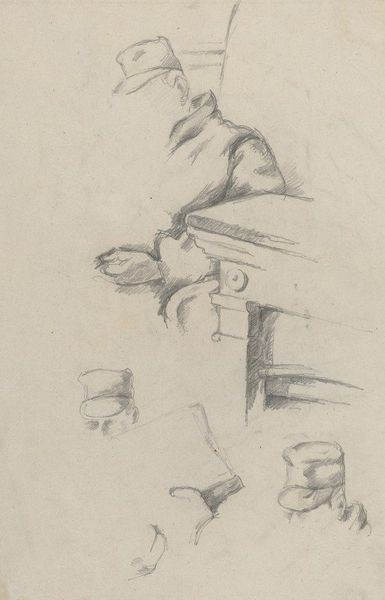
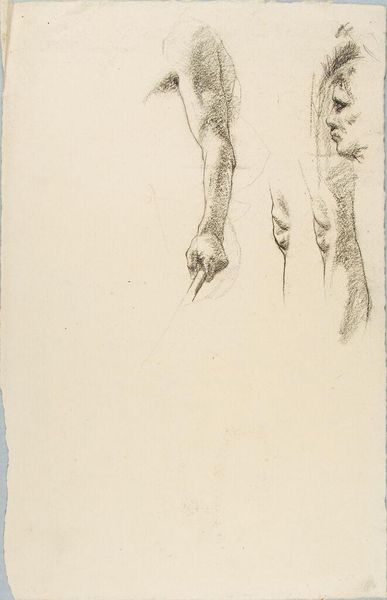
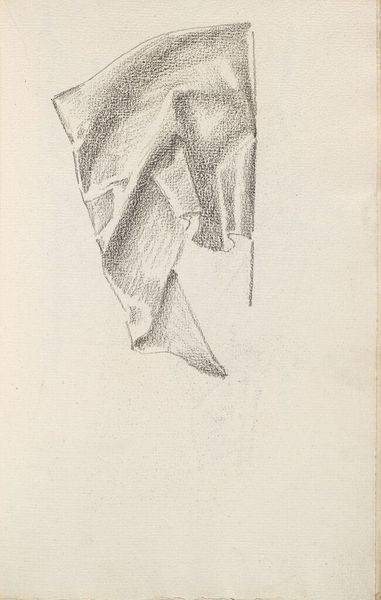
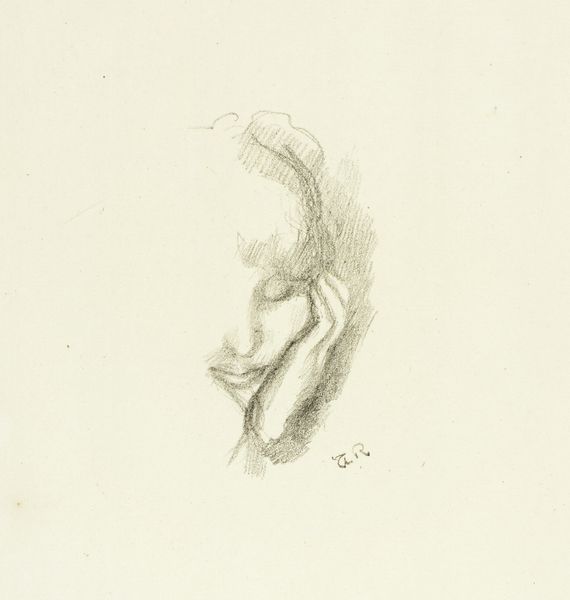
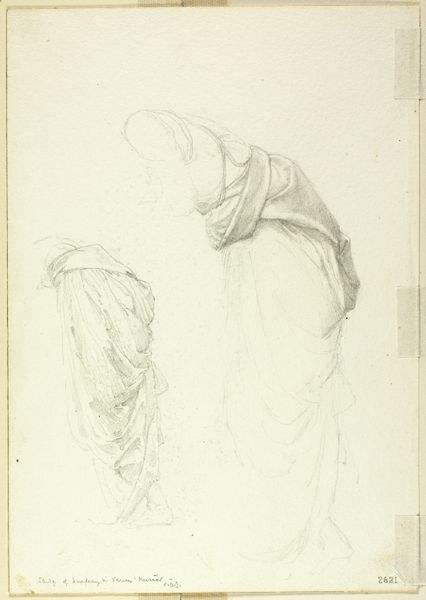
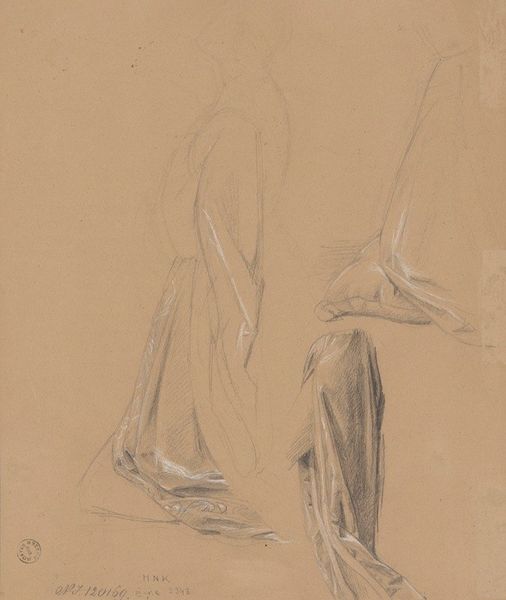
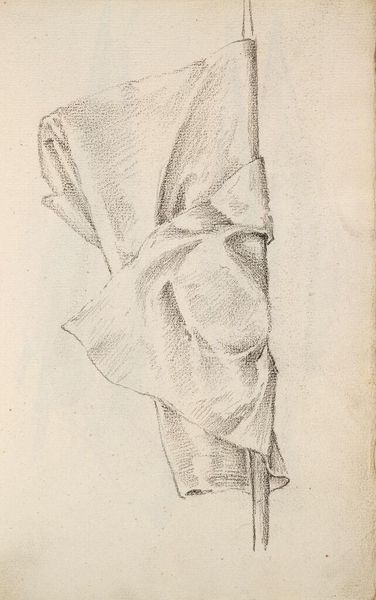
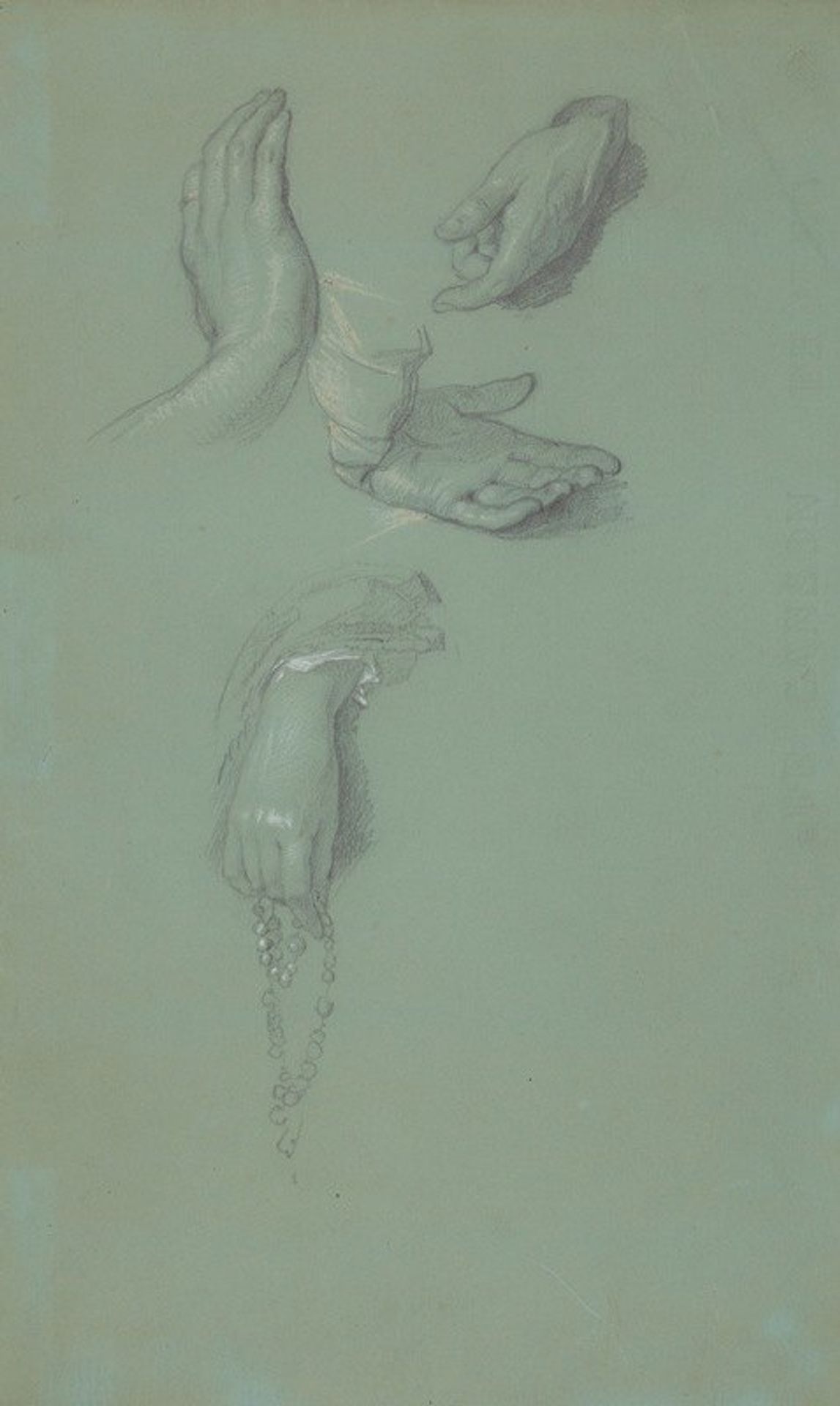
Studia rąk Katarzyny Jagiellonki, księcia Jana Finlandzkiego i strażnika do obrazu ‘Katarzyna Jagiellonka w więzieniu w Gripsholmie’

Listen to curator's interpretation
Curatorial notes
Józef Simmler rendered this study of hands with pencil, preparing for his painting of Catherine Jagiellon in captivity. Here, hands communicate a range of emotional states, from supplication to despair. Consider the hand clutching a rosary. Since antiquity, beads have been used to count prayers and to ward off evil. Across cultures, similar objects symbolize devotion and act as a tactile link to the divine. The rosary, therefore, is not merely a religious object but a symbol that embodies a hope for divine intervention. We see similar imagery echoed in other contexts. These motifs are powerful because they tap into what lies deep within our collective unconscious. They remind us of the enduring human need for solace in times of distress. This symbol, like a serpent eating its own tail, shows the non-linear progression of symbols that resurface, evolve, and take on new meanings across different historical contexts.