About this artwork
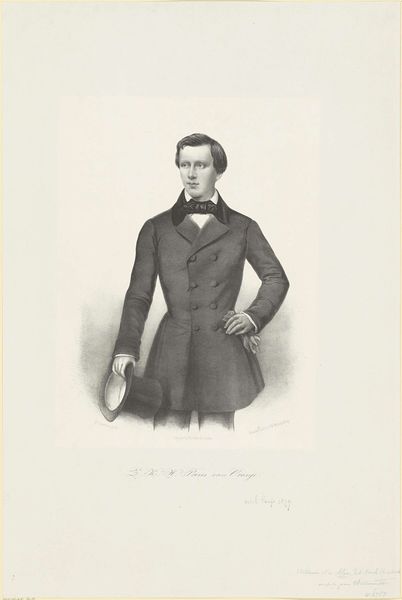
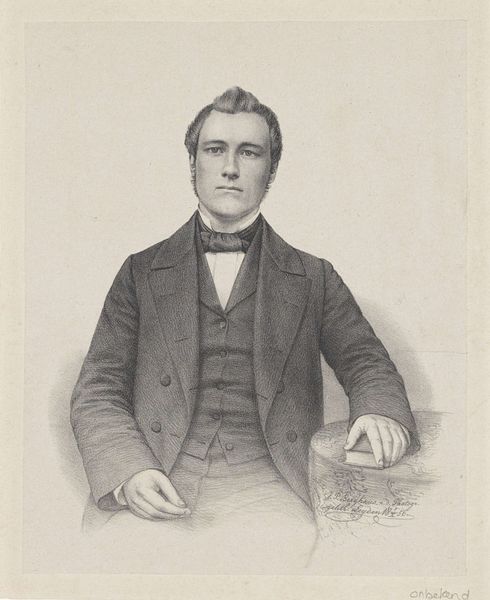
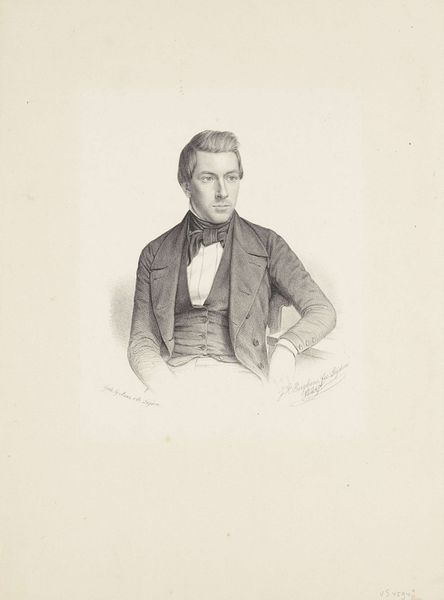
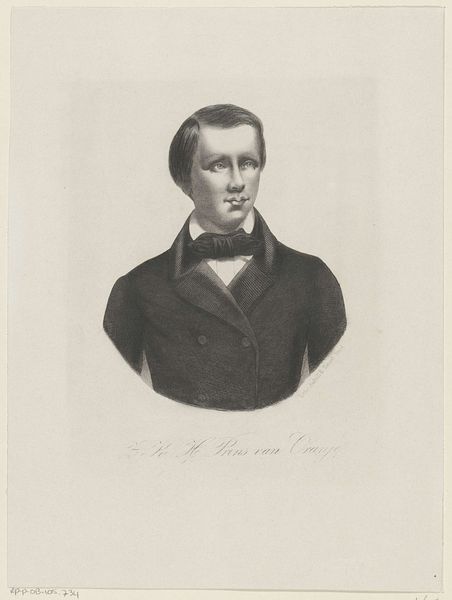
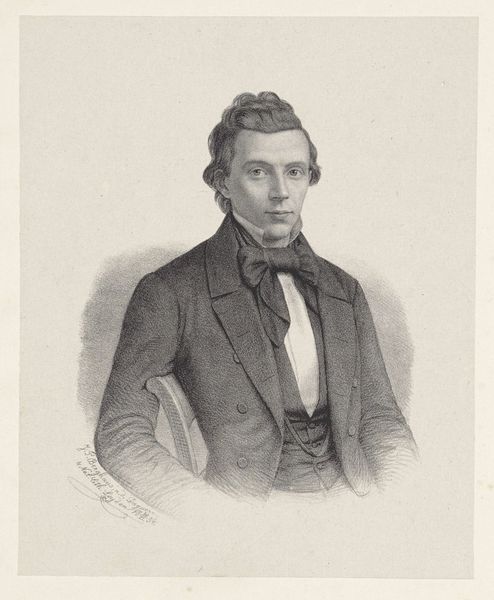
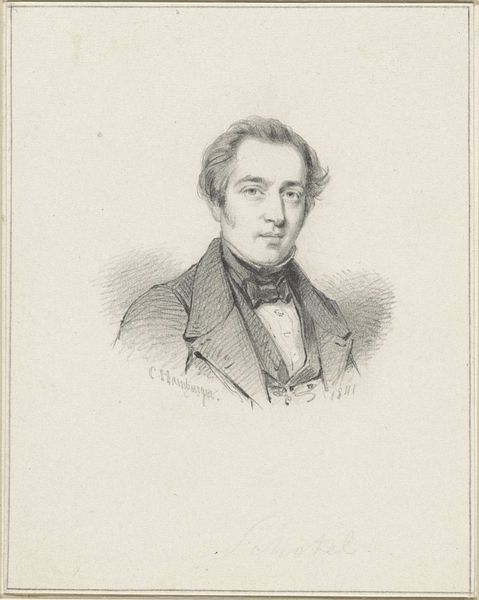
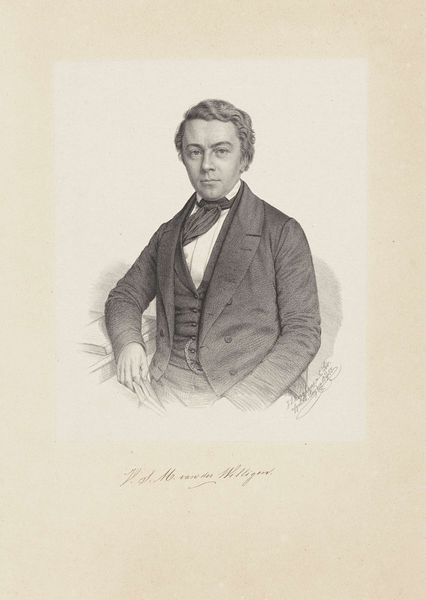
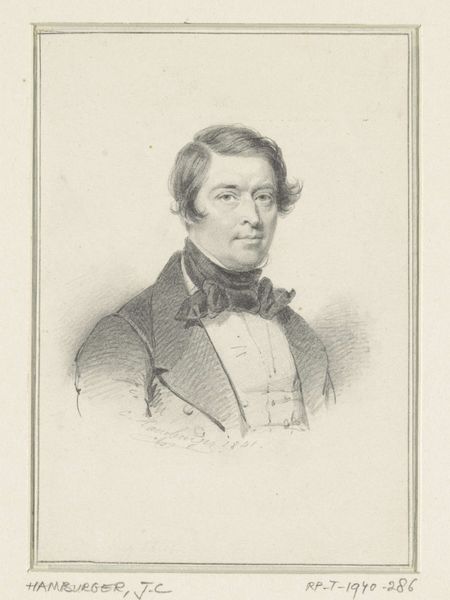
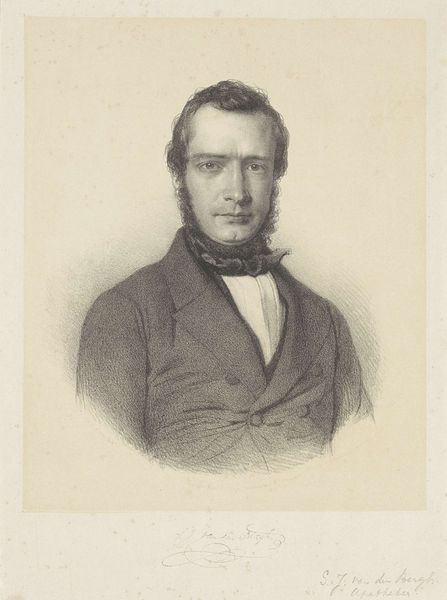
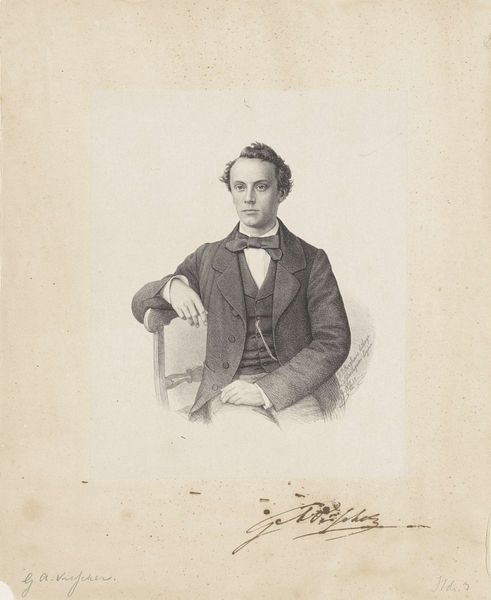
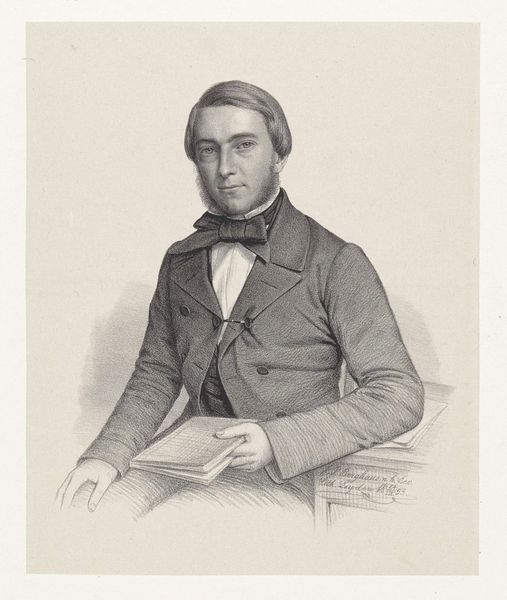
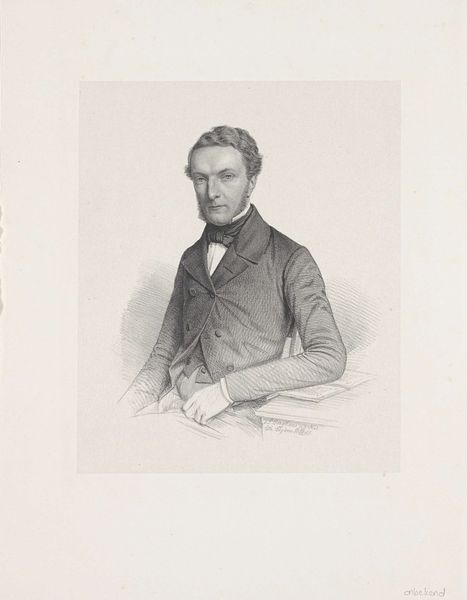
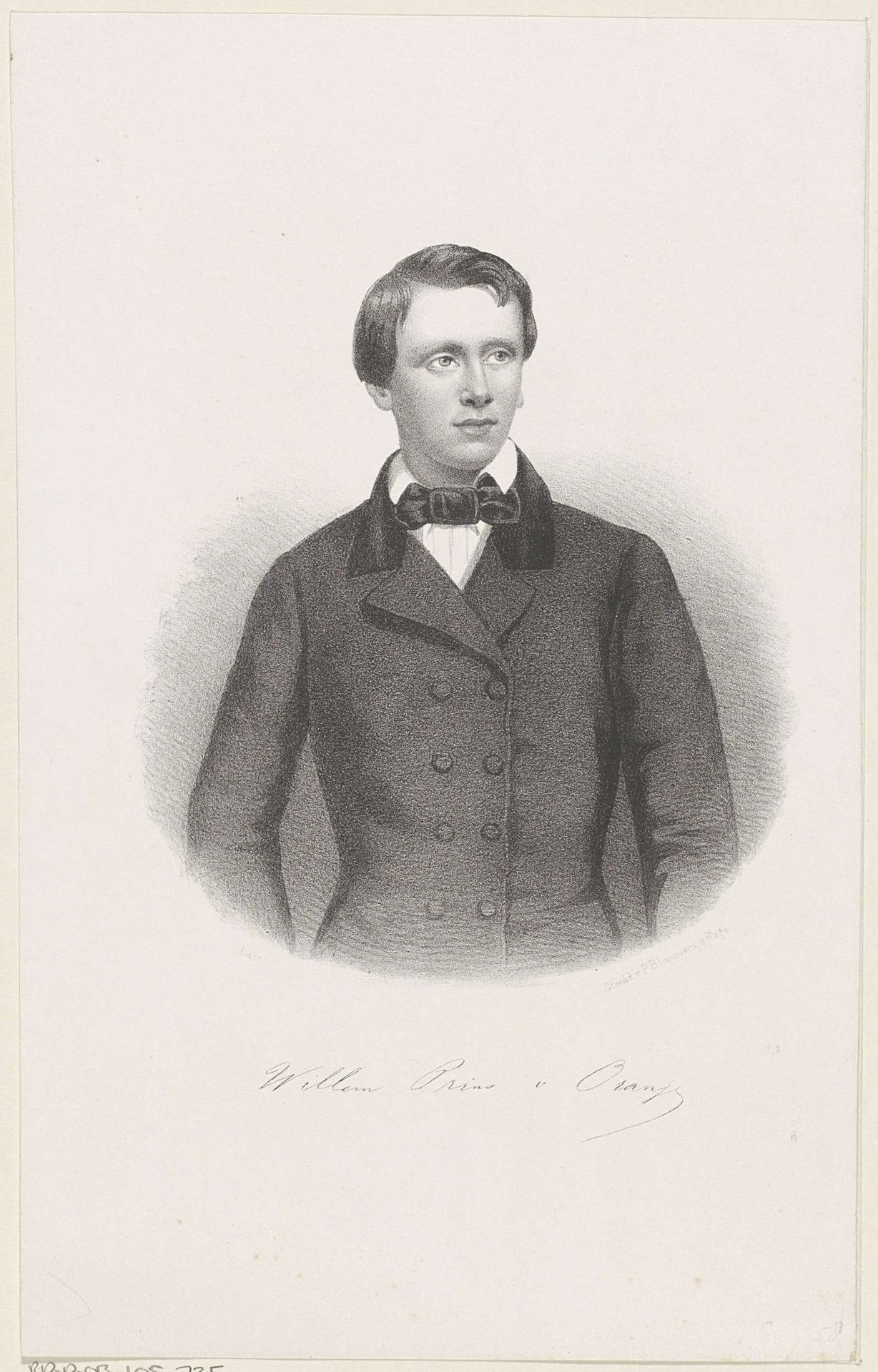
Carel Christiaan Antony Last made this portrait of Willem, Prince of the Netherlands, using lithography. Lithography is a printmaking technique that relies on the repulsion between grease and water. The artist draws an image on a stone or metal plate with a greasy crayon, then applies water to the surface. The water adheres to the blank areas, while the greasy image repels it. When ink is applied, it sticks only to the greasy areas, allowing the image to be printed. Look closely and you will see the subtle tonal variations and fine lines achieved through this process, giving the portrait a delicate, almost photographic quality. Lithography emerged as a relatively inexpensive way to reproduce images, making art more accessible. However, it also involved specialized labor. The skilled artisans who prepared the stones, operated the presses, and ensured high-quality prints were essential to the process. Understanding the labor and techniques involved reminds us that art is always the product of specific processes, social contexts, and human skill.
Portret van Willem, prins der Nederlanden
1850 - 1887

Carel Christiaan Antony Last
1808 - 1876Location
RijksmuseumArtwork details
- Medium
- drawing, pencil
- Dimensions
- height 259 mm, width 161 mm
- Location
- Rijksmuseum
- Copyright
- Rijks Museum: Open Domain
Tags
Comments
Share your thoughts
About this artwork
Carel Christiaan Antony Last made this portrait of Willem, Prince of the Netherlands, using lithography. Lithography is a printmaking technique that relies on the repulsion between grease and water. The artist draws an image on a stone or metal plate with a greasy crayon, then applies water to the surface. The water adheres to the blank areas, while the greasy image repels it. When ink is applied, it sticks only to the greasy areas, allowing the image to be printed. Look closely and you will see the subtle tonal variations and fine lines achieved through this process, giving the portrait a delicate, almost photographic quality. Lithography emerged as a relatively inexpensive way to reproduce images, making art more accessible. However, it also involved specialized labor. The skilled artisans who prepared the stones, operated the presses, and ensured high-quality prints were essential to the process. Understanding the labor and techniques involved reminds us that art is always the product of specific processes, social contexts, and human skill.
Comments
Share your thoughts