before 1866
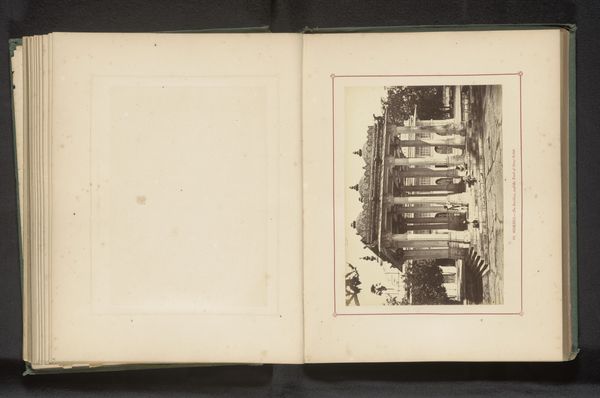
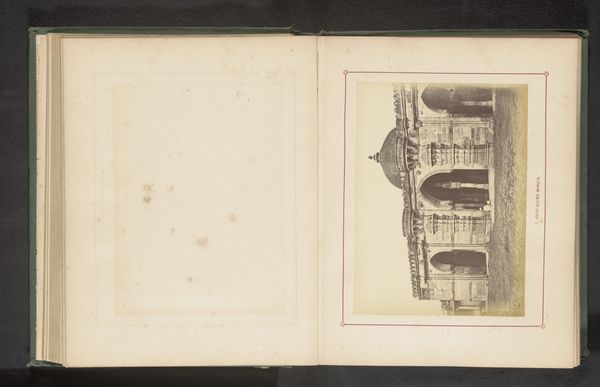
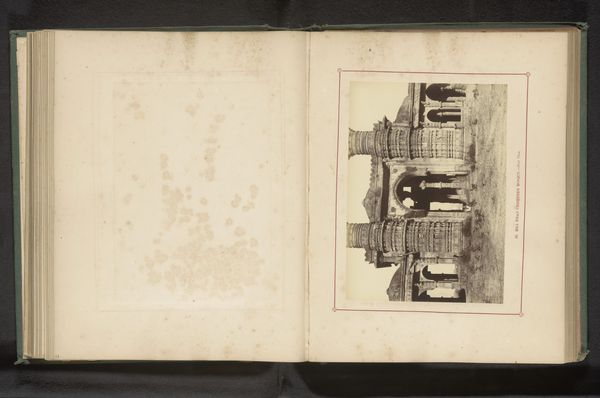
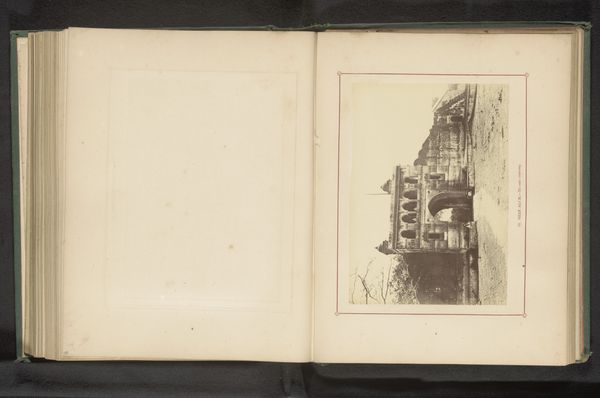
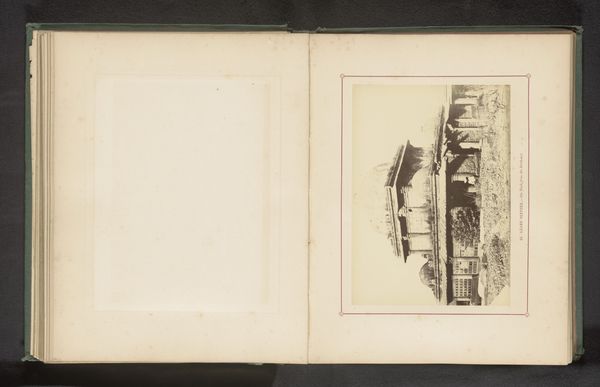
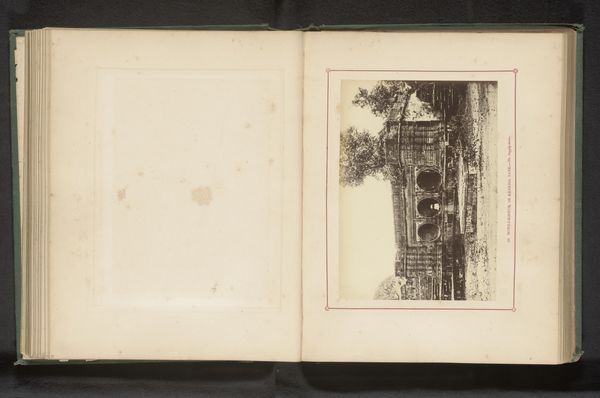
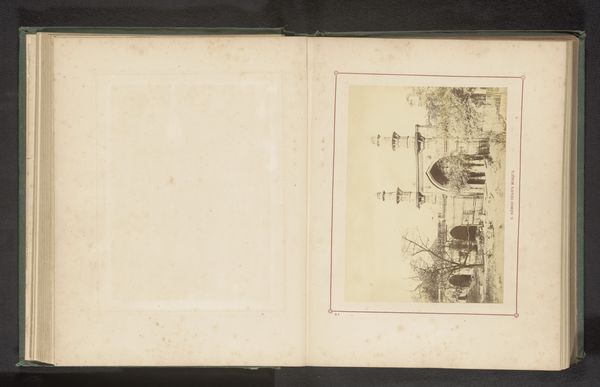
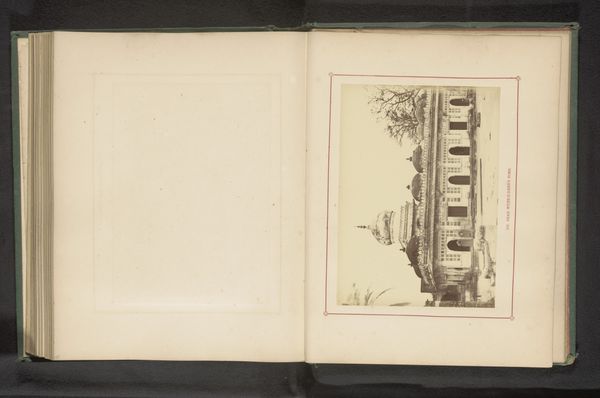
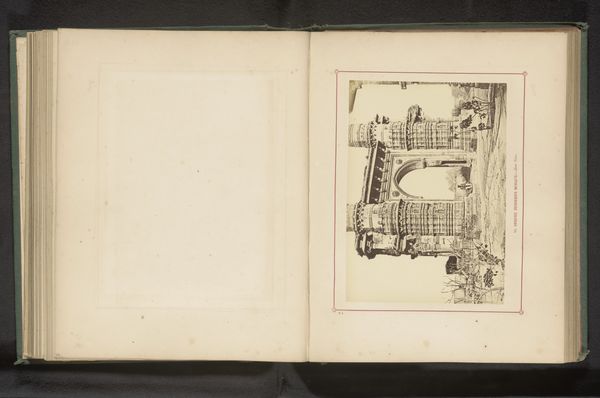
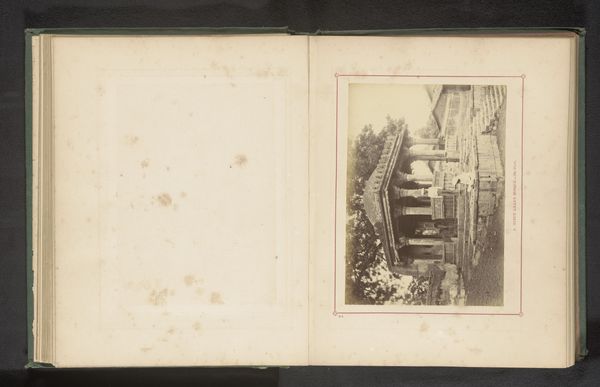
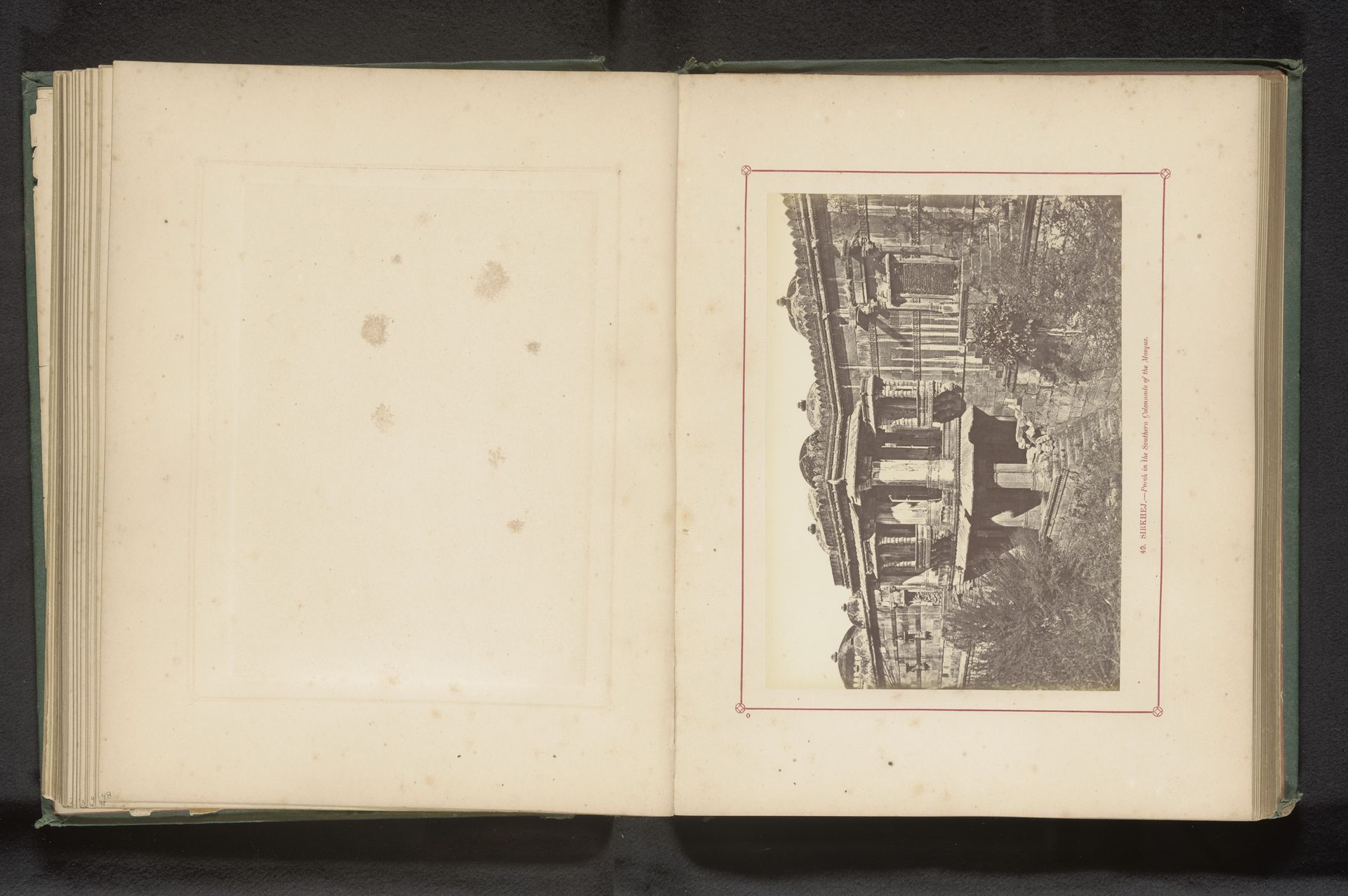
Gezicht op een portaal van een moskee op Sarkhej Roza bij Ahmedabad

Listen to curator's interpretation
Curatorial notes
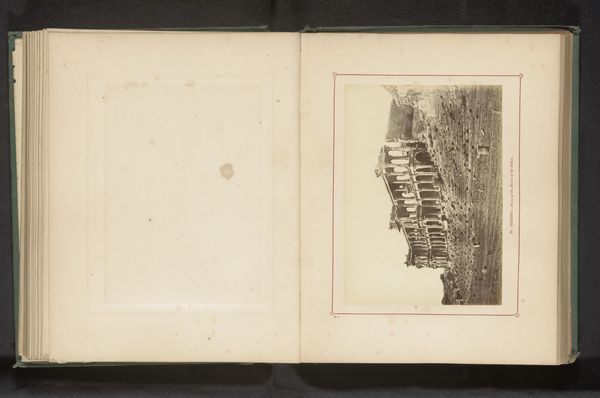
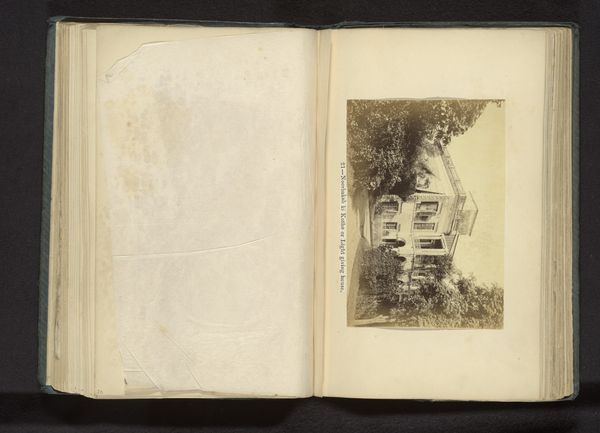
Curator: This striking image presents "Gezicht op een portaal van een moskee op Sarkhej Roza bij Ahmedabad," or a view of a mosque portal at Sarkhej Roza near Ahmedabad, captured before 1866 by Thomas Biggs. What are your initial thoughts on this print? Editor: I’m immediately struck by the imposing yet solemn atmosphere. The architectural detail is incredibly intricate, yet there’s a quietude, almost a weight of history pressing down. Curator: Precisely. Biggs worked in a colonial context, and his photographic work can be seen as an act of documenting and classifying India for the British Empire. How does that impact your understanding? Editor: Knowing it's colonial-era photography brings a different dimension. Suddenly, it isn't just about appreciating architectural beauty. One can consider issues of representation, power dynamics, and the very act of 'capturing' a culture. Curator: Indeed. Biggs' work played a part in constructing a visual archive, influencing Western perceptions of India and its relationship with the architecture and cultural landscape. It provided a controlled perspective on a culture and land to an audience removed from both. The work's presence in a book makes me also consider distribution. Editor: You raise a powerful point about the distribution! Who was the intended audience for these images? Was it intended to educate, to control the narrative, or to other-ize the space? Curator: I think all of the above are definitely on the table when analyzing his work. Thinking of its themes now, do you think about how different groups would encounter it? Editor: Absolutely. Different communities engage with art informed by historical and political positions. In an ideal viewing scenario, an indigenous reader should hopefully be allowed the space to reclaim a decolonized idea about what these pictures mean. Curator: Thanks. Thinking about this photographic image by Thomas Biggs reminds us how art, even in its stillness, participates in shaping perspectives and social imaginaries across time and place. Editor: Agreed. It's a compelling case study on how an image can reflect aesthetic appreciation as well as intricate webs of cultural power.