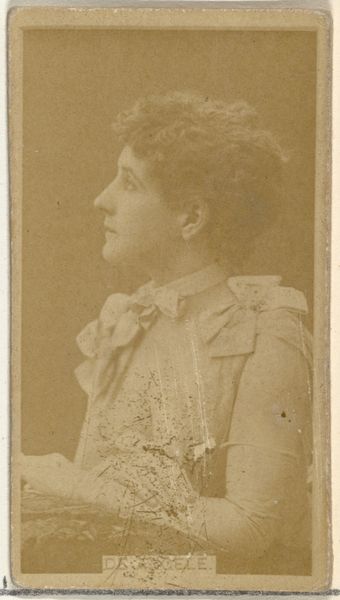
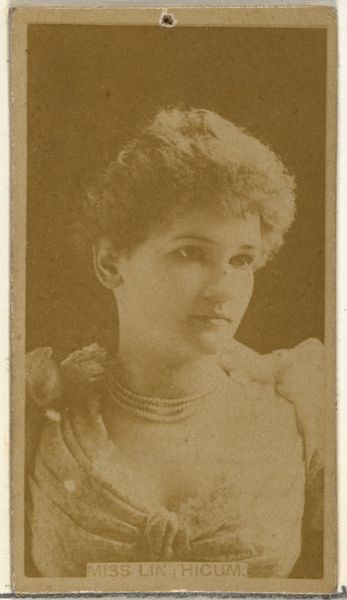
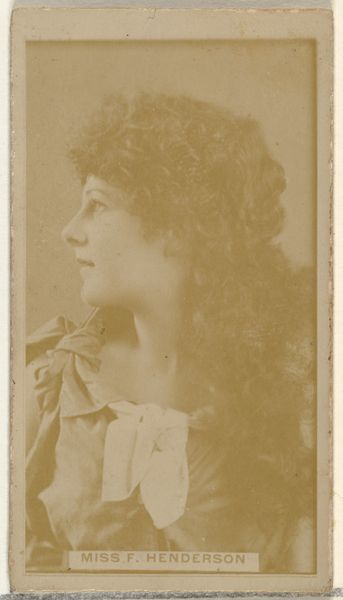
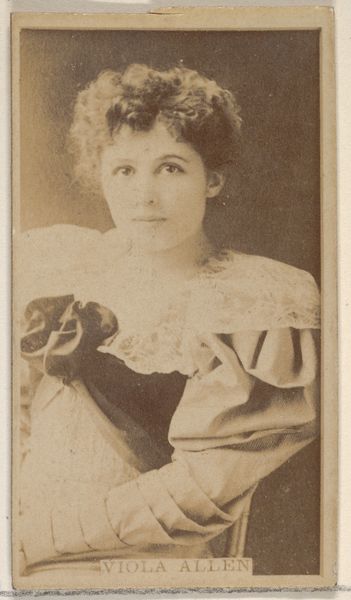
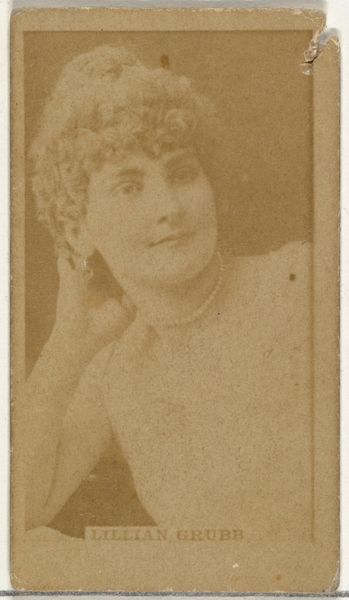
![[Actress holding teacup], from the Actors and Actresses series (N145-8) issued by Duke Sons & Co. to promote Duke Cigarettes by W. Duke, Sons & Co.](https://d2w8kbdekdi1gv.cloudfront.net/eyJidWNrZXQiOiAiYXJ0ZXJhLWltYWdlcy1idWNrZXQiLCAia2V5IjogImFydHdvcmtzL2VmZmFhNzlmLTk0NjItNDQyYi04ZTVkLWFmN2QxYmViM2UzZS9lZmZhYTc5Zi05NDYyLTQ0MmItOGU1ZC1hZjdkMWJlYjNlM2VfZnVsbC5qcGciLCAiZWRpdHMiOiB7InJlc2l6ZSI6IHsid2lkdGgiOiAxOTIwLCAiaGVpZ2h0IjogMTkyMCwgImZpdCI6ICJpbnNpZGUifX19)
About this artwork
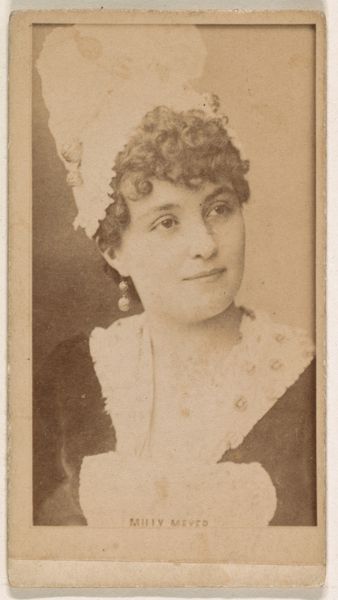
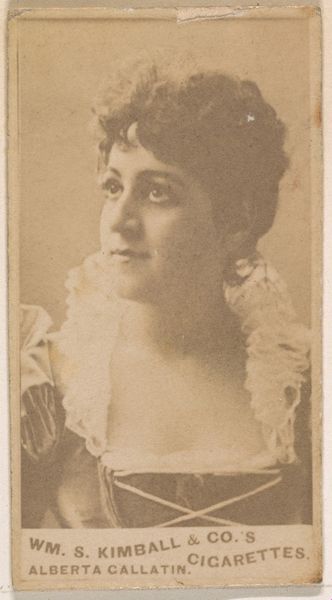
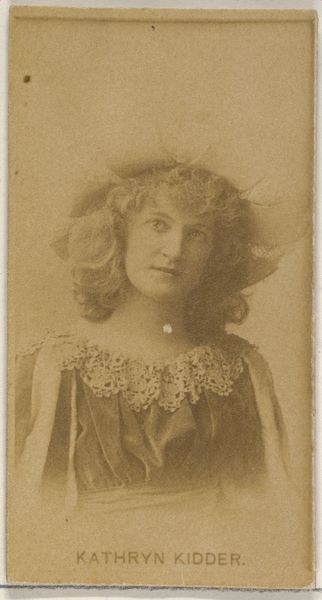
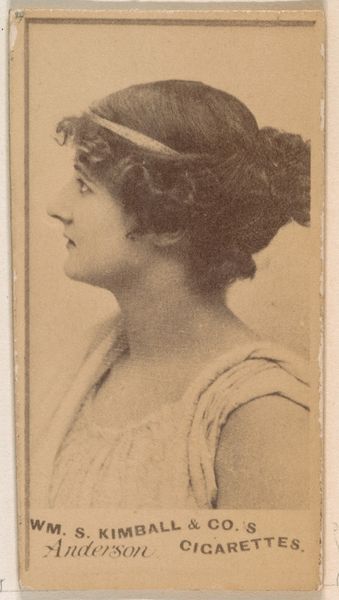
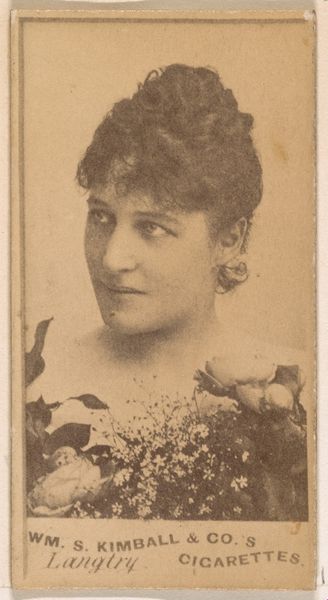
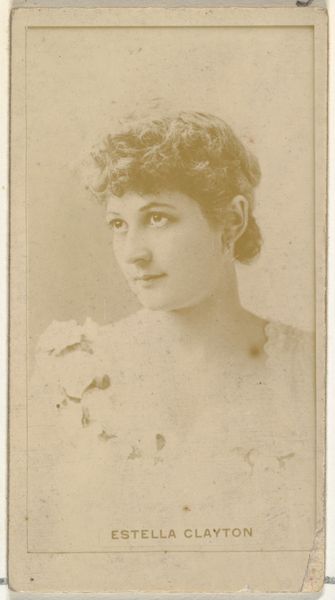
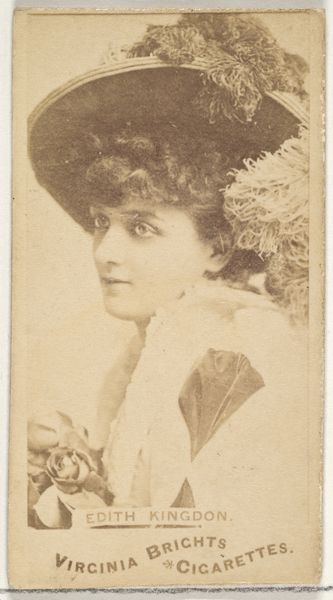
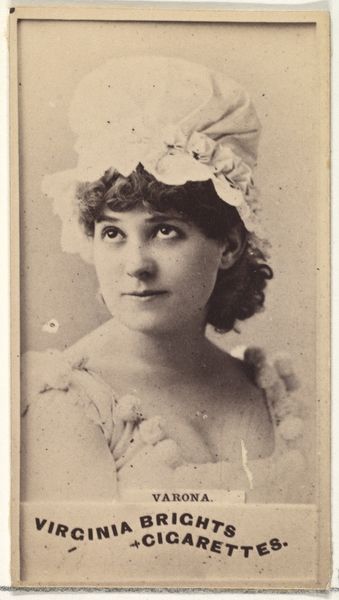
This photographic print of an actress holding a teacup was produced by W. Duke, Sons & Co. sometime between 1870 and 1920 as a promotional item for Duke Cigarettes. The image speaks volumes about the social and cultural landscape of the time, reflecting the rise of consumer culture and the increasing use of celebrity endorsements in advertising. Actresses, like the one depicted here, were idealized figures, and associating them with a product like cigarettes lent an air of glamour and sophistication. This points to the institutional and economic structures that helped shape the production and reception of art. Understanding this image requires looking at the social conditions that shaped artistic production, asking questions about the politics of imagery and the public role of art. By consulting archives and delving into the history of advertising and consumer culture, we can better understand the complex interplay between art, commerce, and society.
[Actress holding teacup], from the Actors and Actresses series (N145-8) issued by Duke Sons & Co. to promote Duke Cigarettes
1890 - 1895

W. Duke, Sons & Co.
1870 - 1920
The Metropolitan Museum of Art
Metropolitan Museum of Art, New York, NYArtwork details
- Medium
- print, photography
- Dimensions
- Sheet: 2 11/16 × 1 3/8 in. (6.8 × 3.5 cm)
- Location
- Metropolitan Museum of Art, New York, NY
- Copyright
- Public Domain
Tags
Comments
Share your thoughts
About this artwork
This photographic print of an actress holding a teacup was produced by W. Duke, Sons & Co. sometime between 1870 and 1920 as a promotional item for Duke Cigarettes. The image speaks volumes about the social and cultural landscape of the time, reflecting the rise of consumer culture and the increasing use of celebrity endorsements in advertising. Actresses, like the one depicted here, were idealized figures, and associating them with a product like cigarettes lent an air of glamour and sophistication. This points to the institutional and economic structures that helped shape the production and reception of art. Understanding this image requires looking at the social conditions that shaped artistic production, asking questions about the politics of imagery and the public role of art. By consulting archives and delving into the history of advertising and consumer culture, we can better understand the complex interplay between art, commerce, and society.
Comments
Share your thoughts