About this artwork
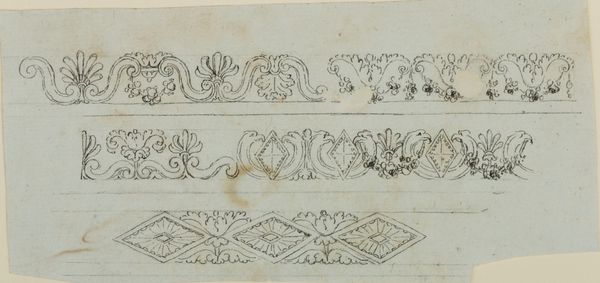
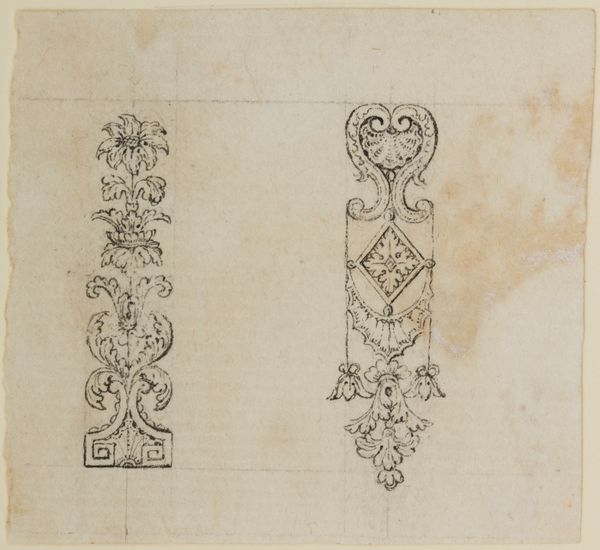
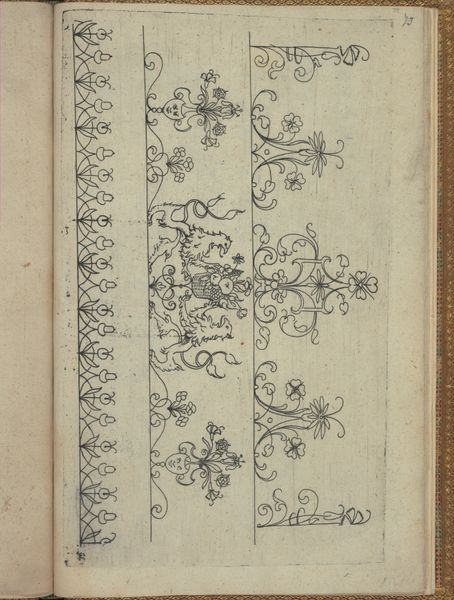
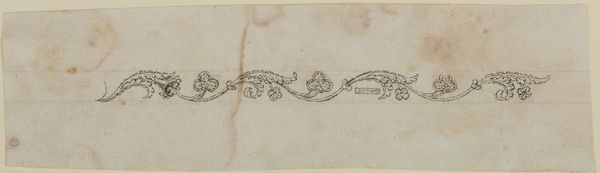
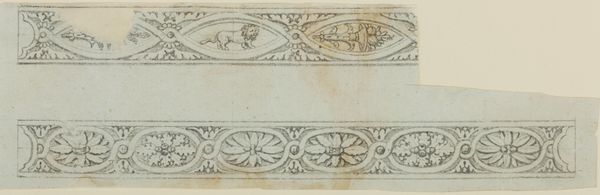
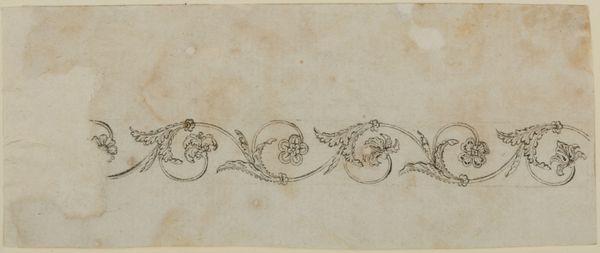
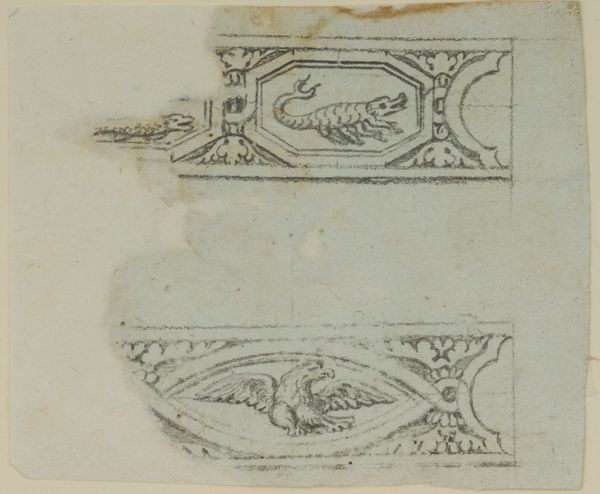
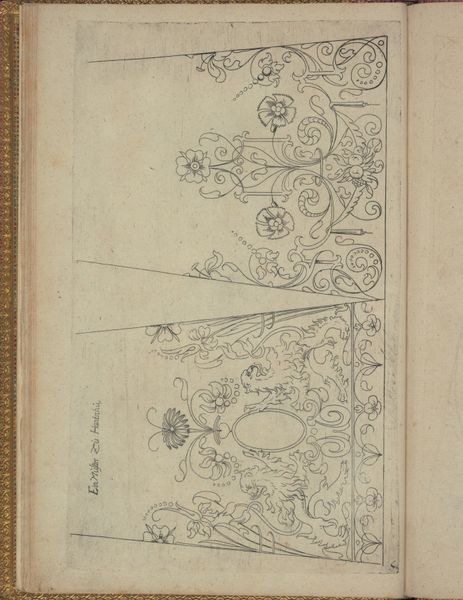
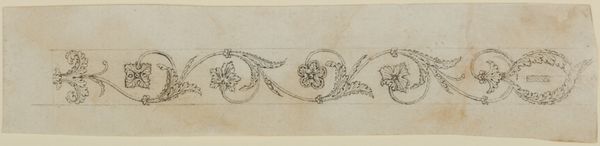
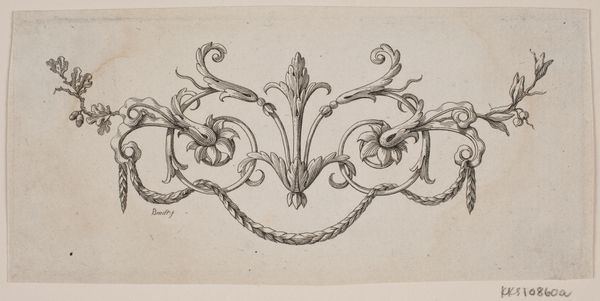
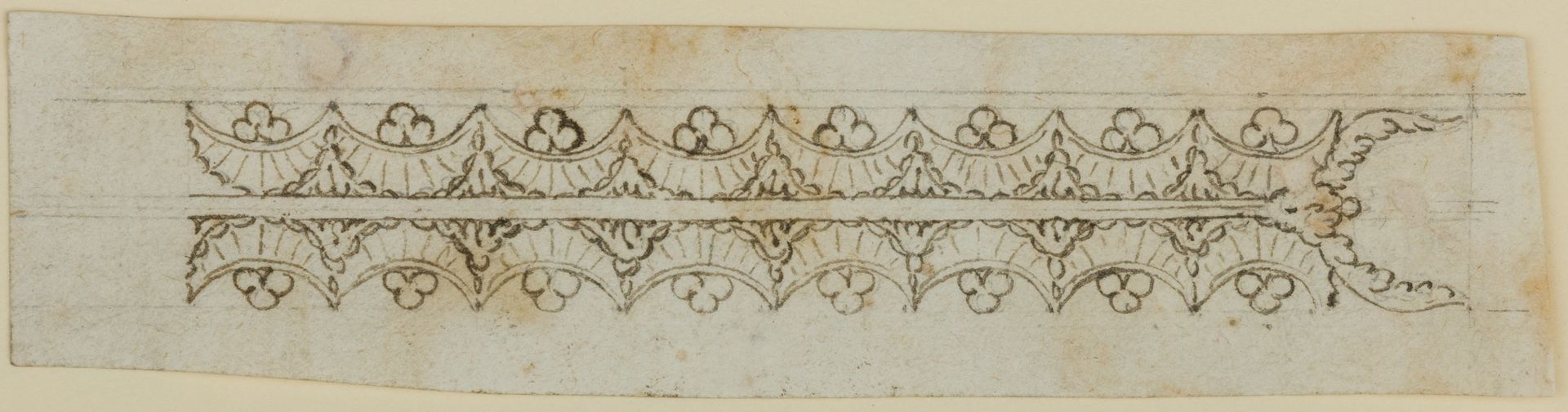
This is a pen and ink design for firearm decoration, created by Nicolas Noël Boutet in France, sometime in the late 18th or early 19th century. Boutet was Director of the Versailles arms factory and produced firearms for the French Royal family, and later for Napoleon. The design is an intricate pattern that might adorn the barrel of a luxury weapon. But what does it mean to decorate a firearm? In a society undergoing revolution, what is the public role of weapons, and what visual codes might communicate their status and use? The cultural history of weaponry is complex. Arms are both functional tools and symbols of power. Boutet’s designs remind us that even objects of destruction can be made beautiful, and that the social conditions of their creation shape their meaning. To understand Boutet's work more fully, we can look to museum collections, design archives, and historical records from the Versailles factory. By studying the institutions that shaped Boutet’s production, we can better understand the politics of imagery in revolutionary France.
Designs for the Decoration of Firearms 1772 - 1830

Nicolas Noël Boutet
1761 - 1833
The Metropolitan Museum of Art
Metropolitan Museum of Art, New York, NYArtwork details
- Medium
- drawing, paper
- Dimensions
- 3 3/4 x 7/8 in. (9.5 x 2.2 cm)
- Location
- Metropolitan Museum of Art, New York, NY
- Copyright
- Public Domain
Tags
drawing
paper
geometric
line
decorative-art
Comments
No comments
About this artwork
This is a pen and ink design for firearm decoration, created by Nicolas Noël Boutet in France, sometime in the late 18th or early 19th century. Boutet was Director of the Versailles arms factory and produced firearms for the French Royal family, and later for Napoleon. The design is an intricate pattern that might adorn the barrel of a luxury weapon. But what does it mean to decorate a firearm? In a society undergoing revolution, what is the public role of weapons, and what visual codes might communicate their status and use? The cultural history of weaponry is complex. Arms are both functional tools and symbols of power. Boutet’s designs remind us that even objects of destruction can be made beautiful, and that the social conditions of their creation shape their meaning. To understand Boutet's work more fully, we can look to museum collections, design archives, and historical records from the Versailles factory. By studying the institutions that shaped Boutet’s production, we can better understand the politics of imagery in revolutionary France.
Comments
No comments