![The General Proportion of the Ionick [Ionic] Order, in Chippendale Drawings, Vol. I by Thomas Chippendale](https://d2w8kbdekdi1gv.cloudfront.net/eyJidWNrZXQiOiAiYXJ0ZXJhLWltYWdlcy1idWNrZXQiLCAia2V5IjogImFydHdvcmtzL2VkMTlkZmY5LTVjZWItNDRjNS1iMDk1LTZlOTVhODEzZmQ2Ny9lZDE5ZGZmOS01Y2ViLTQ0YzUtYjA5NS02ZTk1YTgxM2ZkNjdfZnVsbC5qcGciLCAiZWRpdHMiOiB7InJlc2l6ZSI6IHsid2lkdGgiOiAxOTIwLCAiaGVpZ2h0IjogMTkyMCwgImZpdCI6ICJpbnNpZGUifX19)
About this artwork
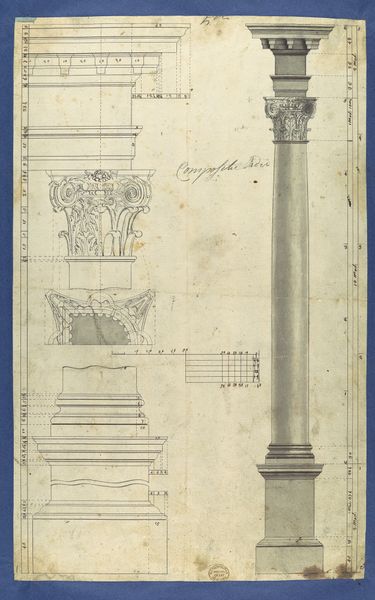
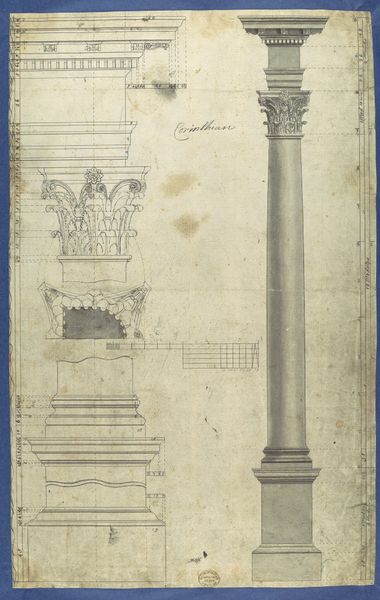
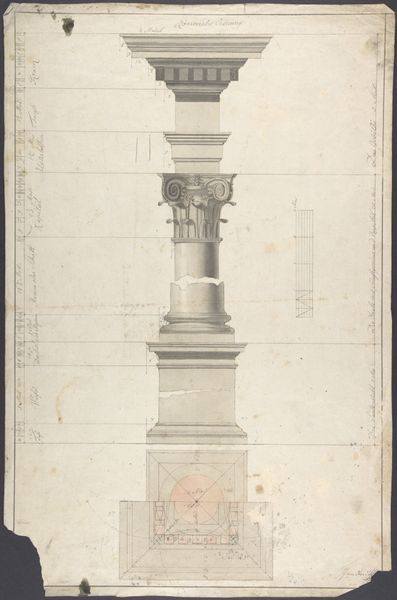
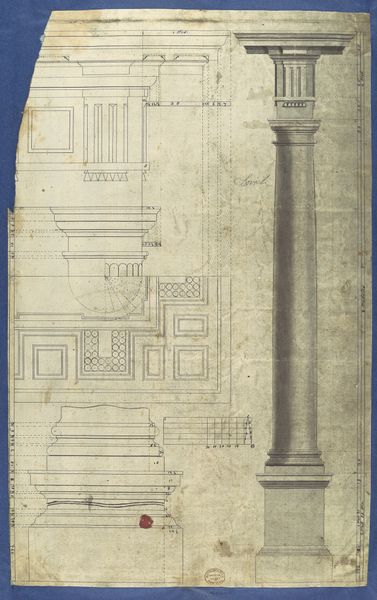
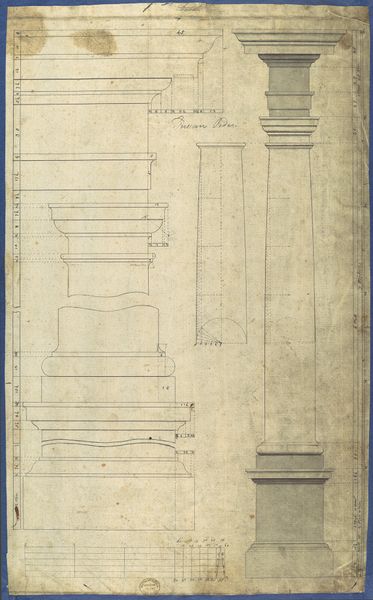
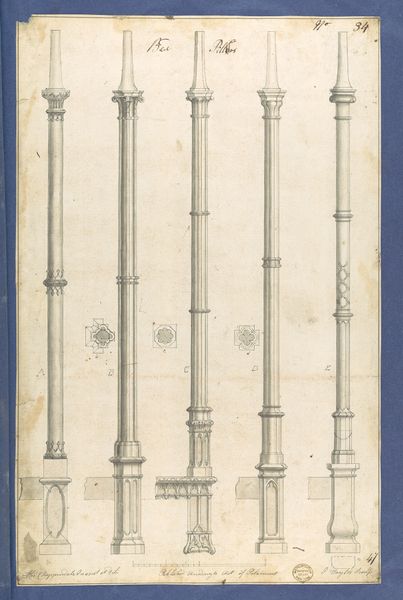
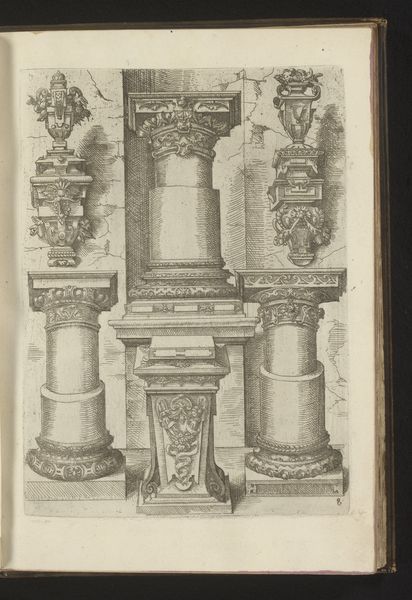
This sheet showing the specifications of an Ionic column was made by Thomas Chippendale, probably sometime in the 1760s. Drawings like this give us an insight into the cultural and institutional history of design in 18th century Britain. This was a time when the classical orders of architecture – Doric, Ionic, Corinthian – were considered the very foundation of good taste. Chippendale’s image is therefore more than just a technical drawing. It testifies to the cultural authority of classical architecture, promoted by institutions such as the Royal Academy. But the image also hints at a tension in British design. The Ionic order was seen as ancient and authoritative. Yet Chippendale was a cabinet-maker whose firm produced fashionable furniture for a modern consumer society. How did designers negotiate the tension between tradition and modernity? We can only understand objects like this by understanding the social conditions that shaped their creation. Resources such as trade directories and pattern books would help us understand it better.
The General Proportion of the Ionick [Ionic] Order, in Chippendale Drawings, Vol. I 1753


Artwork details
- Medium
- drawing, print
- Dimensions
- sheet: 13 7/8 x 8 13/16 in. (35.2 x 22.4 cm)
- Location
- Metropolitan Museum of Art, New York, NY
- Copyright
- Public Domain
Tags
drawing
aged paper
toned paper
homemade paper
paper non-digital material
sketch book
personal sketchbook
coloured pencil
column
watercolour illustration
sketchbook art
watercolor
Comments
No comments
About this artwork
This sheet showing the specifications of an Ionic column was made by Thomas Chippendale, probably sometime in the 1760s. Drawings like this give us an insight into the cultural and institutional history of design in 18th century Britain. This was a time when the classical orders of architecture – Doric, Ionic, Corinthian – were considered the very foundation of good taste. Chippendale’s image is therefore more than just a technical drawing. It testifies to the cultural authority of classical architecture, promoted by institutions such as the Royal Academy. But the image also hints at a tension in British design. The Ionic order was seen as ancient and authoritative. Yet Chippendale was a cabinet-maker whose firm produced fashionable furniture for a modern consumer society. How did designers negotiate the tension between tradition and modernity? We can only understand objects like this by understanding the social conditions that shaped their creation. Resources such as trade directories and pattern books would help us understand it better.
Comments
No comments