About this artwork
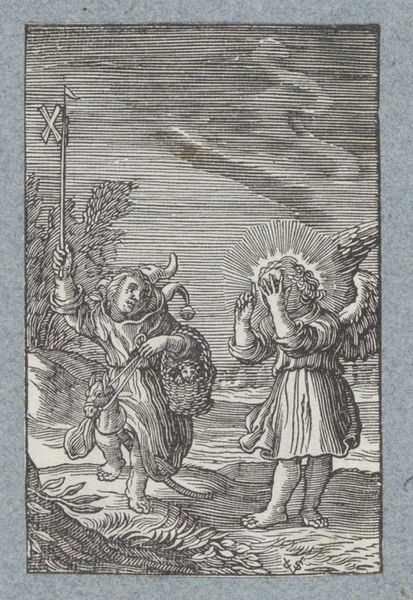
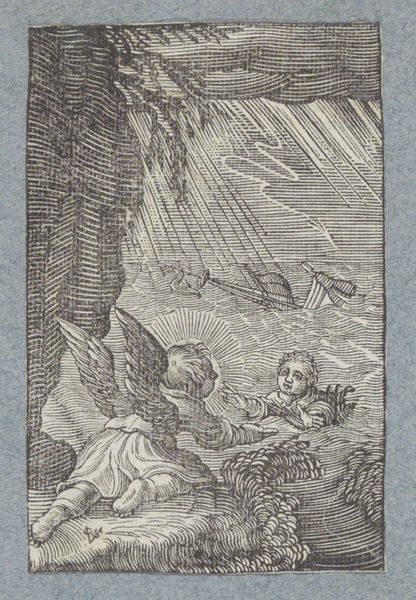
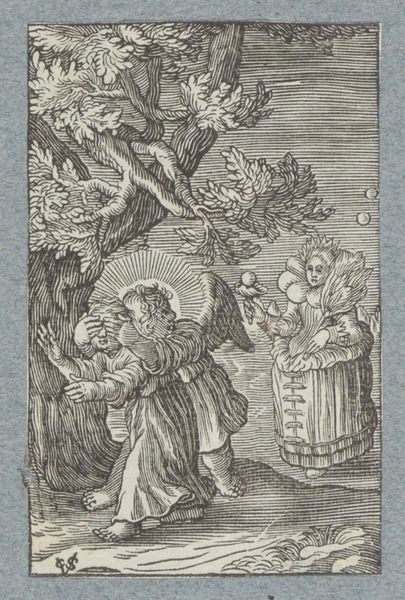
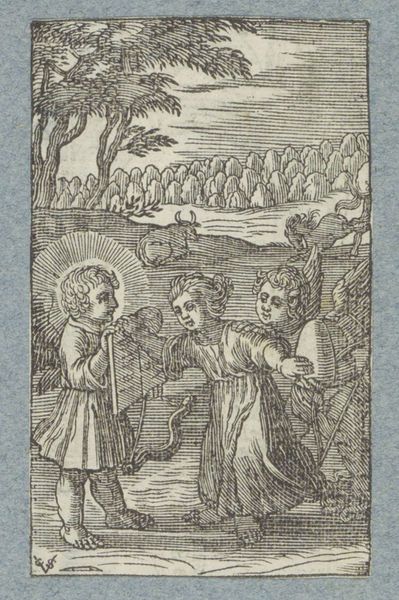
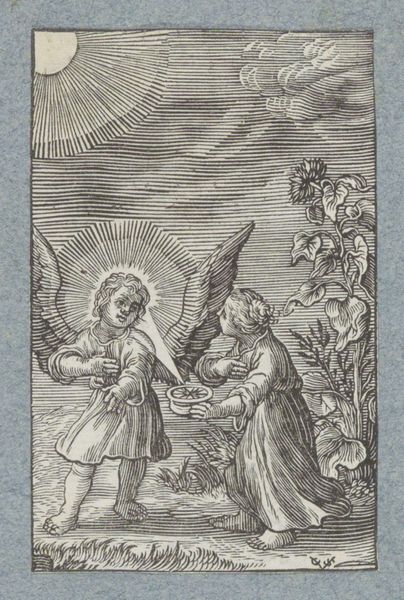
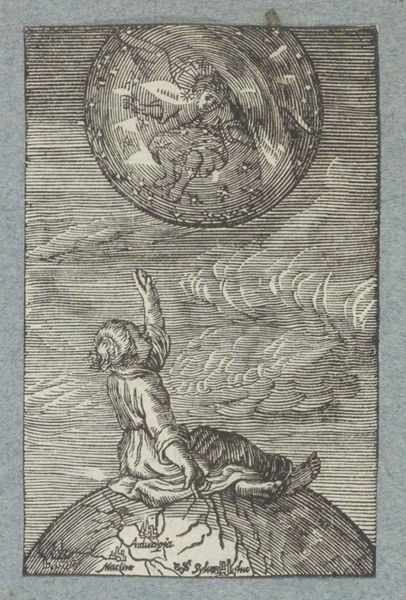
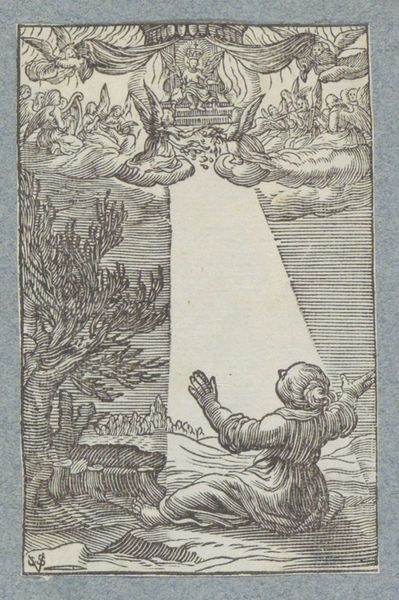
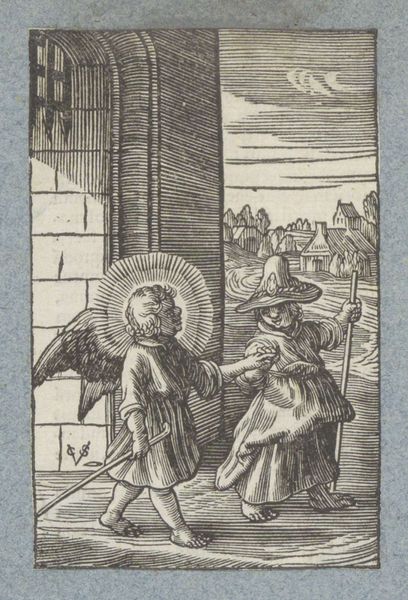
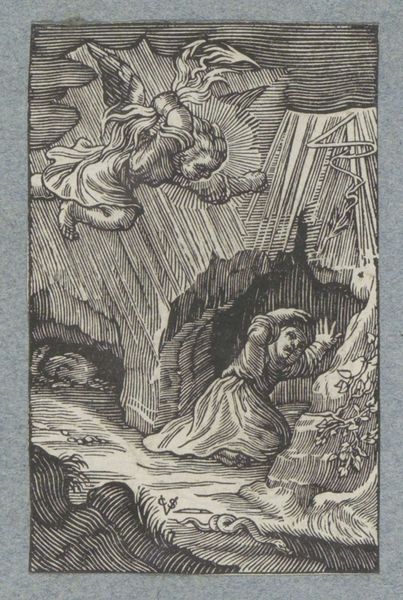
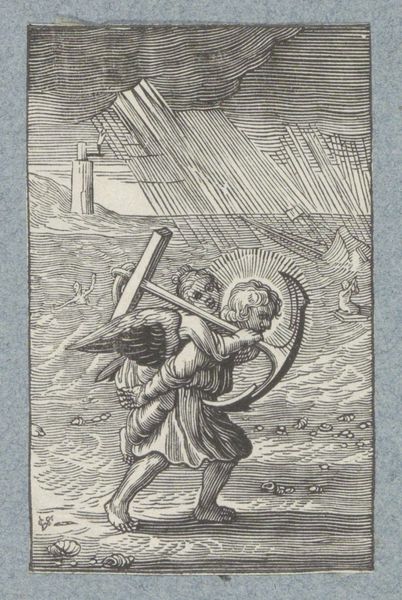
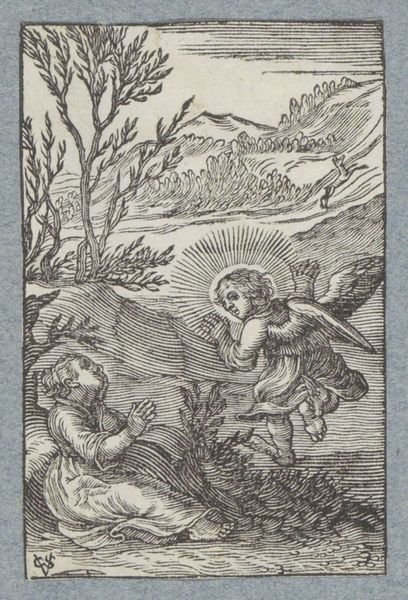
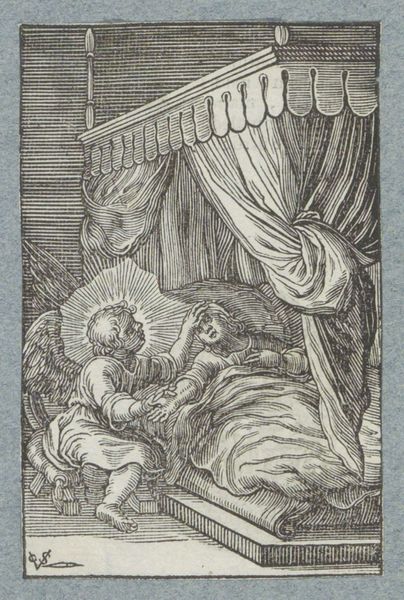
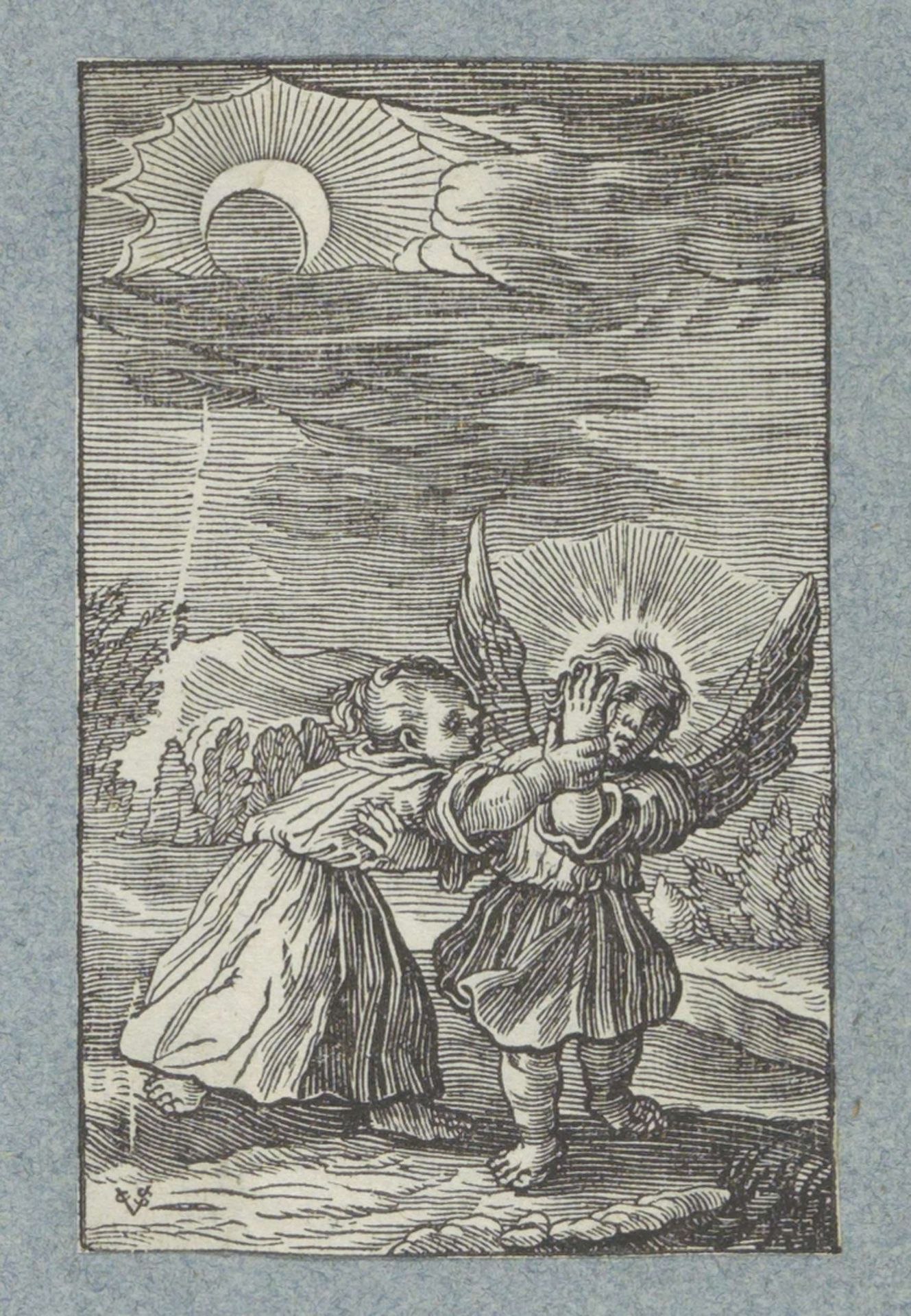
This small woodcut, showing a child and angel during a solar eclipse, was made by Christoffel van Sichem the Second, a Dutch artist active in the early 17th century. A woodcut is a relief printmaking technique, where an image is carved into the surface of a block of wood, leaving the printing parts level with the surface while removing the non-printing parts. Look closely and you'll notice the artist has used a series of lines to create the image. The varying thickness of the lines create tone, texture, and shadow. But what is really interesting is the amount of work involved in the production process. First, the image had to be carefully carved into the block of wood using knives and gouges. Because of this, the artist needed a high degree of skill and control. Prints like this were relatively cheap to produce and could be widely distributed, making art accessible to a broad audience. By focusing on the materials, making, and context, we can begin to understand the full meaning of this artwork.
Kind en engel bij zonsverduistering
1628

Christoffel van (II) Sichem
1581 - 1658Location
RijksmuseumArtwork details
- Medium
- print, engraving
- Dimensions
- height 84 mm, width 53 mm
- Location
- Rijksmuseum
- Copyright
- Rijks Museum: Open Domain
Tags
Comments
Share your thoughts
About this artwork
This small woodcut, showing a child and angel during a solar eclipse, was made by Christoffel van Sichem the Second, a Dutch artist active in the early 17th century. A woodcut is a relief printmaking technique, where an image is carved into the surface of a block of wood, leaving the printing parts level with the surface while removing the non-printing parts. Look closely and you'll notice the artist has used a series of lines to create the image. The varying thickness of the lines create tone, texture, and shadow. But what is really interesting is the amount of work involved in the production process. First, the image had to be carefully carved into the block of wood using knives and gouges. Because of this, the artist needed a high degree of skill and control. Prints like this were relatively cheap to produce and could be widely distributed, making art accessible to a broad audience. By focusing on the materials, making, and context, we can begin to understand the full meaning of this artwork.
Comments
Share your thoughts