1618 - 1620
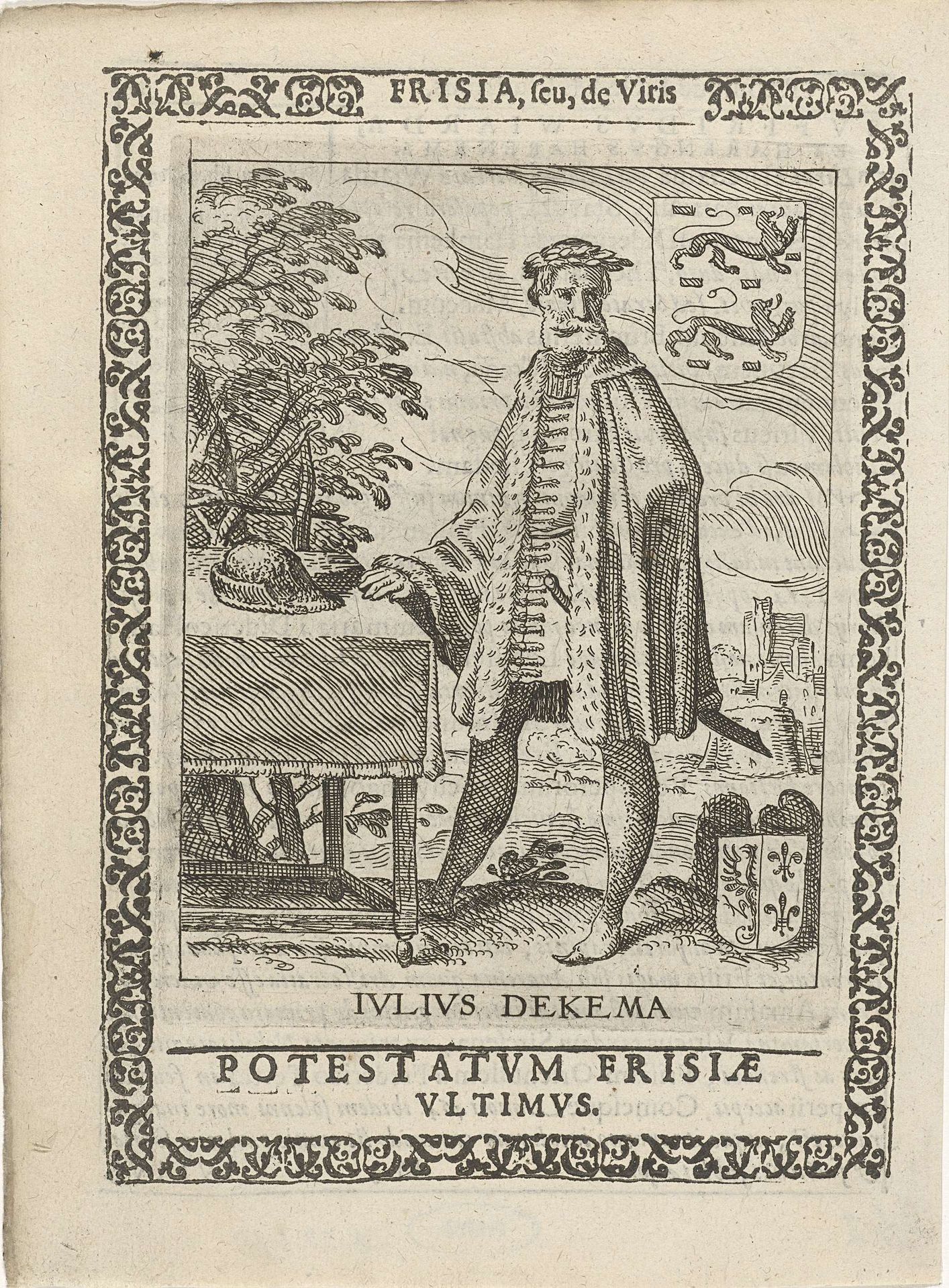
Juw Dekama, laatste potestaat van Friesland

Pieter Feddes van Harlingen
1614Location
RijksmuseumListen to curator's interpretation
Curatorial notes
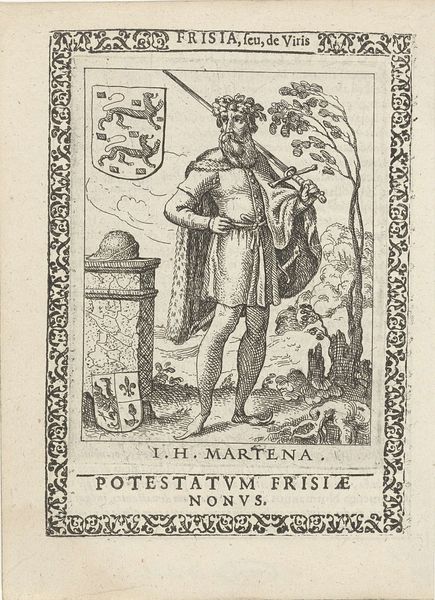
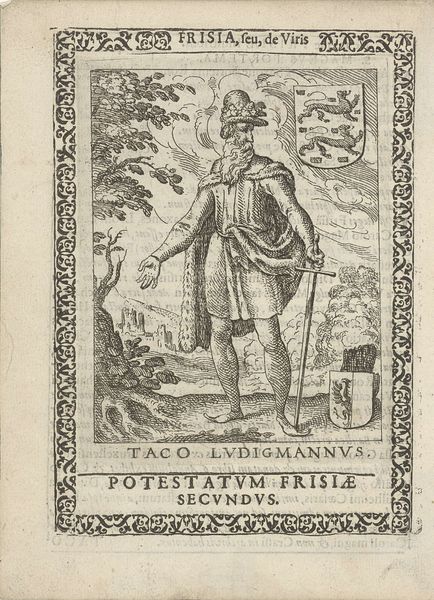
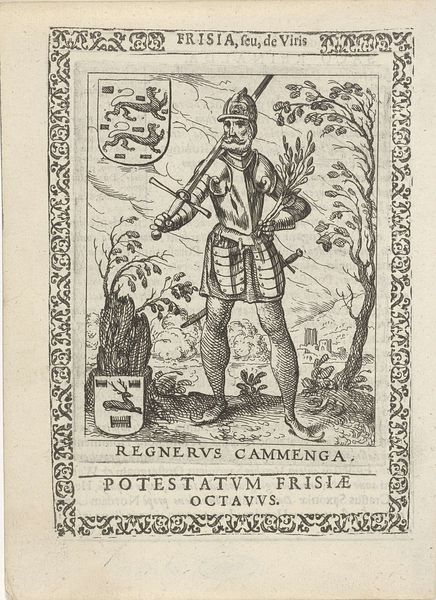
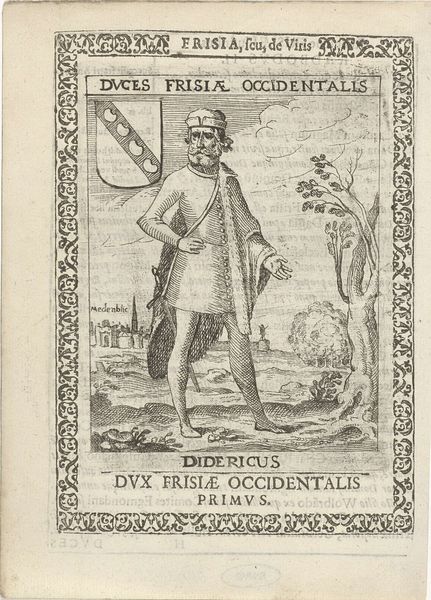
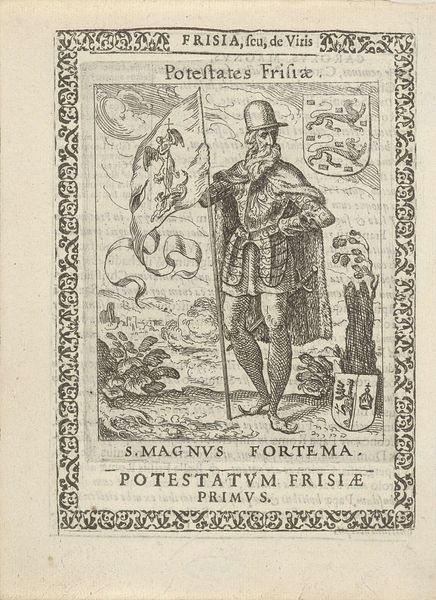
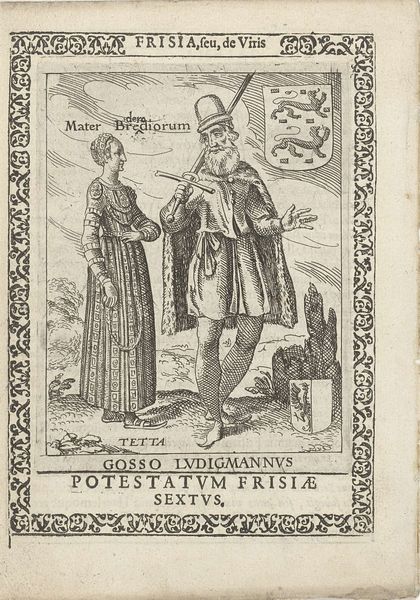
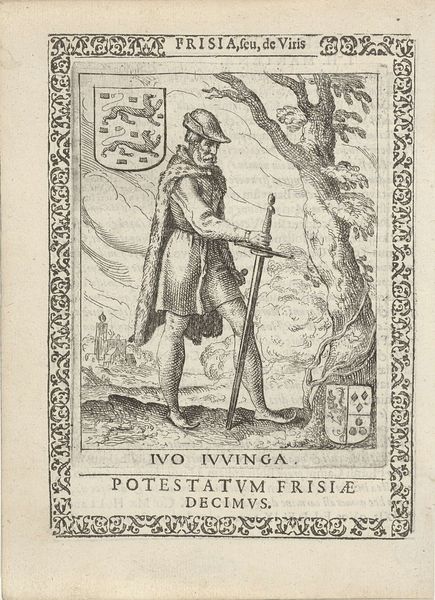
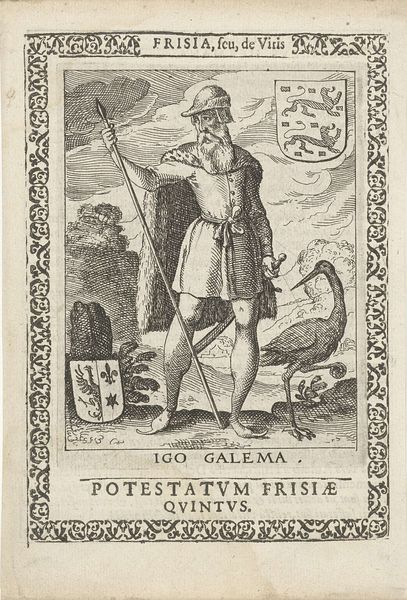
Pieter Feddes van Harlingen made this print of Juw Dekama, the last potestaat, or elected governor, of Friesland. This portrait, made in the Netherlands, presents an image of leadership rooted in a very specific time and place. Note the trappings of power: the fur-lined robe, the sword, and the coat of arms, all visual symbols of authority. But this is also a representation of a figure whose power was waning. Friesland was in the midst of a transition from a feudal society to a more centralized state. The print thus operates as a kind of historical document, capturing a moment of political change and the individuals associated with it. Was this image intended to criticize this change, or celebrate it? To gain a deeper understanding of this artwork, we can look at archival materials, political documents, and other visual representations of power from this period. By considering the broader social and institutional context, we can better understand the role that art plays in shaping our understanding of the past.