1771 - 1816
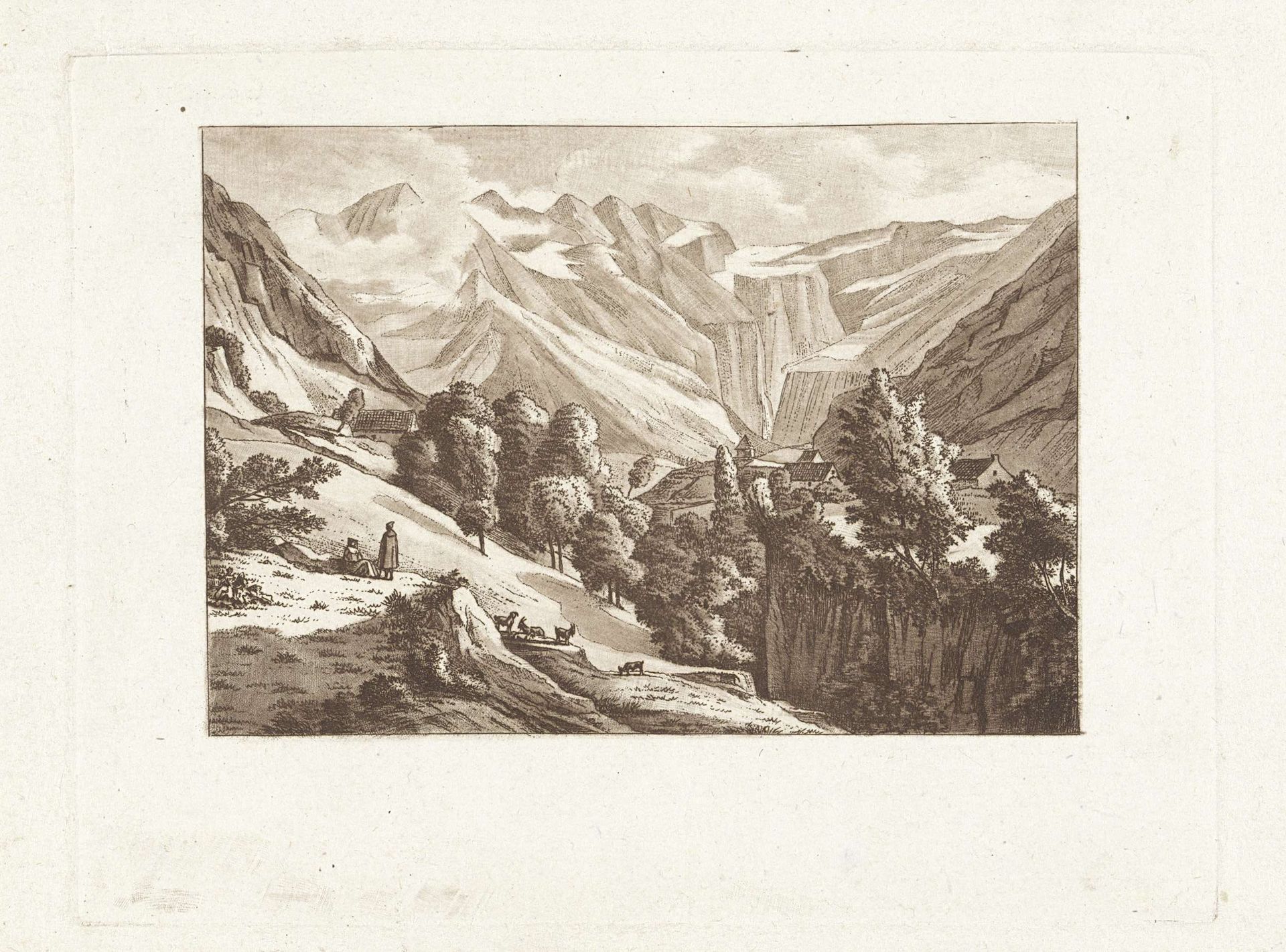
Waterval van Gavarnie

Hendrik Schwegman
1761 - 1816Location
RijksmuseumListen to curator's interpretation
Curatorial notes
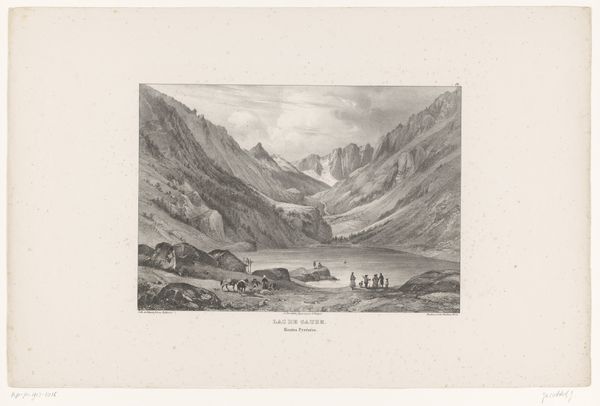
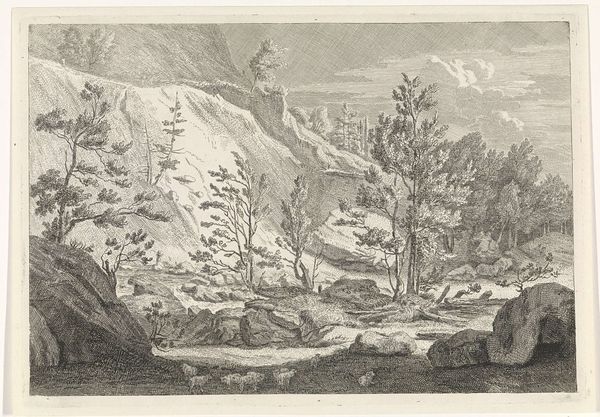
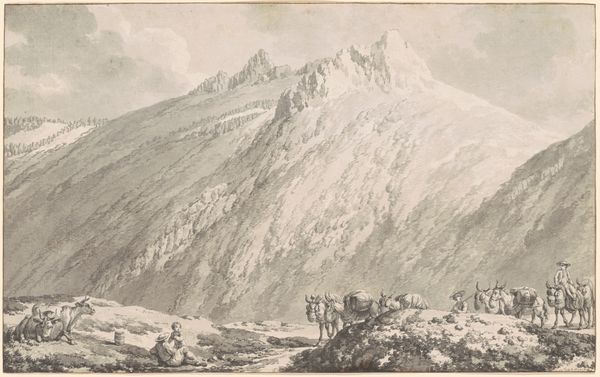
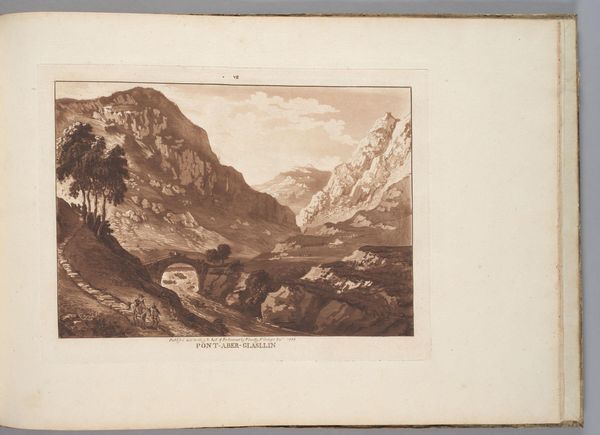
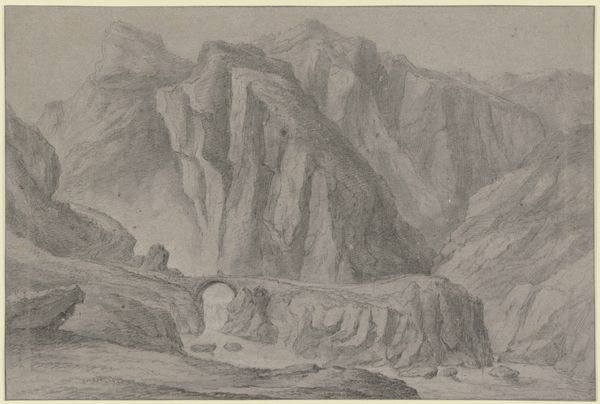
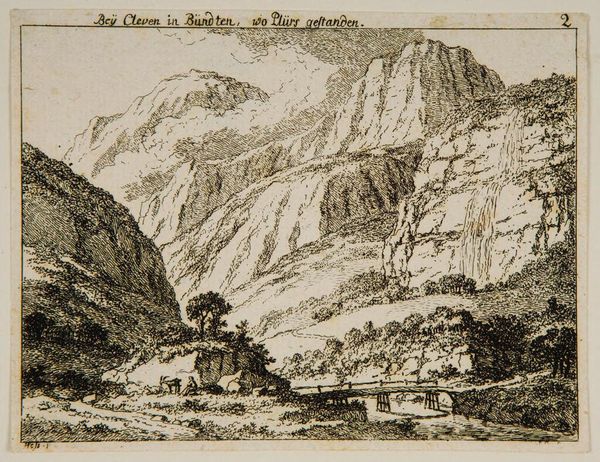
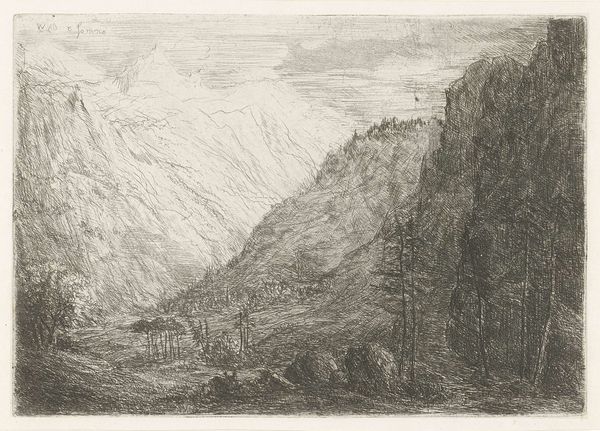
Hendrik Schwegman created this print of the Waterval van Gavarnie, or Gavarnie Falls, using etching, a printmaking technique, during a time of significant political and social upheaval in Europe. As the Enlightenment ideals spread, so did the public's interest in natural landscapes, aligning with emerging notions of freedom and individualism. This etching captures the grandeur of the Pyrenees, but also subtly incorporates elements of everyday life. Note the figures in the foreground; they invite us to reflect on the relationship between humanity and nature. Are they merely observers, or are they part of this landscape? Schwegman situates us within a narrative that intertwines personal experience with broader societal themes, challenging us to consider our own place within the natural and social world. This interplay encourages viewers to reflect on their own identities and histories in relation to the world around them.