About this artwork
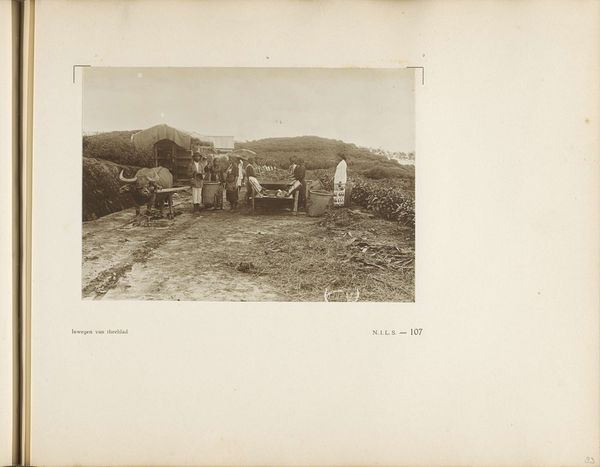
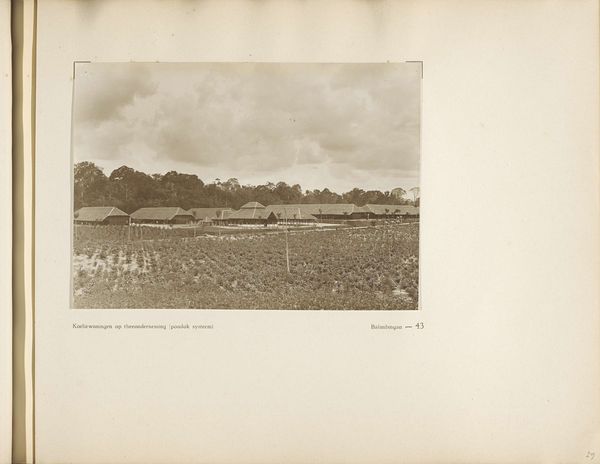
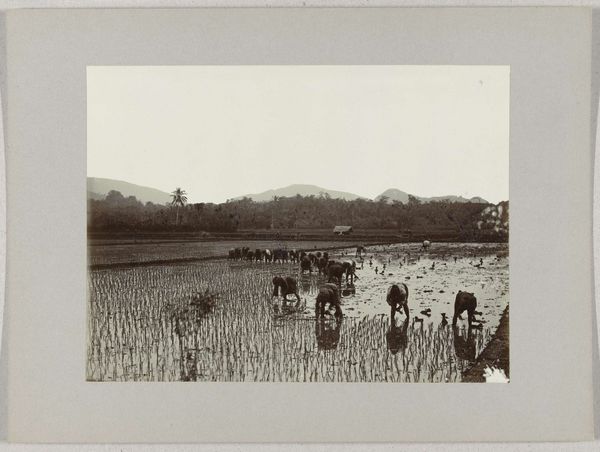
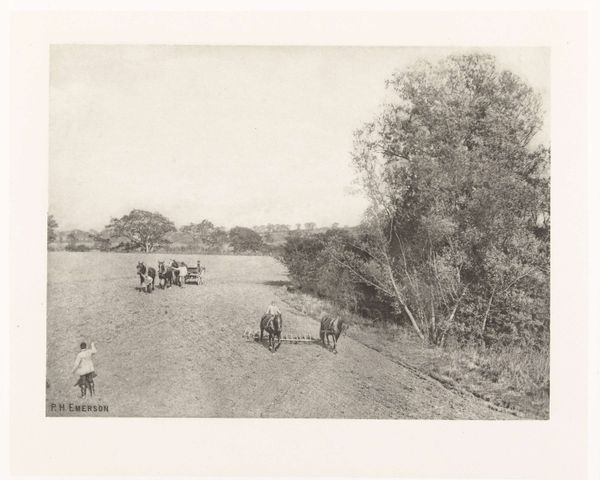
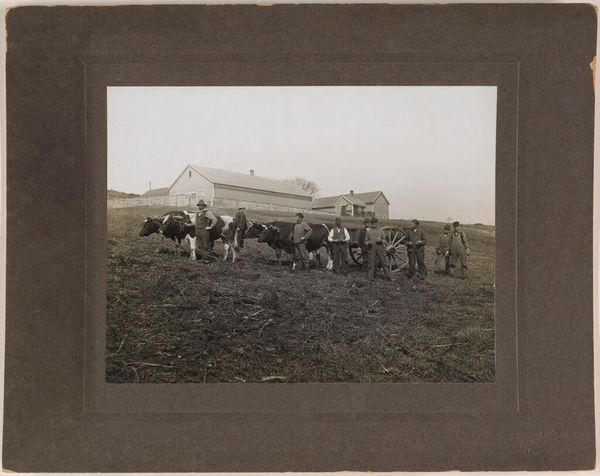
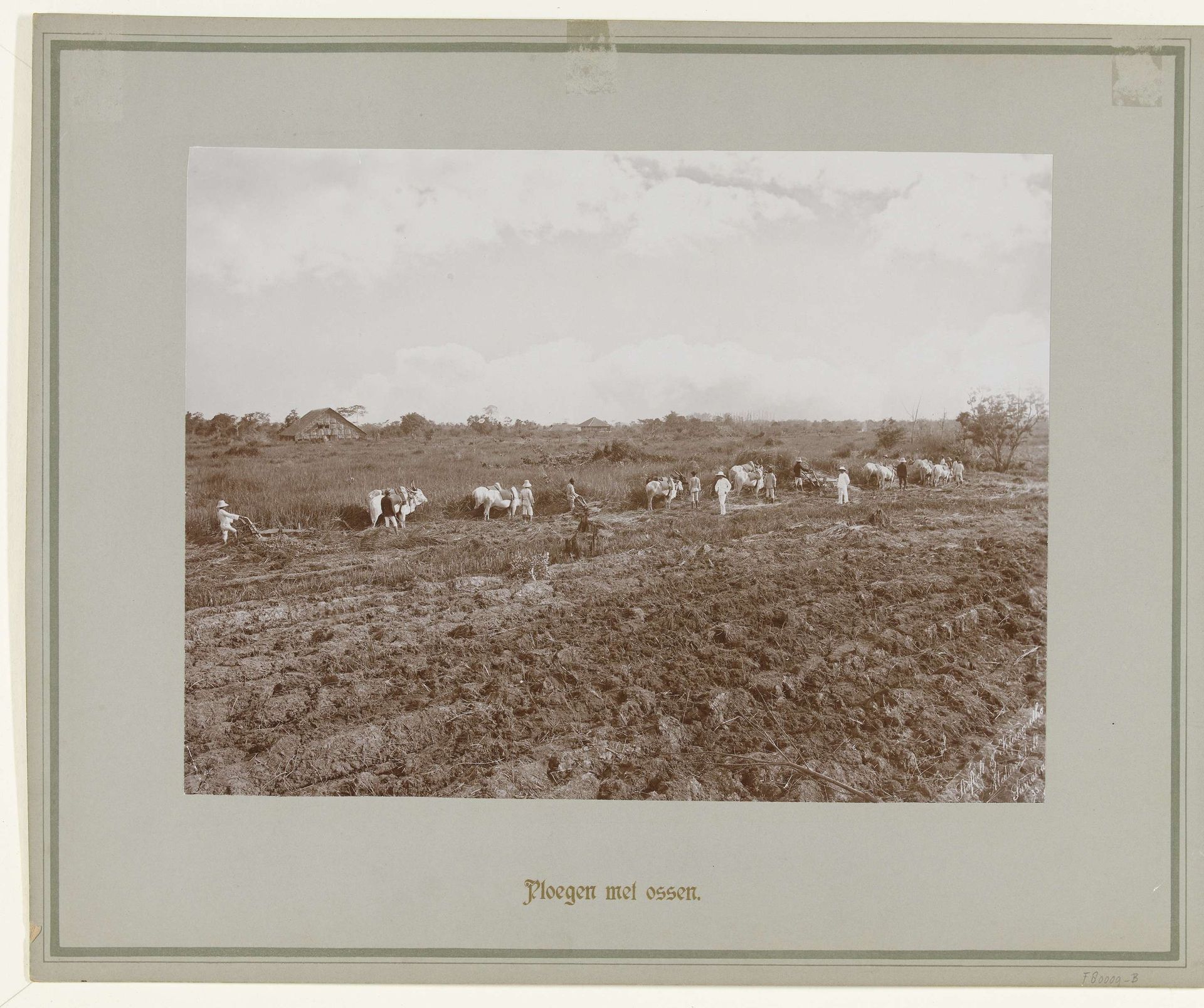
This photograph, taken by Stafhell & Kleingrothe, shows laborers plowing a field with oxen in Sumatra. While undated, it likely comes from the late 19th or early 20th century, a period of Dutch colonial expansion in Indonesia. The image presents a seemingly neutral view of agricultural labor. But we should ask, what kind of labor is this, and who benefits from it? The Dutch presence in Sumatra was largely about exploiting the land and its people for economic gain. The workers in the photograph, likely local Sumatrans, are engaged in back-breaking labor to cultivate crops for the colonial economy. Photographs like these played a crucial role in shaping European perceptions of colonized lands. They often romanticized or exoticized local cultures while obscuring the harsh realities of colonial exploitation. Historical archives, company records, and personal accounts of the time are essential resources to reveal the complex social dynamics behind the image. By examining this photograph through a wider historical lens, we can better understand the power dynamics and social conditions that shaped its production and meaning.
Arbeiders ploegen met ossen een akker op Sumatra
1890 - 1900

Stafhell & Kleingrothe
@stafhellkleingrotheLocation
RijksmuseumArtwork details
- Medium
- photography, gelatin-silver-print
- Dimensions
- height 259 mm, width 345 mm
- Location
- Rijksmuseum
- Copyright
- Rijks Museum: Open Domain
Tags
Comments
Share your thoughts
About this artwork
This photograph, taken by Stafhell & Kleingrothe, shows laborers plowing a field with oxen in Sumatra. While undated, it likely comes from the late 19th or early 20th century, a period of Dutch colonial expansion in Indonesia. The image presents a seemingly neutral view of agricultural labor. But we should ask, what kind of labor is this, and who benefits from it? The Dutch presence in Sumatra was largely about exploiting the land and its people for economic gain. The workers in the photograph, likely local Sumatrans, are engaged in back-breaking labor to cultivate crops for the colonial economy. Photographs like these played a crucial role in shaping European perceptions of colonized lands. They often romanticized or exoticized local cultures while obscuring the harsh realities of colonial exploitation. Historical archives, company records, and personal accounts of the time are essential resources to reveal the complex social dynamics behind the image. By examining this photograph through a wider historical lens, we can better understand the power dynamics and social conditions that shaped its production and meaning.
Comments
Share your thoughts